

You pick up one bar because it says 20g protein in giant type. Then you pick up another that says the same thing, with a completely different ingredient list, texture, and price. That moment is why protein bars feel confusing. The wrappers make them look interchangeable when they are not.
A 20 gram protein bar can be convenient. It can help fill a gap between meals, cover a rushed afternoon, or make post workout eating easier. But the protein number on the front works a bit like a headline. It tells you one fact, not the full story.
What shapes your experience is everything attached to that protein. The source matters, because whey, milk, soy, pea, and blended proteins do not all digest or absorb the same way for every person. The supporting ingredients matter too. A bar with sugar alcohols, chicory root, heavy coatings, or added fibers may feel fine for one person and lead to bloating or urgency for another.
That is why this guide treats 20g as a useful clue, not a verdict on quality.
A better question is simple. What kind of 20g protein bar are you holding?
Some bars are built for recovery. Some are built to taste like dessert. Some try to keep net carbs low by loading in sweeteners and fibers that can backfire in your gut. And if you are tired of another sweet, chewy bar, savory plant based options can solve a problem that does not get enough attention. Flavor fatigue is real, and so is the digestive wear and tear that can come from relying on highly engineered snacks.
The goal is not to find a perfect bar. It is to learn how to judge any bar with more confidence, so you can choose one that fits your body, your schedule, and your reason for eating it.
Navigating the Wall of 20g Protein Bars
A lot of shoppers make the same first move. They flip the box over, scan for protein, and stop reading once they see 20 grams. Brands know that. It’s why the front of the package often does most of the talking.
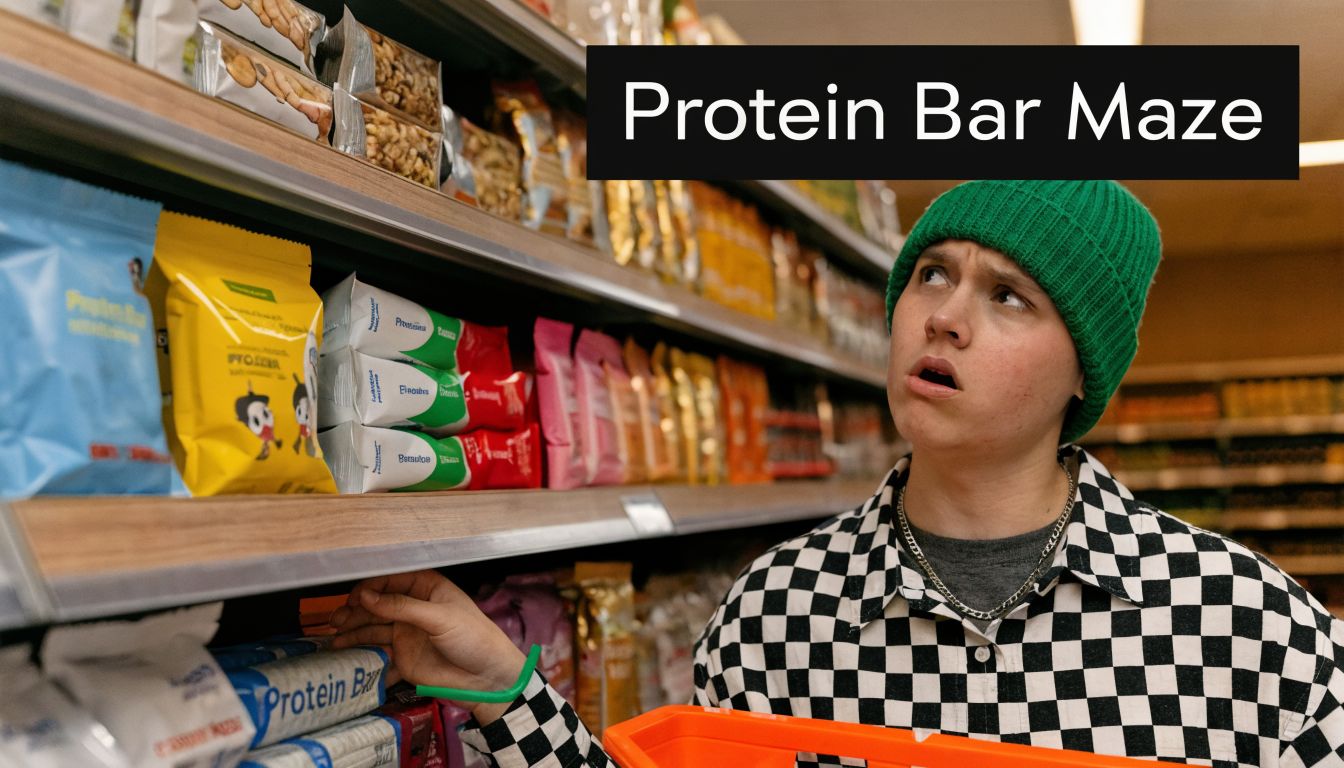
The trouble is that two 20g protein bars can behave very differently in your body. One may digest smoothly and support recovery. Another may leave you bloated, weirdly hungry, or tired of sweet flavors by the third bite. The protein source matters. The fiber matters. The sweeteners matter. Even texture tricks matter, because they often point to how heavily the product is engineered.
What the front of the wrapper won’t tell you
The front panel gives you a number. The back label gives you a story.
A better way to shop is to ask four quiet questions before you buy:
- Where does the protein come from. Whey, milk protein isolate, soy, pea, or a blend?
- What else comes with it. Fiber, sugar alcohols, oils, fillers, coatings?
- What job is this bar doing. Post-workout recovery, hunger control, meal bridge, or emergency snack?
- How do you usually feel after bars. Satisfied, fine, gassy, still hungry, or burned out on sweetness?
Practical rule: Don’t buy a protein bar because the front says 20g. Buy it because the full label matches your body and your goal.
That shift changes everything. Instead of looking for the “best” bar in the abstract, you learn how to judge any bar in front of you.
Why smart shoppers still get stuck
The labels are confusing because the category mixes several ideas together. A protein bar can be marketed as sports nutrition, weight-management food, dessert replacement, meal replacement, or convenience snack. Those are not the same use case.
Quest Bars, Pure Protein bars, wafer-style bars like PowerCrunch PRO, and plant-based bars may all hit a similar protein target, yet the eating experience and ingredient logic can be completely different. Some prioritize fiber. Some prioritize texture. Some lean on dairy proteins. Some use blends to solve plant-protein limitations.
Once you see that, the aisle gets less chaotic. You stop asking, “Which bar has 20g?” and start asking, “Which 20g protein bar makes sense for me?”
Why 20 Grams Became the Magic Number
Stand in front of the protein bar shelf for two minutes and one pattern jumps out fast. Bar after bar highlights 20 grams on the wrapper, as if that number settled the whole decision.
It caught on for a practical reason. Twenty grams is often enough protein to make a bar useful for recovery or appetite control, while still fitting into a bar people will want to eat. Research on post-exercise nutrition commonly places a single serving of protein in the range that supports muscle protein synthesis, which is why this sports nutrition review on protein-rich energy bars discusses bars built around that target.
A helpful way to frame it is dose, not hype. A protein bar is a compact snack with one main assignment. Deliver enough amino acids to matter.
That is why 20 grams spread so widely through the category. It gives formulators room to create a bar with decent texture and shelf stability, and it gives shoppers a number that feels meaningful without sounding excessive.
Why more protein is not always a better bar
A common point of confusion is the idea that a higher protein number automatically means a better product. In practice, your body does not judge a bar by the front label alone. It responds to the amino acid profile, how easy the protein is to digest, and what else comes along for the ride.
Whey and milk proteins are popular partly because they are rich in essential amino acids and tend to digest well for many people. Plant proteins can also work well, but some bars use blends because one plant source alone may be less balanced in certain amino acids or have a grittier texture. That difference matters. Two bars can both say 20g, yet leave you with a very different recovery experience and a very different stomach.
So the question is not whether 20 grams is magical. It is whether that 20 grams is high-quality, tolerable for you, and paired with ingredients that support the job you need the bar to do.
The number works because it solves two common problems
For many active adults, 20 grams sits in a useful middle zone.
After training, it can provide a meaningful protein serving without requiring a full meal right away. Between meals, it can help curb hunger better than a low-protein snack that disappears in ten minutes. That second use gets overlooked, but it is one reason the number stuck outside gym culture too.
If you are trying to place that amount into your full-day intake, the Blue Haven RX protein calculator guide can help you estimate whether a 20g bar fills a real gap or piles onto an already protein-heavy day.
Why the market loves a round number
Food companies benefit from clear claims. Shoppers benefit from quick signals. “20g protein” became a shorthand both sides understand.
But shorthand can hide tradeoffs. A bar can hit 20 grams by using protein sources that digest differently, sweeteners that some people tolerate poorly, or fiber blends that help one person feel full and leave another bloated. If you want a better feel for how those tradeoffs show up on the package, this guide to protein bar nutrition facts and label details is a useful companion.
A 20g label tells you the size of the protein dose. It does not tell you how good that dose is, how your gut will handle it, or whether the rest of the bar supports your goal.
That is the bigger takeaway. Twenty grams became the magic number because it is convenient and effective in many situations, not because every 20g bar is equally smart. Once you see that, you stop treating bars like identical tools and start judging them by quality, digestibility, and fit.
How to Read a Protein Bar Label Beyond the Macros
When selecting a protein bar, individuals often check protein, calories, maybe sugar, and then make a decision. That’s better than nothing, but it still misses the parts of the label that often explain why one bar works for you and another doesn’t.
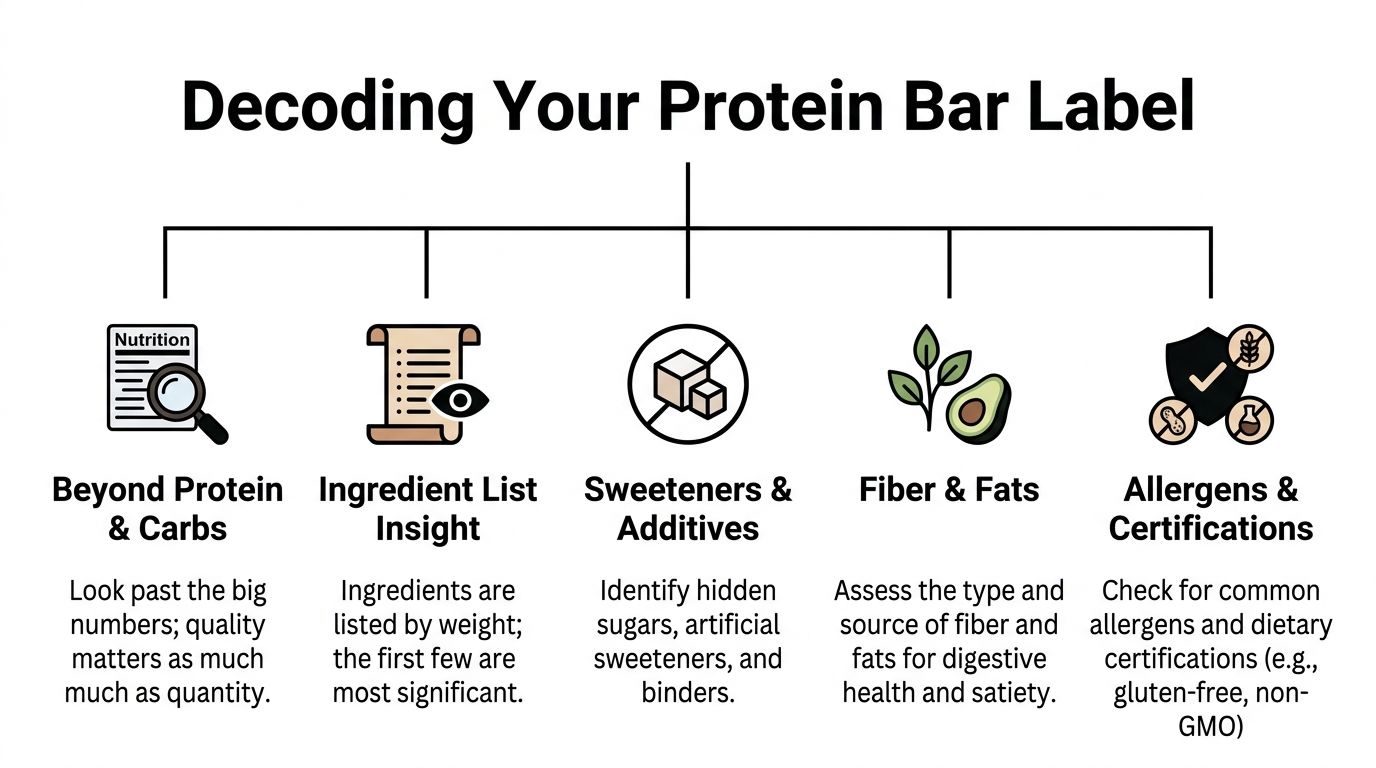
If you want a practical companion for comparing labels, this breakdown of protein bar nutrition facts is worth keeping open in another tab while you shop.
Start with the ingredient list, not the marketing
Ingredients are listed by weight. That means the first few tell you what the bar is mostly made from.
A front label may emphasize protein, but the ingredient list may reveal that the eating experience depends just as much on syrups, coating fats, bulking fibers, binders, and sweeteners. None of those ingredients are automatically bad. They just affect digestion, texture, and satiety in ways the package rarely explains.
Here’s a simple reading order that works better than staring at macros alone:
- Protein source first
- Sweeteners second
- Fiber next
- Fat sources after that
- Allergens and tolerance notes last
Protein quality matters more than people think
Not all protein behaves the same. The quality of protein varies significantly. Animal-based proteins like whey often have a DIAAS score above 1.0 and provide enough leucine, roughly 2.5g per 20g serving, to effectively trigger muscle protein synthesis. Plant-based proteins may need blending to create a more complete amino acid profile, as noted in this overview of high-protein bar protein quality.
That doesn’t mean whey is always the better choice for every person. It means you should know what the protein source is doing.
A quick guide to common protein sources
| Protein source | What shoppers often like | What to watch for |
|---|---|---|
| Whey or milk protein isolate | Strong amino acid profile, often favored for recovery | Dairy sensitivity, sweetness-heavy formulations |
| Hydrolyzed whey | Often used in bars aimed at faster absorption | Texture can depend heavily on sweeteners and coatings |
| Soy isolate | Plant-based and useful in blends | Some people avoid soy for personal or dietary reasons |
| Pea protein | Plant-based, allergen-conscious, often satisfying | Works best when formulation handles taste and amino acid balance well |
| Blended plant proteins | Can improve amino acid coverage | Read the full ingredient list to see what else is added |
If you eat a plant-based bar, don’t stop at “20g protein.” Look for whether it uses a thoughtful blend or a single source. That tells you more about protein quality than the headline number does.
Sugar alcohols can be the hidden problem
A bar can look impressive on paper and still wreck your afternoon.
Some products use sugar alcohols to keep sugar lower while preserving sweetness and texture. For some people, that works fine. For others, it leads to bloating, cramping, urgency, or that vague “my stomach hates this” feeling.
The issue isn’t moral. It’s practical. If you won’t eat the bar again because it makes you feel bad, its macro profile doesn’t matter much.
If a bar repeatedly causes gut distress, treat that as useful data. Your body has already reviewed the ingredient list for you.
A common mistake is blaming “protein bars” in general when the actual issue may be the sweetener system. Compare bars that use different approaches and your tolerance pattern often becomes clearer.
Fiber can make a good bar much better
Fiber changes how satisfying a bar feels. It can slow the eating experience, support fullness, and make a snack feel more like a bridge between meals than a sugar event with protein added.
The average 20g protein bar contains about 245 calories and roughly 4 to 17g of fiber depending on the formulation, while examples such as Quest Bars offer 21g of protein and 17g of fiber in a 60g serving at 190 calories, and Pure Protein bars offer 21 to 22g of protein in a 50g serving at 200 calories, according to Strongr Fastr’s comparison of protein bars.
That range is wide. It tells you that “20g protein bars” are not one nutritional category. Some are built to feel substantial and filling. Others are lighter on fiber and rely more on sweetness or texture for appeal.
What fiber can and can’t do
- It can support fullness when paired with enough protein.
- It can improve the snack-to-meal bridge for busy days.
- It can change texture a lot, sometimes for better, sometimes for worse.
- It can backfire if a bar combines high fiber with sweeteners your gut doesn’t tolerate well.
Fats, oils, and the texture tradeoff
Bars need structure. They need to hold shape on a shelf, survive shipping, and still taste decent. That usually means added fats, coatings, emulsifiers, or humectants.
A common point of confusion for shoppers is this. A bar can be high in protein and still be built like confectionery. Again, that doesn’t automatically make it useless. It just tells you what kind of product you’re holding.
Look for whether the fats seem to support the bar or dominate it. A short, readable ingredient list often signals a simpler formulation, though not always. A longer list isn’t automatically worse, but it should earn your trust by making sense.
A label-reading checklist you can use in the aisle
- Name the protein source. If you can’t quickly identify whether it’s whey, milk, pea, soy, or a blend, keep looking.
- Scan for sweetener strategy. If sugar alcohols appear and you know you’re sensitive, put it back.
- Check fiber in context. More isn’t always better if your stomach doesn’t agree with the rest of the formula.
- Read the first five ingredients. They usually explain more than the marketing copy.
- Match the formula to the job. Recovery, satiety, meal bridge, or convenience snack all call for slightly different priorities.
A good label doesn’t just tell you how much protein is inside. It gives you clues about how that protein will fit your life.
Matching Your Protein Bar to Your Fitness Goal
Choosing among 20g protein bars gets easier when you stop asking which one is “best” and start asking what you need it to do today.
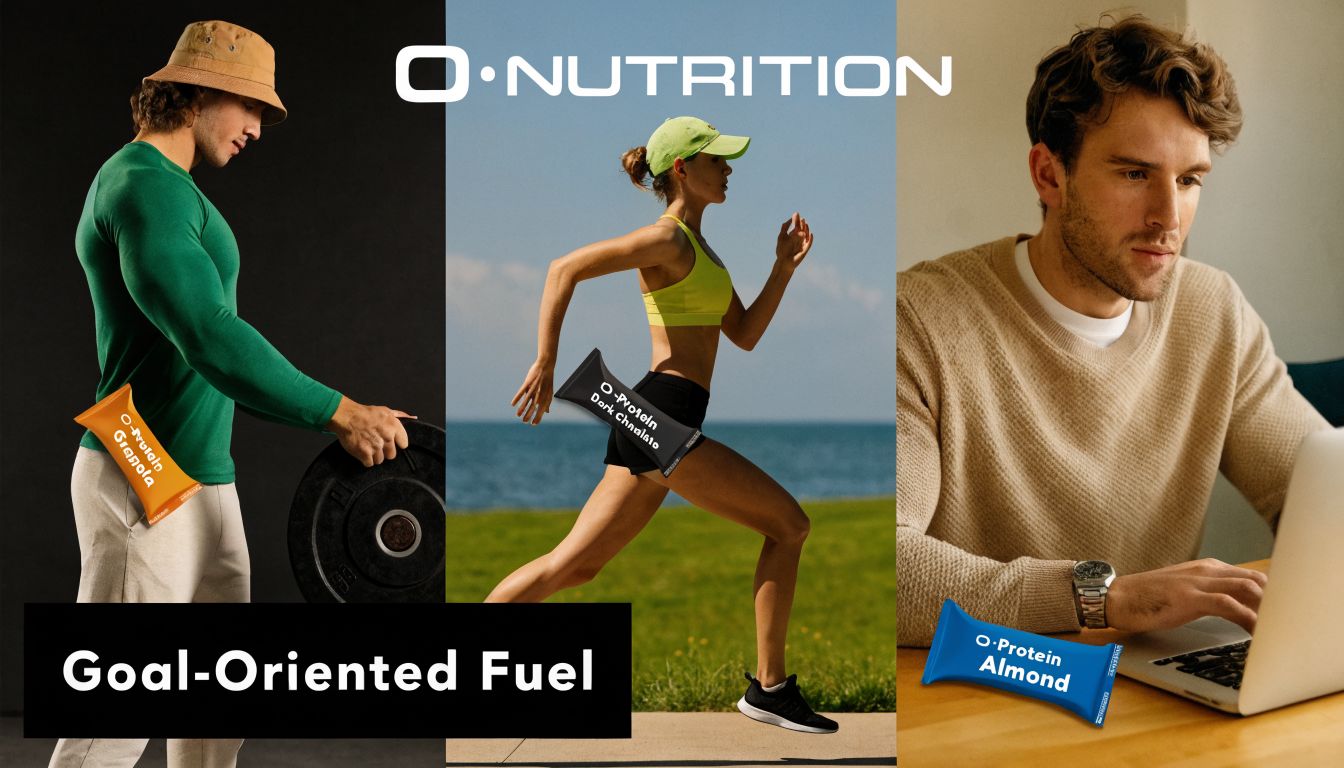
The right bar for a hard training day may be the wrong one for a desk-heavy afternoon. The bar that helps one person feel full may leave another person underwhelmed or bloated. That’s why goal-matching matters more than brand loyalty.
If you want a broader look at category differences, this guide to protein bars for athletes can help frame what different formulas are trying to accomplish.
For muscle growth and recovery
If your main goal is training support, start with protein quality and digestibility.
Whey-based bars often appeal here because of their amino acid profile, especially leucine content. If you train hard and want a convenient recovery snack, this type of formula is often the most straightforward fit. Texture matters too. A bar that’s easy to eat after a workout is more useful than a “perfect” bar you avoid because it feels dense or overly sweet.
What to look for:
- A clear dairy protein source such as whey or milk protein isolate
- An ingredient list that doesn’t scream candy bar
- A formula you’ll tolerate after training
- Enough substance to feel like recovery nutrition, not just dessert
For weight management and fullness
At this point, the conversation usually gets too shallow. People focus on calories and protein, then overlook the ingredients that affect appetite.
Formulation directly impacts results. Pea protein has been shown in RCTs to increase the satiety hormone PYY 40% higher than whey at an equivalent protein dose, enhancing fullness for 2 to 3 hours, according to this sports nutrition product discussion on pea protein and satiety.
That’s a meaningful distinction if your biggest challenge isn’t recovery, but staying full between meals.
Better fits for appetite control often include
| Goal | Label traits worth prioritizing |
|---|---|
| Manage hunger between meals | Pea protein or a satisfying plant-based blend, useful fiber, less dependence on candy-like sweetness |
| Avoid mid-afternoon snacking spirals | A bar or snack with texture and staying power |
| Support GLP-1-friendly eating patterns | Protein source and formula that emphasize fullness rather than just taste mimicry |
Here’s a helpful explainer on how protein timing and snack choices fit around training and daily intake:
For a meal bridge, not a full meal
Some people use protein bars as mini meal replacements. Sometimes that’s practical. Sometimes it leaves them wondering why they’re hungry again so soon.
A bar works better as a meal bridge than a true meal replacement unless it has enough overall substance for your needs. If you’re replacing lunch with a bar every day and then feeling unsatisfied, that’s not a failure of willpower. It may be the wrong tool.
Look for a formula that has:
- Enough protein to matter
- Fiber that supports fullness
- Ingredients you digest comfortably
- A taste profile you won’t burn out on after a week
For allergies and sensitive stomachs
Some shoppers need bars that avoid dairy, soy, or gluten. Others don’t have diagnosed allergies but know they feel better with simpler formulas and fewer sweeteners.
For protein bars, ingredient transparency matters most. A bar can look clean from the front and still include the exact ingredients that tend to bother you. If your stomach is sensitive, your screening process should be stricter, not looser.
The best protein bar is the one you can eat consistently without negotiating with your gut afterward.
For many people, plant-based options become especially useful here because they can sidestep common allergens while still delivering substantial protein. But the same rule still applies. Read the full label. Plant-based doesn’t automatically mean easy to digest, and dairy-based doesn’t automatically mean problematic.
Tired of Sweet? Why Savory Protein Snacks Are on the Rise
A lot of people don’t want another chocolate-coated, cookie-dough-flavored protein product. They want something salty, crunchy, and satisfying that doesn’t taste like dessert pretending to be nutrition.
That’s where flavor fatigue shows up.
If you’ve ever stocked up on bars with good intentions and then stopped eating them halfway through the box, you know the pattern. The first one tastes fine. By the fourth or fifth, every bar starts to feel like a variation on the same candy format.
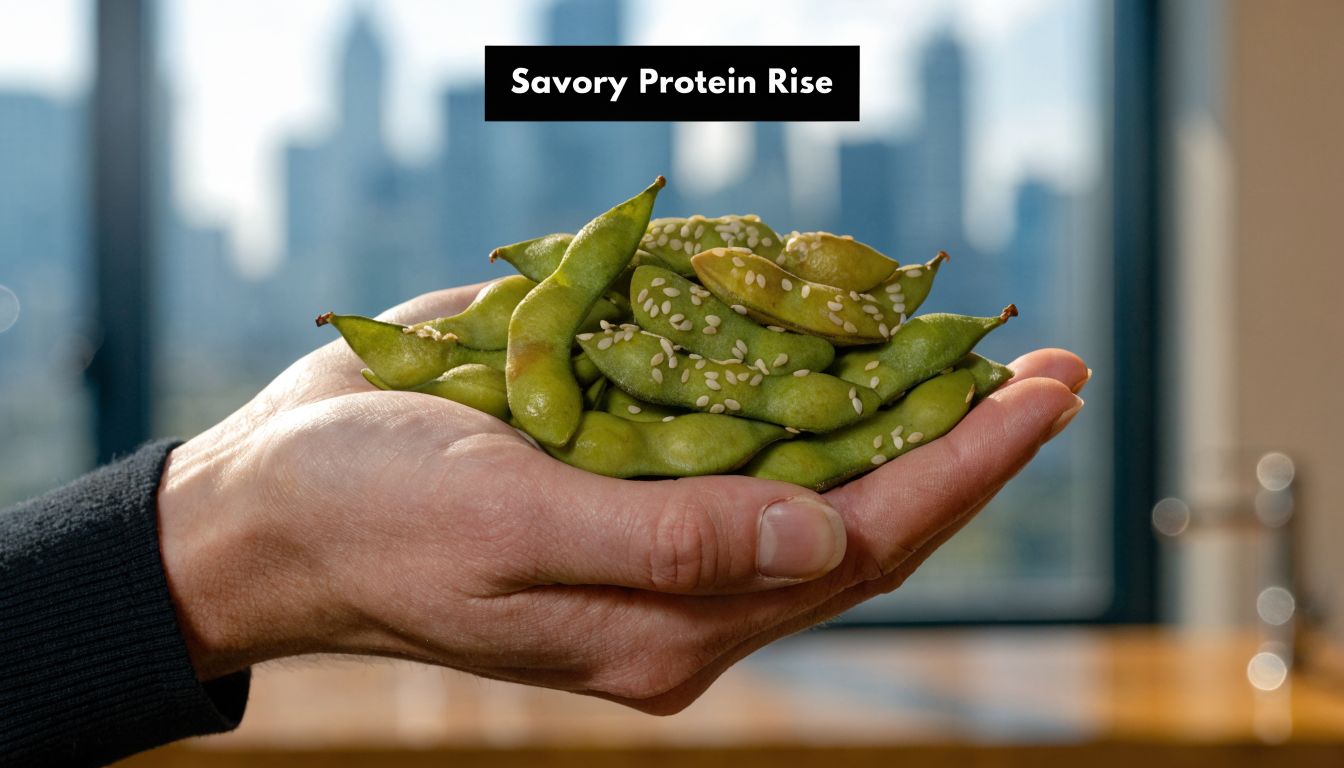
Why the sweet format wears people out
Traditional bars often try to solve for mass appeal. Sweetness is familiar, easy to market, and good at masking the rough edges of protein ingredients. But the result can be repetitive.
For some people, the issue isn’t just taste boredom. Sweet bars can also come with a specific combination of dense texture, coating fats, and sweeteners that makes them feel heavy or hard to digest.
That’s one reason the conversation around protein snacks is getting broader. People aren’t only asking how much protein a product has. They’re asking whether they want to eat it every day.
Savory options solve a different problem
Savory protein snacks appeal to people who want protein to fit into normal eating patterns instead of always showing up as dessert. Crunchy, salty, cheese-inspired, herb-forward, or spicy formats often feel more like food and less like supplementation.
That matters for compliance. If a snack fits your palate, you’re more likely to use it when you need it.
Market analysis also shows a clear content gap around protein bioavailability and satiety signals such as GLP-1 and PYY, while many products stay focused on headline protein grams and do little to explain how protein source, including pea protein, may support stronger fullness signaling for some consumers, as discussed in this market-angle discussion on protein source and satiety.
What to look for in a savory alternative
If you’re exploring beyond bars, use the same standards you’d use in the supplement aisle. This guide to high-protein savory snacks is helpful because it reframes protein snacking around ingredients and eating experience instead of just sweet convenience.
A good savory option should still answer the same core questions:
- What is the protein source
- How processed does the ingredient list feel
- Will this keep me full or just entertained
- Is it likely to sit well in my stomach
- Can I imagine eating this repeatedly without getting tired of it
More flexible than a typical bar
Another advantage of savory protein snacks is that they can fit into more situations. A sweet bar usually stays in its lane. It’s a snack, maybe breakfast-on-the-run, maybe post-workout.
Savory protein snacks can act more like pantry staples. People use them on top of salads, next to soup, in lunch boxes, with fruit, or as the crunchy piece in a quick plate. That flexibility helps if you’re trying to build protein intake into your day without always reaching for a sweet product.
When people say they’re “over protein bars,” they often mean they’re over the sweetness, not over the need for convenient protein.
Savory formats don’t replace every bar. They solve the problem bars often ignore. Sometimes you want recovery support after a workout. Sometimes you just want a satisfying, high-protein snack that doesn’t taste like a brownie impersonation.
Three Common Myths About 20g Protein Bars
Protein bars attract strong opinions. Some are useful. Some are leftovers from old gym culture. A few still push people toward bad purchases.
Myth one, more protein is always better
It isn’t.
A bigger number on the wrapper doesn’t automatically mean a better product or a better result. Protein works in context. Your total daily intake, your training, your meals, and your digestion all matter. At some point, adding more protein to a single snack stops being meaningfully better and just becomes harder to formulate into something enjoyable.
A bar should be judged by fit, not by brute force.
Myth two, all protein bars are healthy
Also false.
Some bars are well-designed convenience foods. Others are closer to candy bars with protein added. The front-of-pack protein claim can hide a lot, including sweetener systems you don’t tolerate, long ingredient lists built for texture over nutrition, or formulas that don’t keep you full despite the macro headline.
A “healthy” bar is one that does its job well for your needs. That’s why reading the label matters more than trusting the category.
A fast myth check in the aisle
- If it only wins on protein grams, keep reading.
- If the ingredient list clashes with your tolerance, it’s not healthy for you.
- If it leaves you hungry or uncomfortable, the label has already failed in practice.
Myth three, you must eat one immediately after your workout
This one gets overstated.
Post-workout protein can be useful, especially when training creates a long gap before your next meal. But individuals don’t need to panic if they aren’t tearing open a bar in the locker room. The body isn’t operating on a cartoon timer.
If a bar is convenient after training, great. If your next real meal is soon and covers your needs, that can work too. The point is to use bars strategically, not superstitiously.
Recovery works best when your overall day is solid. One perfectly timed bar can’t rescue a poorly planned diet, and one delayed snack won’t ruin good habits.
Once these myths drop away, 20g protein bars become easier to use wisely. They’re not miracle foods. They’re not scams either. They’re tools, and tools work best when you know exactly what problem you’re trying to solve.
Your Action Plan for Smarter Protein Snacking
You don’t need a perfect bar. You need a repeatable way to choose well.
The easiest way to shop is to ignore flashy claims for a moment and run a short mental checklist. That turns protein bars from impulse buys into deliberate choices.
Your next-shopping checklist
-
Identify the protein source
Don’t stop at “20g protein.” Check whether it comes from whey, milk protein isolate, pea, soy, or a blend. That single step tells you a lot about recovery potential, digestibility, and whether the bar fits your dietary preferences.
-
Read the first few ingredients
This shows you what the product is really built from. If the list starts reading more like confectionery engineering than food you trust, pay attention.
-
Check the sweetener setup
If sugar alcohols or highly engineered sweeteners usually bother your stomach, that matters more than clever marketing language.
-
Look at fiber with common sense
Fiber can make a bar much more satisfying, but only if the overall formula agrees with you. More isn’t always better if it comes with ingredients you don’t tolerate well.
-
Match the snack to the job
Recovery bar. Hunger-control snack. Meal bridge. Emergency option in your backpack. Different jobs call for different formulas.
-
Don’t ignore flavor fatigue
If sweet bars keep going stale in your pantry, that’s not a motivation issue. It may be time to rotate in savory options.
Quick FAQ
Can you eat a 20g protein bar every day
You can, if it fits your total diet and you digest it well. Daily use makes more sense when it fills a real need, such as a busy schedule, training recovery, or difficulty hitting protein goals through meals alone.
Are 20g protein bars good for weight loss
They can be. The better question is whether the specific bar helps you stay satisfied and supports your eating pattern. A bar that curbs hunger is useful. A bar that triggers more cravings or leaves you uncomfortable is less helpful, even if the macros look good.
Is a protein bar better than a shake
Neither is automatically better. Bars tend to be more portable and often feel more substantial because they involve chewing and may include fiber. Shakes can be simpler and faster. The better choice depends on appetite, schedule, and what you tolerate.
Should plant-based eaters avoid 20g protein bars made from a single source
Not necessarily, but they should read more carefully. Plant proteins can work well, especially in thoughtful formulations. The key is not assuming all 20g counts are equal just because the front label matches.
What if bars always upset your stomach
That usually points to formulation, not personal failure. Pay attention to protein source, fiber type, and sweeteners. You may do better with a simpler bar, a different protein source, or a savory snack that skips the candy-bar format entirely.
The protein bar aisle gets much less confusing once you stop shopping by headline numbers. Protein quality, digestibility, fiber, sweeteners, and taste fatigue are what separate a useful product from one that only looks good on the wrapper.
If you’re ready for a break from dessert-style bars, Gym Snack offers a savory, plant-based alternative built around clean pea protein, satisfying crunch, and bold cheesy flavors. It’s a smart option for people who want convenient protein without the overly sweet taste, common allergens, or gut-disrupting extras that can make traditional bars hard to stick with.