

Chronic inflammation is the hidden culprit behind fatigue, joint pain, and stalled progress in the gym. While it's a natural immune response, unchecked inflammation can sabotage your health goals, particularly if you're managing weight with GLP-1 medications or striving for peak athletic performance. This guide cuts through the noise to deliver an evidence-backed roadmap to building a diet that actively fights back. By strategically incorporating specific inflammation reducing foods, you can directly influence your body’s inflammatory responses and unlock better recovery, sustained energy, and improved overall wellness.
This listicle will explore the top 10 science-supported foods that combat inflammation. We will detail the powerful compounds behind how they work, from suppressing inflammatory pathways to nurturing a healthy gut microbiome. You’ll get practical advice on portion sizes, smart preparation techniques, and how to seamlessly integrate these powerhouses into your daily routine. For those exploring structured dietary approaches, it's also helpful to understand how different eating patterns can support these goals; for instance, you can explore the comprehensive keto anti-inflammatory diet benefits to see how specific frameworks can be applied. Get ready to build a diet that not only fuels your body but actively dismantles inflammation from the inside out.
1. Pea Protein
Pea protein is a powerful plant-based option for those seeking inflammation reducing foods. Extracted from yellow peas, it's a high-quality protein containing all nine essential amino acids necessary for muscle repair and growth. Its anti-inflammatory properties are linked to a high concentration of the amino acid arginine, which helps improve blood flow and can mitigate inflammatory responses.
Unlike many animal-based proteins, pea protein is naturally free from arachidonic acid, a fatty acid that can promote inflammation. This makes it an excellent choice for post-workout recovery, helping to soothe exercise-induced inflammation without contributing to systemic issues.
Why It Works for Inflammation
Pea protein helps reduce inflammation by providing a clean, high-quality protein source that also supports satiety hormones like GLP-1 and PYY. This can aid in weight management, a key factor in controlling chronic inflammation. Its favorable omega-6 to omega-3 ratio further supports an anti-inflammatory state.
Key Insight: Choosing pea protein over certain animal proteins allows you to build muscle and enhance recovery while actively avoiding pro-inflammatory compounds like arachidonic acid.
Practical Tips for Implementation
- Boost Iron Absorption: Pair pea protein with a source of vitamin C, such as bell peppers or a squeeze of lemon, to enhance the absorption of its plant-based iron.
- Optimal Serving Size: Aim for 15-30 grams of pea protein per serving. This amount is effective for stimulating satiety and maximizing muscle protein synthesis.
- Smart Pairing: For post-workout recovery, combine a pea protein snack like Gym Snack's Cheddar Cheeze Puffs with a complex carbohydrate like a small sweet potato to replenish glycogen stores and support an anti-inflammatory response.
- Savory Over Sweet: Many find pea protein more palatable in savory applications. Think crunchy, seasoned snacks or unflavored powders mixed into soups and sauces.
2. Fatty Fish (Omega-3 Rich)
Fatty fish like salmon, mackerel, and sardines are celebrated as top-tier inflammation reducing foods. They are packed with the long-chain omega-3 fatty acids eicosapentaenoic acid (EPA) and docosahexaenoic acid (DHA). These potent compounds are known to directly interfere with inflammatory pathways, such as NF-κB, reducing the production of pro-inflammatory substances like cytokines.
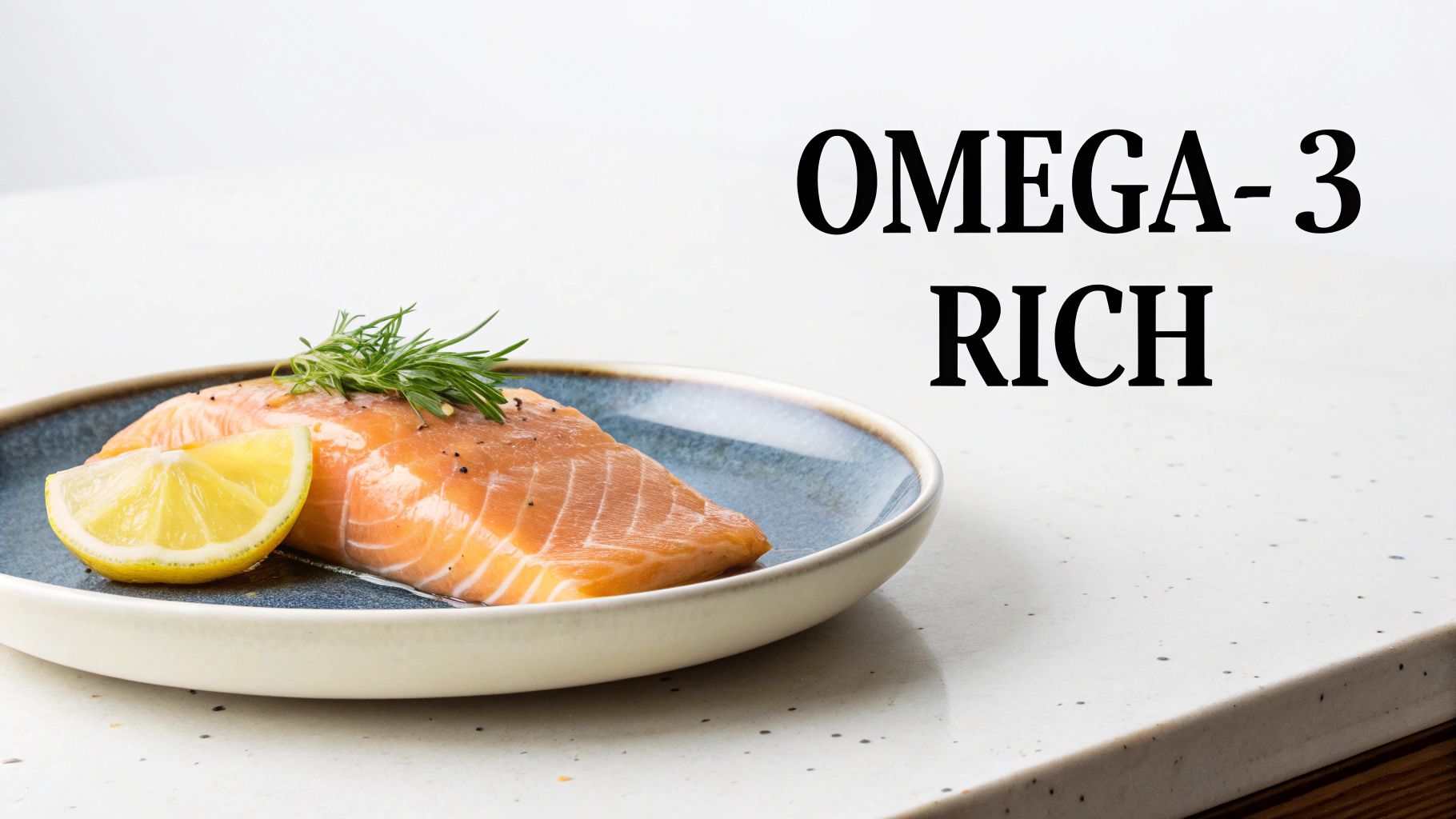
This makes them exceptionally effective for managing systemic inflammation, which is beneficial for everything from joint health to cardiovascular function. The anti-inflammatory power of fatty fish is one of the key reasons the Mediterranean Diet is so highly regarded for long-term health and wellness.
Why It Works for Inflammation
The EPA and DHA in fatty fish are directly converted into specialized pro-resolving mediators (SPMs) like resolvins and protectins. These molecules actively help resolve inflammation in the body, essentially "turning off" the inflammatory response once it's no longer needed. This process helps prevent acute inflammation from becoming chronic, a critical factor for overall health and athletic recovery.
Key Insight: Unlike plant-based omega-3s, the EPA and DHA in fatty fish are in their most bioavailable form, allowing your body to use them immediately to combat and resolve inflammation.
Practical Tips for Implementation
- Choose Wisely: Opt for wild-caught salmon, Atlantic mackerel, or sardines packed in olive oil or water to maximize omega-3 content and minimize contaminants.
- Optimal Serving Size: Aim for two to three servings (about 3-4 ounces each) per week to meet the recommended intake for significant anti-inflammatory benefits.
- Smart Pairing: Enjoy fatty fish alongside antioxidant-rich leafy greens like spinach or kale. The combination creates a powerful synergistic effect that further reduces oxidative stress and inflammation.
- Convenient Protein: Keep tinned sardines or salmon on hand for a quick, no-cook protein source. It’s a great shelf-stable alternative to have on days you don't have a crunchy snack like Gym Snack's puffs available.
3. Leafy Greens (Spinach, Kale, Arugula)
Leafy greens like spinach, kale, and arugula are foundational inflammation reducing foods. These low-calorie powerhouses are packed with antioxidants, vitamins like K and C, and powerful anti-inflammatory flavonoids such as kaempferol and quercetin. These compounds work by inhibiting the production of pro-inflammatory cytokines, directly intervening in the body's inflammatory pathways.
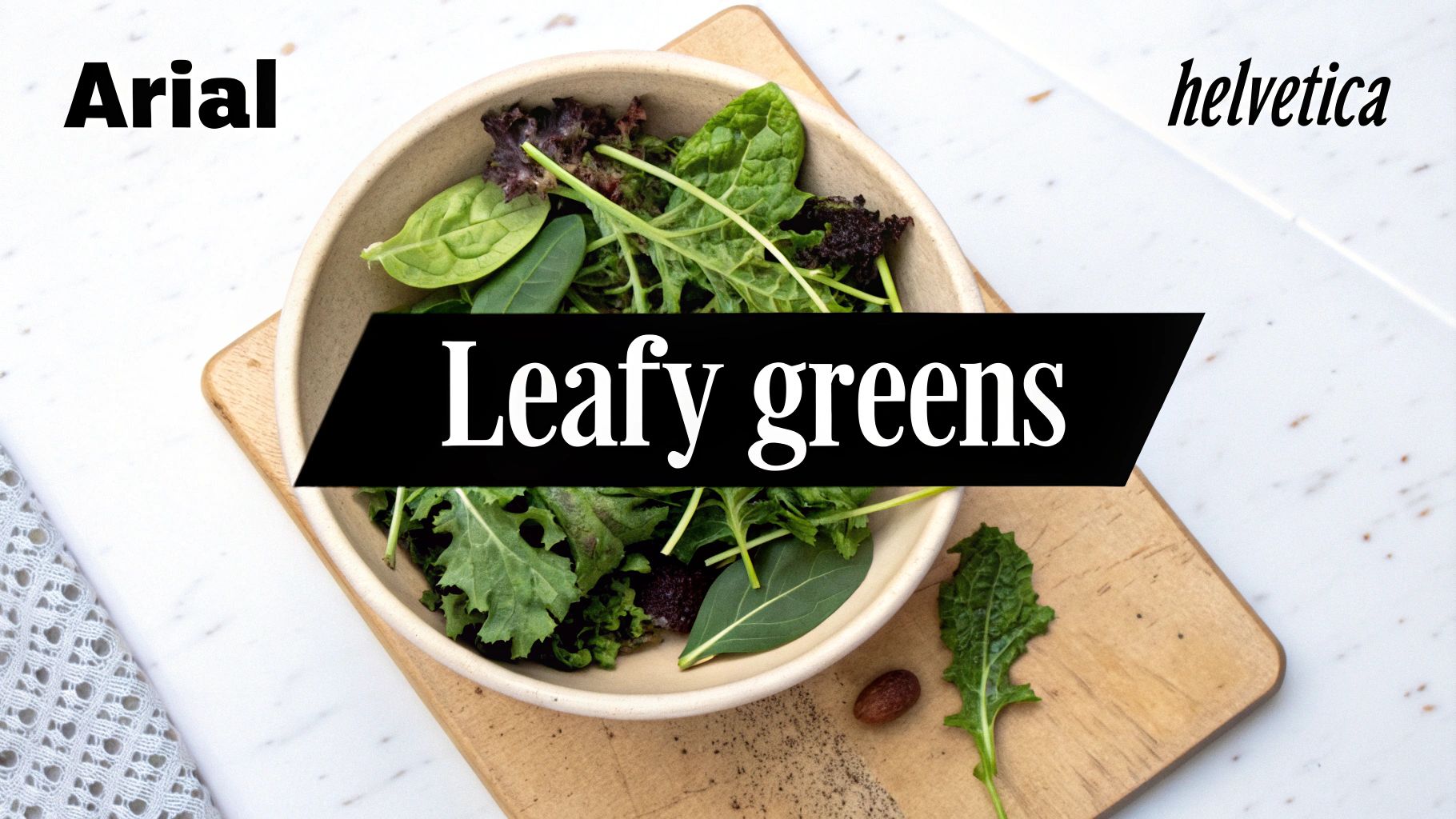
Furthermore, the high fiber content in greens such as collards and Swiss chard acts as a prebiotic, nourishing beneficial gut bacteria. A healthy gut microbiome strengthens the intestinal barrier, which helps prevent systemic inflammation often triggered by gut-related issues. This dual action of providing direct antioxidants and supporting gut health makes leafy greens uniquely effective.
Why It Works for Inflammation
Leafy greens combat inflammation on multiple fronts. Their rich supply of polyphenol antioxidants neutralizes free radicals that cause cellular damage, while their high fiber content promotes a healthy gut environment. This helps lower systemic inflammation linked to weight management and metabolic health, making them essential for a proactive anti-inflammatory diet.
Key Insight: Consuming leafy greens daily provides both direct antioxidant protection and indirect gut-supportive benefits, creating a powerful, cumulative effect against chronic inflammation.
Practical Tips for Implementation
- Daily Dose: Aim for at least 2-3 cups of leafy greens daily. Use them as a base for salads, wilt them into soups, or blend them into smoothies.
- Enhance Absorption: Lightly steaming or sautéing greens in a healthy fat like olive oil makes fat-soluble vitamins (like vitamin K) more bioavailable. Pairing them with avocado or nuts also boosts polyphenol absorption.
- Smart Pairing: For a complete anti-inflammatory meal, build a large salad with a mix of arugula and spinach, topped with an olive oil vinaigrette, a lean protein source, and a handful of Gym Snack's protein puffs for a satisfying crunch.
- Convenience is Key: Don't overlook frozen options. Frozen spinach and kale are just as nutritious as fresh, offer a longer shelf life, and are perfect for adding to cooked dishes or smoothies.
4. Berries (Blueberries, Strawberries, Raspberries)
Berries are one of nature’s most potent sources of inflammation reducing foods. Rich in powerful antioxidants called anthocyanins, these compounds give berries their vibrant colors and directly combat oxidative stress. They work by helping to suppress inflammatory pathways in the body, making them a cornerstone of any anti-inflammatory diet.
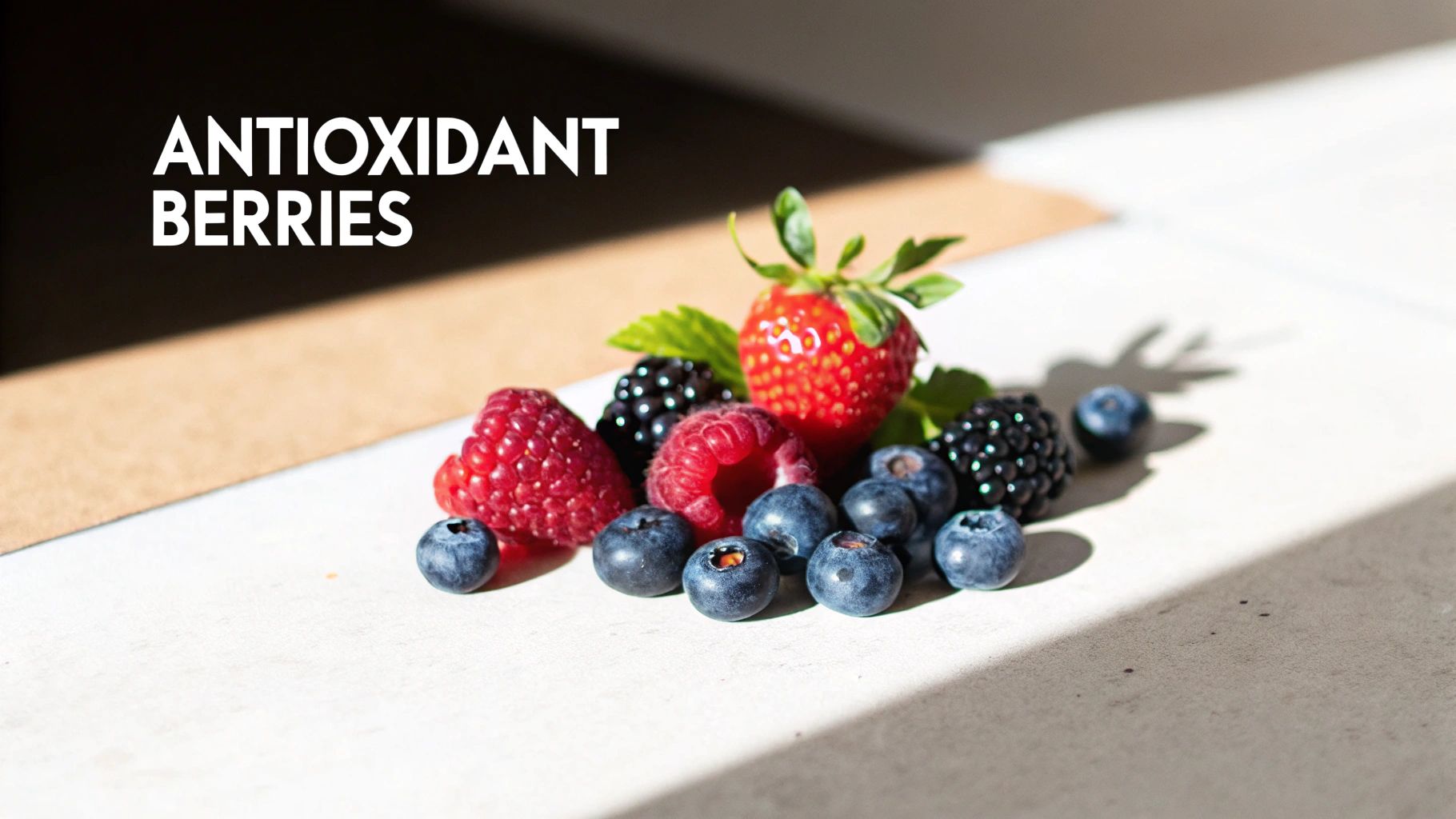
Their high fiber content also plays a crucial role by supporting a healthy gut microbiome, which is foundational for managing systemic inflammation. Furthermore, berries have a low glycemic impact, preventing the blood sugar spikes that can trigger an inflammatory response, making them ideal for those focused on weight management.
Why It Works for Inflammation
Berries help reduce inflammation primarily through their concentration of polyphenols like anthocyanins and ellagic acid. These compounds inhibit the activity of NF-κB, a key protein that controls the genes responsible for inflammation. This cellular-level action helps lower markers of inflammation, such as C-reactive protein (CRP), making berries a true powerhouse for both acute and chronic conditions.
Key Insight: The combination of high-fiber and low-sugar content in berries supports stable blood glucose and a healthy gut, creating a powerful dual-action effect against inflammation.
Practical Tips for Implementation
- Go for Density: Prioritize wild blueberries and blackberries when possible, as they contain the highest concentration of anti-inflammatory anthocyanins.
- Optimal Serving Size: Aim for 1-2 cups of mixed berries daily. Both fresh and frozen options are excellent, as freezing preserves their nutrient profile. If you're interested in the journey from garden to plate, you can learn more about growing your own blueberries.
- Smart Pairing: Combine berries with a high-protein snack, like Gym Snack's savory puffs, to stabilize blood sugar, enhance satiety, and support muscle recovery post-workout.
- Timing for Athletes: Consume berries within 15-30 minutes after a workout. Their carbohydrates help replenish glycogen stores while their antioxidants work to mitigate exercise-induced inflammation.
5. Extra Virgin Olive Oil
Extra Virgin Olive Oil (EVOO) is a cornerstone fat source in diets designed to combat inflammation. Its power comes not just from its heart-healthy monounsaturated fats but from a potent polyphenol called oleocanthal. This unique compound has been shown to exhibit ibuprofen-like anti-inflammatory effects, directly inhibiting the same COX-1 and COX-2 enzymes that over-the-counter pain relievers target.
As the foundational fat of the Mediterranean diet, EVOO helps improve lipid profiles and supports gut health. Its bioactive compounds strengthen the intestinal barrier, which can reduce the leakage of inflammatory substances into the bloodstream, making it one of the most effective inflammation reducing foods available.
Why It Works for Inflammation
EVOO’s primary mechanism is the action of oleocanthal, which directly interrupts inflammatory pathways. Additionally, its high concentration of monounsaturated fatty acids, particularly oleic acid, helps rebalance the body's fatty acid profile, shifting it away from a pro-inflammatory state often caused by an excess of omega-6 fats. This dual action makes it uniquely effective.
Key Insight: The peppery, slightly bitter finish of a high-quality EVOO is a direct indicator of its oleocanthal content. Embracing this flavor means you're getting a higher dose of its anti-inflammatory power.
Practical Tips for Implementation
- Choose Wisely: Look for high-polyphenol EVOO, often labeled as "early harvest" or with a polyphenol count above 250 mg/kg. Check for a harvest date to ensure freshness.
- Optimal Serving Size: Aim for 1-2 tablespoons per day. Use it as a finishing oil on salads, steamed vegetables, or soups to preserve its delicate compounds.
- Smart Pairing: Create a powerful anti-inflammatory dressing by whisking high-quality EVOO with apple cider vinegar and a pinch of black pepper. Drizzle this over a salad containing leafy greens and lean protein.
- Proper Storage: Protect your EVOO from its enemies: heat, light, and air. Store it in a cool, dark place in a dark-colored glass bottle to maintain its polyphenol potency.
6. Cruciferous Vegetables (Broccoli, Cauliflower, Brussels Sprouts)
Cruciferous vegetables like broccoli, cauliflower, and Brussels sprouts are renowned inflammation reducing foods. Their power comes from unique bioactive compounds, particularly sulforaphane and indole-3-carbinol (I3C). These molecules activate the body’s internal antioxidant and detoxification pathways, such as the Nrf2 pathway, which helps protect cells from inflammatory damage.
These vegetables also contain glucosinolates, which directly suppress pro-inflammatory signaling pathways like NF-κB. By modulating these critical systems, cruciferous vegetables offer a multi-faceted approach to reducing chronic inflammation, supporting cellular health, and promoting a balanced immune response.
Why It Works for Inflammation
The anti-inflammatory effects of cruciferous vegetables are primarily driven by sulforaphane. This potent compound is formed when the vegetables are chopped or chewed, and it triggers a powerful antioxidant response that can neutralize inflammatory triggers. Additionally, I3C supports healthy hormone metabolism and gut health, both of which are crucial for managing systemic inflammation and maintaining overall wellness.
Key Insight: Cruciferous vegetables don't just provide nutrients; they activate your body's own defense systems to actively combat inflammation at a cellular level.
Practical Tips for Implementation
- Activate Compounds: To maximize sulforaphane production, chop or chew these vegetables thoroughly. Lightly steaming for 3-4 minutes or enjoying them raw is ideal.
- Optimal Serving Size: Aim for at least 1-2 cups several times a week. Consistency is key to reaping the cumulative anti-inflammatory benefits.
- Smart Pairing: Enhance nutrient absorption by pairing cruciferous vegetables with a healthy fat. A great option is a kale salad with an olive oil vinaigrette, topped with Gym Snack's protein puffs for a satisfying crunch.
- Boost Palatability: Roasting Brussels sprouts or cauliflower with a little olive oil and spices can significantly improve their flavor, making them an easy and delicious addition to any meal.
7. Nuts and Seeds (Almonds, Walnuts, Flax, Hemp)
Nuts and seeds are nutrient-dense powerhouses packed with anti-inflammatory compounds. Rich in healthy fats, fiber, and polyphenols, they serve as excellent inflammation reducing foods. Walnuts are particularly notable for their plant-based omega-3 fatty acids (ALA), while almonds provide significant amounts of the antioxidant vitamin E and magnesium, a mineral crucial for regulating inflammatory markers.
This food group supports overall health by offering a diverse array of benefits. Hemp and chia seeds provide a complete protein profile and an optimal ratio of omega-6 to omega-3 fatty acids, directly combating the cellular processes that lead to chronic inflammation. Flax seeds add another layer of defense with their high concentration of lignans, which have potent antioxidant properties.
Why It Works for Inflammation
The anti-inflammatory effects of nuts and seeds are multi-faceted. Their combination of monounsaturated and polyunsaturated fats, including alpha-linolenic acid (ALA), helps down-regulate inflammatory pathways. The high fiber content also feeds beneficial gut bacteria, which in turn produce short-chain fatty acids that reduce systemic inflammation. This makes them a key component of diets like the Mediterranean and MIND diets, which are celebrated for their inflammation-lowering benefits.
Key Insight: A small daily serving of mixed nuts and seeds provides a synergistic blend of healthy fats, fiber, and micronutrients like magnesium and vitamin E, which work together to reduce key inflammatory markers.
Practical Tips for Implementation
- Mindful Portions: Aim for a daily serving of 1-2 ounces, which is about one handful. This provides benefits without excessive calories.
- Choose Wisely: Opt for raw or dry-roasted varieties to avoid the pro-inflammatory oils and high sodium found in many commercial roasted nuts.
- Smart Pairing: Top a bowl of Greek yogurt with walnuts and flax seeds, or sprinkle pumpkin seeds over a savory snack like Gym Snack's Sea Salt & Vinegar Puffs for a balanced, anti-inflammatory mini-meal.
- Boost Bioavailability: Soaking nuts like almonds overnight before eating can help reduce phytic acid, making their valuable minerals easier for your body to absorb.
8. Legumes (Lentils, Chickpeas, Black Beans)
Legumes like lentils, chickpeas, and black beans are plant-based powerhouses and some of the best inflammation reducing foods available. Rich in fiber, protein, and polyphenols, they support a healthy gut microbiome by feeding beneficial bacteria. These bacteria produce butyrate, a short-chain fatty acid that directly reduces intestinal inflammation and strengthens the gut barrier.
Their low glycemic index provides sustained energy without the inflammatory glucose spikes associated with refined carbohydrates. This makes them exceptional for blood sugar control and weight management, both key factors in mitigating systemic inflammation. Legumes offer a nutrient-dense foundation for an anti-inflammatory diet.
Why It Works for Inflammation
Legumes combat inflammation by providing a unique combination of prebiotic fiber and resistant starch. This combination promotes the growth of butyrate-producing gut bacteria, which directly fuels colon cells and lowers inflammatory markers. Their high content of antioxidant polyphenols, particularly in darker varieties like black beans, further neutralizes oxidative stress that can trigger inflammatory responses.
Key Insight: The fiber in legumes does more than aid digestion; it actively feeds your gut microbiome to produce anti-inflammatory compounds like butyrate, making them a cornerstone for gut health and systemic wellness.
Practical Tips for Implementation
- Optimal Serving Size: Aim for 1-2 cups of cooked legumes at least 2-3 times per week to reap their anti-inflammatory benefits.
- Improve Digestibility: Soak dried beans overnight and rinse canned versions thoroughly to reduce compounds like phytic acid and FODMAPs that can cause digestive discomfort.
- Start Slowly: If you're new to legumes, begin with smaller portions (¼ cup) and gradually increase your intake to allow your digestive system to adapt.
- Smart Pairing: Combine a serving of black bean salad with a high-protein snack like Gym Snack's Cheddar Cheeze Puffs for a complete, macro-balanced meal that boosts satiety and provides sustained energy.
- Add Digestive Spices: Incorporate spices like ginger, cumin, or fennel when cooking legumes to enhance their flavor and improve tolerability.
9. Spices (Turmeric, Ginger, Cinnamon, Black Pepper)
Spices are some of the most concentrated sources of anti-inflammatory compounds available, acting as culinary medicine to combat inflammation. Turmeric contains curcumin, a powerful polyphenol that blocks inflammatory pathways at a molecular level. Gingerols in ginger provide similar effects to nonsteroidal anti-inflammatory drugs, while cinnamon helps improve insulin sensitivity, a key factor in managing metabolic inflammation.
These potent inflammation reducing foods work synergistically. For example, piperine from black pepper dramatically increases the absorption of curcumin from turmeric. This makes a simple spice blend more effective than any single ingredient on its own, offering a potent, natural way to manage inflammatory responses throughout the body.
Why It Works for Inflammation
The bioactive compounds in spices like turmeric, ginger, and cayenne directly target inflammatory mediators. Curcumin in turmeric can inhibit NF-κB, a molecule that turns on genes related to inflammation. Gingerols and shogaols in ginger reduce the production of pro-inflammatory cytokines, while capsaicin in cayenne pepper helps deplete substance P, a neurotransmitter involved in pain and inflammation.
Key Insight: Using a variety of spices in your daily cooking provides a broad spectrum of anti-inflammatory compounds, creating a synergistic effect that is more powerful than using just one spice alone.
Practical Tips for Implementation
- Activate Turmeric: Always pair turmeric with a pinch of freshly ground black pepper and a source of healthy fat (like olive oil or avocado) to boost curcumin absorption by up to 2,000%.
- Optimal Serving Size: Aim for at least 1 teaspoon (about 2-3 grams) of dried spice like turmeric or ginger daily. For fresh ginger, a 1-inch piece is a great target.
- Smart Pairing: Enhance a simple meal by tossing roasted vegetables with a blend of turmeric, black pepper, and garlic powder. For a savory snack, season Gym Snack's protein puffs with your own anti-inflammatory blend of smoked paprika and cayenne.
- Create a Golden Paste: Make a "golden milk" paste by gently heating turmeric, black pepper, a little ginger, and coconut oil with water. Store it in the fridge and add a spoonful to warm non-dairy milk for a soothing beverage.
10. Whole Grains (Oats, Barley, Quinoa)
Whole grains are a cornerstone of a diet rich in inflammation reducing foods. Unlike refined grains, which are stripped of their nutrient-dense layers, whole grains like oats, barley, and quinoa retain their fiber-rich bran and germ. This preserves critical compounds like beta-glucans, resistant starch, and polyphenols that are essential for a healthy gut microbiome and stable blood sugar levels.
These grains provide a slow, sustained release of energy, preventing the sharp glucose spikes associated with refined carbs that can trigger inflammatory responses. By supporting a healthy gut lining and providing fuel for beneficial bacteria, whole grains help lower systemic inflammation and enhance overall metabolic health, making them a smart carbohydrate choice.
Why It Works for Inflammation
Whole grains combat inflammation by feeding the beneficial bacteria in your gut. These microbes ferment the fibers (like beta-glucans in oats) to produce short-chain fatty acids, particularly butyrate. Butyrate is a powerful anti-inflammatory compound that strengthens the intestinal barrier, preventing inflammatory substances from entering the bloodstream. This process also supports GLP-1 signaling, which aids in blood sugar control and satiety.
Key Insight: Choosing intact whole grains over refined carbohydrates directly nourishes anti-inflammatory gut bacteria and helps maintain a strong gut barrier, tackling inflammation at its source.
Practical Tips for Implementation
- Read the Label: Always look for the word "whole" as the first ingredient (e.g., "whole wheat flour" or "whole grain oats") to ensure you're getting the full benefits.
- Optimal Serving Size: Aim for about 1/2 cup cooked grains per meal, totaling 1-2 servings daily, to get a sufficient dose of anti-inflammatory fiber.
- Smart Pairing: Combine a serving of quinoa or barley with a protein-forward snack like Gym Snack's Sea Salt & Vinegar Puffs. This pairing provides balanced macronutrients, blunts the glycemic response, and keeps you feeling full longer.
- Rotate Your Grains: Incorporate a variety of grains like farro, spelt, and brown rice throughout the week. Each type offers a unique profile of fibers and polyphenols to diversify your gut microbiome.
Top 10 Anti-Inflammatory Foods Comparison
| Item | Prep complexity 🔄 | Resources & storage 🔄 | Expected outcomes 📊⭐ | Ideal use cases 💡 | Key advantages ⚡ |
|---|---|---|---|---|---|
| Pea Protein | Low — powder/snack-ready, minimal prep | Low cost; shelf-stable; no refrigeration | ⭐⭐⭐ — supports muscle recovery, satiety, reduces inflammation via arginine/GLP‑1 | Post-workout shakes, plant-based snacks, satiety-focused meals | Hypoallergenic, sustainable, high satiety ⚡ |
| Fatty Fish (Omega‑3 Rich) | Moderate — cook fresh or use canned | Higher cost; refrigeration for fresh; canned shelf-stable | ⭐⭐⭐⭐ — EPA/DHA lower cytokines, improve cardio & brain health | 2–3 servings/week for anti-inflammatory and cognitive support | Direct omega‑3 action, high bioavailability ⚡ |
| Leafy Greens (Spinach, Kale, Arugula) | Low — wash or quick cook; some prep time | Very low cost; short fresh shelf life; frozen convenient | ⭐⭐⭐ — antioxidants, fiber support microbiome & intestinal barrier | Daily salads, smoothies, low-calorie anti-inflammatory base | Nutrient-dense, low-calorie, versatile ⚡ |
| Berries (Blue, Straw, Rasp) | Very low — ready-to-eat; frozen options | Moderate cost; fresh short shelf life; frozen preserves nutrients | ⭐⭐⭐⭐ — anthocyanins inhibit NF‑κB, support vascular & brain health | Snacks, post-workout smoothies, antioxidant boost | High antioxidant density, low glycemic impact ⚡ |
| Extra Virgin Olive Oil | Very low — use raw or low-heat finishing | Moderate cost; store cool/dark; limited shelf life after opening | ⭐⭐⭐⭐ — oleocanthal & polyphenols inhibit COX/NF‑κB; improves lipids | Dressings, finishing oil, Mediterranean-style meals | NSAID-like effects, synergizes with vegetables ⚡ |
| Cruciferous Vegetables | Low–Moderate — chop, light cook or ferment | Low cost; fresh short shelf life; fermented/canned options | ⭐⭐⭐⭐ — sulforaphane activates Nrf2, strong antioxidant & detox response | Regular weekly servings; roasted, steamed, fermented | Activates detox enzymes, supports microbiome ⚡ |
| Nuts & Seeds (Almonds, Walnuts, Flax) | Very low — ready-to-eat; can make butters | Moderate cost; shelf-stable if cool; calorie-dense | ⭐⭐⭐ — polyphenols, ALA, magnesium support reduced inflammation | Snacking, toppings, portable energy & satiety | Micronutrient-dense, long shelf life, satiety ⚡ |
| Legumes (Lentils, Chickpeas, Beans) | Moderate — soak/cook or use canned | Low cost; shelf-stable dried/canned; longer prep time | ⭐⭐⭐ — resistant starch → butyrate production; improves insulin sensitivity | Meals for blood sugar control, gut health, affordable protein | High satiety, microbiome fermentation, cost-effective ⚡ |
| Spices (Turmeric, Ginger, Cinnamon) | Very low — add to recipes; pair with fat/piperine for absorption | Low cost; shelf-stable; potency varies with age | ⭐⭐⭐⭐ — concentrated polyphenols inhibit NF‑κB/COX; neuroprotective effects | Flavor enhancers, therapeutic additions (golden milk, rubs) | High potency per calorie, inexpensive, synergistic ⚡ |
| Whole Grains (Oats, Barley, Quinoa) | Low–Moderate — cook/soak; quick options like oats | Low cost; shelf-stable; varied prep needs | ⭐⭐⭐ — beta‑glucans & resistant starch feed butyrate producers, stabilize glucose | Breakfasts, sides, sustained energy paired with protein | Sustained energy, prebiotic fiber, affordable ⚡ |
Building Your Anti-Inflammatory Toolkit: Putting Knowledge into Action
Navigating the world of nutrition can feel overwhelming, but managing chronic inflammation doesn't require a radical overhaul of your entire life. As we've explored, the path to a less inflamed state is paved with strategic, consistent additions to your plate, not with restrictive, all-or-nothing diets. The power lies in understanding that certain foods act as powerful tools, equipping your body with the antioxidants, phytonutrients, and healthy fats needed to regulate its inflammatory response effectively.
This journey is about building a sustainable framework for long-term health. The list of inflammation reducing foods we've detailed, from the omega-3s in fatty fish to the polyphenols in berries and the potent compounds in spices like turmeric, represents a synergistic arsenal against cellular stress. Each food group plays a unique role, but their collective impact is where the true benefit lies.
From Knowledge to Habit: Your Actionable Next Steps
The key to lasting change is to move from simply knowing to actively doing. Instead of trying to incorporate all ten food groups at once, focus on small, manageable integrations that fit your lifestyle.
- Start with One Meal: Dedicate your breakfast to an anti-inflammatory kickstart. Blend spinach and berries into a smoothie, top your oatmeal with walnuts and cinnamon, or add a side of arugula to your eggs.
- Upgrade Your Snacks: Snacking is a major opportunity for change. Swap out processed, pro-inflammatory options for a handful of almonds, a cup of Greek yogurt with blueberries, or a convenient, protein-rich option like Gym Snack that aligns with your health goals.
- Embrace the "Color Code": Aim to have at least two or three different colors on your plate at lunch and dinner. This simple visual cue naturally encourages the inclusion of leafy greens, cruciferous vegetables, and colorful berries or spices.
- Focus on Smart Swaps: Make simple, high-impact substitutions. Use extra virgin olive oil for your dressings instead of vegetable oils. Choose whole grains like quinoa or barley over refined white pasta. Opt for lentils or chickpeas as your protein source a few times a week.
The Broader Impact: More Than Just Inflammation
Mastering this approach extends far beyond simply quieting inflammation. For fitness enthusiasts, it means faster recovery, reduced muscle soreness, and more efficient energy utilization. For individuals on a weight management journey, including those using GLP-1 medications, these nutrient-dense, fiber-rich foods enhance satiety, stabilize blood sugar, and support a healthy metabolism, making it easier to achieve and maintain your goals.
Ultimately, building an anti-inflammatory diet is an act of profound self-care. It's about providing your body with the foundational support it needs to not just function, but to thrive. You are equipping yourself with resilience against the daily stressors that contribute to chronic disease, creating a stronger, more vibrant version of you. Your journey toward a healthier, more energized life truly begins with the very next bite you take.
Ready to make your snacking work for you? Power your recovery and fight inflammation with the clean, plant-based protein in Gym Snack. Find your favorite flavor and upgrade your on-the-go nutrition at Gym Snack today.