

You grab a protein bar on the way out the door because it seems like the disciplined choice. It says high protein. It fits in your gym bag. It looks cleaner than a pastry or a drive-thru breakfast.
Then an hour later, your stomach feels tight, your energy feels flat, and the bar that was supposed to help your training feels like a setback.
A lot of people assume the problem is protein itself. Usually it is not. More often, it is the type of protein, the sweeteners, the binders, or the way the bar is built. That is why more athletes, busy professionals, and people managing appetite are looking for protein bars without whey protein.
Whey-free does not automatically mean better. But it does open the door to bars that are easier on digestion, more allergy-conscious, and often more interesting than the usual dessert-style options. It also forces you to look past the front label and ask a smarter question: How useful is this bar for my body and my goal?
Why Your Protein Bar Might Be Working Against You
You finish lifting, eat a standard whey bar in the locker room, and tell yourself you checked the recovery box. By the time you get home, you feel bloated and oddly hungry again. That pattern is common enough that many gym-goers stop trusting bars altogether.
For some people, whey is the issue. For others, whey is only part of the problem. A bar can also be overloaded with syrups, gums, fibers that do not sit well, or sweeteners that leave your gut feeling worse than before.
A useful starting point is to separate “high protein” from “highly usable.” Those are not always the same thing.
When whey feels bad, it is not in your head
Allergen-free bar brands point to a practical reason many people look elsewhere. About 15-20% of gym-goers experience GI distress from whey, and bars built around pea or seed proteins can be a better fit for those people, especially when they avoid sugar alcohols and use sweeteners like monk fruit or stevia instead (88 Acres).
That matters if you have ever blamed yourself for “having a weak stomach” after a snack that was marketed as fitness food.
Common complaints include:
- Bloating after training: Not ideal when you wanted something light and functional.
- A heavy, dense feeling: Some bars sit in the stomach like a brick.
- Gas or urgency: Often linked to lactose residues, sugar alcohols, or ingredient overload.
- Flavor burnout: Sweet chocolate-caramel bars stop being appealing fast when you eat them often.
Whey-free is not a downgrade
Many readers come in assuming whey-free means lower quality. That is outdated thinking. If you want a broader primer, this guide to no whey protein bars gives a solid overview of why people seek dairy-free options in the first place.
The better frame is this: a bar should match your digestion, your schedule, and your training use. Sometimes the healthiest protein bar for you is not the one with the loudest performance branding. It is the one you digest well, enjoy eating, and can use consistently.
A protein bar should solve a problem. If it creates digestive stress, cravings, or flavor fatigue, it is not doing its job.
Exploring the Plant and Animal Proteins Beyond Whey
Once you stop assuming whey is the default, the ingredient list makes more sense. You start seeing protein sources as tools. Each one brings its own amino acid pattern, texture, flavor, and digestion profile.
Plant proteins that show up most often
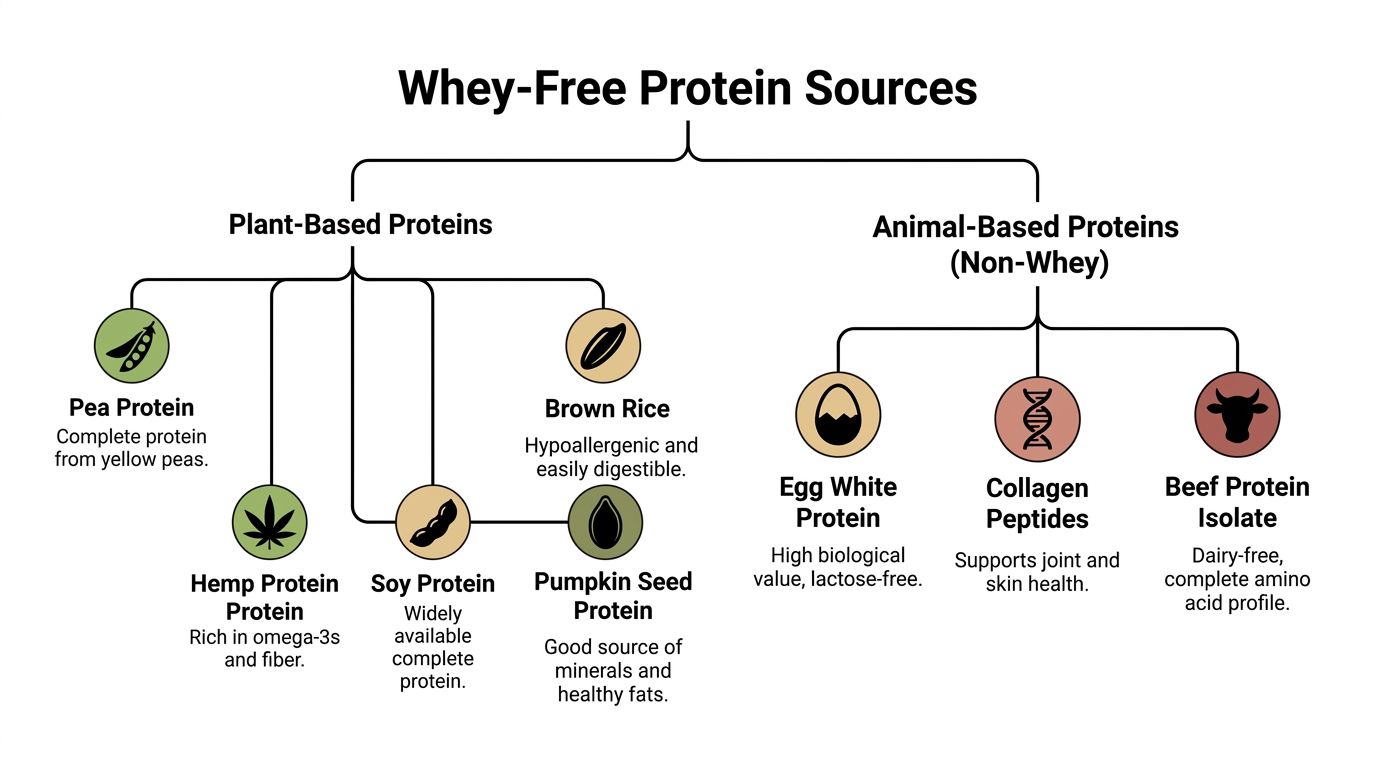
Pea protein is one of the most common foundations in protein bars without whey protein. It is popular for good reason. Plant-based proteins like pea protein have a complete amino acid profile, and pea protein isolates can reach 90-95% digestibility. They also help create crunchy textures, though they often cost 40-60% more than whey concentrate, which can affect shelf price (Garage Gym Reviews).
Pea protein can confuse people because “complete” does not mean “identical to whey.” It contains all essential amino acids, but it may require different formulation choices to create a finished bar that feels equally effective for performance-focused users.
Brown rice protein often appears in blends. On its own, it can taste a little earthy or dry. In a blend, it can round out texture and support a dairy-free formula that is easier for some people to tolerate.
Hemp protein tends to signal a more whole-food style product. It usually brings a nuttier taste and a more rustic texture. Some people love that. Others find it too grainy for a grab-and-go snack.
Soy protein remains common because it is widely available and functionally useful in processed foods. Some athletes do well with it. Others avoid it because of allergies, sensitivities, or personal preference.
Pumpkin seed protein and other seed-based proteins show up in allergen-conscious bars. They can add a savory, earthy profile that works better than dessert-style masking.
For a broader look at how these proteins compare with animal sources, this breakdown of plant-based protein vs animal protein is a helpful companion.
Non-whey animal proteins
Not every whey-free bar is vegan.
Egg white protein gives you an animal-based, lactose-free option. It is often easier to digest than dairy-based protein for people who react poorly to whey. It can also produce a different bite than plant proteins, usually less crumbly and less chalky when done well.
Collagen peptides show up in bars marketed toward wellness, recovery, beauty, or joint support. The key nuance is that collagen is not a direct stand-in for a complete muscle-focused protein source in the way many shoppers assume. If muscle repair is your main goal, look closely at what else is in the bar.
Beef protein isolate exists, though it is less common in mainstream bars. It offers a dairy-free animal-based option for people who want to avoid milk proteins but do not want a plant-based formula.
What each protein tends to do in a bar
Here is the practical view:
| Protein source | What it usually does well | What can be tricky |
|---|---|---|
| Pea protein | Crunchy texture, dairy-free formulation | Can taste earthy if not balanced |
| Brown rice protein | Works well in blends, often gentle | Can feel dry on its own |
| Hemp protein | Whole-food feel, strong flavor | Can be gritty |
| Soy protein | Functional and familiar | Not suitable for soy-free diets |
| Pumpkin seed protein | Allergen-conscious, savory-friendly | Stronger flavor profile |
| Egg white protein | Lactose-free, high-quality animal protein | Not vegan |
| Collagen peptides | Soft texture, wellness positioning | Not ideal as a stand-alone muscle protein |
| Beef protein isolate | Dairy-free animal option | Less common, flavor can vary |
Do not choose a protein source by ideology alone. Choose it by digestibility, ingredient context, and whether you will want to eat it more than once.
How to Read a Whey-Free Protein Bar Label
A whey-free label can create false confidence. People see “plant-based” or “dairy-free” and assume the product is automatically cleaner, easier to digest, or better for performance. Sometimes yes. Often, not necessarily.
Start with what your body can likely use
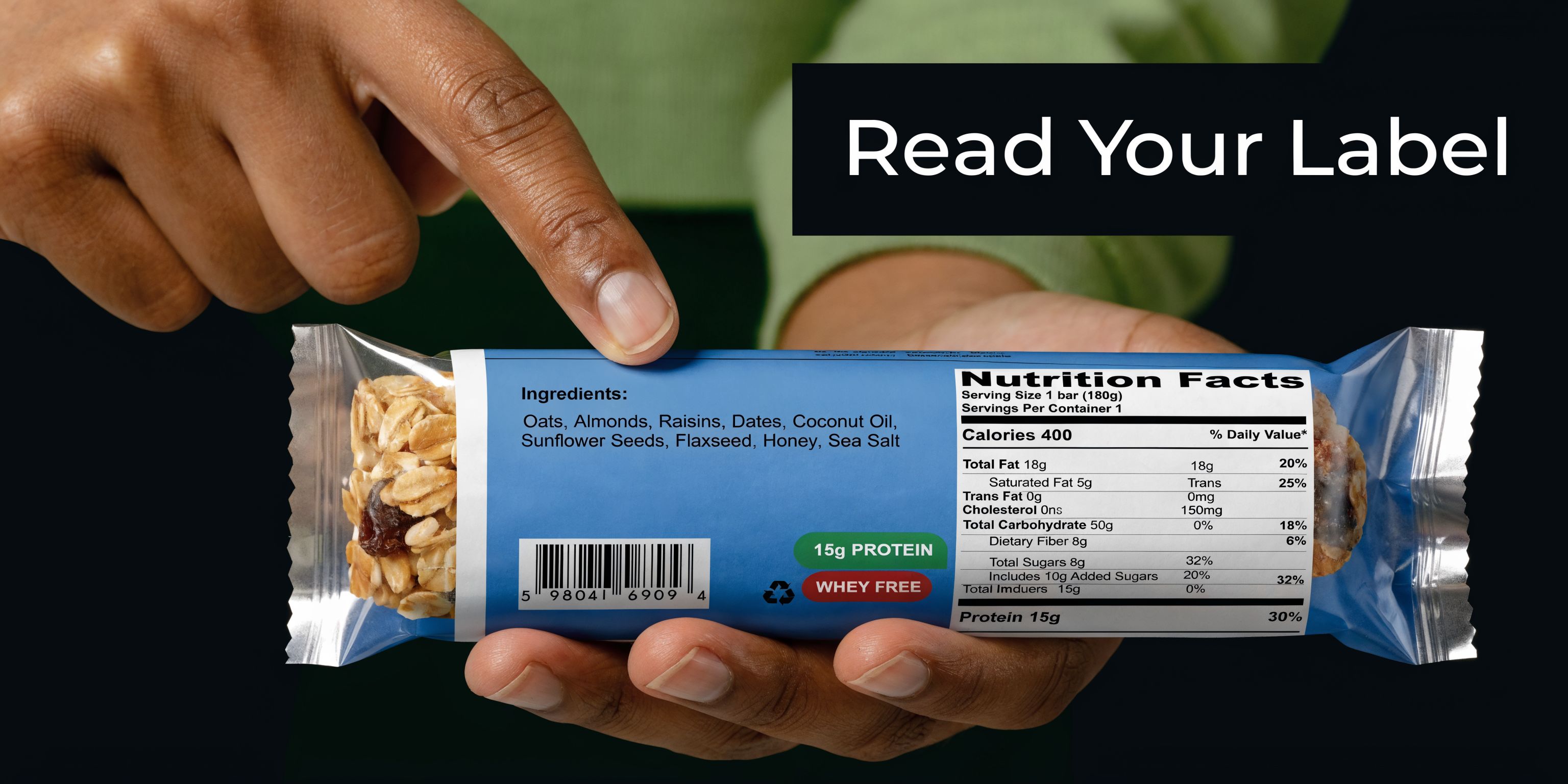
This is the biggest point most shoppers miss. A March 2025 study summarized by Fortune reported that protein digestibility in bars ranged from 86% down to 47%, which means a label can suggest more usable protein than your body may get. The same report noted that plant-based bars often showed lower protein quality when other ingredients reduced amino acid bioaccessibility (Fortune).
That does not mean plant-based bars are poor choices. It means formulation matters.
Read the front of the package, then turn it over and ask:
- What is the protein source? “Protein blend” tells you less than “pea protein isolate” or “egg white protein.”
- How early does the protein appear in the ingredient list? If syrups and binders dominate the first several ingredients, the bar may be more candy than fuel.
- What is helping hold this bar together? Dates, nuts, seeds, and nut butters read differently from a long string of gums and bulking agents.
If you want a deeper reference point for comparing labels, this guide to protein bar nutrition facts can help you spot what matters most.
Look for the full eating experience
A useful bar does more than deliver protein. It should also fit the job you need it to do.
A quick grocery-aisle checklist:
- Protein quality first: Name the source clearly. Vague blends deserve more scrutiny.
- Sweetener choice matters: Some people do fine with sugar alcohols. Others do not. If you regularly feel gassy or bloated, this is one of the first places to investigate.
- Fiber should help, not punish: Fiber can improve fullness, but a bar packed with isolated fibers can backfire if your gut is sensitive.
- Ingredient list length is a clue: Not every longer list is bad, but every extra ingredient should earn its place.
- Texture hints at formulation: Sticky, dense bars often rely on different systems than crispy or crunchy ones.
A simple label test in the store
Pick up two whey-free bars.
One says plant-based on the front, but the back shows a long list of sweeteners, syrups, isolates, gums, natural flavors, and coatings. The other names the protein source clearly and uses a shorter list built around foods you recognize.
The second bar is not automatically superior. But it gives you a cleaner starting point for judging whether the product is trying to nourish you or just simulate a candy bar with a protein halo.
Front-of-pack claims are marketing. The ingredient list is the product.
Matching Your Bar to Your Body and Fitness Goals
You finish a workout, reach into your bag, and pause. One bar sounds too sweet. Another has ingredients you know your stomach may fight with. A third looks convenient, but you are not sure it fits your goal. That small choice matters more than the marketing on the wrapper suggests.
A whey-free bar should match the job you need it to do. Recovery, appetite control, allergy management, and easy daily use are related goals, but they are not the same thing. A bar that works well for a powerlifter chasing convenience may be a poor fit for someone managing GLP-1 side effects or avoiding multiple allergens.

If you have allergies or a reactive gut
This group needs specificity.
Some whey-free bars remove dairy and stop there. Others are built with a tighter allergen profile and simpler formulas that are easier to predict. That difference matters if you react to soy, gluten cross-contact, certain fibers, or sweeteners that look harmless on the label but feel very different in your stomach.
A practical filter works better than chasing buzzwords:
- If dairy is the main issue: Start with pea, seed, or egg-white protein.
- If soy is also a problem: Skip bars built around soy isolate, soy crisps, or soy flour.
- If cross-contact matters: Check the allergen statement and manufacturing language, not just the front of the package.
- If your gut is sensitive: Be careful with bars loaded with sugar alcohols, chicory root, or multiple added fiber isolates.
The best option here often looks plain. Plain can be useful. Fewer moving parts usually make it easier to identify what helps and what causes problems.
If your main goal is appetite control or weight management
A good bar for appetite control should feel like food, not dessert in gym packaging.
That distinction becomes more important if you eat protein snacks often, struggle with cravings, or get tired of candy-style flavors. Sweet bars can fit some routines, but they are not always the best tool for fullness. Texture, digestibility, and how satisfied you feel an hour later matter just as much as the protein number.
GLP-1 users often notice this first. Appetite can shrink, sweetness tolerance can change, and rich bars with heavy coatings or polyols may become harder to finish. In that case, a smaller, simpler, less sweet option is often more practical than a bar designed to imitate a brownie.
A short video can help frame the broader nutrition mindset around satiety and food choices:
If you train hard and want consistency
Athletes and regular lifters often overfocus on one line of the label. Protein grams matter, but repeatability matters too.
Your bar has to work in real life. If it sits heavy before training, causes stomach trouble after training, or becomes so sweet that you stop wanting it by week three, it is not serving your routine well. A reliable bar works like a training partner who shows up the same way every time. Predictable, useful, and easy to keep around.
Use this matching system:
| Your goal | What to prioritize in a whey-free bar |
|---|---|
| Sensitive digestion | Simple ingredients, moderate fiber, cautious sweetener use |
| Food allergy management | Clear allergen labeling, lower cross-contact risk, protein source named clearly |
| Weight management | Protein plus fullness, moderate sweetness, satisfying texture |
| GLP-1 support | Smaller portions, lower sweetness, easy-to-tolerate ingredients |
| Daily convenience | Portable format, stable texture, flavor you will not burn out on |
| Training support | Solid protein source, easy digestion, consistent use across busy days |
The right bar is the one that fits your body, your schedule, and your appetite without creating a second problem you then have to solve.
Tired of Sweet? The Rise of Savory Protein Snacks
The whey-free category has a flavor problem. Too many products still act like a protein snack has to taste like a frosted dessert.
That works for some people, some of the time. It does not work well when you eat protein snacks regularly, do not want constant sweetness, or are trying to avoid the “healthy candy bar” trap.
Flavor fatigue is real
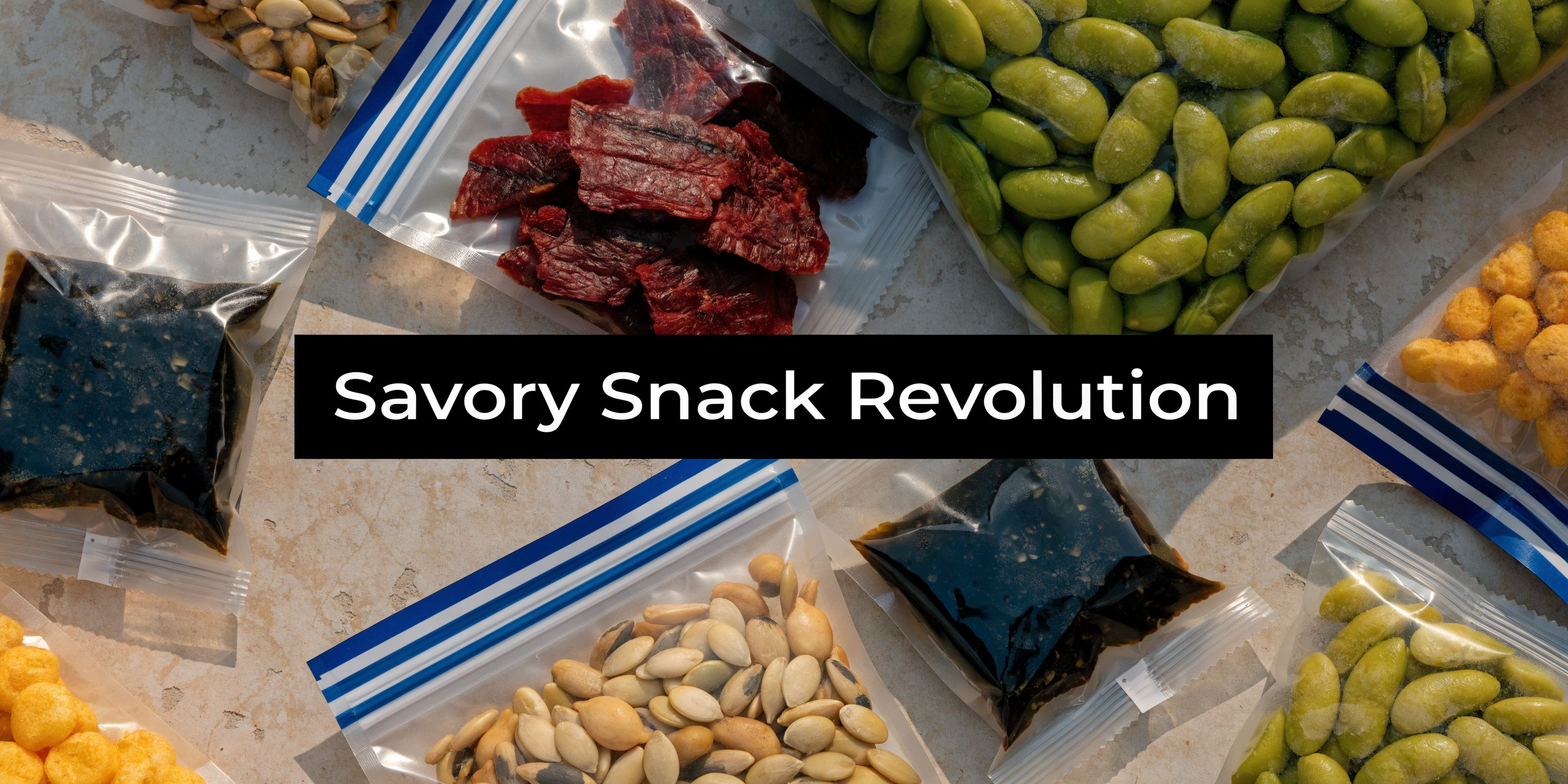
Healthline’s roundup of vegan protein bars highlights a major gap in the market: savory, non-dessert whey-free options remain underserved, while most products stay locked into sweet flavors like chocolate, caramel, and fruit-based profiles (Healthline).
If you have ever stood in front of a shelf and thought, “I do not want another brownie-cookie-dough-peanut-butter situation,” that gap is exactly what you are feeling.
Sweet protein products create a few practical problems:
- They blur the line between snack and treat: That can make appetite regulation harder for some people.
- They stop sounding appealing fast: Especially when you eat them daily.
- They do not satisfy savory cravings: So you end up eating something else anyway.
- They can feel too rich around training: Not everyone wants a dessert profile before or after a session.
Why savory makes sense for serious routines
Savory snacks fit real life better for many adults. They feel more like food and less like a compromise.
For fitness-focused eaters, savory whey-free options can offer:
- A more meal-like experience: Crunch, saltiness, and umami can feel grounding.
- Less sweetness overload: Helpful if your palate has changed or sweet foods now feel cloying.
- Better craving alignment: Plenty of people crave salty snacks far more often than brownies.
- An easier fit around GLP-1 use: Many users report that ultra-sweet products become less appealing than simple, savory foods.
This shift matters because protein adherence is not just nutrition science. It is food behavior. If your snack category only offers candy-like options, you will eventually opt out or reach for chips, crackers, or whatever sounds less exhausting.
Savory whey-free protein snacks answer a practical need the bar aisle has ignored for too long.
A protein snack should not have to pretend to be dessert to be enjoyable.
When to Use Whey-Free Bars and How to Make Your Own
A good bar is a tool. Use it at the wrong time, and even a strong formula feels disappointing. Use it in the right context, and it solves a real problem with almost no friction.
Good moments to use one
Before training, a whey-free bar can work when you need something portable and not too heavy. The best pre-workout options are usually the ones you already know sit well in your stomach. This is not the time to test an ultra-dense, high-sweetener bar.
After training, convenience matters. If you cannot get to a meal soon, a bar can close the gap. The main question is not whether the front says “recovery.” The critical question is whether the protein source is credible and whether you can eat it consistently after hard sessions.
Between meals, bars shine when meetings run long, classes stack up, or travel disrupts your normal pattern. For this use, satiety becomes more important than hype. Protein bars without whey protein often do well here when they pair protein with fiber and straightforward ingredients.
Why homemade bars can be a smart move
If you are frustrated by labels, make your own for a week. You will learn very quickly what matters.
A custom-formulated whey-free bar study provides a useful proof of concept. One experimental bar delivered 13.46 g/100g of fiber, which was a 264% increase over a commercial comparison, and 25.52 g/100g of protein, while using dates instead of refined sugars or artificial sweeteners (PMC).
The lesson is not that every homemade bar will beat every packaged one. It is that thoughtful formulation can produce whey-free snacks with excellent nutrition.
A simple DIY whey-free protein bite formula
Use this as a flexible template rather than a strict recipe.
- Choose your protein base Pea protein is the most straightforward option for a dairy-free, vegan bite.
- Add a binder Dates work well because they add sweetness and help hold the mixture together.
- Build body with whole foods Oats, seeds, or finely chopped nuts can improve texture.
- Add flavor with purpose Cocoa makes it dessert-like. Spices, herbs, or nutritional yeast can push it savory.
- Adjust texture slowly If too dry, add a little nut or seed butter. If too sticky, add more dry ingredients.
Here is one practical version:
- Pea protein powder
- Soft dates
- Pumpkin seeds or sunflower seeds
- Rolled oats
- A pinch of salt
- Optional savory additions: nutritional yeast, smoked paprika, garlic powder
- Optional sweet additions: cinnamon or cocoa
Pulse the ingredients in a food processor until the mix holds together. Roll into bites or press into a pan and chill. You control the sweetness, the texture, and the ingredient list.
Store-bought versus homemade
| Situation | Store-bought bar | DIY bar |
|---|---|---|
| Need grab-and-go speed | Best option | Less convenient |
| Want full ingredient control | Limited | Best option |
| Travel days | Very practical | Can be messy |
| Food sensitivities | Possible if you vet labels carefully | Easier to tailor |
| Flavor customization | Limited by market options | Wide open |
Homemade is not mandatory. It is just one way to stop outsourcing every decision to the packaging.
The Future of Fueling is Whey-Free and Flavorful
The old way of buying protein bars was simple. Count the protein grams, ignore the rest, and hope your stomach cooperates.
That approach no longer works for many people. More athletes and everyday snackers are paying attention to digestibility, allergen load, sweetener choice, ingredient clarity, and flavor fatigue. That is a healthier way to evaluate food.
Protein bars without whey protein deserve a place in that conversation, not as a niche backup plan, but as a serious category with real strengths. For some people, they solve dairy-related discomfort. For others, they offer cleaner ingredients, better daily compliance, or a less sugary way to hit protein goals.
The most useful shift is mental. Stop asking whether a bar is vegan, trendy, or gym-approved. Start asking whether it fits your body, your schedule, and your appetite.
That question leads to better choices:
- You read labels with more skepticism.
- You choose protein sources with intention.
- You notice how sweetness affects adherence.
- You make room for savory options when dessert-style products stop working.
If the future of sports nutrition looks different, that is a good thing. It means people are demanding protein snacks that feel more like food and less like candy with a fitness label.
If you are ready for a savory alternative to the usual dessert-style bar, Gym Snack offers plant-based, whey-free protein snacks built around clean pea protein, bold cheesy flavor, and satisfying crunch. It is a practical option for people who want protein support without dairy, without flavor fatigue, and without turning every snack into a sweet treat.