

If your salted caramel protein bar tastes like dessert, does it keep you full like a smart snack should?
That’s a gap many consumers miss. They look at the protein number, see words like “low sugar” or “gluten free,” and assume the job is done. But salted caramel protein bars sit in a tricky middle ground. They can be useful, convenient, and better than grabbing candy. They can also leave you underwhelmed on fullness, irritated in the gut, or stuck in a loop where a “healthy treat” keeps your sweet cravings switched on.
I get the appeal. Salted caramel is one of the easiest flavor wins in sports nutrition. It gives you sweetness, a little salt, and enough richness to make a protein snack feel rewarding instead of clinical. That matters when you’re trying to stay consistent with training, manage appetite, or avoid random vending machine choices.
Still, convenience and effectiveness aren’t the same thing. A good bar should do more than taste nice. It should support your goals, digest well, and fit the reason you’re eating it in the first place.
The Unstoppable Allure of Salted Caramel Protein Bars
The first question to ask isn’t “Do salted caramel protein bars have protein?” They do.
The better question is whether the health halo around them is bigger than their nutritional advantage.
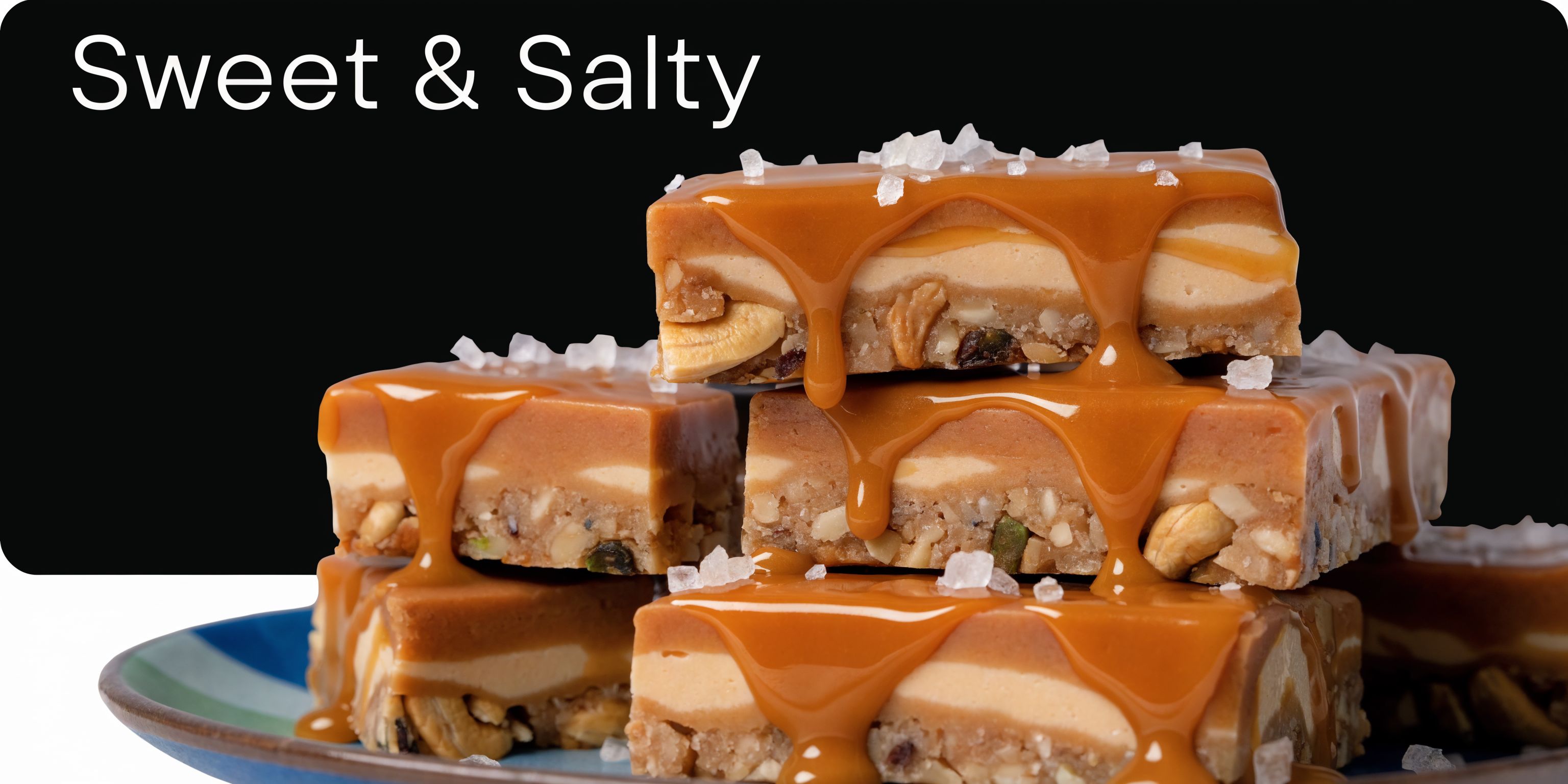
Many mainstream options fall into a moderate-protein range, not a meal-replacement range. Nature Valley’s Salted Caramel Nut Protein Chewy Bars provide 10g of protein in a 40g bar, and salted caramel protein bars often land around 10 to 13g per serving, which contributes about 15 to 20% of daily value according to the Nature Valley product page.
That’s not bad. It’s useful. But it’s also not magic.
Why this flavor works so well
Salted caramel is built for modern snack marketing because it does several things at once:
- Sweetness feels familiar. Caramel is widely associated with dessert and comfort.
- Salt sharpens the flavor. A little salt makes sweetness taste more intense and helps the bar feel less flat.
- Protein off-notes get covered up. Whey, soy, and some plant proteins can taste chalky, beany, or slightly bitter. Salted caramel helps hide that.
- The snack feels like a reward. That “I’m being good, but still getting a treat” feeling is powerful.
This is why the flavor keeps showing up across whey bars, nut bars, and snack bars. It solves a food science problem and a psychology problem at the same time.
Where readers often get confused
People often think a bar that tastes indulgent must be a clever nutritional upgrade over a cookie. Sometimes it is. Sometimes it’s just a slightly more fortified sweet snack.
A bar with 10g to 13g of protein can absolutely have a place in your day if you need convenience between meetings, before a commute, or after a workout when you can’t get to real food quickly. But if you expect that bar to act like a high-satiety meal, you may end up disappointed.
Practical rule: Don’t judge a protein bar by flavor branding. Judge it by what it helps you do. Recover, stay full, hit protein, or avoid a blood sugar roller coaster.
The appeal is real, but so are the trade-offs
Salted caramel protein bars became popular because they make compliance easier. People stick with nutrition habits that feel satisfying. A chewy, sweet, salty bar is easier to eat than plain jerky, dry roasted beans, or an unflavored shake.
That said, the same qualities that make these bars enjoyable can also make them less strategic for some people. If you’re trying to control appetite tightly, reduce sweet cravings, or avoid stomach issues, taste alone can’t be the deciding factor.
Here's a simple way to view it:
| What salted caramel bars do well | Where they can fall short |
|---|---|
| Convenient grab-and-go protein | Not always enough protein for a full feeding |
| Dessert-like taste | Sweet profile can keep cravings active |
| Easy to pack and store | Some formulas rely on additives for texture |
| Better than candy in many cases | May not be the most filling option for your goal |
Salted caramel protein bars aren’t a scam. They’re just often over-credited. They’re best seen as a tool, not as automatic “clean eating.”
Decoding The Label Store-Bought Vs Homemade
A protein bar label tells you more than the front of the wrapper ever will.
The front says “protein,” “low sugar,” and “snack.” The back tells you how the manufacturer made that happen.
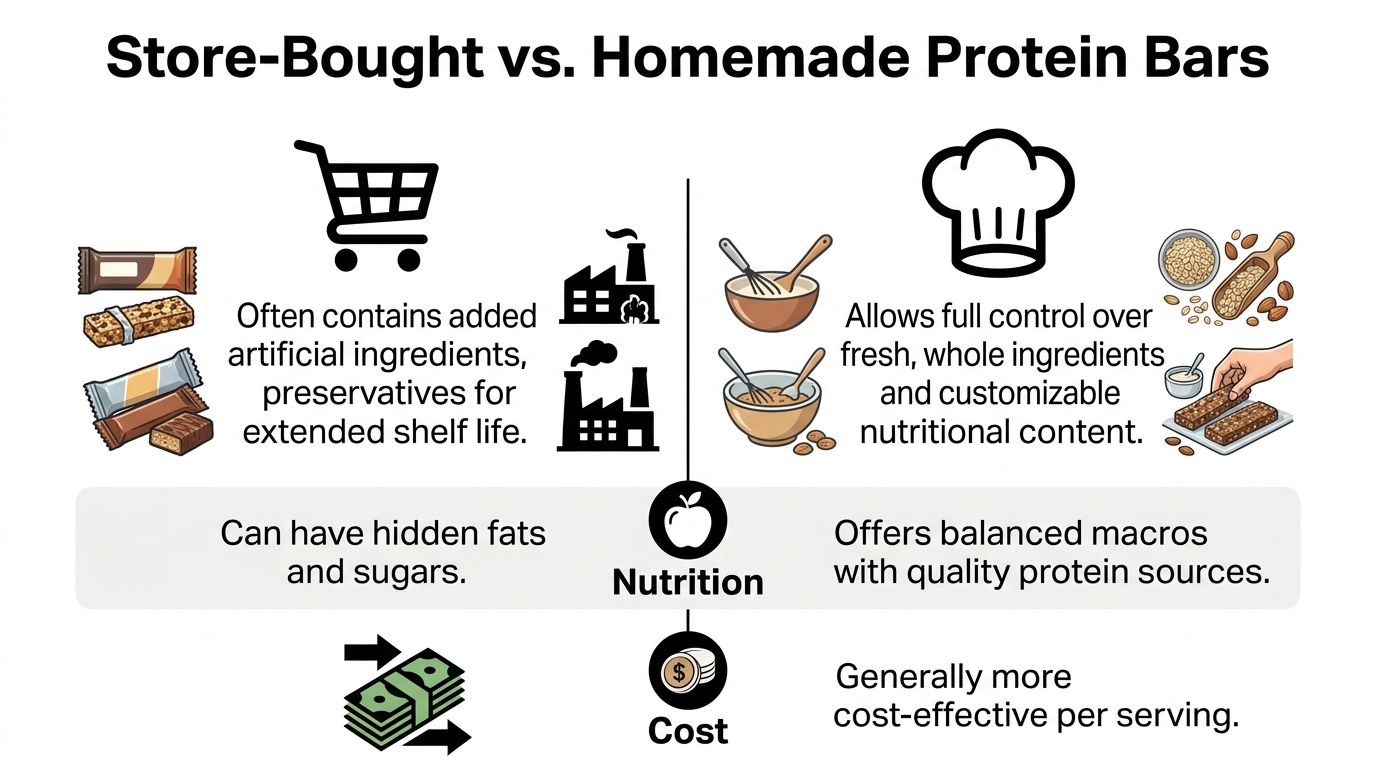
What a commercial bar is trying to achieve
A shelf-stable bar has to survive transport, heat shifts, storage, and time. That means companies often build formulas around texture control, sweetness control, and moisture control, not just nutrition.
A clear example is the Pure Protein Chocolate Salted Caramel bar. A 50g bar provides 19g of protein from a multi-source blend that includes whey protein concentrate, milk protein isolate, whey protein isolate, hydrolyzed gelatin, and soy protein crisps. It reaches 38% protein by weight with 3g sugar, using ingredients such as maltitol and carrageenan, according to the Mariano’s product listing.
That profile can be attractive if your top goal is maximizing protein in a compact bar. But it also shows the trade-off. To hit that combination of chewy texture, sweet taste, and low sugar, manufacturers often use a more engineered ingredient list.
Read the label in layers
Don’t scan only the protein number. Read in this order:
- Protein source
- Sweetener system
- Fat source
- Binders and texture agents
- Fiber source
- How you feel after eating it
That last one matters more than many people realize.
Store-bought versus homemade at a glance
| Label area | Store-bought bar | Homemade bar |
|---|---|---|
| Protein | Often isolates, concentrates, soy crisps, gelatin blends | Usually your chosen powder, nut butter, seeds, oats |
| Sweetness | May rely on sugar alcohols or highly processed sweeteners | You control sweetness with dates, maple, monk fruit, or less overall sweetener |
| Texture | Stabilizers and gums are common | Texture comes from whole ingredients and refrigeration |
| Shelf life | Longer, more portable | Shorter, usually fridge-based |
| Control | Limited | Full ingredient control |
The ingredients that deserve a closer look
Protein source quality
A mixed protein blend isn’t automatically bad. In fact, it can help manufacturers hit a higher protein number without making the bar dry or chalky.
Still, the source affects more than muscle support. It affects texture, digestibility, and how “clean” the label feels to you. Whey isolates and milk proteins can make a bar dense in protein. Soy crisps can add structure. Gelatin can improve chew. None of those are wrong, but they create a very different product from a homemade bar built from oats, pea protein, almond butter, and seeds.
Sweeteners and the low-sugar illusion
A low sugar number can look impressive, but it doesn’t tell the full story. Some bars reduce sugar by replacing it with sugar alcohols. That may work well for one person and backfire for another.
If you’ve ever eaten a bar and felt gassy, crampy, or oddly hungry later, the sweetener system may be part of the reason.
A low sugar label doesn’t always mean a low-stress snack for your digestion.
Fats and texture builders
Commercial bars often use fat sources and stabilizers because they improve mouthfeel and shelf stability. Homemade bars usually depend on nut butters, tahini, or coconut-based ingredients for richness.
That doesn’t make homemade automatically better. It makes it easier to understand what you’re eating.
What homemade changes
Homemade salted caramel protein bars give you control over three major variables:
- Sweetness level. You can make them mildly sweet instead of candy-sweet.
- Protein choice. Whey, pea, soy, or a blend. Your decision.
- Texture. Chewy, crunchy, soft, dense. You don’t need gums to get there.
The downside is practical. Homemade bars take planning, refrigeration in many cases, and cleanup. Some people love that control. Others need something that lives in a gym bag for days.
Both approaches can work. Skill involves knowing which trade-offs you’re accepting each time you choose one.
The Plant-Based Salted Caramel Challenge
A great vegan bar is harder to make than most shoppers realize.
With dairy-based bars, manufacturers can lean on milk proteins, whey, and classic caramel-style richness. Plant-based bars have to build that same satisfaction from ingredients that often behave very differently.
Why plant protein can be tricky
Plant proteins each bring their own strengths and their own annoyances.
Pea protein is popular because it’s neutral enough for many formulas and fits a dairy-free approach. Soy can help with protein density and structure. Rice protein can lighten a blend, but on its own it may taste dry or sandy. Hemp brings a distinct flavor that not everyone wants in a caramel-style product.
The challenge isn’t just amino acids. It’s mouthfeel.
Salted caramel is supposed to feel smooth, rich, and almost buttery. Plant proteins can turn that into something gritty if the formula isn’t balanced well.
What manufacturers use to mimic caramel
Most vegan caramel-style bars rely on some combination of these elements:
- Date paste or syrup for sticky sweetness and chew
- Nut or seed butters for body and richness
- Coconut-based ingredients for a fuller, more dessert-like finish
- Salt to sharpen flavor and make sweetness pop
- A protein blend to avoid one-note texture
Here, “clean eating” can get messy. A bar may be plant-based and still be very sweet, very dense, or not particularly filling for the calories. Vegan doesn’t automatically mean appetite-friendly.
What to look for in a better vegan option
A better plant-based salted caramel bar usually has a few signs in common:
- Protein appears early in the ingredient list
- Sweetness doesn’t dominate the whole flavor
- The texture isn’t pasted together with syrup alone
- You can identify the main food ingredients quickly
- It leaves you satisfied instead of chasing another snack
If you’re trying to improve your overall plant-based protein strategy, this guide on how to get enough protein on plant-based diet is worth reading because bars work best as one piece of a bigger routine, not the whole plan.
The gut health angle matters here too
Plant-based bars often get marketed as gentler, but that depends on the formula. Some people tolerate dairy poorly and feel much better with pea or soy. Others react more to large amounts of sticky dried fruit, chicory-type fibers, or certain syrups.
So the smart question isn’t “Is plant-based best?” It’s “Which ingredients does my body handle well, and which ones keep me full without digestive drama?”
That’s especially important if you snack often, train hard, or already deal with a sensitive stomach.
Your Ultimate Homemade Salted Caramel Protein Bar Recipe
If you want the taste of salted caramel without handing all the decisions to a manufacturer, make your own.
That gives you control over sweetness, protein source, texture, and ingredient quality. It also helps you build a bar that tastes like a snack, not a supplement.
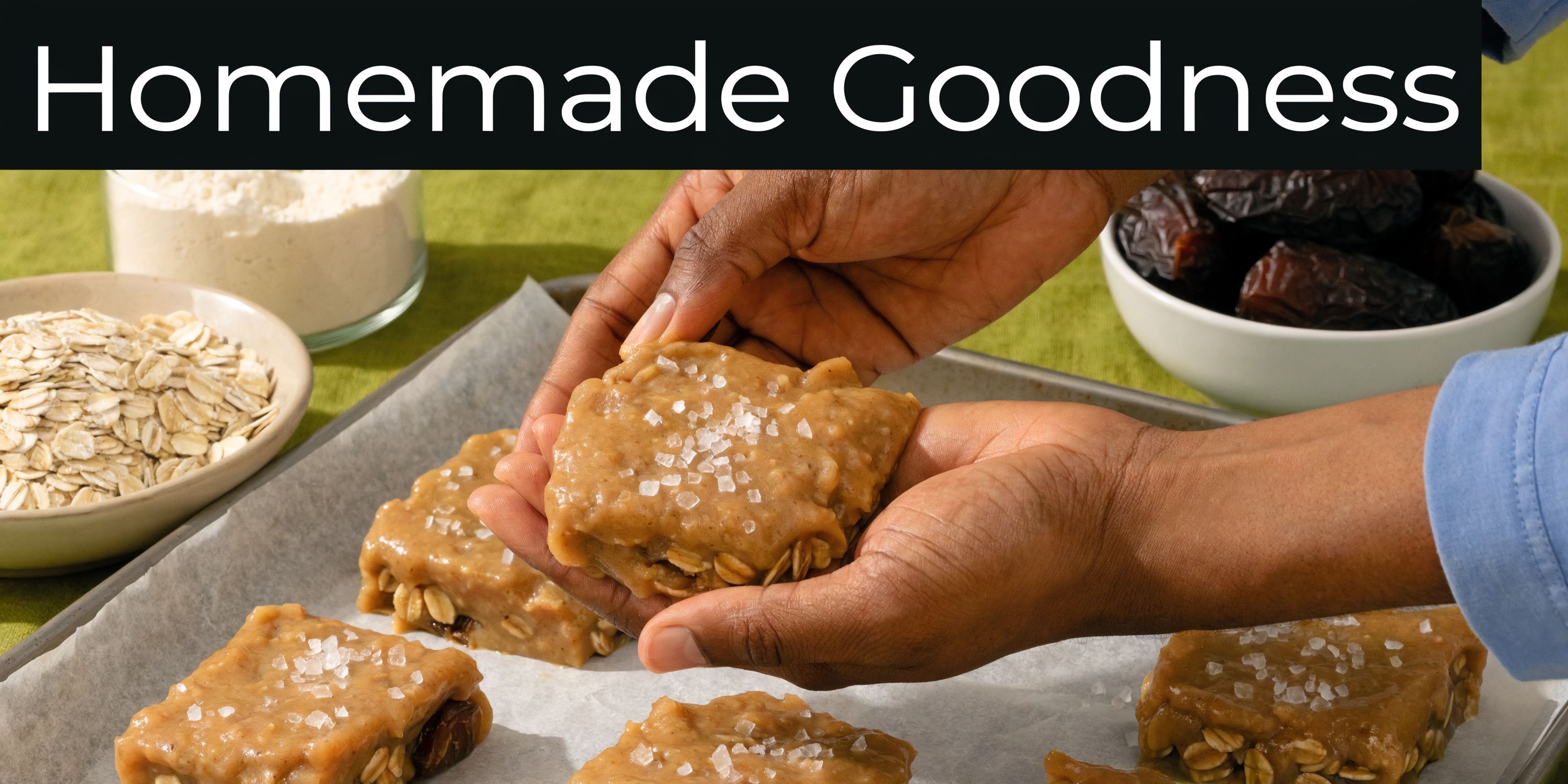
A flexible base recipe
Use this as a template rather than a rigid formula.
For the base
- Rolled oats for structure
- Protein powder of your choice, whey or plant-based
- Nut butter or seed butter for richness
- A sticky binder such as date paste or a small amount of maple syrup
- Ground flax or chia if you want extra hold
- A pinch of salt
- Vanilla if you like a rounder dessert note
For the caramel layer
- Date paste or softened dates blended smooth
- Nut butter
- A little warm water to loosen the texture
- Salt
- Optional vanilla
For the top
- Dark chocolate if you want a more indulgent finish
- Flaky sea salt
How to build the bars
Step 1
Mix the dry ingredients first. That usually means oats, protein powder, and any seeds you’re using.
If your powder tends to clump, break it up now. This avoids dry pockets later.
Step 2
Stir in the nut butter and binder. You want a thick dough that presses together easily.
If it’s crumbly, add a small splash of water. If it’s too wet, add more oats or a little more protein powder.
Step 3
Press the mixture into a lined container. Use the back of a spoon or your hands.
Pack it firmly. Loose bases fall apart when sliced.
Kitchen note: Homemade bars usually fail on texture, not flavor. Pressing firmly matters more than fancy ingredients.
Step 4
Blend the caramel layer until smooth, then spread it evenly over the base. Keep the salt noticeable. Salt is what turns this from “sweet protein square” into salted caramel.
Step 5
Chill the tray until the layers set. If you’re adding chocolate, do it after the caramel firms up a bit.
Here’s a visual walkthrough if you want to see the layering in action:
Whey version versus plant-based version
A whey version usually tastes creamier and can blend more easily into a classic dessert-style bar.
A plant-based version often needs a little more attention. Pea protein can work very well, but the texture may turn dense if you overdo it. If you want a cleaner plant formula, understanding protein powder in cooking can help you avoid the common mistakes that make homemade bars dry or chalky.
For a vegan-friendly option, pea protein is one of the most practical places to start. If you want a quick primer on how it behaves, this overview of what is pea protein isolate is useful before you start experimenting.
Make them smarter, not sweeter
Most homemade attempts go wrong because people chase a candy-bar result. They add too much syrup, too much chocolate, or too much caramel filling.
If your goal is performance nutrition, keep these priorities straight:
- Protein first
- Sweetness second
- Texture third
- Looks last
That order helps you make bars you’ll use.
When homemade is worth it
Homemade bars make sense when:
- you want tighter control over ingredients
- you’re sensitive to sugar alcohols or certain additives
- you prefer milder sweetness
- you like meal prep and don’t mind refrigerator storage
They make less sense when you need a bar to live in your backpack all week, survive travel, or be completely effortless.
That’s the honest trade-off. Homemade can be nutritionally cleaner. Store-bought is often easier to live with.
How To Choose A Quality Protein Bar And What To Avoid
A quality protein bar should fit your goal, not just your cravings.
That means the “best” bar for muscle gain, desk-snacking, appetite control, and pre-workout convenience may not be the same bar.
Start with fullness, not marketing
If your main goal is satiety, the most useful bars tend to combine protein with meaningful fiber. Think! Protein Snack Bar Salted Caramel provides 10g of protein and 5g of chicory root fiber, and that protein-fiber combination can help support fullness hormones such as GLP-1 and PYY, according to the Think! product page.
That’s the kind of label detail that matters more than phrases like “guilt free” or “tastes like dessert.”
Green flags
Ingredients you can explain
If you can quickly understand where the protein, fat, and sweetness are coming from, that’s a good sign. Simpler isn’t always perfect, but transparency helps.
A bar that matches the moment
A compact higher-protein bar may work after training. A more moderate bar may fit a snack break. Don’t expect every bar to do every job.
Fiber that supports satiety
Fiber can make a real difference in how long a bar keeps hunger down. For some people, that’s the deciding factor between “nice snack” and “useful.”
A formula you tolerate well
The best bar on paper is still a bad bar if it leaves you bloated or raiding the pantry later.
Red flags
- Candy-bar positioning with protein sprinkled on top. If the whole appeal is indulgence and the nutrition is secondary, treat it as a treat.
- Very long ingredient lists built around texture tricks. These aren’t always harmful, but they deserve scrutiny.
- Sweetness that lingers more than satisfaction. If the aftertaste says dessert but your stomach says “still hungry,” that matters.
- Your own digestion says no. Labels don’t overrule lived experience.
If a bar repeatedly causes bloating, cravings, or a crash, stop trying to rationalize it because the package says “fit.”
Use a quick decision filter
Ask these questions in the store:
| Question | Why it matters |
|---|---|
| What is the main protein source? | It affects quality, texture, and tolerance |
| Is there fiber present? | Protein alone may not satisfy as well |
| How sweet does this seem designed to be? | Dessert-style bars can keep cravings running |
| Do I usually digest this type well? | A convenient snack isn’t convenient if it bothers your stomach |
| Am I using this as a snack or meal backup? | Your context changes what “good” means |
If you want a stronger foundation for label reading, this guide to protein bar nutrition facts is a helpful companion.
Match the bar to the goal
For muscle support, a denser protein bar can be reasonable.
For weight management, a bar with both protein and fiber often makes more sense than one that’s sweet and “low sugar.”
For general healthy snacking, the best bar is often the one that feels least like a fake dessert and most like actual fuel.
That’s not the most exciting answer, but it’s usually the correct one.
Beyond The Bar Healthy Savory Alternatives For True Satiety
Sweet protein bars solve convenience. They don’t always solve hunger.
That’s why many people feel strangely unsatisfied after a salted caramel bar, even when the label looks good. The body got protein. The brain got dessert cues. Those two don’t always line up cleanly.
Sweetness can work against satiety
For people using GLP-1 medications or trying to tighten appetite control, flavor profile matters more than many nutrition plans admit.
A 2025 study in Nutrients found that for individuals on GLP-1 agonists, sweet-flavored bars can trigger faster blood sugar spikes than savory profiles, which may reduce satiety over a four-hour period, according to the Genius Gourmet reference page. That doesn’t mean every sweet bar is bad. It means dessert-like snacks may not always support the fullness effect people expect.
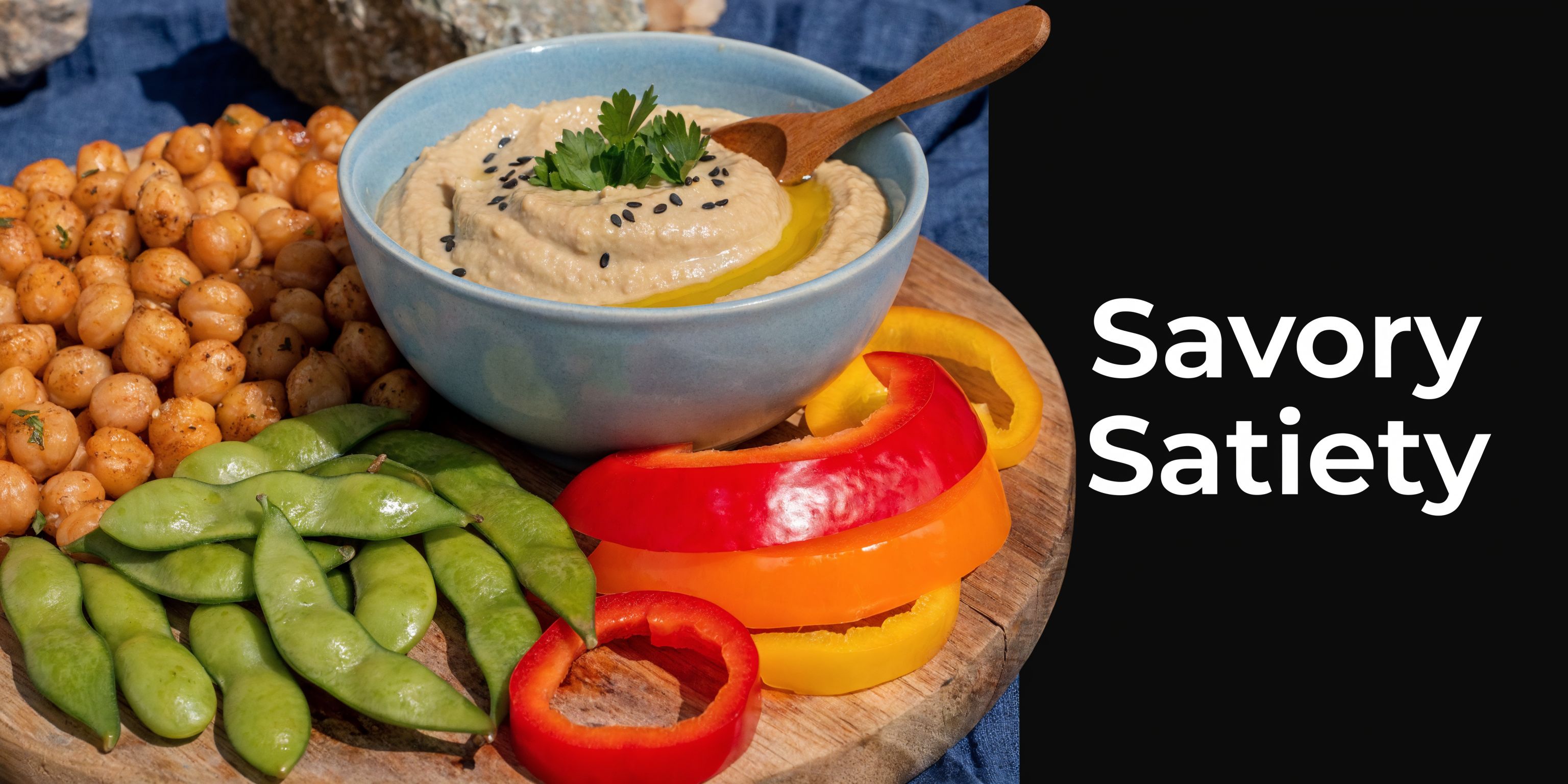
Why savory often feels more stabilizing
Savory snacks tend to do three useful things:
- They reduce dessert signaling. You’re less likely to feel like you just had a healthy candy bar.
- They pair well with whole foods. Think hummus, edamame, roasted chickpeas, or a crunchy protein snack with vegetables.
- They can create clearer stopping points. Sweet foods often blur the line between snack and treat.
This is especially helpful for people who say, “Every time I eat something sweet, I want more sweet.” That pattern is common, even when the sweet food is high in protein.
Better alternatives when fullness is the priority
If a salted caramel bar leaves you wanting more, try shifting the format instead of just switching brands.
Savory whole-food pairings
Hummus with peppers, edamame, or roasted chickpeas gives you protein, chew, and a more grounded flavor profile.
Crunchy plant-based protein snacks
These can be easier on people who are tired of bars and shakes and want something that feels more like food.
Protein plus produce
A savory protein source with cucumbers, carrots, or bell peppers often feels more filling than a sweet chew bar on its own.
The best snack for appetite control often doesn’t taste like dessert at all.
When salted caramel still makes sense
There are still good use cases for salted caramel protein bars.
They’re handy when you’re traveling, need something shelf-stable, or want a fast post-gym option. They can also be a practical bridge food for people moving away from candy bars and pastries toward better habits.
But if your top concern is true satiety, not just convenience, savory options often deserve more attention than they get.
That’s the missing conversation. Most snack advice asks, “How do we make protein taste like dessert?” A better question is, “What kind of snack helps me stop thinking about food for a while?”
The Final Word On Fueling Your Fitness
Salted caramel protein bars can absolutely earn a place in a smart nutrition routine. They’re portable, familiar, and often much better than grabbing a random sweet snack when you’re busy.
But they’re not automatically the best choice just because they contain protein.
Some bars are moderate-protein convenience foods. Some are highly engineered high-protein products. Some are basically dessert with a fitness costume on. The difference shows up in the ingredient list, the fiber content, the sweetener system, and in how your body feels after eating them.
Digestive tolerance matters more now than many shoppers realize. Post-2025 reports showed a 40% rise in searches for “non-bloating protein bars”, and many popular caramel bars rely on whey or dairy-based proteins that can bother sensitive people, while cleaner plant proteins such as pea protein may be better tolerated, according to the PROBAR reference page.
So the smarter approach is simple. Use sweet bars intentionally. Read labels carefully. Notice your appetite and digestion, not just the protein number. And when fullness is the main goal, don’t overlook savory options and whole-food combinations.
If you’re also dialing in recovery nutrition, this guide on the best protein for post-workout is a useful next read because your ideal post-training protein choice isn’t always the same as your ideal everyday snack.
If you want a savory alternative to dessert-style protein snacks, Gym Snack offers chef-inspired, plant-based crunchy protein snacks made with clean pea protein, low saturated fat, and no dairy, soy, gluten, or seed oils. It’s a practical option for people who want satisfying flavor, better satiety, and a break from the endless sweet bar cycle.