

For anyone serious about fitness or just trying to manage a busy schedule, a protein bar can be a lifesaver. It's the perfect grab-and-go fuel. But let's be honest, not all bars are created equal. A good vanilla protein bar isn't just a snack; it's a tool that can help you recover from a workout, crush midday hunger, and stay on track with your goals.
Why Vanilla Protein Bars Are a Fitness Staple

In a world full of candy-bar flavors like triple chocolate fudge and birthday cake, why does simple vanilla remain so popular? It comes down to two things: comfort and versatility. Vanilla is a classic, clean flavor that doesn't need to shout to be noticed.
You could almost call it the "little black dress" of the protein world. It’s timeless, always reliable, and it goes with just about anything. It provides a subtly sweet base that lets the quality of the other ingredients do the talking, rather than covering them up.
The Role of Vanilla as a Base Flavor
Because vanilla is so understated, it doesn't need a lot of help from artificial flavors or tons of sweeteners. This simplicity is a huge win for anyone who cares about what they're putting into their body. It allows product makers to focus on the good stuff.
- Spotlighting Clean Protein: High-quality protein sources—whether it's whey, casein, or a plant-based option like pea protein—get to be the star of the show.
- Building a Better Nutrient Profile: The mild flavor is the perfect backdrop for adding other powerhouse ingredients like nuts, seeds, and fiber without creating a weird taste.
- Cutting Back on Sweeteners: A great-tasting vanilla bar doesn't need to be loaded with sugar or sugar alcohols, which is a major benefit for your gut and your overall health.
The demand for convenient, healthy food is skyrocketing, and the protein bar industry is proof. The market is absolutely booming, especially in North America, as more people look for snacks that fit their active lifestyles and deliver on macronutrients.
Choosing the right protein bar is about more than just taste—it's about function. The best vanilla options deliver a clean, enjoyable flavor while packing a nutritional punch that actually supports your fitness and wellness goals.
This guide is all about helping you see past the flashy packaging and clever marketing. We’ll show you how to tell the difference between a glorified candy bar and a genuinely healthy option. After all, finding the healthiest protein bar means becoming a bit of a label detective. Once you know what to look for, you can make sure your snack is truly working for you.
Cracking the Code of a Vanilla Protein Bar Label
Think of a protein bar's wrapper as its online dating profile. The front is all flashy photos and bold claims designed to grab your attention. But the real story—the stuff that tells you if it's a good match for your body—is tucked away in the ingredient list and nutrition panel.
Honestly, learning to read that fine print is the single most important skill you can develop. It’s what separates a genuinely healthy snack from a glorified candy bar.
Start Where It Counts: The Ingredient List
Here’s a pro tip: always ignore the front of the package and flip straight to the back. Your first stop should be the ingredient list, not the big calorie count.
Ingredients are always listed by weight, from the most abundant to the least. If the first or second ingredient is a sugar (like high-fructose corn syrup, cane sugar, or agave) or some cheap filler, put the bar back. That’s your first and biggest clue that it’s not designed with your health in mind.
What Kind of Protein Are You Really Getting?
The heart of any protein bar is, well, the protein. But not all protein sources are created equal, and the type used tells you a lot about the bar's quality and who it's best for. Some are fantastic for muscle building, while others are better for sensitive stomachs.
Comparing Common Protein Sources in Bars
To make sense of it all, here's a quick breakdown of the most common proteins you'll find on a label.
| Protein Type | Source | Common Allergens | Best For |
|---|---|---|---|
| Whey & Casein | Cow's Milk | Dairy (Lactose) | Rapid muscle repair post-workout (whey) and slow-release protein (casein). |
| Pea Protein | Yellow Peas | None (Hypoallergenic) | Anyone seeking a clean, plant-based, and easily digestible option. Great for sensitive stomachs. |
| Soy Protein | Soybeans | Soy | Vegans and vegetarians looking for a complete plant-based protein. Look for non-GMO sources. |
| Collagen | Animal Connective Tissue | None | Supporting joint and skin health, but it's not a complete protein for muscle building. |
As you can see, a "protein blend" can mean a lot of different things. A top-tier bar will lead with a high-quality source like whey, casein, or pea protein. Be skeptical of bars that rely heavily on less effective sources like gelatin or collagen to bump up their protein numbers.
Spotting Sugar and Other Unwanted Guests
This is where many vanilla protein bars completely miss the mark. To make things taste good, manufacturers often load them up with sugar and artificial sweeteners, turning a "healthy" snack into dessert.
Look out for sugar’s sneaky aliases:
- Dextrose
- Fructose
- Corn syrup
- Agave nectar
- Brown rice syrup
Then there are the sugar alcohols. Ingredients like erythritol, sorbitol, and maltitol are used to add sweetness without calories, but for many people, they come with a side of gas, bloating, and digestive upset. It's a very common trade-off that isn't always worth it.
The best-in-class bars have short, simple ingredient lists you can actually pronounce. They'll use minimal sweeteners, typically natural ones like stevia or monk fruit, or just a tiny touch of real honey or maple syrup.
It's also worth noting that the entire market is shifting. While animal-based proteins have dominated for years, the plant-based segment is the fastest-growing part of the industry, with a projected 6.2% CAGR from 2026 to 2035. Consumers are actively looking for clean, cholesterol-free, and allergen-friendly options. This demand is pushing all brands to do better. You can read more about this plant-based surge on GrandViewResearch.com.
Once you know how to spot these key details, you're no longer at the mercy of slick marketing. You can walk down the snack aisle with confidence, ready to pick a bar that actually fuels your body.
For a deeper dive into the numbers, check out our complete guide to protein bar nutrition facts.
Matching Your Protein Bar to Your Goals
Let's be honest, a vanilla protein bar isn't just a snack. It's a tool. But the right tool for building a house is very different from the one you'd use to fix a watch. The same goes for protein bars. The bar that helps a bodybuilder pack on muscle isn't the same one a busy professional needs to fight off midday hunger pangs.
Choosing the right one is what actually gets you results.
This handy graphic breaks it down to its simplest form: high protein, low sugar, and clean ingredients. If a bar checks those three boxes, you're on the right track.
For Building Muscle and Boosting Performance
If you're hitting the gym hard to build muscle or speed up recovery, protein content is king. You’ll want to look for a vanilla protein bar that packs at least 20 grams of protein. That’s the magic number that really kicks muscle protein synthesis—your body's natural repair and rebuilding process—into high gear.
The source matters, too. Whey and casein have long been the go-to choices for post-workout fuel because they're loaded with all the essential amino acids your muscles are screaming for. That said, don't sleep on high-quality plant-based options. A good pea protein isolate can be just as effective, plus it’s often much easier on the stomach.
For Managing Weight and Staying Full
When your focus is on weight management, maybe even alongside GLP-1 medications, the game changes. Protein is still important for feeling full, but the real power players here are high fiber and low sugar.
A bar with 5 grams of fiber or more is a game-changer. Fiber slows everything down, keeping you satisfied for hours and helping you sidestep those pesky cravings. You also want to keep your blood sugar from going on a rollercoaster ride, so find a bar with less than 5 grams of sugar. This helps you avoid the dreaded sugar crash and the mindless snacking that follows.
Think of the right bar as a brake pedal for your hunger, not an accelerator. You want simple, whole-food ingredients that give you steady energy, not a quick jolt followed by a crash.
It’s no secret that the protein bar aisle is crowded. The North American market is enormous, accounting for a massive 56.95% of the global market share. This explosion in popularity, fueled in part by the 20% of U.S. adults with gym memberships, means there's a bar out there for just about everyone. If you're curious about the numbers behind this trend, you can explore the full protein bar market research on PrecedenceResearch.com.
The Problem with Dessert-Flavored Health Foods
Take a walk down the protein bar aisle. It often feels less like a health food section and more like a candy store, doesn't it? Birthday cake, chocolate fudge, cookie dough—the flavors all scream indulgence. And while there's nothing wrong with a sweet treat, relying solely on these dessert-style bars might be working against you in ways you haven't considered.
One of the biggest issues I see with clients is something we call "flavor fatigue." It’s a lot like hearing a new pop song you love. At first, you can't get enough. But after playing it on repeat for a few weeks, you're sick of it. The same thing happens with your taste buds; that constant blast of sweetness gets old, and the vanilla bar that once felt like a treat now feels like a chore.
The Craving Cycle Trap
Beyond just simple boredom, these super-sweet bars can play tricks on your brain. When you bite into something that tastes exactly like a brownie, your body and mind expect that sugary, satisfying rush. This can kickstart a frustrating craving cycle where your brain is always looking for that next sweet hit, making it that much harder to stay on track with your actual nutrition goals.
Instead of killing your hunger, the bar might just leave you wanting another sweet thing. Your body isn't just hungry for calories; it's also driven by specific cravings. Giving in to a sweet tooth does absolutely nothing to quiet a powerful craving for something salty and crunchy.
I see this all the time. Someone eats a sweet protein bar to be "good," only to find themselves fighting off an intense craving for chips an hour later. They've fed their hunger but completely ignored what their taste buds are actually screaming for.
The Hidden Cause of Digestive Distress
If there's one complaint I hear more than any other, it's about the digestive aftermath of protein bars. To get that intense dessert-like sweetness without a mountain of actual sugar, manufacturers pack their bars with sugar alcohols (like erythritol and maltitol) and synthetic fibers (like inulin).
While these ingredients are technically low in calories, they can be incredibly tough for your gut to handle. For a lot of people, they lead to a host of uncomfortable side effects:
- Bloating: That awful, tight feeling of pressure in your stomach.
- Gas: An unavoidable and often embarrassing result of fermentation in your gut.
- General Discomfort: You just feel "off," and your digestive system is clearly not happy.
If you've ever eaten a protein bar and felt like you blew up like a balloon an hour later, you’ve likely met these culprits. It really makes you wonder: is a sweet-tasting snack worth it if it leaves you feeling worse than before you ate it? This is exactly why it's time to consider alternatives that are kinder to your gut and satisfy a completely different—and equally important—kind of craving.
Exploring Savory Snacks When You're Tired of Sweet
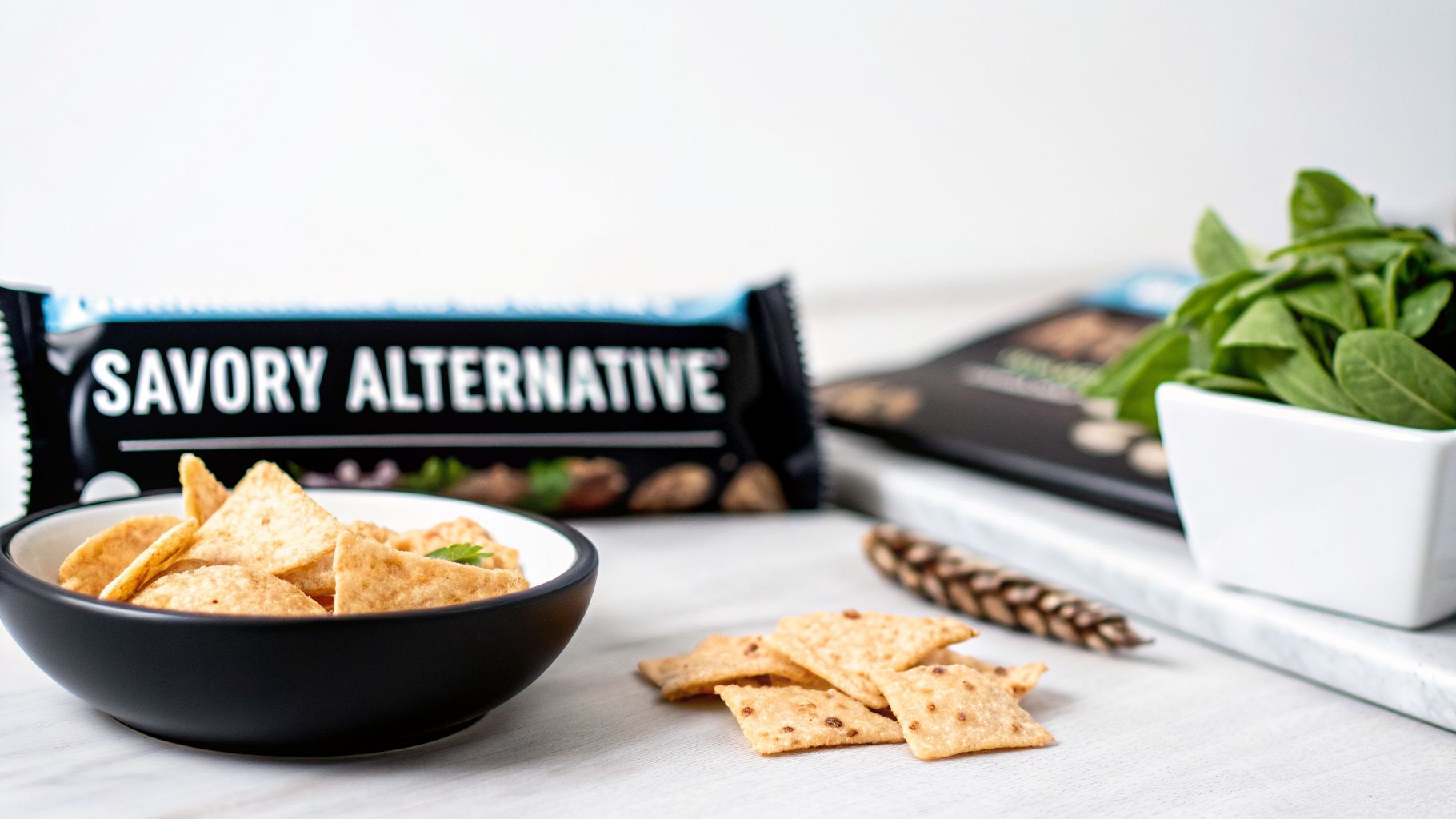
Let's be honest, even the best vanilla protein bar has its limits. There are times when your body just isn't asking for sweet. It's screaming for something salty, crunchy, and genuinely satisfying. This is where savory protein snacks stop being a novelty and become a secret weapon in your nutrition plan.
Picture this: it’s 3 PM, and a craving for a bag of chips hits you like a ton of bricks. You could force down another sweet bar, but we all know how that ends—you're left feeling unsatisfied and are far more likely to go rummaging through the kitchen for what you really wanted an hour later.
The smarter move? Meet that craving head-on. This is exactly the problem innovative snacks like Gym Snack were designed to solve. They’re the perfect answer when your brain says, "I want chips," but your body needs protein. You get the crunch and savory flavor you’re fixated on, but it’s backed by clean, plant-based protein that actually keeps you full and on track.
Breaking The Sweet Snack Cycle
When all your snacks are sweet, you can get stuck in a rut. Your taste buds start to expect dessert all the time, which can make sticking to your goals feel like a constant battle. Adding a savory option does more than just cure flavor fatigue—it helps reset your palate.
A savory snack sends a different signal to your brain. It feels like "real food," not just another sweet treat. This mental shift can be a game-changer for managing cravings and sticking to your diet long-term, especially if you're managing your weight or using a GLP-1 program where getting the most satisfaction out of every calorie is critical.
Sweet Vanilla Bar vs Savory Protein Snack
So, when should you reach for a sweet bar versus a savory snack? They really aren't interchangeable. Each one serves a totally different purpose and satisfies a different need. This table breaks down the key differences.
| Feature | Typical Vanilla Protein Bar | Savory Protein Snack (e.g., Gym Snack) |
|---|---|---|
| Primary Craving | Sweet, dessert-like flavors | Salty, cheesy, and crunchy textures |
| Key Ingredients | Whey/Casein, sugar alcohols, artificial sweeteners | Pea protein, natural seasonings, no added junk |
| Common Allergens | Often contains dairy, soy, and gluten | Typically free of major allergens like dairy and soy |
| Best Use Case | Quick post-workout fuel or a sweet craving fix | A satisfying meal-bridging snack that crushes savory cravings |
| Gut Health | Can cause bloating from sugar alcohols & fibers | Designed to be gentle on the stomach with clean ingredients |
As you can see, having both options available gives you a much more flexible and effective snacking strategy. While most of us have been conditioned to think "protein" means sweet shakes and bars, expanding your toolkit to include high-protein savory snacks can completely change the game.
The smartest snacking strategy isn't about restriction; it's about having the right tool for the job. When a vanilla protein bar feels like a compromise, a savory, high-protein alternative offers a satisfying and effective solution.
At the end of the day, you need snacks that hit your macros and your cravings. A bag of cheesy, crunchy pea protein puffs can deliver over 30g of protein with zero cholesterol and low saturated fat. It fuels your body without the digestive upset or sugar cravings that many sweet bars can trigger. It's the perfect way to stay on course without ever feeling like you're missing out.
Your Action Plan for Smarter Protein Snacking
Alright, we've covered a lot of ground. Now it's time to put that knowledge into practice. Let's take everything we've talked about and distill it into a simple, actionable plan you can use the next time you're staring down the protein snack aisle.
Think of this as your personal checklist for cutting through the noise. It will help you sidestep the common traps and consistently choose snacks that actually work for you and your body.
Four Principles for Better Snacking
-
Become an Ingredient Detective: Before you even look at the protein count, flip the package over and read the full ingredient list. If the first few ingredients are sugar, a syrupy binder, or a bunch of chemical names you can't pronounce, that's a major red flag. Put it back.
-
Match the Snack to Your Goal: Get clear on why you're reaching for that snack. Is it for post-workout muscle repair? A midday tide-me-over to manage weight? The nutrition facts need to line up with that mission. The macros matter.
-
Embrace Savory Alternatives: Don't let your sweet tooth be the only voice in the room. Sooner or later, you'll get tired of sweet bars, and a salty, crunchy craving will hit. Instead of derailing your progress, meet that need head-on with a high-protein savory option like Gym Snack. It keeps you satisfied and on track.
-
Champion Clean Ingredients: Make it a habit to prioritize snacks made with simple, recognizable whole-food ingredients. Your gut will thank you for choosing easily digestible proteins like pea protein over heavily processed alternatives.
Your goal isn't just to avoid bad choices—it's to build a diverse snack arsenal. Having the right tool for the job, whether that's a quality vanilla protein bar or a crunchy savory snack, is the real key to long-term success.
As you build out your plan for smarter snacking, exploring options like the best low calorie snacks for healthy weight management can give you even more variety to support your goals.
Your Top Protein Bar Questions, Answered
Let's be honest, the protein bar aisle can be overwhelming. With so many options, it's natural to have questions. Here are the answers to the ones I hear most often.
Are Vanilla Protein Bars Good for Weight Loss?
They absolutely can be, but you have to be smart about it. The wrong bar is just a candy bar in disguise.
For weight loss, a vanilla protein bar needs to do one job really well: keep you full. That means you should be looking for a bar with over 15g of protein and a good dose of fiber. This combo is what helps crush cravings and prevent you from overeating later.
Just as important is checking the sugar content. If it's loaded with sugar, it will derail your efforts. Always flip the bar over and read the nutrition label—it’s the only way to know if it truly supports your goals.
When Is the Best Time to Eat a Protein Bar?
This is a great question, and the honest answer is: it depends entirely on why you're eating it. There isn't one single "best" time.
- Post-Workout: Eating a bar within an hour of finishing your workout is a classic move. The protein helps kick-start your body's muscle repair and recovery process.
- As a Snack: This is my favorite use for them. A bar can be a perfect way to bridge the gap between lunch and dinner, heading off that 3 PM slump and keeping you from raiding the pantry the second you get home.
Why Do Some Protein Bars Usel My Stomach?
If you've ever felt bloated or gassy after a protein bar, you are definitely not alone. This is probably the most common complaint I hear, and it almost always comes down to a few specific ingredients.
The main offenders are usually sugar alcohols (look for names ending in "-ol" like erythritol, xylitol, or maltitol) and high amounts of certain fibers like inulin. For many people, these can cause some serious digestive upset.
If you consistently feel off after eating a protein bar, start playing detective with the ingredient list. It could also be a sensitivity to the protein source itself, like whey (from dairy) or soy. Switching to a bar built on a gentler base like pea protein often solves the problem for good.
Can I Eat a Protein Bar Every Day?
Yes, you can, but think of it as a supplement, not a replacement. A daily protein bar can be a fantastic way to make sure you're hitting your protein goals, especially on busy days.
However, it shouldn't push whole foods—like chicken, fish, beans, and eggs—off your plate. If a bar is going to be a daily habit, make sure it’s one with clean ingredients, minimal sugar, and a solid nutritional profile that you feel good about.
Ready to beat flavor fatigue and crush your savory cravings? Gym Snack offers crunchy, cheesy, plant-based protein snacks that are high in protein and easy on your gut. Ditch the sweet and discover your new favorite snack at https://gymsnack.com.