

When you're on the hunt for a great low-fat, high-protein snack, a good rule of thumb is to find something with at least 10 grams of protein and under 5 grams of fat per serving. Think of things like Greek yogurt, hard-boiled eggs, or even some roasted chickpeas—they’re perfect for fueling your body and keeping hunger at bay without loading you up on empty calories.
Decoding Low Fat High Protein Snacks
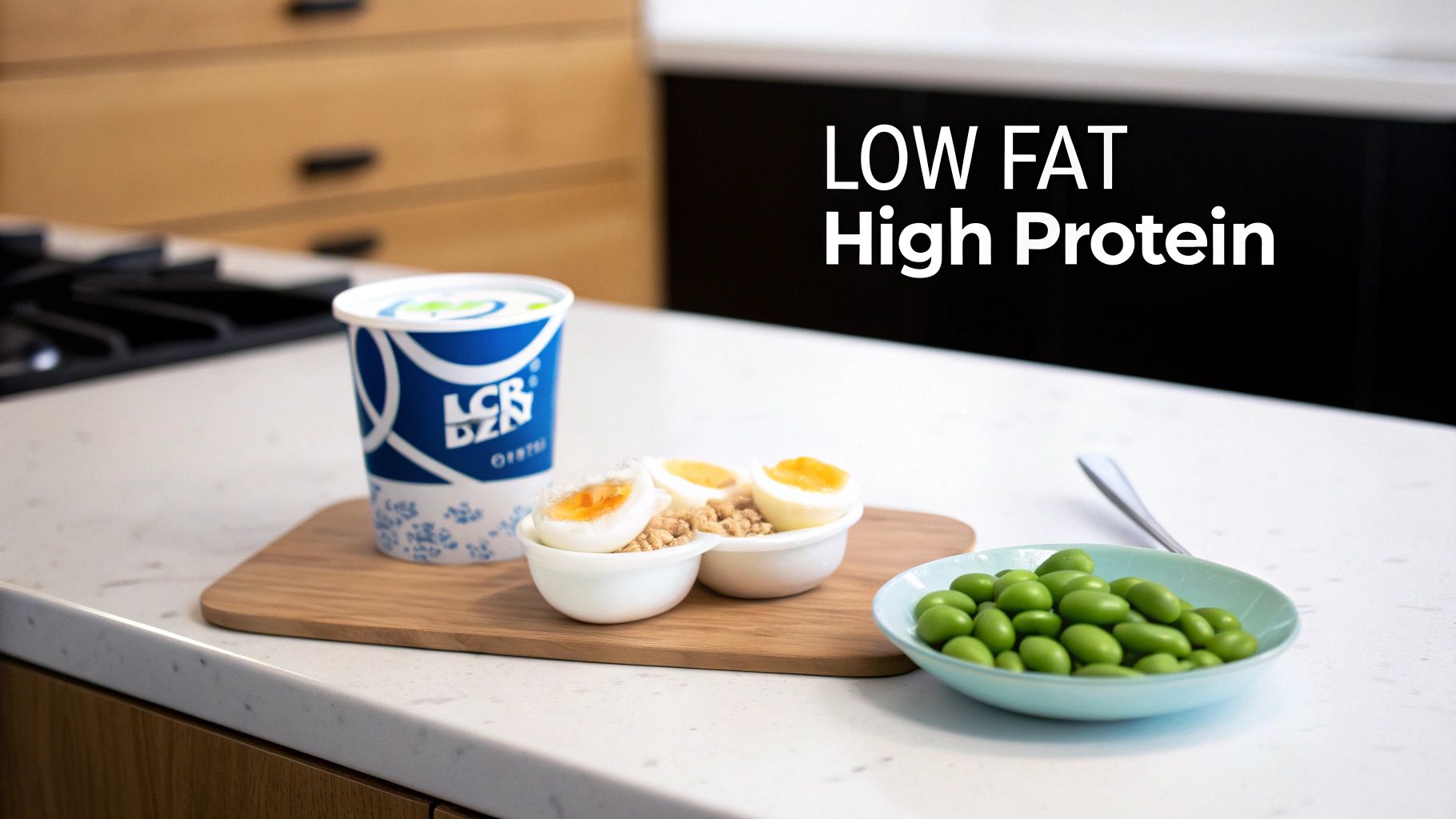
So, when you’re staring at a nutrition label, what exactly makes a snack qualify as "low-fat, high-protein"? It’s definitely more than just a flashy "healthy" claim on the package. The best way to think about these snacks is as your personal support crew, working behind the scenes to keep you energized, full, and moving toward your fitness goals.
This powerful combination delivers exactly what your muscles need for repair and what your stomach needs to feel satisfied, all without the extra calories from fat that can weigh you down.
And this isn't some fleeting fad. The demand for protein-packed snacks is exploding. The global market was worth around USD 5.38 billion recently and is on track to more than double to nearly USD 11.91 billion by 2033. It's a clear sign that people are getting serious about smarter snacking.
Key Nutritional Benchmarks
Let's get down to the brass tacks. What numbers should you actually be looking for? Knowing your targets makes navigating the grocery store a whole lot easier.
To make it simple, I’ve put together a quick guide. This table breaks down what you should be aiming for in a single serving.
Your Quick Guide to Smart Snacking
| Nutritional Metric | Ideal Target per Serving | Why It Matters for Your Goals |
|---|---|---|
| Protein | 10-15 grams | This is the magic number for satiety (feeling full). It crushes cravings and helps prevent you from overeating later. |
| Total Fat | 5 grams or less | Keeping fat in check helps you manage your overall calorie intake, which is essential for creating a calorie deficit for sustainable weight loss. |
| Calories | Under 200 | A snack should be just that—a snack. This calorie range provides a solid energy boost without derailing your daily budget. |
Having these numbers in your back pocket turns confusing nutrition labels into a simple checklist. You can quickly see if a snack truly fits your goals or if it's just clever marketing.
By focusing on these three simple metrics—protein, fat, and calories—you can confidently choose snacks that support your goals, whether that's building muscle, managing weight, or simply avoiding the afternoon energy crash. This clear framework removes the guesswork from healthy eating.
The Power Duo for Fitness and Weight Management
So, why are we so focused on this specific combo of low fat and high protein? What makes it the secret sauce for hitting your fitness goals?
Imagine your body is a high-performance engine. Protein provides the critical parts—the amino acids—you need to repair and build muscle, especially after a tough workout. At the same time, keeping the fat content low helps you manage your overall "fuel budget," or calorie intake, much more efficiently. It's a simple but powerful synergy.
This one-two punch works whether you're building muscle or trying to shed a few pounds. If you're looking to bulk up, it lets you feed your muscles what they need without the extra calories from fat that can lead to unwanted weight gain. And if you're managing your weight? This combination is a total game-changer, all thanks to one magic word: satiety.
The Science of Feeling Full
Let's be honest, the biggest hurdle in any diet is feeling hungry all the time. High-protein snacks are your best defense against that. Of the three main nutrients—protein, carbs, and fat—protein is by far the most filling. When you eat something packed with protein, it tells your brain loud and clear that you're full and satisfied, which makes sticking to your plan a whole lot easier.
This isn't just a "feeling," either. It's a real hormonal response happening inside your body. Protein helps shut down ghrelin, which you can think of as the "hunger hormone" that gets your stomach rumbling. At the same time, it ramps up the hormones that signal fullness, like peptide YY (PYY) and GLP-1. It's a dual-action effect that silences cravings and stops you from mindlessly reaching for chips between meals.
By choosing high-protein snacks, you're doing more than just feeding your muscles—you're actively taking control of your body's hunger signals. It’s how you can maintain a calorie deficit and lose weight sustainably, without feeling like you're starving.
Fueling Performance Without the Fluff
The low-fat side of the equation is just as important. Fat is the most calorie-dense nutrient we eat, packing nine calories per gram. For comparison, protein and carbs both have just four. So, simply choosing low-fat options is a straightforward way to keep your total calorie count under control.
This strategy lets you get the protein your body craves for recovery and the carbs it needs for energy, all while staying within your "fuel budget." Think about how this plays out in real life:
- Pre-Workout Fuel: A light, protein-forward snack gives you sustained energy for your workout without weighing you down.
- Post-Workout Recovery: Getting protein in right after you train kickstarts muscle repair, helping you recover faster and get stronger.
- Afternoon Slump Buster: Instead of grabbing a sugary donut, a high-protein snack stabilizes your blood sugar and prevents that dreaded energy crash.
At the end of the day, the best low-fat, high-protein snacks are about giving you control. They give you the power to manage hunger, fuel your workouts, and build a stronger, leaner body—all with purpose.
How to Read Snack Labels Like a Nutrition Pro
Walking through the snack aisle can feel like a trap. Every package screams "healthy," "natural," and "low-fat" from the shelf, but the real truth is always hidden on the back. To find genuinely good low-fat, high-protein snacks, you have to become a pro at ignoring the flashy marketing and decoding the nutrition label.
Think of the label as your secret weapon. It’s not some complicated scientific document—it's a cheat sheet that lets you see right through bogus claims and choose snacks that actually support your goals. With a few simple rules, you can become a confident label-reading expert in no time.
Master the Macronutrients
First things first, look at the big three: protein, fat, and calories. A quick glance at these numbers tells you 90% of what you need to know.
- Protein Power: Look for snacks with at least 10-15 grams of protein per serving. This is the magic number for keeping you full and helping your muscles recover.
- Fat Check: Keep the total fat under 6 grams. Pay extra attention to saturated fat—the lower, the better.
- Calorie Cap: A good snack should give you a boost, not weigh you down. Sticking to something under 200 calories is a great rule of thumb.
In fact, a deep dive into the high-protein snack market revealed that the best-in-class options consistently get over 20% of their energy from protein. Many even pack more than 20 grams of protein while keeping fat below that 6-gram threshold.
Look Beyond the Numbers
Once you’ve nailed the macros, your next move is to scan the ingredient list. This is where a lot of so-called "healthy" snacks show their true colors.
A short, simple ingredient list is almost always a good sign. If you see whole foods like nuts, seeds, or legumes at the top, you're on the right track. If sugar, corn syrup, or unpronounceable chemicals lead the list, put it back on the shelf.
Hidden sugars are the number one culprit. Food companies have dozens of sneaky names for sugar, like dextrose, maltodextrin, and high-fructose corn syrup. Seeing a few of these scattered in the list is a major red flag—it means the snack is basically a candy bar in disguise. For more tips on finding truly convenient and healthy options, check out our guide on the best on-the-go protein snacks.
Label Showdown: Smart Snack vs. Deceptive Snack
To see this in action, let's compare two imaginary snack labels. It's amazing how a few key differences can separate a genuinely nutritious option from a cleverly disguised junk food.
| Nutrient/Ingredient | Example of a Smart Snack | Example of a Deceptive Snack |
|---|---|---|
| Calories | 180 | 190 |
| Protein | 15g (from pea protein, seeds) | 8g (from soy protein isolate) |
| Total Fat | 5g (0.5g Saturated Fat) | 9g (5g Saturated Fat) |
| Carbohydrates | 18g | 25g |
| Total Sugars | 4g (0g Added Sugar) | 15g (12g Added Sugar) |
| First 3 Ingredients | Pea Protein, Almonds, Chia Seeds | Enriched Flour, Corn Syrup, Palm Oil |
| Fiber | 7g | 2g |
See the difference? The "Smart Snack" packs almost double the protein with minimal sugar, getting its substance from whole foods. The "Deceptive Snack" is mostly refined carbs and sugar, with just enough protein to slap a claim on the front of the box. Learning to spot this is key.
This handy flowchart breaks down how to choose the right snacks depending on whether you're focused on gaining muscle, losing weight, or just need a quick energy lift.
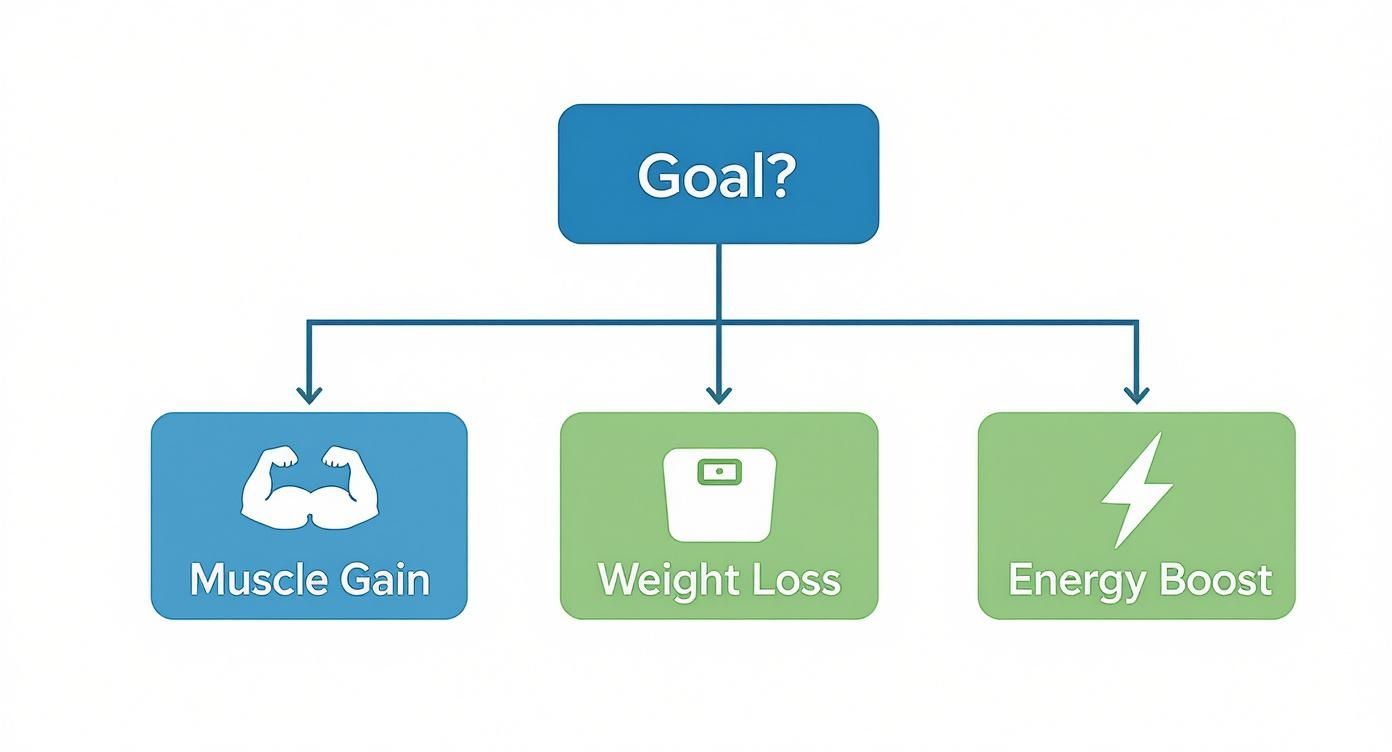
The big takeaway here is that while high-protein snacks are great for any goal, you can fine-tune things—like when you eat them or what you pair them with—to get even better results.
Our Top Savory and Plant-Based Snack Picks
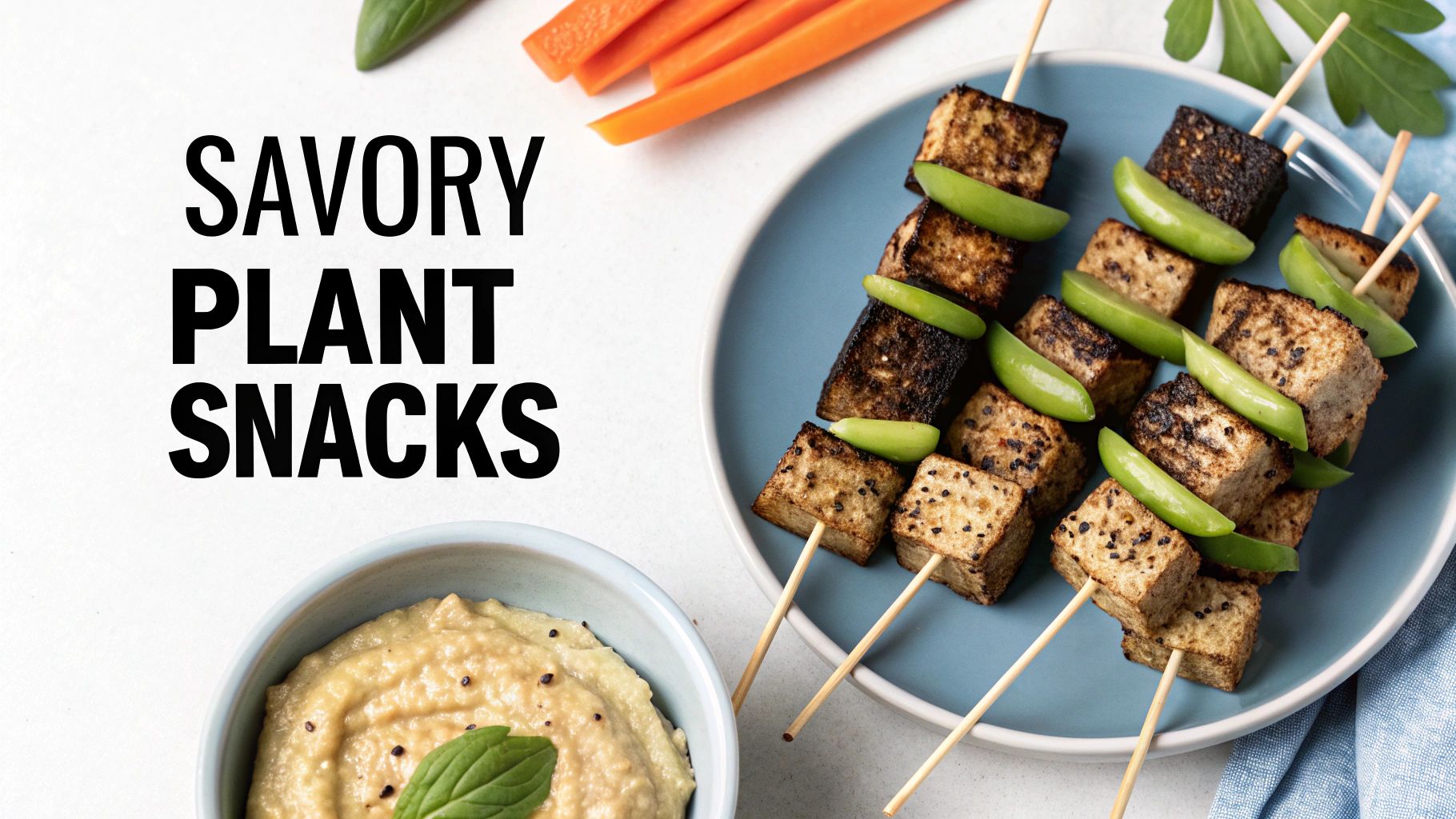
Alright, let's move beyond the usual suspects and get into some genuinely satisfying snacks. Finding the best low fat high protein snacks is all about choices that deliver on both flavor and function. While sweet snacks get a lot of the spotlight, the savory and plant-based world is where you'll find incredible variety and some serious nutritional muscle.
These ideas are all about crushing cravings, fueling your body, and keeping you full without weighing you down. They’re a fantastic way to break up the monotony of sweet protein bars and shakes, giving you that savory crunch that makes healthy eating feel like a reward, not a chore.
Let's jump into some of my favorites.
Plant-Powered Protein Champions
Thinking about going plant-based? Don't for a second believe it means you'll miss out on protein. Some of the most potent and delicious high-protein snacks grow from the ground up, offering a clean, nutrient-packed boost for your day.
- Roasted Edamame: I like to think of these as a supercharged alternative to nuts. Just one cup of shelled edamame packs a huge 17 grams of protein and is loaded with fiber. A little sea salt and a quick roast in the oven or air fryer makes them an unbelievably crunchy, addictive snack.
- Savory Greek Yogurt Dip: While it's dairy, this is a vegetarian powerhouse. Just mix plain, nonfat Greek yogurt with herbs like dill, chives, and a little garlic powder. You get a creamy, protein-heavy dip that’s perfect for scooping up with celery or bell pepper sticks.
- Tofu or Tempeh Cubes: Don't sleep on these. Marinate some extra-firm tofu or tempeh in a bit of soy sauce and spices, then bake or air-fry them until they're golden. They turn into these chewy, savory bites just bursting with plant-based protein.
These options don't just help you hit your protein targets; they're also naturally low in saturated fat and have zero cholesterol. It’s a win-win.
The secret to great plant-based snacking is a little prep. Seriously, spending a few minutes roasting edamame or baking tofu transforms basic ingredients into crave-worthy, grab-and-go fuel that keeps you on track all week.
Savory Staples for Lasting Fullness
For those times when you need something more substantial, something that feels like a mini-meal, turning to classic savory proteins is the way to go. These are famous for providing steady energy and keeping hunger locked away for hours.
- Low-Sodium Turkey or Beef Jerky: Jerky is the king of portable protein. The trick is to find brands with minimal added sugar and sodium. A single one-ounce serving can easily give you 10-15 grams of protein with almost no fat.
- Hard-Boiled Eggs: It's a classic for a reason. One large egg has about 6 grams of high-quality protein and healthy fats for only 78 calories. A sprinkle of everything bagel seasoning takes it to the next level.
- Tuna or Salmon Pouches: These are a lifesaver. Already portioned and ready to eat, they couldn't be more convenient. I like to mix mine with a spoonful of Greek yogurt instead of mayo for a creamy, low-fat protein salad to eat with whole-grain crackers.
By working these savory options into your routine, you bring in new flavors and textures that make sticking to your goals a whole lot easier. For even more inspiration, check out our complete list of satisfying high-protein savory snacks. These ideas prove you never have to compromise on taste to fuel your body the right way.
Simple DIY High Protein Snack Recipes
Let's be real—eating healthy doesn't mean you need to be a gourmet chef or spend a fortune at the grocery store. The best part about making your own snacks is that you're in total control. You know exactly what's going into your body, letting you tweak the macros, ingredients, and flavors to perfectly match your goals.
These DIY recipes are lifesavers for anyone with a packed schedule. They require just a handful of ingredients and come together in minutes, proving that some of the best low-fat, high-protein snacks are the ones you make yourself.
No-Bake Protein Energy Bites
These little bites are the ultimate solution for a quick energy boost that actually lasts, thanks to a solid dose of protein. Best of all? No oven needed. Just mix, roll, and you're good to go.
Ingredients:
- 1 cup rolled oats
- 1/2 cup vanilla or unflavored protein powder
- 1/2 cup powdered peanut butter (this keeps the fat content way down)
- 3-4 tablespoons of water or unsweetened almond milk
- 1 tablespoon chia seeds (optional, but great for extra fiber)
Instructions:
- Toss all the dry ingredients into a bowl and give them a good mix.
- Slowly drizzle in the water or almond milk, one spoonful at a time, until you get a sticky, dough-like consistency that holds together.
- Roll the mixture into bite-sized balls and pop them on a plate lined with parchment paper.
- Let them chill in the fridge for at least 30 minutes to firm up. They’ll keep in an airtight container for up to a week!
Savory Baked Tofu Cubes
If you think tofu is bland, this recipe will change your mind. Baking transforms it into a chewy, savory, and seriously protein-packed snack that hits the spot when you're craving something salty and satisfying.
Ingredients:
- 1 block extra-firm tofu, pressed and cut into cubes
- 1 tablespoon low-sodium soy sauce or tamari
- 1 teaspoon garlic powder
- 1/2 teaspoon smoked paprika
Instructions:
- First, get your oven preheating to 400°F (200°C).
- In a bowl, gently toss the tofu cubes with the soy sauce, garlic powder, and paprika until they’re all evenly coated.
- Spread the seasoned tofu out in a single layer on a parchment-lined baking sheet.
- Bake for 20-25 minutes, flipping them halfway through, until they’re golden brown and have a nice, firm chew.
Homemade recipes put you in the driver's seat of your nutrition. You can easily adjust ingredients to fit your taste and macro needs, which is a key part of building a sustainable, healthy eating plan.
Creamy High-Protein Herb Dip
This dip is an incredible swap for those high-fat, store-bought versions. Using nonfat Greek yogurt as the base packs a massive protein punch and delivers a creamy texture that’s perfect for dipping fresh veggies. For anyone serious about their diet, learning how to increase protein intake with simple, smart swaps like this is a total game-changer.
Ingredients:
- 1 cup plain nonfat Greek yogurt
- 1 tablespoon fresh dill, chopped
- 1 tablespoon fresh chives, chopped
- 1/2 teaspoon onion powder
- A pinch of salt and pepper to taste
Instructions:
It doesn't get easier than this: just mix everything together in a small bowl until it's all combined. Serve it right away with carrot sticks, cucumber slices, or bell pepper strips for a snack that's as refreshing as it is filling.
When to Eat Your Snacks for the Best Results
Timing your snacks is a bit like adding a turbocharger to your car's engine. It’s not just about the fuel you use, but when you hit the button for maximum power. If you time your low-fat, high-protein snacks strategically, you can seriously amplify their benefits, turning them from a simple way to curb hunger into a powerful tool for your fitness goals.
Your body's needs shift constantly throughout the day. The trick is to match your snack to those needs, giving your body the exact resources it's asking for, right when it needs them most.
Pre-Workout Fuel for Performance
Try to get in a light, protein-forward snack about 30 to 60 minutes before you work out. This is a total game-changer. It gives you a steady release of energy to power through your session, but it's light enough that you won't feel weighed down or deal with digestive issues. This little bit of fuel helps protect your muscle tissue and ensures you can really give it your all.
A post-workout snack is your first line of defense for recovery. Consuming 15 to 25 grams of protein within an hour after exercise kickstarts muscle protein synthesis, the process your body uses to repair and rebuild stronger muscles.
Post-Workout Muscle Repair
Right after you train is when your muscles are primed to soak up nutrients. A high-protein snack quickly delivers the essential amino acids they need to mend the micro-tears from your workout, which helps reduce soreness and speeds up your progress.
Beating the Afternoon Slump
We all know that dreaded 3 PM energy crash. It's usually just your blood sugar taking a nosedive. A high-protein snack is the perfect fix here. It stabilizes your energy, brings back your focus, and helps you avoid overeating at dinner by stopping those intense cravings in their tracks.
This shift toward smarter snacking isn't just a gym-goer trend; it's a massive market movement. Consumer awareness is driving huge growth, with the global market for low-fat protein products projected to grow from USD 2.0 billion to USD 2.7 billion by 2030. People are catching on.
This kind of strategic fueling is absolutely critical for endurance athletes, too. Properly timed snacks are a cornerstone of effective marathon fueling strategies, helping them maintain energy and performance over incredible distances.
Got Questions About High-Protein Snacking?
Stepping up your snack game usually brings up a few questions. It’s totally normal. Let's tackle some of the most common ones so you can feel good about the changes you're making.
Do I Still Need High-Protein Snacks on Rest Days?
This one comes up all the time, and the answer is a resounding yes! Muscle repair isn't a one-day event. That recovery and growth process keeps going for 24 to 48 hours after you've left the gym.
Think of it this way: your body is still hard at work rebuilding on your days off. Feeding it a steady supply of protein on those rest days gives it the raw materials it needs to finish the job, which is crucial for building strength and keeping your metabolism fired up.
How Do I Deal With "Protein Bar Fatigue"?
We've all been there. You find a protein bar you like, eat it every single day, and then suddenly can't stand the sight of it. It's a real thing.
The best way to beat this is simple: variety. Don't rely on just one snack.
- Keep 2-3 different bars or flavors in your rotation.
- Mix in whole-food snacks like a cup of Greek yogurt, a handful of jerky, or roasted edamame.
This keeps things interesting for your palate and provides a wider range of nutrients.
Think of your protein intake like a steady stream, not a floodgate you only open after a workout. Consistent, well-timed snacks ensure your body always has the resources it needs to build, repair, and stay energized.
Are There Good Plant-Based Options Out There?
Absolutely! It’s a common myth that it's hard to find great plant-based, high-protein snacks. The reality is, the options are fantastic if you know where to look.
Snacks like edamame, roasted chickpeas, and seasoned tofu cubes are powerhouses of plant-based protein and are naturally low in fat. The only trick is a little bit of prep, but having these delicious and effective options ready to go makes all the difference.
Ready to simplify your snacking with a savory, plant-based option that crushes cravings? Gym Snack delivers over 15g of clean pea protein in every crunchy, cheesy serving, with no dairy, gluten, or seed oils. Fuel your goals the delicious way at https://gymsnack.com.