

You want something salty, crunchy, spicy, and familiar. Buffalo ranch chips hit that craving fast. They taste like game-day food in a grab-and-go format, and that's exactly why they keep ending up in gym bags, desk drawers, and late-night snack rotations.
The problem isn't the flavor. The problem is that most buffalo ranch chips are built like classic comfort food, not like a snack that helps you recover, stay full, or keep your macros on track. If you care about protein, appetite control, ingredient quality, or training performance, the usual bag falls short in ways that matter.
What Gives Buffalo Ranch Chips Their Signature Flavor
Buffalo ranch chips work because they combine two flavor systems that do very different jobs.
Buffalo brings heat, tang, and acidity. Think cayenne-style pepper flavor and that sharp vinegar note that makes the spice feel brighter instead of heavy. Ranch softens the edges. It adds creamy, savory, herby notes through ingredients and seasonings that usually lean on garlic, onion, dill, and dairy-based elements such as buttermilk.

On a chip, manufacturers usually don't pour actual sauce and dressing onto the bag. They build the effect with dry seasonings, powdered fats, acids, and flavor compounds that stick to the surface. That's why the first bite often tastes loud and immediate. You get spice on the front, creamy tang in the middle, then salt and fat carrying everything through the finish.
If you've ever made a buffalo ranch wrap at home, the same flavor logic shows up there too. This look at Mr. Wings sauce application for chicken wraps is a useful example of how buffalo and ranch balance each other in a savory format.
The ingredients that usually create the effect
Most buffalo ranch chips rely on a few repeat players:
- Potato base: The neutral crunch platform.
- Oil: Needed for frying and for carrying flavor.
- Buffalo-style seasoning: Typically built around pepper heat and vinegar tang.
- Ranch-style seasoning: Usually some mix of garlic, onion, herbs, and dairy powders.
- Salt and savory enhancers: These sharpen the whole profile.
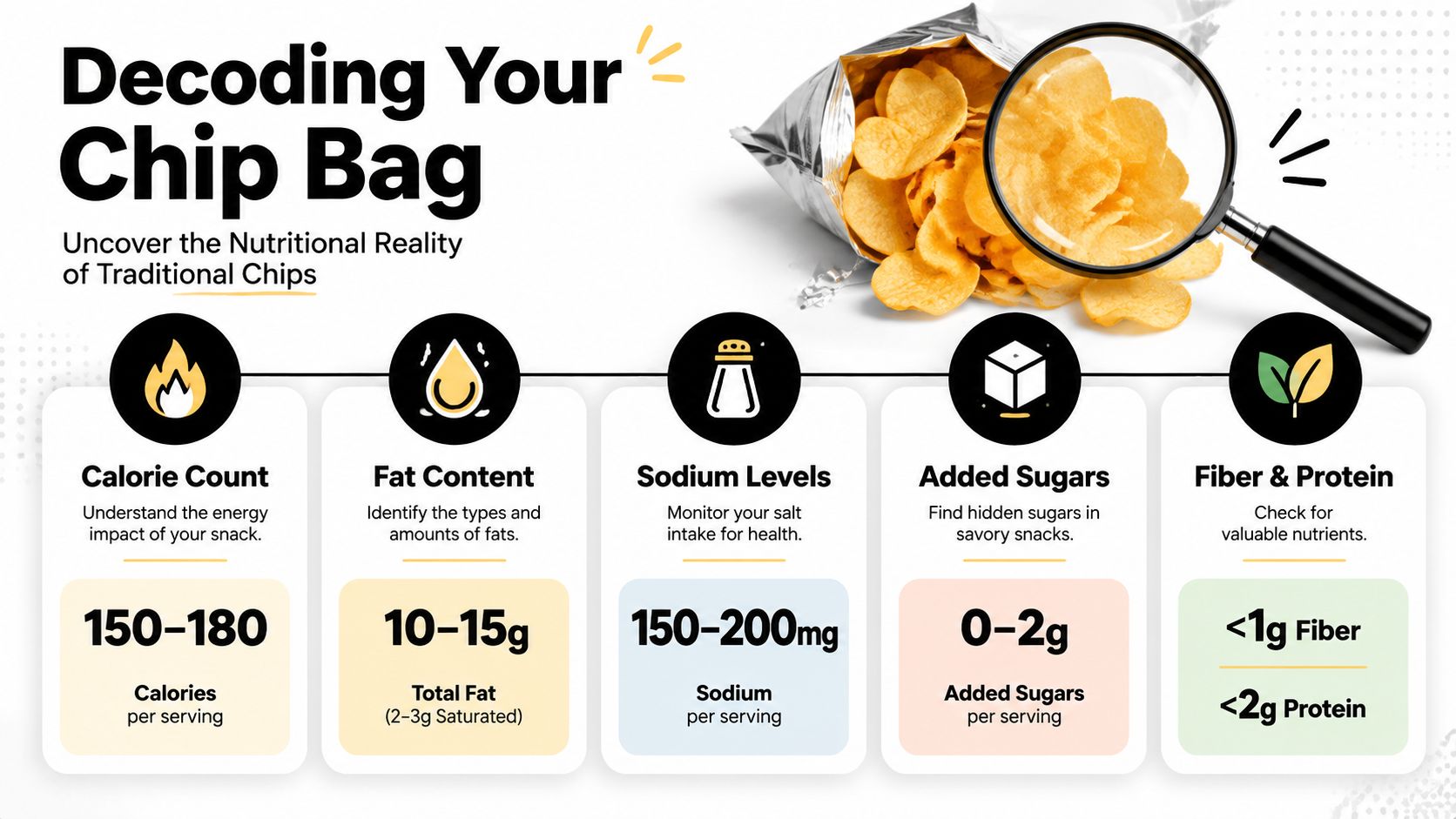
That ingredient pattern matters because the same elements that make buffalo ranch chips craveable also shape who can eat them and how they fit into a nutrition plan. Brands such as UTZ and Golden Flake sell thin and crispy buffalo ranch chips that provide about 150 calories per 1-ounce serving, with 9 grams of fat, 16 grams of carbohydrates, and 2 grams of protein according to UTZ buffalo ranch chip nutrition data.
For readers who want savory flavor built with performance in mind, it also helps to browse a wider range of savory protein snack flavors so you can separate the flavor you want from the nutrition trade-offs you don't.
Practical rule: Flavor and function aren't the same thing. A chip can taste exactly right and still be a poor fit for training nutrition.
The Nutritional Reality of Traditional Chips
A standard bag of traditional buffalo ranch chips is usually designed around crunch, shelf stability, and flavor impact. Those goals don't automatically line up with dairy-free eating, ingredient simplicity, or everyday satiety.
What's actually in the bag
The first issue is the macro structure. Traditional flavored chips are usually a mix of starch and fat with very little protein. That means they're easy to eat quickly and hard to use as a snack that does real nutritional work for you.
The second issue is the ingredient list. Many commercial buffalo ranch chips include dairy-derived ingredients in the seasoning blend. Products in the category, including Uglies Buffalo Ranch, contain organic buttermilk and organic skim milk, and many formulations rely on safflower or sunflower oil, as shown on the Uglies buffalo ranch product listing. If you're dairy-free or trying to avoid seed oils, that matters before you even get to macros.
Why that matters for health-conscious eaters
For a lot of people, buffalo ranch chips feel harmless because they're “just chips.” In practice, they can create several friction points:
- Low protein payoff: You chew through a serving and still need a real snack afterward.
- Dairy exposure: Buttermilk and milk powders make many options unusable for dairy-free shoppers.
- Oil quality concerns: Some people tolerate seed-oil-heavy products fine. Others actively try to reduce them.
- Weak nutrient density: A salty, crunchy snack can satisfy a craving without contributing much to recovery or fullness.
A simple way to think about it is this. Traditional buffalo ranch chips are like a playlist with one song on repeat. You get crunch and flavor, but not much else. There isn't enough protein to support muscle maintenance, and there usually isn't much fiber to slow things down.
For readers comparing snack formats more broadly, this breakdown of tortilla chips nutrition and what to watch for is helpful because it shows how common these trade-offs are across salty snack categories.
When a snack is built mostly from starch, oil, and seasoning, it usually tastes better than it performs.
Why Standard Chips Fail Your Fitness Goals
If your goal is training support, appetite control, or better body composition, standard buffalo ranch chips miss on the variables that matter most.
The macro split tells the story. Traditional buffalo ranch chips come in at roughly 44% carbohydrates, 50% fat, and 6% protein, according to this buffalo ranch kettle chip macro profile. That balance is fine for flavor delivery. It's a weak setup for satiety.
They don't help much with fullness
Protein plays a central role in how satisfying a snack feels after you finish it. When protein is very low, you often get the sensory reward of eating without the staying power. That's why chips can disappear fast and still leave you poking around the kitchen later.
That same macro profile is also associated with weaker activation of GLP-1 and PYY, the fullness-signaling hormones people often care about when they're trying to manage hunger. If you're using a protein-first strategy, or following a plan that depends on better appetite control, standard chips work against that effort.
They're a poor post-workout choice
After training, your snack has a job. It should help with recovery, not just deliver a strong flavor hit. A snack that's mostly carbs and fat with very little protein doesn't bring much to muscle repair or muscle maintenance.
That doesn't mean carbs are bad. It means carbs without enough protein usually aren't enough on their own for a fitness-focused snack. If you've just lifted, done intervals, or need something to bridge you to your next meal, buffalo ranch chips are usually more distraction than support.
They can derail weight-management routines
For people managing calories, trying to stay full between meals, or using GLP-1 approaches, the details matter. Standard chips are easy to overeat because they're hyper-palatable and not very filling. The result is a snack that takes up room in your day without helping much with hunger.
A practical filter I use is simple:
- If a snack won't keep you full, it's more of a craving delivery system than a fueling tool.
- If it doesn't provide meaningful protein, it probably won't earn a regular spot around workouts.
- If it leaves you hunting for more food soon after, the snack didn't solve the problem.
Chips can fit into a flexible diet. They just shouldn't be mistaken for a performance snack.
Discover High-Protein Savory Alternatives
If you love buffalo ranch chips, you don't need to switch to sweet bars or chalky shakes just to eat more protein. The smarter move is to find a savory snack that keeps the crunch and bold seasoning while changing the nutrition architecture underneath.
What a better option looks like
A more useful category for active people is plant-based savory protein snacks, especially ones built with pea protein and cleaner oils instead of the classic potato-and-seasoning setup.
One reason this matters goes beyond macros. According to ingredient and oil profile analysis tied to conventional chip formulations, alternatives that remove dairy and certain seed oils while using iron-rich pea protein can improve iron bioavailability by 6-8x. For athletes and regular gym-goers, that's relevant because iron status supports oxygen delivery and recovery.
That doesn't mean every protein snack is automatically good. Some still miss on texture, some rely on ingredients people want to avoid, and some taste nothing like the savory chips they're replacing. The products worth considering usually check several boxes at once:
- Protein-first design: Enough protein to make the snack functionally useful.
- Savory flavor: So it scratches the itch that chips usually cover.
- Allergen awareness: Helpful for dairy-free, soy-free, or gluten-free shoppers.
- Ingredient clarity: Easier to fit into a cleaner eating style.
If you want more options in this category, this guide to snacks that support weight loss goals is a practical companion read because it stays focused on snacks people will want to eat.
Traditional chips versus a protein-forward format
Here's the key comparison.
| Metric | Traditional Buffalo Ranch Chips | Gym Snack Protein Puff |
|---|---|---|
| Base ingredient focus | Potato and seasoning | Pea protein-based savory snack |
| Protein role | Minimal protein | 15g+ protein per serving |
| Fat source pattern | Often includes seed oils | No seed oils |
| Allergen profile | Often includes dairy | Dairy-free, soy-free, gluten-free |
| Recovery support | Limited | Better aligned with post-workout and between-meal fueling |
| Satiety potential | Lower | Better suited to protein-first snacking |
| Iron support approach | Limited practical benefit | Uses iron-rich pea protein |
One example in this space is high-protein chips and savory protein snacks, including Gym Snack's plant-based puffs and crisps. They're built around pea protein, deliver 15g+ protein per serving, and avoid dairy, soy, gluten, and seed oils. That combination makes more sense for someone who wants buffalo-ranch-style flavor without defaulting to a standard potato chip profile.
What works and what doesn't
What works is a snack that solves the original craving and supports your plan. Crunch matters. Bold seasoning matters. So does getting enough protein to make the calories worth it.
What doesn't work is replacing chips with something technically higher in protein but miserable to eat. If the texture is off or the flavor feels flat, you won't keep buying it. The sweet spot is a savory snack you'd choose for taste anyway, with macros that finally match the job.
Craft Your Own Healthy Buffalo Ranch Seasoning
If you like controlling ingredients yourself, homemade seasoning is an easy win. You can get the same spicy-tangy-herby effect without relying on dairy powders or the standard chip coating used in packaged products.
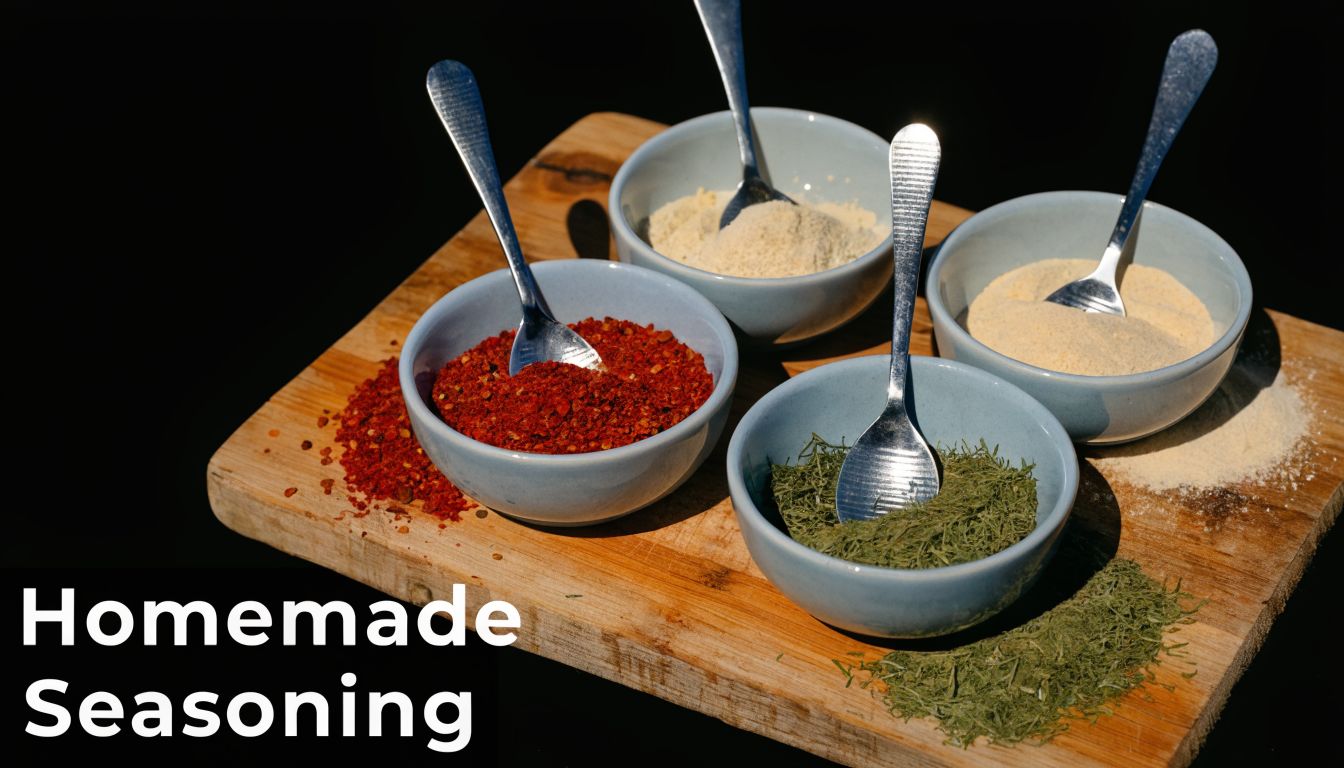
A simple dairy-free buffalo ranch blend
Mix these pantry ingredients until evenly combined:
- Paprika: Adds depth and color.
- Cayenne: Brings buffalo-style heat.
- Garlic powder and onion powder: Create the savory ranch backbone.
- Dried dill: Gives that familiar cool-herb note.
- Nutritional yeast: Adds a cheesy, savory layer without dairy.
- Salt and black pepper: Round it out.
Taste and adjust. More cayenne if you want it sharper. More dill and nutritional yeast if you want the ranch side to come forward.
Kitchen note: Dry seasoning works best when you toss it with a warm food surface, because the heat helps the flavor cling.
How to use it at home
You can scatter the blend over thinly sliced potatoes, sweet potatoes, or zucchini before baking. Use a light coating of oil, spread the slices so they don't overlap, and bake until crisp around the edges. Let them cool slightly before eating, because that's when they firm up.
You can also use the seasoning on roasted chickpeas, popcorn, or homemade protein crackers if you want a snack with more staying power than basic baked chips.
A quick visual walkthrough helps if you want to make the flavor from scratch and see how the seasoning comes together in practice.
Homemade won't always beat the convenience of a ready-to-eat bag. It does give you control over dairy, oil choice, and how intense you want the buffalo versus ranch balance to be.
How to Choose a Snack That Fuels Your Day
A good snack should do at least two things at once. It should satisfy the craving that made you reach for it, and it should support the rest of your day instead of creating another hunger problem an hour later.
That's especially relevant now because 62% of Americans are actively tracking protein intake, and many still hit a wall when they look for savory options instead of bars or shakes, as noted on the Uglies product page discussion tied to this market gap.
A simple checklist that works
Use this when you're deciding whether a snack earns a repeat purchase:
- Check the protein first: If the protein is tiny, the snack probably won't carry much fullness.
- Read the ingredient list, not just the front label: Buffalo ranch flavor often hides dairy ingredients.
- Look at the oil source: If you care about avoiding seed oils, you'll usually spot that quickly.
- Match the snack to the moment: A post-workout snack should work differently than a movie-night snack.
- Prioritize repeatable choices: The best snack is the one that fits your body and your routine often enough to matter.
Buffalo ranch chips aren't “bad.” They're just usually built for flavor-first snacking, not performance nutrition. Once you understand that difference, it gets easier to choose something that supports your training, your appetite, and your preferences.
Flavor doesn't have to be the part you sacrifice.
If you want a savory option that's built more intentionally for protein-focused eating, Gym Snack is worth a look. It offers plant-based crunchy snacks designed around pea protein, bold flavor, and a cleaner ingredient profile, which makes it a practical fit for people who want something closer to a performance snack than a standard chip bag.