

Let's be honest—walking down the snack aisle feels like navigating a minefield. Every bar screams for your attention, promising to be the one-stop solution for your energy, health, and happiness. Amidst this chaos, one category has carved out a popular niche: the cereal protein bar.
So, what exactly are we talking about? Picture your favorite childhood breakfast cereal—the crunchy, satisfying stuff—but with a serious grown-up upgrade.
What Are Cereal Protein Bars, Anyway?
Think of a cereal protein bar as a brilliant team-up. On one side, you have the simple, quick-burning carbs from ingredients like rice crispies, oats, or corn flakes. This is what gives you that immediate "get-up-and-go" feeling and that familiar, nostalgic crunch.
On the other side of the partnership is a solid dose of protein. This usually comes from whey, casein, or plant-based sources like pea or soy protein. This is the "heavy lifter" of the duo, responsible for muscle support and keeping you feeling full and satisfied.
The Best of Both Worlds
When you combine these two elements, you get something pretty special. The cereal provides the taste and texture we all crave in a snack, while the protein gives the bar some real staying power.
It's the key difference between a fleeting sugar rush and genuinely sustained energy. That protein actually slows down how quickly your body digests the carbohydrates, which helps you sidestep that awful energy crash an hour after a carb-heavy snack.
This clever design is what makes cereal protein bars so incredibly versatile. They’re not just another candy bar in disguise; they're thoughtfully engineered to fit right into a busy, active lifestyle.
Before we dive deeper, here's a quick snapshot of what these bars bring to the table.
Cereal Protein Bars at a Glance
This table breaks down the essential characteristics and uses for cereal protein bars.
| Characteristic | Description |
|---|---|
| Core Components | A blend of breakfast-style cereals (oats, rice, corn) and a protein source (whey, casein, pea protein). |
| Primary Benefit | Delivers both quick energy from carbohydrates and lasting fullness (satiety) from protein. |
| Texture & Flavor | Typically crunchy and sweet, mimicking popular breakfast cereals or granola bars. |
| Ideal Use Cases | Pre-workout fuel, post-workout recovery, on-the-go snacking, or a healthier treat alternative. |
As you can see, they are designed to be more than just a tasty bite—they are a functional food.
Core Purpose and Function
At its heart, a cereal protein bar is designed to deliver energy and satiety in one easy-to-carry package. This makes them a go-to choice for a few specific scenarios:
- Pre-Workout Fuel: Need a quick boost before hitting the gym? The carbs provide that fast-acting energy your muscles crave for performance.
- Post-Workout Recovery: The protein component gets to work after your session, helping repair and rebuild muscle tissue, which is absolutely vital for seeing results.
- Beating Back Hunger: With a protein content often landing between 10g and 20g per bar, they do an excellent job of curbing those mid-afternoon cravings and keeping you full until your next meal.
Ultimately, these bars were created to solve a problem many of us face: how do you get the nutrition you need without giving up convenience or taste? They take the simple comfort of cereal and pack it with the benefits of protein, creating a snack that truly works for you. Understanding this basic formula is the first step to figuring out if they're the right fit for your personal health goals.
How to Read a Protein Bar Nutrition Label
Let’s be honest, flipping over a protein bar to read the label can feel like you need a decoder ring. The front of the package is all about exciting promises, but the back panel is where the truth lives. If you really want to know what you’re eating, you have to master how to read nutrition labels.
The first thing I always check are the big three: protein, carbs, and fat. These macronutrients are the foundation of the bar and tell you exactly how it’s going to work for your body.
Breaking Down the Macros
What you're looking for is a good balance. For a solid, all-purpose cereal protein bar, I usually recommend finding one with 15-20 grams of protein. That’s the sweet spot—enough to help with muscle recovery after a workout and keep you feeling full so you aren't reaching for another snack an hour later.
Next up, carbohydrates. A typical bar has around 20-30 grams, which is perfect for that quick burst of energy you need before the gym or to power through an afternoon slump. But don't just stop at the number; the source of those carbs is just as crucial.
A bar is more than just a set of numbers. A high-protein count doesn't mean much if it's paired with a mountain of sugar and a list of artificial ingredients you can't even pronounce.
This is exactly why these bars work in the first place. The cereal gives you that initial energy boost, and the protein follows up to provide sustained fuel and muscle support.
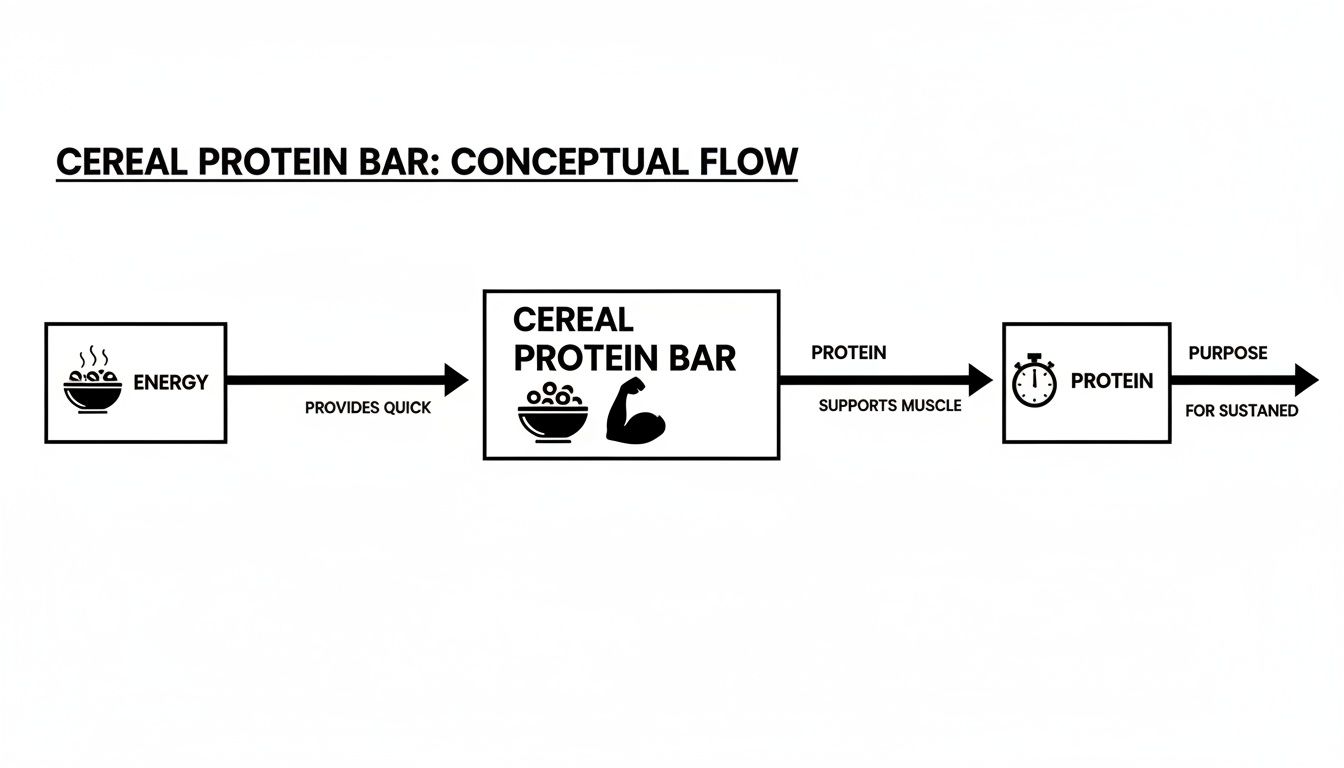
Think of it as a one-two punch: fast energy followed by lasting power. You need both for the bar to do its job effectively.
The Hidden Sugar Trap
Here’s where you need to be a real detective. Find the line for "added sugars." This is one of the most important things to check, as it tells you how much sugar was tossed in during manufacturing, not the sugars that occur naturally in things like fruit. My rule of thumb? Stick to bars with less than 10 grams of added sugar.
Watch out, because sugar loves to hide in plain sight on the ingredients list. It goes by a lot of different names, including:
- High-fructose corn syrup
- Dextrose
- Cane juice
- Maltodextrin
Finally, give a quick glance to fiber and fat. A bar with at least 3-5 grams of fiber will do a much better job of keeping you satisfied and supporting good digestion. As for fats, you just want to make sure the bar is low in saturated fat and completely free of trans fats.
If you want to do an even deeper dive, our guide to a protein bar's nutrition facts will turn you into a label-reading pro.
Good Ingredients vs Unhealthy Fillers
Once you’ve cracked the code on the nutrition label, your next move is to flip the bar over and scan the ingredient list. This is where you see what a bar is really made of, separating the genuinely good stuff from the glorified candy bars masquerading as health food. Think of it like cooking—you can’t whip up a nutritious meal from junk ingredients, and the same goes for your cereal protein bars.
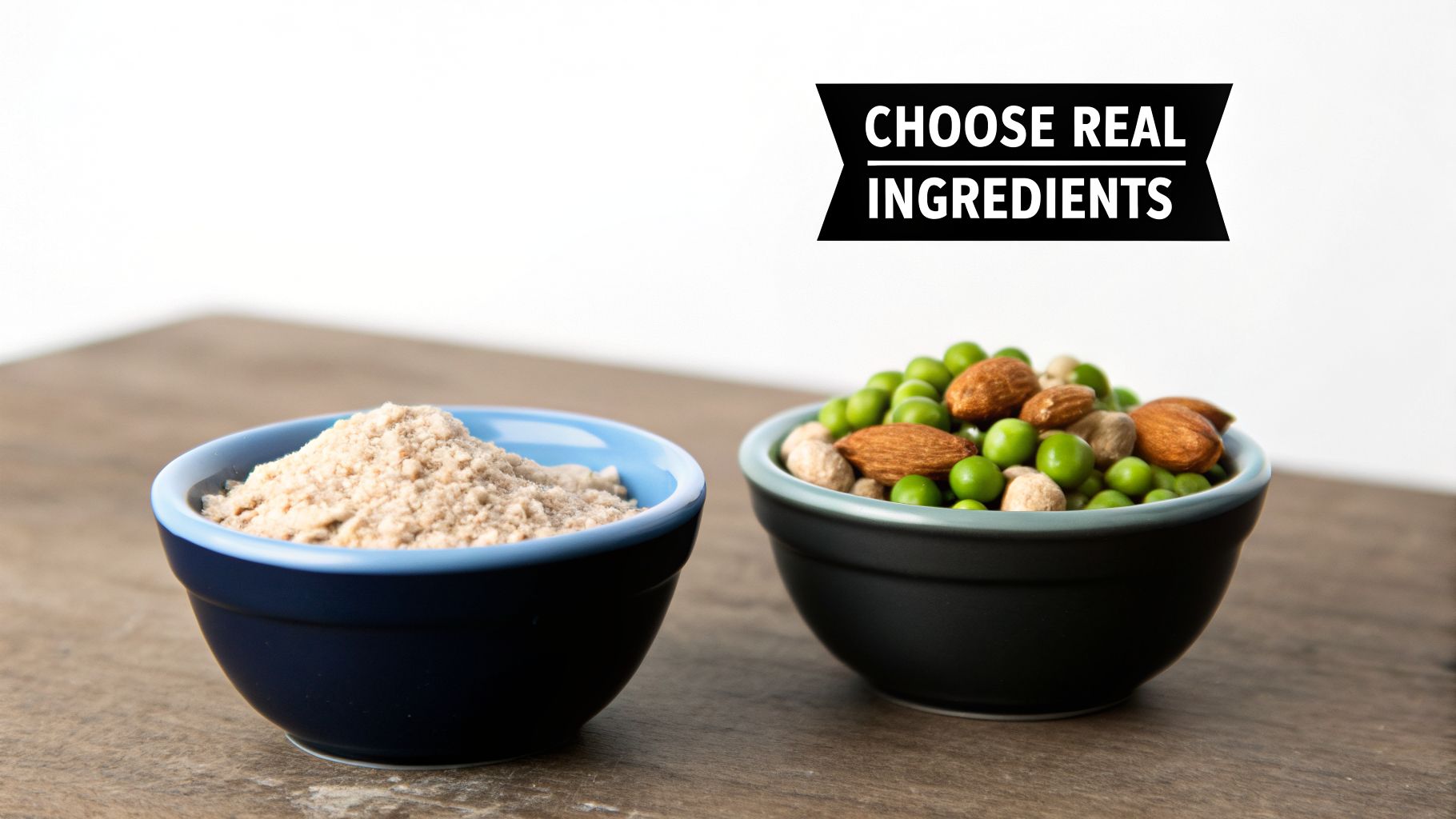
The very first thing you should look for is the protein source. The quality and type of protein used are what determine if the bar will actually help with muscle repair and keep you feeling full, or if it’s just empty marketing.
Champion Protein Sources
Let’s be clear: not all proteins are the same. Your body absorbs and uses high-quality sources much more efficiently, which means you get more bang for your buck.
- Whey Protein: A fitness staple for a reason. This dairy-based protein is a complete protein that digests fast, making it perfect for kickstarting recovery right after a workout.
- Casein Protein: Also from dairy, casein is whey’s slow-and-steady cousin. It digests gradually, feeding your muscles a steady stream of amino acids. This makes it a fantastic choice for staving off hunger between meals.
- Plant-Based Proteins: Excellent options like pea, soy, brown rice, or hemp protein are a lifesaver if you're vegan or can't handle dairy. The best brands now blend different plant sources to create a complete amino acid profile that can stand toe-to-toe with whey or casein.
The goal is to see one of these high-quality proteins listed near the very top of the ingredient list. Ingredients are listed by weight, so a protein-first formula means you're getting a bar that prioritizes function over filler.
Nailing this one check is a huge step. It confirms the bar is built to do its job: deliver effective protein. Now, it's time to play detective and look for the unwanted guests that often crash the party.
Unhealthy Fillers to Avoid
A lot of brands cut costs by bulking up their bars with cheap fillers and synthetic ingredients. While it might make the bar cheaper to produce or taste sweeter, it’s usually your health that pays the price.
Be on the lookout for these common culprits:
- Excessive Sugar Alcohols: You'll see them listed as maltitol, xylitol, or erythritol. They add sweetness without calories, but in large amounts, they are notorious for causing bloating, gas, and an upset stomach.
- Artificial Sweeteners: Ingredients like sucralose and aspartame can be problematic for some people. If you’re sensitive, check out our guide on finding great protein bars without artificial sweeteners.
- Unhealthy Fats: Hydrogenated oils are a hard pass—they're trans fats. Also, watch out for excessive palm oil, which is loaded with saturated fat and comes with its own set of environmental baggage.
- Soy Protein Isolate: While whole soy is a decent protein, the highly processed "isolate" version is a lower-quality, cheaper filler you’re better off avoiding.
By knowing what to look for—and what to run from—you can pick a cereal protein bar with confidence, knowing you’re fueling your body with clean, effective nutrients, not just empty calories and cheap additives.
Timing is everything, and that’s especially true when it comes to protein bars. It's not just about what's in your cereal protein bar, but when you eat it. Get the timing right, and you can seriously amplify the benefits.
Think of your protein bar as more than just a quick bite. It’s a tool in your nutritional toolkit, and knowing when to use it depends entirely on what you want to accomplish. Are you trying to power through a workout, bounce back faster, or just dodge that 3 p.m. vending machine call? Each goal has its own game plan.
Fueling Your Workout Pre-Game
Eating a cereal protein bar about 30 to 60 minutes before you exercise is a classic move for good reason. The carbs from the cereal give you a quick shot of accessible energy, making you feel ready to go from the first rep to the very last.
At the same time, the protein gets a head start on protecting your muscles. It begins delivering a steady stream of amino acids, which can help prevent muscle breakdown while you’re training hard. Look for a bar with a solid balance of carbs and protein for this pre-workout window.
Post-Workout Recovery and Repair
After you've finished your last set, the clock starts on what's often called the "anabolic window." This is that crucial period, usually within an hour or two after exercise, when your muscles are primed and ready to soak up nutrients for repair and growth.
Grabbing a protein-rich bar during this time gives your tired muscles exactly what they’re craving: essential amino acids. This helps kickstart the muscle-building process, allowing you to recover quicker, feel less sore, and build strength more effectively over time. For anyone who exercises regularly, a great fitness app can be a huge help in syncing your nutrition with your training schedule to maximize recovery.
Beyond the Gym: The All-Day Snacking Solution
Of course, you don’t have to live in the gym to benefit from a protein bar. Their grab-and-go nature makes them a lifesaver for navigating a busy day and keeping hunger in check.
A high-protein bar is a fantastic tool for satiety—that feeling of being full and satisfied. The protein slows down digestion and helps keep your blood sugar stable, which is key to crushing those cravings for sugary, less-than-healthy snacks.
This makes them a perfect fit for a few common scenarios:
- The Mid-Afternoon Slump: When your energy tanks around 3 p.m., a protein bar offers sustained fuel without the inevitable crash you get from a candy bar.
- On-the-Go Meal Support: Let's be real—sometimes you're just too busy for a proper meal. A protein bar isn't a perfect replacement, but it's a much smarter choice than skipping food altogether.
- Weight Management: Because they help you feel fuller for longer, protein bars can make it easier to manage your overall calorie intake throughout the day.
We see this strategic snacking reflected in what people buy. Consumer habits show a surprisingly sophisticated awareness of nutrition, with choices often tied to specific health goals. For instance, men might gravitate toward high-protein options for muscle building, while women might prioritize natural ingredients and bars that support weight management. If you dig into recent market analysis, you'll see these snack bar trends playing out in real-time.
Tired of Sweet Snacks? Try Savory Protein
If you've ever found yourself staring at a wall of protein bars, only to see endless variations of chocolate, caramel, and cookie dough, you know the feeling. It’s that moment when your body needs fuel, but your taste buds just can't handle another dessert-like snack.
This is flavor fatigue, and it’s a real thing. Your palate is screaming for something different—something that doesn't feel like you're eating candy for the third time today.
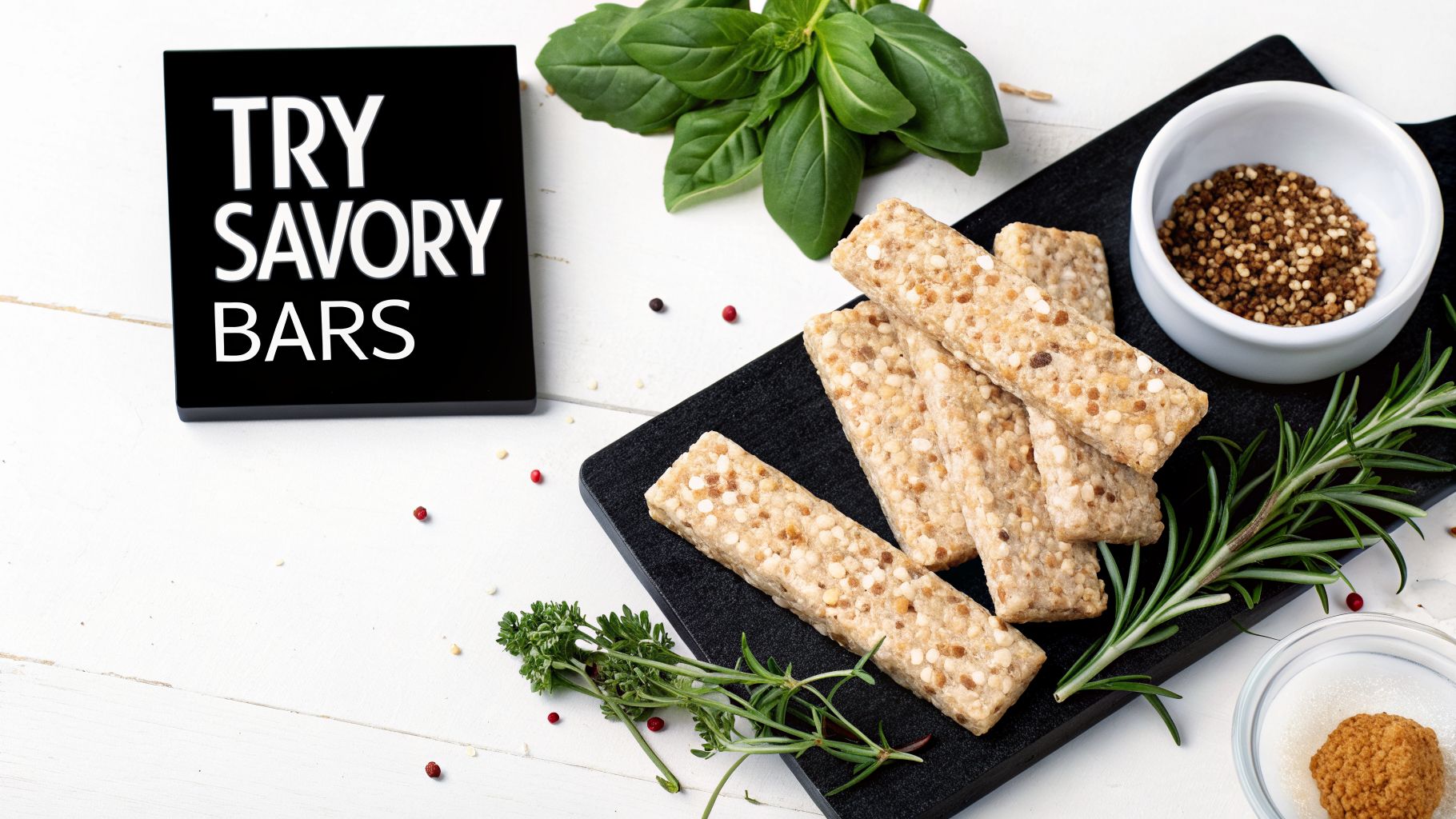
That’s where savory protein snacks come in. Imagine hitting your protein goals with the satisfying crunch and bold flavor of sharp cheddar or zesty jalapeño. It’s a complete departure from the monotonous cycle of sweetness, offering a satisfying alternative that feels more like a real food break.
A Chef-Crafted Savory Solution
We created Gym Snack to solve this exact problem. As people who take our nutrition seriously, we were tired of the lack of variety. Fueling your body shouldn't always taste like dessert.
Our savory, plant-based protein snacks are chef-inspired, meaning they’re built from the ground up for incredible taste and texture. Instead of another sickly sweet bar, you get a powerful punch of over 15g of clean pea protein in craveable flavors like Cheddar Cheeze and Jalapeño Cheddar Cheeze.
It's a smarter way to hit your macros without the sugar rush. We wanted to make protein snacks that taste good on their own terms, not just as a sweet substitute.
By focusing on savory flavors, we provide a genuine meal-like satisfaction that a sweet bar often can't match. It’s the difference between eating a snack and having a truly fulfilling bite that feels more like a mini-meal.
But it’s not just about what we put in; it's also about what we leave out. Our commitment to a clean, simple, and powerful formula makes our snacks an allergen-friendly option designed for today’s health-conscious consumer.
To give you a clearer picture, here’s how our approach stacks up against the typical sweet bars you find everywhere.
Traditional Sweet Bars vs Gym Snack Savory Protein
| Feature | Traditional Cereal Protein Bars | Gym Snack Savory Protein |
|---|---|---|
| Flavor Profile | Sweet (Chocolate, Fruit, Dessert-Inspired) | Savory (Cheese, Herbs, Spices) |
| Primary Goal | Often a sweet treat substitute | A genuine, meal-like snack alternative |
| Protein Source | Commonly whey, soy, or mixed blends | 100% Plant-Based Pea Protein |
| Ingredient Focus | Can contain sugar alcohols, artificial sweeteners, dairy, and soy | No Dairy, No Soy, No Gluten, No Seed Oils |
| Best For... | Curbing a sweet tooth, post-workout recovery | Beating flavor fatigue, afternoon hunger, pre-workout fuel |
As you can see, the difference is fundamental. We're not just adding a salty flavor to a sweet bar formula; we've built a completely different kind of snack from the ingredient list up.
Breaking the Mold of Traditional Bars
Many people find that the standard cereal protein bar just doesn't fit their wellness goals, especially if they’re managing their sugar intake, dealing with food sensitivities, or simply trying to eat cleaner. Gym Snack was designed as a refreshing departure from that norm.
We deliberately formulated our snacks to be free from common irritants and fillers:
- No Dairy or Soy: Perfect for anyone with sensitivities or those following a plant-based diet.
- No Gluten: A safe and delicious choice for individuals with celiac disease or gluten intolerance.
- No Seed Oils: We stick to cleaner ingredients and healthier fats, avoiding cheap fillers.
This is about more than just creating a new flavor. It's about providing a fundamentally different and better way to fuel your body. While a traditional cereal protein bar relies on sweetness to win you over, we deliver powerful nutrition with a savory punch that satisfies a completely different, and often more urgent, craving.
Common Mistakes When Choosing a Protein Bar
It's all too easy to get fooled by slick packaging and end up with a glorified candy bar. When you're picking out a cereal protein bar, you have to look past the flashy promises. Let’s walk through the common traps I see people fall into every day.
The biggest one? Getting so fixated on the protein number that you completely ignore everything else. A bar that boasts 20 grams of protein looks great at first glance, but it's a poor choice if it’s also packed with 25 grams of sugar and unhealthy saturated fats.
Falling for "Health-Washing" Hype
Another classic trap is getting swayed by buzzwords that sound great but mean very little. Terms like "natural" or even "keto-friendly" can be a smokescreen for a not-so-great ingredient list, hiding things like artificial sweeteners, loads of sugar alcohols like maltitol (which can cause digestive upset), or cheap fats like palm oil.
You have to become a bit of a label detective.
The real story of a protein bar is told on its nutrition panel and ingredient list, not in its marketing slogans. A truly healthy bar has a balanced profile of protein, carbs, and fat, with minimal added sugar.
Here's what to actually look for on the back of the package:
- Added Sugars: Try to keep this under 10 grams. The lower, the better.
- Saturated Fat: This number should be as low as possible.
- Ingredient Quality: Look for whole-food ingredients you can actually pronounce.
Over-Relying on Bars as Meal Replacements
Finally, a major misstep is using protein bars to consistently replace whole-food meals. They're incredibly convenient, I get it, but they are designed to be a supplement to a balanced diet—not the foundation of it.
Relying on them too much can create nutritional gaps. Most bars just don't have the full range of vitamins, minerals, and fiber that you get from a complete meal. Think of them as a tool for a specific job: quick pre-workout fuel, post-workout recovery, or a smart snack to get you to your next meal, not as your go-to for breakfast, lunch, and dinner.
A Few Common Questions, Answered
You've got questions, and I've got answers. Let's tackle some of the most common things people ask about cereal protein bars so you can feel confident in your choices.
Can Cereal Protein Bars Actually Help Me Lose Weight?
They absolutely can, but you have to use them smartly. The protein in these bars is great for satiety—that feeling of being full and satisfied. When you feel full, you're less likely to overeat later. In fact, research has shown that high-protein snacks are better for managing appetite than high-fat ones.
The catch, of course, is what else is in the bar. If a cereal protein bar is basically a candy bar in disguise, packed with sugar and unhealthy fats, it's not going to do you any favors. To really support your weight loss goals, look for bars with high protein, a good amount of fiber, and minimal added sugar.
Is It Okay to Eat a Cereal Protein Bar Every Day?
Having a protein bar each day can be perfectly fine, as long as you're picking a quality one. It's a ridiculously convenient way to hit your protein numbers, especially if you have a hectic schedule or need something quick after a workout.
But here’s the key: think of them as a supplement, not a staple. Your diet should always be built on a solid foundation of whole foods like fruits, vegetables, and lean meats. Relying too heavily on any single processed food means you might miss out on the wide range of nutrients your body gets from a varied diet.
Think of a protein bar as a supportive player, not the star of your daily diet. A balanced diet with fruits, vegetables, and lean proteins should always come first.
Are Protein Bars a Better Choice Than Protein Shakes?
One isn't automatically "better" than the other; it all comes down to the situation. Protein shakes tend to digest and absorb more quickly, which makes them fantastic for that immediate post-workout recovery window. They also often pack a bigger protein punch with fewer carbs and fats.
On the other hand, cereal protein bars win hands-down when it comes to convenience and satisfying actual hunger. There's something about chewing and eating solid food that just feels more substantial. A bar's fiber content also helps you stay fuller for longer. If you need a quick, on-the-go snack that feels like a real bite to eat, a bar is tough to beat.
Ready to beat flavor fatigue and fuel your body with something truly different? Gym Snack offers chef-inspired, plant-based savory protein snacks that deliver over 15g of clean pea protein with satisfying crunch and bold flavors. Explore our delicious options at https://gymsnack.com.