

You’re probably here because you’ve done this before. You’re busy, a little hungry, maybe heading to the gym or leaving it, and a coconut and chocolate protein bar feels like the smart choice. It sounds cleaner than a candy bar. It has protein. It’s portable. Problem solved.
Sometimes that choice is perfectly reasonable. Sometimes it’s just dessert wearing gym clothes.
That distinction matters more than people think. A protein snack can support training, help you stay full, and make healthy eating easier. Or it can keep your sweet tooth running the show while giving you just enough protein to justify it. If you use GLP-1 medication, struggle with sugar cravings, or just want snacks that work harder for you, the details matter.
Decoding the Label What's Really in Your Protein Bar
A coconut chocolate bar often looks straightforward on the front of the wrapper. The back tells a more useful story. If you are trying to control hunger, reduce sugar-driven snacking, or make smarter choices while using a GLP-1 medication, that story matters more than the flavor name.

Start by reading the label in layers. First, identify the protein source. Then check what supplies sweetness and chew. Then look at fiber. That sequence helps you tell the difference between a bar built to satisfy hunger and a bar built to imitate dessert. If you want a quick refresher on label layout, this guide to protein bar nutrition facts gives a clear foundation.
Start with the protein source
The first question is simple. What kind of protein are you eating?
Common options include:
- Whey protein. Fast-digesting and common in fitness products.
- Egg white protein. Often used in bars with a short ingredient list.
- Collagen. Easy to blend into bars, but it does not support muscle protein synthesis the same way complete proteins do.
- Pea protein. Popular in plant-based products and useful for people avoiding dairy, soy, and gluten.
At this point, readers often get misled. A bar can say "10 grams of protein" or "12 grams of protein" and still be a weaker choice for training or fullness if that protein comes with a very sweet formula and little chewing resistance. Protein quantity matters. Protein type matters too.
Then check what holds it together
Most coconut and chocolate protein bars need a binder. That is what keeps them chewy instead of dry or crumbly.
Dates are common in cleaner-label bars. Syrups and chicory-based sweeteners also show up often. Nut butters, coconut oil, and coconut butter improve texture and richness, but they also make the bar more calorie-dense. None of that makes a bar automatically bad. It does change what job the bar is doing.
A useful question is: Is this product helping me stop hunger, or helping me keep dessert in my routine?
That sounds blunt, but it clears up a lot of label confusion. A bar made with dates may look more natural than one made with syrups, yet it can still keep your palate expecting a candy-like snack. For someone trying to quiet sugar cravings, that trade-off matters. For someone who just finished a workout and needs something portable, it may be acceptable.
Practical rule: Do not ask only whether the ingredients are clean. Ask what job each ingredient is doing.
Fiber changes how the bar feels after you eat it
Protein gets the marketing headline. Fiber often decides whether the bar feels like a snack or a small dessert.
Bars with ingredients like nuts, coconut, oats, or seeds usually have more structure, more chewing, and a slower eating pace. That can help with satiety. Bars that focus heavily on sweeteners and coatings may still hit a decent protein number, but they are often easier to overeat because they eat like candy with a nutrition claim attached.
This distinction is useful well beyond coconut chocolate bars. It also explains why more people are shifting toward savory protein snacks. Sweet bars can fit. They just should not automatically win the "healthy" label because they contain protein.
Use this quick scan when you turn the wrapper over:
| Label feature | What it tells you |
|---|---|
| Protein source near the top | The bar is built around protein, not just flavored with it |
| Dates, nuts, coconut, oats | More whole-food structure |
| Multiple sweeteners | The product may be chasing dessert taste first |
| Very low fiber | Hunger may return fast |
| Long ingredient list with additives | Texture and shelf life may matter more than simplicity |
A good label does not need to be perfect. It needs to be honest about whether the bar is acting like fuel, a convenience snack, or dessert with a fitness halo.
Matching Bars to Your Fitness and Health Goals
You finish a workout, open your gym bag, and find the same choice many people face at 4 p.m. A coconut chocolate protein bar is easy, familiar, and sweet enough to feel rewarding. That makes it useful in some situations and less helpful in others.

The key question is not whether the bar is "good" or "bad." The better question is what job you need it to do.
If you are not sure how much protein fits your body size, training load, and goal, start with a practical guide on how to calculate daily protein needs. A bar makes more sense once you know whether it is filling a real gap or just adding another snack.
For muscle gain and training support
For training support, convenience has real value. A coconut chocolate protein bar travels well, survives the glove box, and gives you a predictable protein hit after lifting or between meals.
That matters on busy days.
Homemade versions give a useful reference point for what this category often aims for. A recipe analysis from What Is Health shows that DIY coconut chocolate bars often end up as moderate-calorie, moderate-protein snacks with some fiber when they use ingredients such as collagen peptides or egg white protein.
Still, bars solve a narrow problem. They are compact, quick to eat, and easy to treat as a patch between better meals. If your bigger goal is recovery plus fullness, a real meal with protein, produce, and more volume usually does more work.
For weight management
Weight management is where the trade-off gets clearer.
A wrapped bar can stop a convenience-store detour or keep you from grabbing pastries when hunger spikes. The portion is fixed. The calories are visible. For some people, that structure helps.
The catch is flavor conditioning. Many coconut chocolate bars sit in the same mental bucket as a candy bar, even when the ingredient list is cleaner. If your snack keeps teaching your brain to expect chocolate sweetness every afternoon, you may reduce calories without reducing cravings.
A useful self-check is simple. After eating the bar, do you feel settled for a few hours, or do you start hunting for another sweet bite?
For GLP-1 users and people fighting sugar cravings
This group often needs a different framework.
Protein grams still matter, but satiety, sensory intensity, and craving carryover matter too. A dessert-style bar can fit into a high-protein diet while still keeping the sweet-reward loop active. That is why the category deserves a closer look than "high protein" on the front of the wrapper.
GLP-1 users often do better with foods that are smaller in volume but still satisfying, less sweet, and less likely to trigger one more snack. People trying to quiet sugar cravings usually benefit from the same pattern. In practice, that can make savory protein snacks, jerky, roasted edamame, cheese-and-nut pairings, or meat sticks more strategic than a bar that tastes like a controlled dessert.
Plant-based bars can help some shoppers, especially those avoiding dairy or egg. The point is still function first. A plant-based bar that tastes like frosting is still a dessert-style snack. A simpler bar with less sweetness may be easier to use without waking up cravings.
A practical decision filter
Use this quick filter in the store, at your desk, or while packing your bag:
- Need fast post-workout protein: a coconut chocolate bar can work well.
- Need a snack that holds you between meals: choose options with more chew, more food texture, and less dessert appeal.
- Trying to reduce food noise or sugar cravings: be careful with bars that taste like treats, even if the label looks clean.
- Trying to build a cleaner routine: save sweet bars for convenience moments, not as the default daily snack.
A coconut chocolate protein bar is a tool. Some tools are great for occasional use and poor as a daily habit. The smarter choice depends less on the marketing promise and more on whether you need fuel, fullness, or distance from the sweet-snack cycle.
How to Spot a Healthy Protein Bar
You are standing in the snack aisle after a workout or before a long afternoon meeting. Two bars both say "high protein." One reads like a short grocery list. The other reads like a chemistry worksheet and tastes like a candy bar in gym clothes. That difference matters more than the front label suggests.
A healthy protein bar should be easy to explain and easy to use well. If a bar only works because it feels like a reward, it may pull you back into the same dessert loop you were trying to clean up. That is the hidden trade-off in this category. A bar can look disciplined on the label while still acting like a sweet snack in your routine.
Clean-label bars became popular for a reason. Simpler formulas usually give you a better starting point. As noted earlier, some coconut chocolate bars set a decent benchmark with recognizable ingredients, moderate calories, and enough protein to count as a snack with a job to do. Still, "clean" is not the same as "best choice for your goal."
For a product-by-product comparison, this guide to the healthiest protein bar is useful if you want to compare labels beyond the marketing language.
Green flags worth noticing
These signs usually point to a bar built for function rather than pure dessert appeal:
- Recognizable ingredients. Dates, nuts, cocoa, coconut, oats, egg whites, or pea protein are easy to identify and easier to judge.
- A clear protein source. You should know what is providing the protein within a few seconds of reading the label.
- Enough fiber to slow things down. Fiber works like speed bumps for digestion and often helps a bar feel more filling.
- Texture that matches the ingredients. Nuts, seeds, and coconut should feel like food, not whipped candy filling.
- A short ingredient list. Fewer ingredients do not guarantee quality, but they make label-reading more honest.
Some bars also include ingredients such as whole flaxseeds, which can add texture, fiber, and a little more nutritional value without turning the bar into a science project.

Red flags that deserve a pause
A bar can pass the protein test and still fail the appetite test.
- Dessert-style flavor cues. If it sounds like a bakery item first and a protein snack second, treat it with more caution.
- Multiple sweeteners in one bar. Syrups, sugar alcohols, and chocolate coatings often mean the formula is chasing sweetness from several angles.
- Protein used as decoration. A bar should feel built around protein, not sprinkled with it for marketing.
- Very soft, highly engineered texture. That texture often signals a product designed to mimic confectionery more than real food.
This matters even more for people trying to reduce cravings, eat with better appetite control, or use GLP-1 medications well. Sweetness does not just affect taste. It can affect whether one bar feels finished or whether it wakes up the urge to keep grazing.
The three-question test
Instead of asking whether a bar is healthy in the abstract, ask:
- Will this keep me satisfied for a while, or just buy me 20 minutes?
- Does the ingredient list look like food, or like flavor engineering?
- If this came in a savory version, would I still want it?
That third question is useful because it exposes what you are really buying. If the appeal disappears without the chocolate-and-coconut dessert profile, you may be choosing a treat with protein added, not a protein snack that supports satiety.
A good bar should make eating easier, steadier, and less reactive. If it mainly helps justify a sweet snack, it belongs in the occasional convenience category, not the automatic daily one.
The DIY Guide to Homemade Coconut Chocolate Protein Bars
You get home after training, want something quick, and the dessert-style bar in your bag sounds better than chicken, yogurt, or eggs. Homemade coconut chocolate protein bars can look like the smart compromise. They often are better than a heavily engineered packaged bar. But they still sit in the same category. A sweet snack that happens to carry protein.
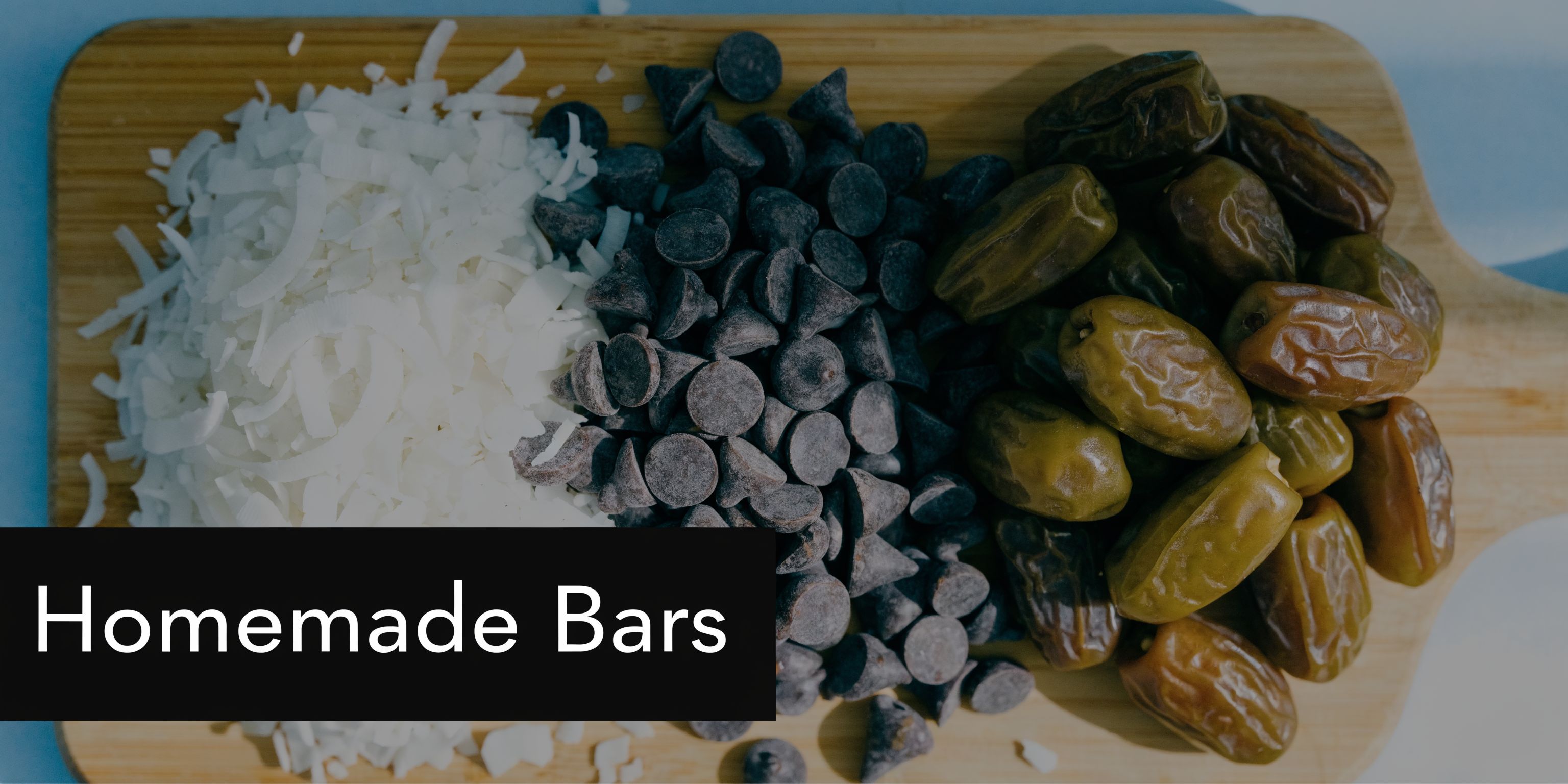
The main advantage is control. You decide how sweet the bars are, which protein powder goes in, and whether the final product behaves more like a snack for recovery or a compact dessert. What Molly Made reports a typical homemade cost of about $0.65 to $1.00 per bar, and the same source notes that refrigerated shelf life may be as short as 4 days.
That trade-off matters. Lower cost and simpler ingredients sound great on paper. In real life, prep time, cold storage, and short freshness windows determine whether you use the bars well.
A simple homemade formula
A basic coconut chocolate bar usually follows a predictable structure:
- Dates to bind the mixture and add sweetness
- Nuts, such as almonds or cashews, for body and fat
- Unsweetened cocoa powder for chocolate flavor
- Coconut flakes for chew and richness
- Protein powder based on your preference or tolerance
- Salt to balance the sweetness
The method is simple. Blend the nuts and dates first until they form a sticky base. Add cocoa, coconut, and protein powder, then pulse until the mixture holds together. Press it into a lined container, chill it, and slice into bars.
Small additions can change how the bar feels and how filling it is. A spoonful of whole flaxseeds adds texture and fiber, though too much can make the bar dry or overly dense. That is a useful reminder that homemade bars are still formulation projects. A little change in moisture or fat can shift them from satisfying to crumbly fast.
Why homemade can be a smart option
Making your own bars exposes the trade-offs that packaged bars often hide.
If you want less sweetness, you can cut back on dates or skip extra chocolate. If certain sugar alcohols or fibers upset your stomach, you can leave them out. If whey sits well for you but pea protein does not, or the reverse, you can build around that.
For people using GLP-1 medications or trying to calm down sugar cravings, this is helpful. You can build a bar that tastes mildly chocolatey instead of candy-like. That matters because the more dessert-like the bar becomes, the more it may keep the sweet-snack loop going even if the ingredient list looks clean.
Here’s a visual walkthrough if you want to see the process in action:
The downside nobody should ignore
Homemade bars solve ingredient control. They do not automatically solve appetite control.
Coconut, dates, cocoa, and nut butter can produce a bar that feels wholesome but still eats like a compact dessert. That is not always a problem. It becomes a problem when the bar is supposed to replace a more satisfying protein snack and leaves you looking for something salty or crunchy 30 minutes later.
Storage is the second issue. Homemade bars often need refrigeration, stay freshest in small batches, and lose convenience the moment you need a snack for the car, desk, or gym bag. Commercial bars win on portability. Homemade bars win on transparency.
A few practical ways to improve the result:
- Keep protein clearly central so the recipe does not turn into date fudge with powder mixed in.
- Use moderate sweetness rather than chasing a candy-bar taste.
- Make smaller batches so you finish them before texture and freshness slip.
- Store bars cold and wrap portions individually if you want better consistency through the week.
- Use them for planned snacks at home or work, not as an all-purpose emergency food.
Homemade coconut chocolate protein bars make sense when you want cleaner ingredients and lower cost. They make less sense when you need long shelf life, maximum portability, or a snack that pulls you away from sweet flavors altogether. That distinction is useful, because a well-made homemade bar can be a better dessert-style protein option without becoming the best protein snack for every goal.
Sweet vs Savory The Case for Savory Protein Snacks
You grab a protein snack at 3 p.m. and want it to help you stay steady until dinner. If the choice tastes like a candy bar, your brain often reads it as a treat first and a hunger tool second. That distinction matters more than the label on the wrapper.
Coconut and chocolate bars often get judged against other sweet bars, as if the only question is which dessert-style option is least problematic. A more useful test is simpler. Ask what kind of eating experience will help in that moment. If you want lasting fullness, less flavor fatigue, and fewer sugar cues, savory snacks deserve a separate category, not a footnote.
Why dessert-style protein bars can work against your goal
Sweet bars are convenient. They are also easy to over-credit.
Even with short ingredient lists and decent protein, many coconut chocolate bars keep the palate focused on sweetness. For someone trying to dial down cravings, that can keep the reward loop switched on. You ate protein, but you may still want something to finish the snack experience. Often it is salt, crunch, or a more meal-like bite.
This is one reason the "healthy dessert" idea can be misleading. A bar can be cleaner than a candy bar and still be the wrong tool for appetite control. That is especially relevant for GLP-1 users, who often do better with smaller portions that feel clear, simple, and satisfying rather than sweet and ambiguous.
Why savory often feels more like fuel
Savory protein snacks shift the sensory cues. Crunch slows eating. Salt and umami read more like food than frosting. The result is often a snack that feels more complete, even when the protein number is similar.
Variety matters too. If your routine already includes shakes, yogurt, or bars in chocolate and vanilla flavors, another sweet snack can start to feel monotonous. A savory option breaks that pattern and can make it easier to keep using protein strategically instead of chasing taste alone.
Plant-based savory snacks also appeal to people who want fewer common allergens or prefer a lighter, less dessert-coded option. The point is not that sweet is bad and savory is good. The point is that savory often matches satiety goals better.
Snack Comparison Dessert Bar vs. Savory Crunch
| Metric | Typical Coconut Chocolate Bar | Gym Snack (Savory Protein) |
|---|---|---|
| Flavor profile | Sweet, dessert-like | Savory, cheesy, crunchy |
| Common protein sources | Whey, egg, collagen, or mixed blends | Plant-based pea protein |
| Role in the day | Often used as a treat replacement or quick convenience snack | Better suited to people who want a non-dessert protein option |
| Satiety experience | Can satisfy temporarily, but may keep sweet cravings active | Built around fullness and a more meal-like snack experience |
| Allergen fit | Often includes dairy or egg | Naturally free of dairy, soy, and gluten |
| GLP-1 user fit | May feel too sweet for some | Better aligned with people seeking savory protein between meals |
| Flavor fatigue | Common if you already use sweet shakes and bars | Offers relief from the usual chocolate-vanilla cycle |
A smarter way to choose
Sort protein snacks by function, not by health halo.
A coconut chocolate bar makes sense when you want a controlled sweet option, quick portability, or a cleaner substitute for a dessert snack.
A savory protein snack is often the better pick when you want steadier fullness, less interest in sugar, a break from sweet flavors, or a snack that feels closer to actual food.
The best protein snack is not always the one with the cleanest dessert profile. Often it is the one that quiets hunger without waking up the urge for more sweetness.
That mindset changes the whole category. Once you stop assuming protein has to arrive in dessert form, it becomes much easier to choose snacks that support appetite control instead of just decorating it.
The Final Verdict Your Snack Strategy Moving Forward
Coconut and chocolate protein bars aren’t the villain. They’re just easy to misclassify.
A well-made one can be useful. It can travel well, add protein to a busy day, and work as a better alternative to a candy bar or pastry. If that’s the role you want it to play, great. Use it on purpose.
But if your goal is steadier fullness, less food noise, better control over cravings, or support for GLP-1-driven eating habits, a dessert-style bar usually shouldn’t be your automatic default. It may still be a sweet snack first and a functional food second.
The most effective way to think about protein snacks is simple. Choose the right tool for the job.
Use sweet bars when you want a cleaner treat or a convenient backup. Reach for savory, higher-satiety options when you want real staying power and less flavor fatigue. That’s a better strategy than endlessly hunting for the perfect “healthy dessert” bar.
The next time you grab a snack, ask one question before you open it.
Is this feeding my goals, or just dressing up a craving?
If you’re ready for a protein snack that doesn’t rely on dessert-style sweetness, Gym Snack offers a different approach. Its chef-inspired, plant-based savory protein snacks are built for crunch, clean ingredients, and real satiety, making them a smart option for gym-goers, busy professionals, and anyone who wants protein that feels more like fuel than a treat.