

Most advice about energy bars is backwards. People are told to grab a bar when they're busy, hungry, or heading to the gym, as if the whole category is automatically healthy. It isn't. A lot of bars are just dessert with a fitness label.
That's why "energy bars that are good for you" is the wrong starting question unless you know how to filter the junk first. The better question is: what is this bar made of, and what job do I need it to do? A bar for a long workout isn't the same as a bar for an office drawer. A snack for appetite control isn't the same as a post-training recovery option.
The bars worth buying usually look less exciting on the wrapper and better on the label. They rely on whole grains, nuts, seeds, and real protein sources. They don't bury the truth under syrup, candy-style coatings, or ingredient lists that read like shelf-stability experiments.
Why Most Energy Bars Are Not Good For You
Walk down the bar aisle and you'll see a dessert case in gym clothing. Chocolate drizzle, cookie dough flavors, crisped syrups, and protein claims are everywhere. A lot of these products are sold as performance food, but for many clients they work more like candy with better branding.
That matters because a bar should solve a specific problem. It should steady hunger, support training, or cover a gap when real food is not practical. A bar that spikes your appetite, tastes like a treat, and leaves you hunting for more food an hour later is not doing that job well.
Testing by Consumer Reports in its review of energy bars showed what a stronger option can look like. One top-rated bar, Patterbar Clean Energy Bar (Fruit Nut Seed, 1.75 oz), had 190 calories, 0g added sugars, 6g protein, 4g fiber, and 40mg sodium. That is a useful benchmark because it delivers enough substance to hold you over without turning a snack into a disguised meal.
Calories aren't the only problem. The bigger issue is how those calories are built. Many bars are heavy on syrups, sweeteners, and processed fats, then light on the things that help with satiety, like protein, fiber, and minimally processed ingredients. You can eat a bar with an impressive front label and still end up hungry fast because the formula was designed to taste exciting, not to satisfy.
I see this all the time with clients who want better appetite control. Sweet bars keep them stuck in the same loop as pastries, breakfast biscuits, and “healthy” cereals. If the bar tastes like dessert, your brain often treats it like dessert. For people trying to eat less sugar and stay fuller longer, savory, protein-first options are usually the smarter play. They create less sweetness fatigue, fit better into a normal eating pattern, and support satiety in a way candy-style bars rarely do.
Practical rule: If a bar looks like dessert and eats like dessert, treat it like dessert.
This is the same broader issue that shows up across packaged convenience foods. Bread is one example. Many families are rethinking processed staples for the same reason, and this guide to ditching store-bought loaves makes that point clearly.
Marketing pushes health language. The ingredient list shows what you are buying.
A useful bar has a clear job and a formula that matches it. If you are trying to clean up your food choices beyond the snack aisle, this practical guide on avoiding processed foods is worth reading. The same filter applies here. Fewer sweeteners, fewer gimmicks, more protein, and ingredients you would recognize outside a factory line.
How to Decode an Energy Bar Nutrition Label
The front of the wrapper is sales copy. The side panel is where the truth lives.
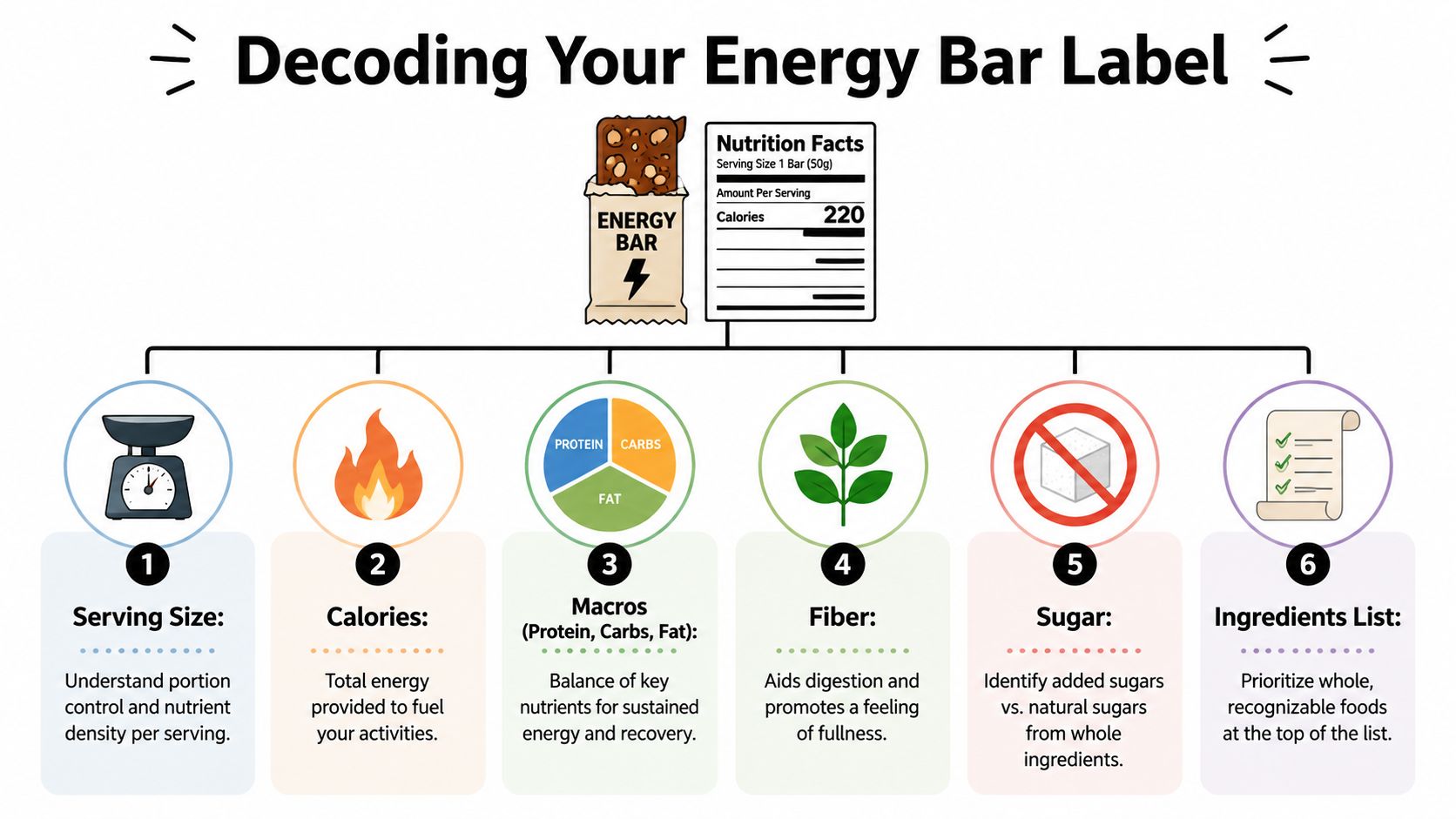
A useful bar should do one of three jobs well. Hold you over, support training, or cover a gap when a real meal is not practical. If the label does not support one of those jobs, the branding does not matter.
Start with serving size and calories
Check serving size first because brands love to make a small portion look cleaner than the full bar is. If one bar contains two servings but nobody would stop halfway, read the whole package.
Calories matter, but context matters more. A 220-calorie bar with solid protein, decent fiber, and restrained sugar can be far more useful than a 180-calorie bar that eats like candy and leaves you hungry an hour later.
Check protein before anything else
Protein determines whether a bar will satisfy you. According to Healthline's guide to whether protein bars are good for you, protein bars can range widely in protein content, and common sources include whey, egg whites, nuts, seeds, and pea protein.
I care less about a flashy number on the front and more about whether the protein source is one you digest well and whether the rest of the formula makes sense. A bar with moderate protein and a clean ingredient list usually beats a dessert-style bar with a bigger claim and a long list of fillers.
For many people, especially those trying to stop grazing all afternoon, savory protein-first bars make this easier. They are less likely to pile sweetness on top of sweetness, and they often fit appetite control better than bars built to mimic brownies or cookies.
Read carbs, fiber, and added sugar together
Looking at carbs alone misses the point. Read total carbs, fiber, and added sugar as a group.
- Total carbs: Tells you the overall load.
- Fiber: Helps slow digestion and improve fullness.
- Added sugars: Shows how much of the bar relies on sweeteners for flavor and quick appeal.
Fruit is not automatically a problem. Syrups, coatings, and multiple sweeteners listed back to back usually are. If the bar is marketed as energy but the formula is mostly sugar with a little protein sprinkled in, expect a short lift followed by hunger.
This is also where savory bars stand out. They do not need to rely on the same sugar-heavy architecture that dominates the category, which makes them a smarter everyday option for steadier energy and better satiety.
Fat quality matters
Fat gives bars texture and staying power, but the source matters. Nuts and seeds are a different story from a bar engineered to feel like a candy bar in disguise.
If you are eating a bar close to training, a heavy, high-fat bar can sit badly and slow things down. For a meal bridge during a busy workday, a bit more fat can help with fullness. Same nutrient. Different job.
Added sugar rarely announces itself honestly. You usually find it by reading the panel, not the slogan.
The ingredient list is the lie detector
The ingredient list tells you what the bar is really made from. Read the first few ingredients slowly. Those ingredients make up most of the product.
If the list starts with nuts, seeds, oats, egg whites, or a clear protein source, that is usually a better sign. If it opens with syrups, chocolate coatings, crisps, flavor systems, and several forms of sweetener, you are buying a confection with fitness branding.
Healthline advises avoiding bars made with high fructose corn syrup and bars that push calories high enough to function more like a meal replacement than a snack. That lines up with what I see in practice. Many of those bars leave people overstimulated by sweetness, under-satisfied, or dealing with stomach issues.
Sugar alcohols deserve special attention. Ingredients ending in "-ol" can cause bloating, gas, or urgent bathroom trips in sensitive people. A bar is not healthy for you if it wrecks your gut, even if the macros look clean on paper.
| Nutrient | Better Sign | Warning Sign |
|---|---|---|
| Protein | Clear source, enough to support fullness or recovery | Big claim paired with a highly processed formula |
| Carbohydrates | Matched to the job, with some fiber and controlled added sugar | Syrups and sweeteners doing most of the work |
| Fat | Mostly from nuts, seeds, or other whole-food ingredients | Dessert-style richness built from processed fats |
| Fiber | Present and tolerated well | Missing, or paired with ingredients that cause digestive issues |
| Sugar | Limited added sugar, especially for daily use | Candy-style sweetness marketed as fuel |
| Ingredients list | Shorter, recognizable, food-based | Long, confusing, and built for shelf life first |
If you want more reps with this skill, this step-by-step guide to reading nutrition labels helps you spot the tricks quickly.
Choosing the Right Bar for Your Fitness Goals
A bar should solve a specific problem. Too many people buy one bar and expect it to cover fat loss, muscle gain, pre-workout fuel, a missed meal, and evening cravings. That is how they end up with a product that is sweet enough to feel like a treat and weak enough to fail at the job.
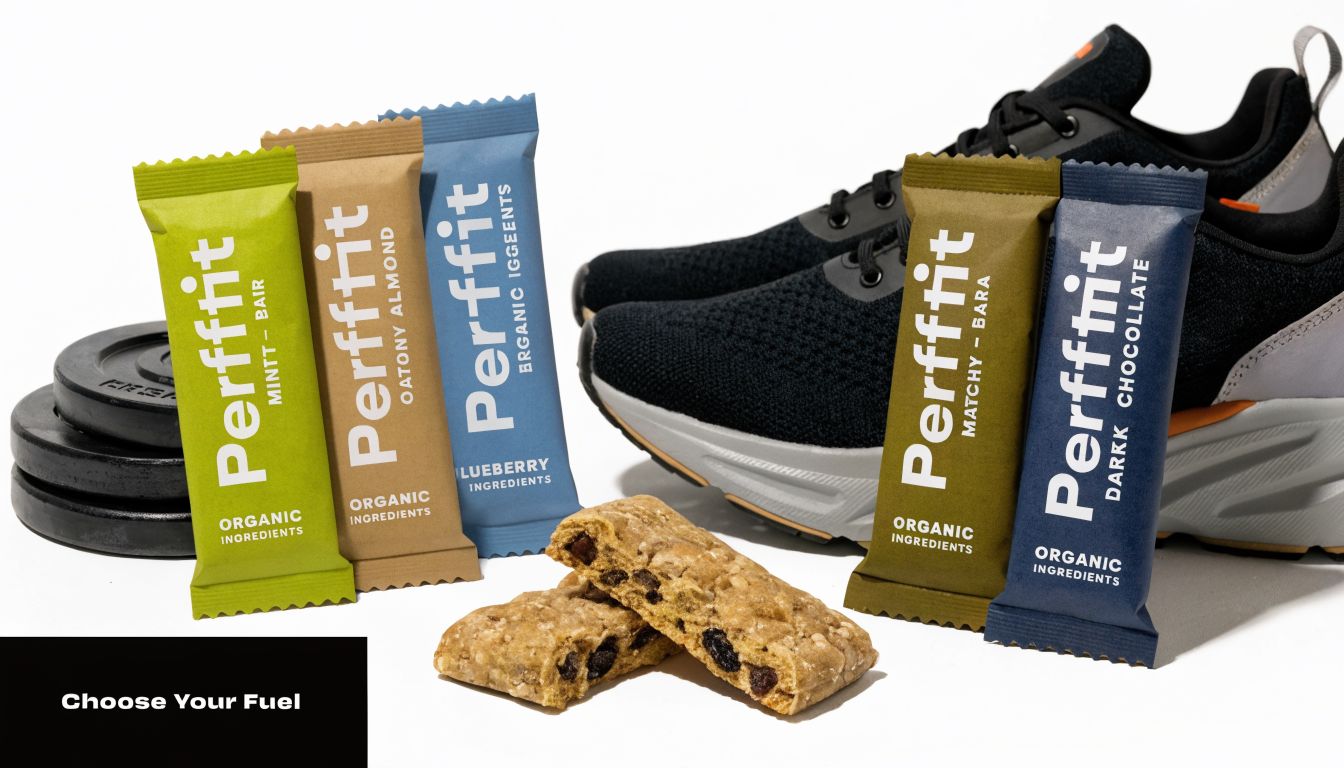
The better question is simple. What do you need the bar to do?
If the goal is training support, the bar needs to match the session. If the goal is appetite control, sweetness becomes a liability fast. If the goal is getting through a long workday without raiding the snack drawer, a savory, protein-first bar usually does a better job than another cookie-shaped product with "fit" branding on the wrapper.
For athletes training hard
Hard training changes the target. A field athlete, lifter, or runner may need faster carbs around demanding sessions, but that does not give every sugary bar a free pass. The bar still has to digest well, provide enough protein to support recovery, and avoid turning into dessert disguised as sports nutrition.
I tell athletes to judge bars by function first and taste second. A good training bar should leave you ready to perform or recover. It should not leave you bloated, overly full, or looking for more sugar an hour later.
If performance is your main concern, this roundup on protein bars for athletes gives a solid starting framework. Team sport athletes also need to think about training density, travel, and recovery demands. That is especially true in settings like strength and conditioning for soccer players, where repeated efforts and tight schedules make practical fueling decisions matter.
For weight management
Satiety matters more than hype.
Dessert-style bars are a poor fit for many people trying to manage body weight because they keep the sweet craving loop alive. You eat something that tastes like a candy bar, then wonder why your appetite is still noisy. A savory bar with meaningful protein often works better because it feels like food, not a reward.
Look for:
- Enough protein to make the snack count
- Fiber from ingredients you tolerate
- Controlled sweetness
- A calorie level that fits a snack, not a full meal
- Texture and flavor that slow you down instead of pushing you to chase another sweet hit
This is also where GLP-1 support matters in real life. Protein, chewing, and satisfaction help people feel done eating. Ultra-sweet bars often miss that mark.
For busy professionals
Convenience is useful. False convenience is expensive.
A bar can help on packed days, but plenty of bars create a blood sugar roller coaster, then leave you hungry again before the next meeting. For office days, commutes, and travel, I would rather see a balanced, protein-forward bar than a sticky oat-and-syrup brick that acts like a small dessert.
Savory options stand out here because they are less likely to trigger mindless snacking. You eat one, move on, and get back to work.
For plant-based eaters
Plant-based bars can be excellent or highly processed. The label alone will not tell you which one you have.
Pea protein, soy, nuts, and seeds can all work. The primary test is whether the bar gives you enough usable protein, sits well in your stomach, and avoids loading the formula with sweeteners to cover up weak texture or flavor. Plant-based eaters often do better with bars that keep the ingredient list practical and the flavor profile grounded.
Choose the bar that fits the job. Sweet bars still have a place, but they should be used on purpose. For everyday energy, better fullness, and fewer gut complaints, savory protein-first bars deserve far more attention than they get.
When to Eat Your Energy Bar for Peak Performance
Bar timing matters more than bar marketing. I see people grab a “healthy” bar at the wrong moment, then blame the workout when their stomach feels heavy or their energy drops halfway through.
Before a workout
Before training, the job is simple. Give your body fuel it can use quickly and avoid anything that sits like a brick. In its sports nutrition discussion of energy bars, Pointe Magazine highlights a practical pre-workout target: bars with a high carbohydrate share, moderate at most fat, and limited saturated fat.
That lines up with what works in practice. If you are eating a bar 30 to 90 minutes before a run, class, or lifting session, a lighter, carb-forward option usually performs better than a dense chocolate-coated bar loaded with nuts, oils, or rich add-ins. Sweet bars can make sense here because speed matters more than fullness.
After a workout
Post-workout calls for a different tool. Now the goal shifts toward recovery, especially carbs plus enough protein to support muscle repair.
A bar with a meaningful protein hit and enough carbohydrate to replace what you used can work well when a full meal is not happening soon. This is the time for a more balanced formula, not the tiny low-calorie bar people pick out of guilt. Under-eating after training is one of the easiest ways to feel drained later, snack all evening, and wonder why recovery stalls.
For general snacking
General snacking is where people get fooled.
A desk snack, travel snack, or afternoon stopgap does not need to behave like sports fuel. It needs to keep you steady, hold you over, and avoid turning hunger into another sugar chase. That is why dessert-style bars are often the wrong default outside training windows.
For everyday use, I would rather see a protein-first bar, and in many cases a savory one, than another syrupy bar pretending to be health food. You get more staying power, fewer gut complaints, and a better shot at feeling satisfied instead of activated to keep eating. If your training includes repeated efforts and variable demands, broader context matters too. This piece on strength and conditioning for soccer players is a good reminder that fueling has to match the sport, the schedule, and the session.
Save sweet, fast bars for when speed matters. For regular life, choose a bar that actually keeps you full.
Breaking Up With Sugar The Case for Savory Protein
A lot of "healthy" bars are just candy with added protein.
That sounds harsh, but it matches what I see in practice. Clients grab a bar for steady energy, then end up with something that tastes like brownie batter, leaves them hungry again, and keeps their palate expecting dessert all day. The bar may fit their macros. It still does a poor job as a real snack.
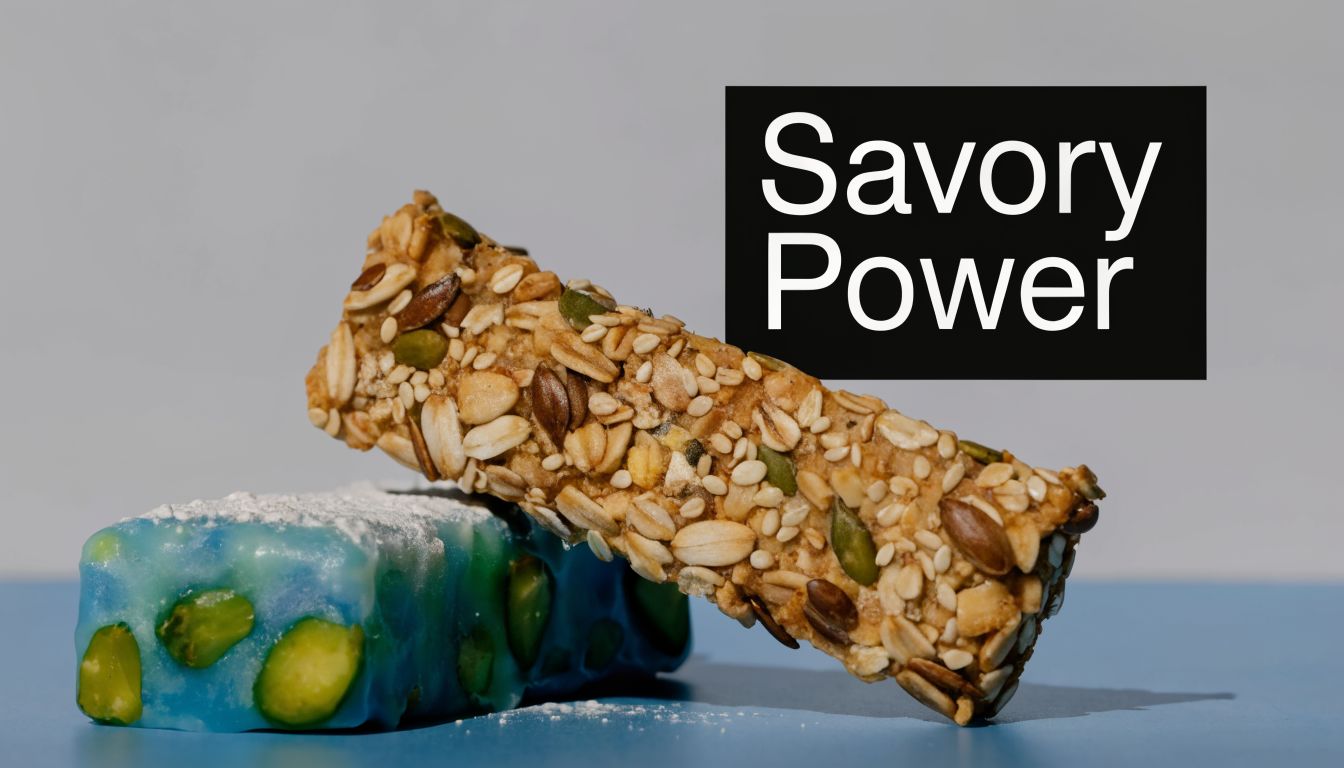
Sweet bars dominate the conversation for no good reason
The market keeps acting like convenience food has to taste like a treat. It does not. For an everyday snack, that sweet-first formula often backfires. It can blur the line between fueling and snacking for pleasure, which is exactly how people end up eating a "healthy" bar and then hunting for something salty or crunchy 30 minutes later.
There is also a clear market gap. Mainstream protein bar roundups still focus heavily on sweet products, as seen in this discussion of protein bar alternatives. That bias misses a simple point. Many active adults are tired of syrupy, dessert-style bars and want something that feels more like food.
Why savory often works better in real life
Savory, protein-first snacks solve several practical problems at once.
First, they support satiety better for a lot of people because the eating experience is less reward-driven. A cheesy, herby, or lightly salted snack does not push the same "have another bite" loop that cookie-flavored bars often do. Second, savory options usually rely less on heavy sweeteners and sugar alcohols, which can mean fewer gut complaints. Third, they reduce flavor fatigue. If every snack tastes like frosting, appetite cues get noisy fast.
That last point matters more than people think.
Appetite regulation is not only about calories. It is also about how satisfying a food feels in the body. Research published in Nutrients has examined how protein-rich foods can support satiety signals such as GLP-1. In practical terms, a less sugary, protein-forward savory bar often leaves people steadier and fuller than a sweet bar with a similar calorie count.
The more your "health bar" tastes like dessert, the less useful it usually is as an everyday snack.
A better standard for snack design
A good bar should help with hunger, not stir it up. For daily use, I would rather see roasted, savory, protein-first options than another chocolate-coated bar trying to pass as health food.
That is the opportunity in this category. Savory bars and bar-adjacent protein snacks fill the gap between sports fuel and junk food. They give active people a way to eat more protein, stay fuller longer, support gut comfort, and stop treating every snack break like a dessert break.
The industry does not need more birthday cake bars. It needs more products built for actual satiety.
How to Make Your Own Healthy Energy Snacks
Homemade snacks solve the biggest problem with packaged bars. You control the ingredients. You control the sweetness. You control whether the snack is built for training, satiety, or simple convenience.
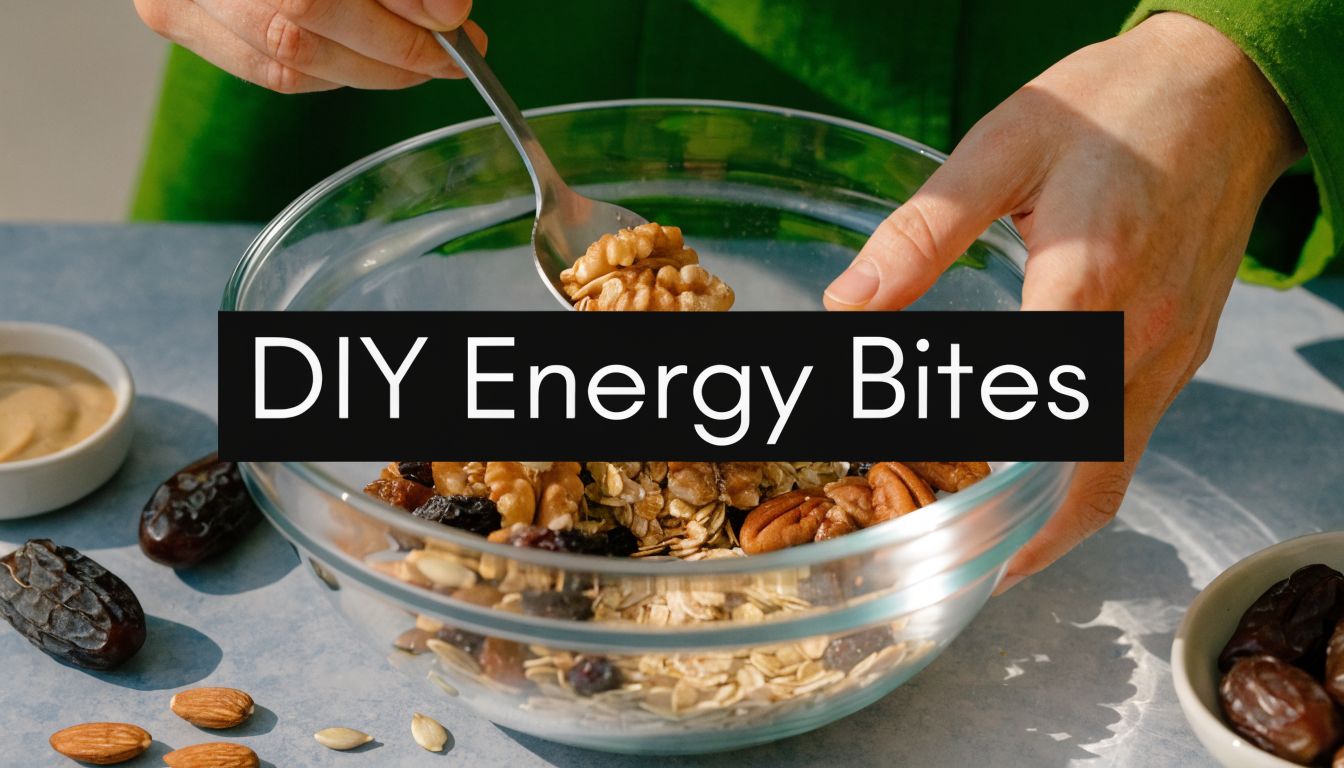
A simple build-your-own formula
You don't need a fancy recipe. Use a base formula and adjust from there.
Try this structure:
- Base: Oats or another whole-grain dry ingredient.
- Protein anchor: Pea protein, nut butter, seed butter, or chopped nuts and seeds.
- Binder: Nut butter or mashed fruit.
- Texture: Seeds, crushed nuts, or unsweetened coconut.
- Flavor: Cinnamon, cocoa, vanilla, or a small amount of dried fruit.
- Salt: A pinch goes a long way.
Mix until the texture holds together, press into a lined container or roll into bites, then chill until firm.
Keep the sweetener in check
Homemade snacks can quickly improve. Overdoing sweetness is a common mistake, stemming from the assumption that healthy has to taste like dessert. It doesn't.
You can make two versions from the same base:
- Workout-focused: A little more fruit and oats.
- Everyday snack: More nuts, seeds, and protein, less sweet binder.
That gives you options without buying five different commercial products.
A quick demo can help if you like seeing texture and mixing cues before you make a batch:
The trade-off with DIY
Homemade is excellent, but there's a downside. It takes planning, prep, storage, and cleanup. If you enjoy that, great. If you don't, your healthy recipe can die in a screenshot folder.
That's why ready-made snacks still have a place. The goal isn't to make everything from scratch. The goal is to avoid being trapped between junk bars and no snack at all.
If you want a convenient option that skips the dessert-bar approach, Gym Snack is worth a look. It takes the savory, protein-first route with plant-based crunch instead of candy-style sweetness, which makes it a smart fit for gym-goers, busy professionals, and anyone who's tired of "healthy" snacks tasting like processed treats.