

It's 3 p.m., you've got one eye on your inbox and the other on the snack drawer, and you want something crunchy that doesn't wreck your stomach or your macros. Maybe you're heading to the gym in an hour. Maybe you're on a GLP-1 and trying to get protein in without forcing down a whole meal. Or maybe you just want a cheese snack that tastes like food, not cardboard with salt.
That's where gluten free cheese snacks get interesting. The category is bigger than a sad bag of crackers, and the useful versions are the ones that give you crunch, protein, and simple ingredients without sneaking in gluten or junk. The wrong versions look harmless, then leave you hungry again in twenty minutes.
Why Gluten Free Cheese Snacks Deserve a Second Look
The usual story goes like this. You grab something cheesy because you want comfort, not a nutrition lecture. Then you check the label, realize it's mostly starch and oil, and wonder why the snack that sounded satisfying barely moved the needle.
That's exactly why gluten free cheese snacks deserve more respect than they usually get. The market around gluten-free snacking is not tiny anymore, it's growing on a long runway, with Allied Market Research valuing the global gluten-free snacks market at USD 843.6 million in 2021 and projecting USD 1.8 billion by 2031 at a 8.3% CAGR from 2022 to 2031, while InsightAce Analytic placed it at USD 1.1 billion in 2024 and forecast USD 2.6 billion by 2034 at 9.2% CAGR (Allied Market Research). That tells you this is no longer a niche pantry corner, it's a real commercial category.
The practical question is not whether it's trendy
The question is whether the snack earns its place in your day. A cheese snack should either support fullness, fit a training window, or solve a celiac-safe craving without extra drama. If it does none of those, it's just a salty detour.
Practical rule: if a snack is “gluten free” but leaves you hungry again fast, it's a compliance win, not a nutrition win.
That's why the next decisions matter more than the front-of-pack claim. You need to know what the format is, how it was built, and whether the protein content is enough to matter. Once you start thinking that way, a cheese crisp, a cheese cracker, and a cheese stick stop looking interchangeable.
For people who want a crunchier, higher-protein route, a resource like crunchy high-protein snacks fits the exact problem. The useful comparison is not “cheese or no cheese,” it's “does this do a job for me?”
What Counts as a Gluten Free Cheese Snack
Hearing “cheese snack” often brings a cracker to mind. That's only one version. A better way to define the category is by format, because format tells you more about texture, portability, and satiety than ingredient marketing does.
The four formats worth knowing
Whole-cheese snacks are the simplest. Cheese sticks and cheese crisps lean on the cheese itself, so they can deliver a cleaner ingredient picture and a firmer protein signal than a starch-heavy snack.
Baked cheese crackers are the classic processed version. These usually combine cheese with starches, flour substitutes, fat, and seasonings, which makes them familiar and snackable, but also easier to under-deliver on protein.
Puffed or extruded cheese snacks are the airy, crunchy ones. They can taste fun and disappear fast, which is exactly why they're easy to overeat.
Coated popcorn or protein puffs with cheese seasoning sit in the middle. The cheese flavor may be strong, but the actual cheese content can be modest, so the label matters more than the vibe.
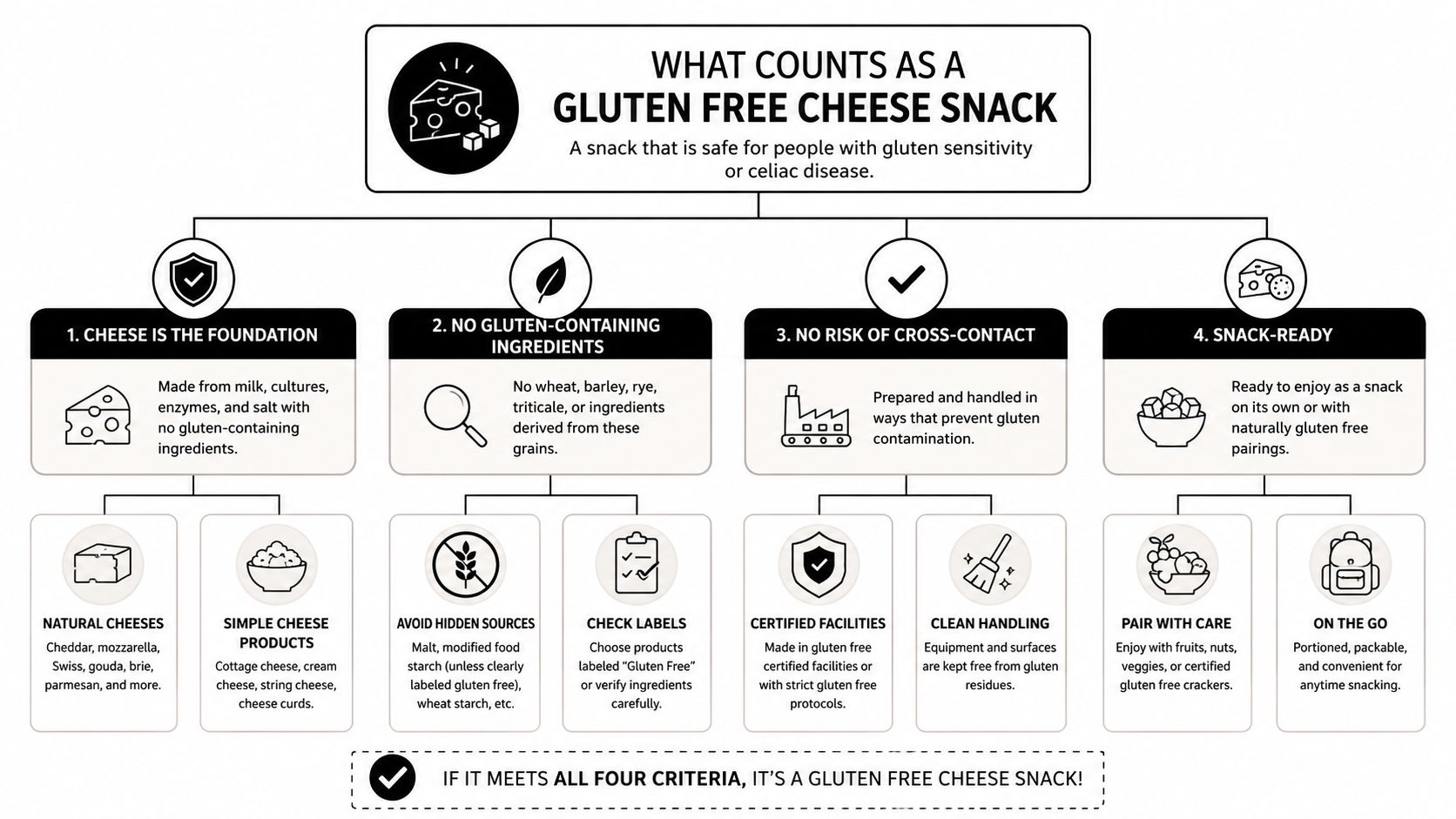
Cheese itself is naturally gluten-free, but the snack system around it is not automatically safe. The starches, binders, seasoning dusts, and flavor carriers are where gluten risk lives, and that's why two products with the same “cheese” promise can behave very differently in the world.
What you're really buying
If you're tossing something in a gym bag, the difference between a crisp and a cracker matters. If you're feeding a kid after school, the difference between a cheese stick and a puff matters. If you're using the snack to hold off dinner, the format matters even more.
The safest mental model is simple. Cheese-based doesn't automatically mean protein-forward, and gluten-free doesn't automatically mean clean. You still need to read the full list.
One more useful way to think about it, if you like hunting for smart snack options, is to compare the cheesy item against something like gluten free high protein snacks. That keeps the focus on function, not just flavor.
How Gluten Free Cheese Snacks Get Their Crunch
Gluten gives regular crackers structure. It traps gas, helps dough stretch, and keeps a baked snack from turning into dust the second you bite it. Take gluten out, and the formula needs help.
What replaces gluten in the dough
Formulators usually build gluten-free cheese snacks with rice flour, potato starch, cornstarch, and tapioca starch, then add binders such as xanthan gum or guar gum. Some systems use HPMC to improve cohesion and baked crispness. That ingredient stack exists for one reason, to recreate the network that gluten would have built on its own. The ingredient architecture in industrial cheese-crisp style formulas, including the use of roughly 0.7% to 1.2% xanthan gum in flour systems and moderate fat for texture stability, shows how much engineering goes into a snack that seems simple on the shelf (technical formulation example).
Why some snacks snap and others crumble
A cheese crisp behaves differently from a cheese cracker. Crisps rely more on the protein-fat matrix of the cheese itself, so they can feel denser and more direct. Crackers need the starch-hydrocolloid system to hold together, which is why bad versions feel sandy or brittle.
A crunchy snack isn't just a texture choice. It's a clue about whether the formula is balanced or barely holding together.
That's why water addition, fat level, and hydrocolloid dose matter so much. Too little structure, and you get breakage. Too much fat, and the snack turns oily instead of crisp. Get it right, and the bite lands with that clean snap people keep chasing in savory snacks.
For people who care about crunch but also want a more protein-conscious snack format, the product logic behind high-protein crunchy snacks is worth understanding. The best versions treat texture like engineering, not decoration.
Nutritional Profiles and What They Mean for You
The category splits in two. Some gluten-free cheese snacks are basically a crunchy delivery system for salt and starch. Others act like a snack with staying power. You can't tell from the flavor alone.
The formats do very different jobs
A cheese crisp usually gives you the cleanest protein-to-bite ratio. It can work well when you want a quick savory hit, especially if you're keeping carbs low and don't want a heavy snack before training. A cheese cracker is more likely to be a casual grazing food, because the starch base tends to dilute the protein. A cheese stick is straightforward and portable, which makes it a solid option when you need an easy protein anchor. A plant-based protein cheese snack can be the best fit when you want crunch plus a more deliberate protein strategy.
For context, traditional cheese snacks often occupy the gap between convenience and nutrition, while newer savory protein snacks are designed to close it. If you want a comparison point for how protein-forward savory products are positioned, the review of Lean Body is a useful contrast because it highlights how the market thinks about protein density, not just taste.
Gluten Free Cheese Snack Formats Compared
| Format | Typical Protein per Serving | Sodium Profile | Best For |
|---|---|---|---|
| Cheese crisps | Higher, often the most protein-dense of the group | Can still run salty | Quick crunch, lower-carb snacking |
| Cheese crackers | Lower, usually more starch-forward | Often moderate to high | Casual snacking, lunchboxes |
| Cheese sticks | Solid protein for a simple single-serve snack | Usually easier to keep moderate | Hunger control, travel, school or work |
| Plant-based protein cheese snacks | Built to be protein-forward | Varies by formula | Fitness, GLP-1 users, on-the-go fullness |
What this means for hunger
If your goal is training recovery or appetite control, protein density matters more than cheesy flavor. Snacks built around more protein tend to give a clearer fullness signal. That's why a lot of people do better with a savory protein snack than with a bag of crackers that just tastes rich.
If you're comparing portable options, this is also where a strong guide to gluten free high protein snacks saves you from choosing with your cravings instead of your goals. A good snack should match the situation, not just the mood.
Reading Labels Without Getting Burned
The front of the bag can be comforting. The back of the bag is where the truth lives. For gluten-free shoppers, the key benchmark is 20 mg/kg, or 20 ppm, gluten or less, because that's the level that supports gluten-free labeling in major markets (NIOPA guidance).
Five seconds that matter
Start with the ingredient list. If you see obvious wheat ingredients, walk away. Then look for shared-facility or shared-equipment warnings, because those don't automatically make a product unsafe for everyone, but they do change the risk calculus for people with celiac disease or high sensitivity.
The hidden trouble spots show up in seasoning systems and flavor carriers. Maltodextrin can be a question mark if sourcing isn't clear, barley-based carriers can sneak into flavors, and some seasoning blends travel through lines that also handle wheat. Cheese snacks are especially exposed because the cheese component may be fine while the coating, dusting, or binder is not.
What to do with a mixed label
If a product says gluten free but also says made in a facility that processes wheat, treat that as a separate piece of information, not a free pass. For celiac shoppers, supplier verification matters more than marketing language. The safest routine is to buy products with clear documentation, and repeat the scan every time, because formulas do change.
A small practical habit helps here. I like keeping snacks organized at home in easy-to-grab containers, and easy release ice molds are a weirdly useful analogy, because they remind you how much difference the container makes. The same ingredients can behave very differently depending on how they're handled.
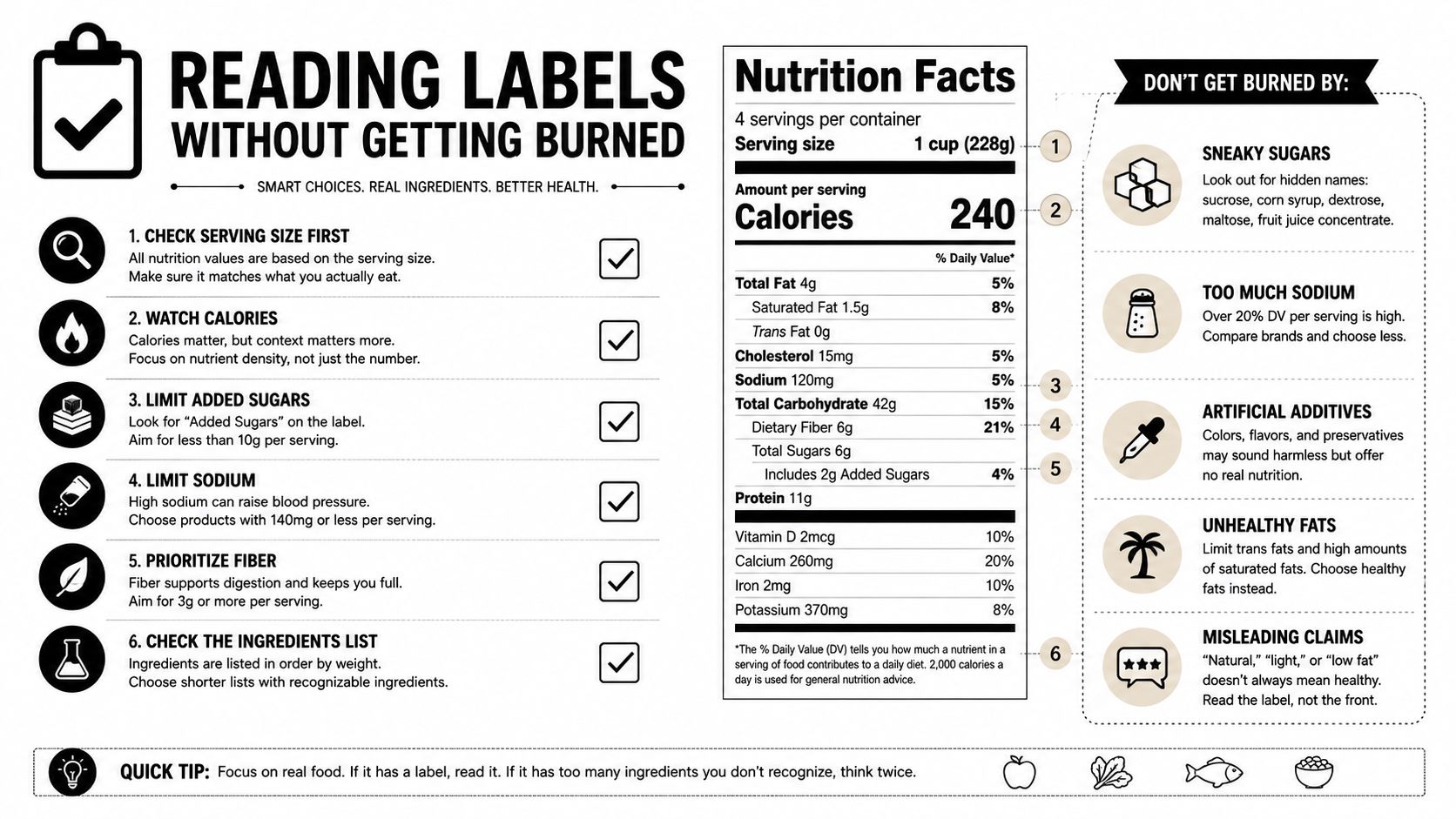
For a faster store check, the habit in how to read nutrition labels is simple. Check the claim, check the ingredients, check the warning, then decide whether the risk matches your situation.
Why Savory Protein Snacks Win for Fitness and GLP-1 Users
A lot of cheese snacks are satisfying for about six bites. Then they're gone, and you're looking for something else. That's fine if you just want a nibble, but it's a weak result if your goal is hunger control.
Protein changes the snack math
For fitness people and GLP-1 users, the difference between a cheese-flavored snack and a protein-forward savory snack is huge. More protein tends to make a snack feel more complete, and savory flavors help people stick with the plan when sweet bars and shakes start to feel repetitive. That's why snacks built on pea protein are getting attention, they're not pretending to be dessert, and they're not asking you to treat snack time like a compromise.
Gym Snack is one example of that approach. It's built around clean pea protein, is gluten-free, and is naturally free of dairy and soy, with a savory cheesy flavor profile and crunchy format that fits the same use case as a cheese snack without leaning on cheese as the protein source.
Why that matters for GLP-1 eaters
People using GLP-1 meds often want a snack that works with appetite changes, not against them. The useful snack is the one that's easy to tolerate, not too heavy, and dense enough to count. That's where top nutrients for GLP-1 users is a helpful framework, because it reinforces the idea that protein and satiety support matter more than empty crunch.
My take: if a snack says gluten-free but doesn't help you stay full, it's fine for taste and weak for outcomes.
This doesn't mean cheese snacks are bad. It means they need to be judged fairly. A cheese stick can be a smart move. A starch-heavy cracker can be a fun sidekick. But if you're lifting, cutting, or managing appetite, the better choice is usually the snack with more protein per bite and fewer filler calories.
Pairing Ideas and Easy DIY Snack Plates
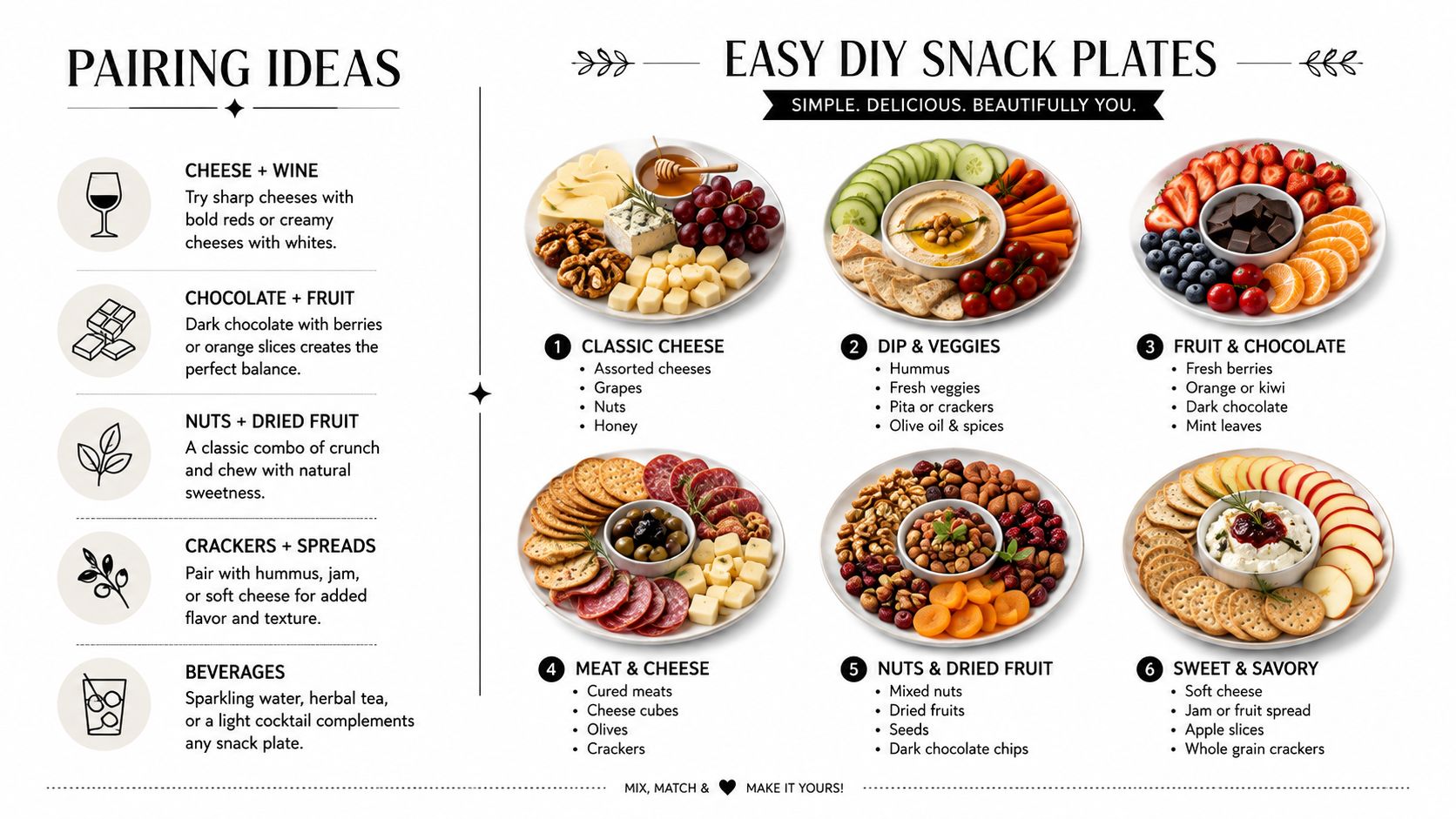
The easiest way to make a cheese snack more useful is to stop eating it alone. Pair it with protein, produce, or fiber, and suddenly the snack has a job.
Three combinations that actually work
For a pre-workout mini plate, pair a savory protein snack with a piece of fruit. You get quick energy from the fruit and a more stable savory base from the snack.
For a desk-drawer combo, keep gluten-free cheese crisps next to roasted chickpeas. The crunch is still there, but the chickpeas stretch the snack into something more substantial.
For a GLP-1-friendly evening plate, use protein-forward cheese snacks, cucumber slices, and a small portion of nuts. That keeps the plate simple and avoids the “I need another thing” spiral.
A five-minute DIY board works too. Put out pre-made cheese crisps, deli meat or plant-based slices, olives, and seed crackers. You're not building a party tray. You're building something you can finish without raiding the pantry again.
The point is to make gluten-free cheese snacks part of a structure, not the whole structure. That's how you turn a quick bite into something that lasts.
Your Gluten Free Cheese Snack Decision Framework
Ask three questions. Is it gluten-free for your risk level. Does it deliver enough protein to matter. Does the ingredient list look like something you'd cook with at home.
If the answer to the first one is shaky, skip it. If the answer to the second one is weak, treat it like a treat, not a strategy. If the answer to the third one is no, you probably don't need that bag in your cart.
The short version. Choose cheese sticks or crisps when you want simple satiety. Choose crackers when you want casual crunch. Choose savory protein snacks when you want the snack to pull its weight.
If you want a crunchy snack that's built around protein instead of filler, Gym Snack makes savory, gluten-free options that fit that use case. It's a clean way to get cheese-style flavor and crunch without defaulting to starch-heavy snacks, and it's worth a look if you want something that helps between meals.