

Most advice about low carb savory snacks starts with the same tired shortlist: beef sticks, pork rinds, cheese cubes, and another sweet protein bar. That approach misses a large part of the problem. People aren't only trying to reduce carbohydrates. They want crunch, salt, familiar flavor, portable protein, and a snack that doesn't feel like a supplement.
The better question is simple: does the snack deliver enough protein and fiber to support fullness, while also satisfying the sensory urge that made you reach for food in the first place? For plant-based athletes, people avoiding dairy, soy, or gluten, and GLP-1 users managing smaller appetites, the answer increasingly points toward clean, savory, crunchy formats rather than refined starches or dense processed meat products.
Why Savory Crunch Beats Sweet Protein Bars
The fitness aisle has trained people to associate protein with chocolate coating, caramel flavor, and shaker bottles. That isn't a nutrition rule. It's a product convention.
A sweet bar can be useful, but it shouldn't be the automatic answer to every hunger window. Many bars are built to imitate dessert, which makes them convenient but not necessarily satisfying. They can also leave you wanting a different flavor shortly afterward, particularly if your real craving is salty, cheesy, spicy, or crunchy.
Savory texture changes the eating experience. A crisp takes time to chew, creates audible feedback, and gives your brain the familiar cues of a traditional snack. That matters for adherence. A food plan that asks you to ignore every craving eventually becomes difficult to maintain, even when the macros look tidy.
Crunch is a practical adherence tool
Research summarized in a NIH review of snack studies supports the nutritional side of the argument. Snacks centered on whole foods rich in protein, fiber, and whole grains increased satiety, while a higher-protein yogurt snack produced lower hunger and greater fullness than a lower-protein version. The same review found that adding psyllium fiber to an extruded snack reduced the glycemic response compared with a control snack.
That doesn't mean every crunchy product is automatically smart. A refined-starch crisp with a thin protein coating can still be a poor choice. The format only works when the ingredient system supports it.
Practical rule: Choose the snack that satisfies both the nutrient requirement and the craving. If you need crunch, don't pretend a soft sweet bar is an equivalent experience.
Market coverage also points toward a shift in consumer preference. The protein snacks market overview from Mordor Intelligence identifies savory flavors as a fast-growing or large flavor segment in protein snacks and extruded protein snacks, while chips and crisps rank among the faster-growing product types. The implication is important: taste and format may drive repeat purchase as much as a macro claim.
Plant-based crunchy snacks are especially relevant because they challenge the assumption that low-carb eating must rely on meat, dairy, or dessert-style supplements. A well-designed crisp can bring bold savory flavor and satisfying texture to a gym bag without turning every snack into jerky or cheese.
The Science of Satiety and GLP-1 Signaling
Fullness doesn't come from carbohydrate avoidance alone. A snack works better when it combines a meaningful protein contribution with fiber, a manageable portion, and a texture that slows casual eating.
Protein helps make a snack more substantial. Fiber adds structure and can support a steadier digestion pattern than a refined-starch product. The evidence doesn't justify treating one ingredient as magic, but it does support a clear design principle: build the snack around protein and fiber instead of making refined starch the foundation.
Why protein and fiber belong together
The NIH review linked above found that whole foods high in protein, fiber, and whole grains increased satiety across snack studies. It also reported that a higher-protein yogurt snack led to lower hunger and higher fullness than a lower-protein yogurt snack. Those findings apply directly to product selection: a savory snack should contribute more than flavor and a brief burst of energy.
Fiber deserves equal attention. In the same review, psyllium added to an extruded snack reduced glycemic responses compared with a control snack. That doesn't turn psyllium into a universal solution, and it doesn't make every fortified product clean. It does show why a crunchy snack's fiber system matters when you're comparing two products with similar serving sizes.
GLP-1 users need a practical interpretation, not exaggerated hormone promises. Medication can change appetite and meal tolerance, so a snack that is very greasy, oversized, or difficult to digest may be a poor fit even if its carbohydrate count is low. A small, nutrient-dense, savory portion can be easier to manage than a large meal or a highly sweet product.
The guide to GLP-1 protein snacks is useful for thinking through that application. Protein intake still matters when appetite is reduced, particularly for people who train, but tolerance should guide portion size and timing.
Read the label as a satiety formula
Don't judge a snack by its front-of-pack language. Ask four questions:
- Does protein appear as a central ingredient rather than a minor addition?
- Does the product contain fiber from a recognizable source?
- Is the serving small enough to eat comfortably?
- Does the texture encourage deliberate chewing instead of effortless overeating?
A snack can be low in carbohydrates and still be nutritionally thin. Pure fat may keep you from feeling hungry for a while, but it won't provide the same protein contribution as a protein-centered product. Refined starch may deliver crunch, but it needs a stronger protein and fiber structure to become a useful training snack.
The strongest option is usually the one that gives you adequate protein, useful fiber, clear ingredients, and a flavor you want to eat. GLP-1 signaling is part of the physiology, but sustainable satiety also depends on whether the snack works in your real day.
How to Read Labels for Clean Low-Carb Ingredients
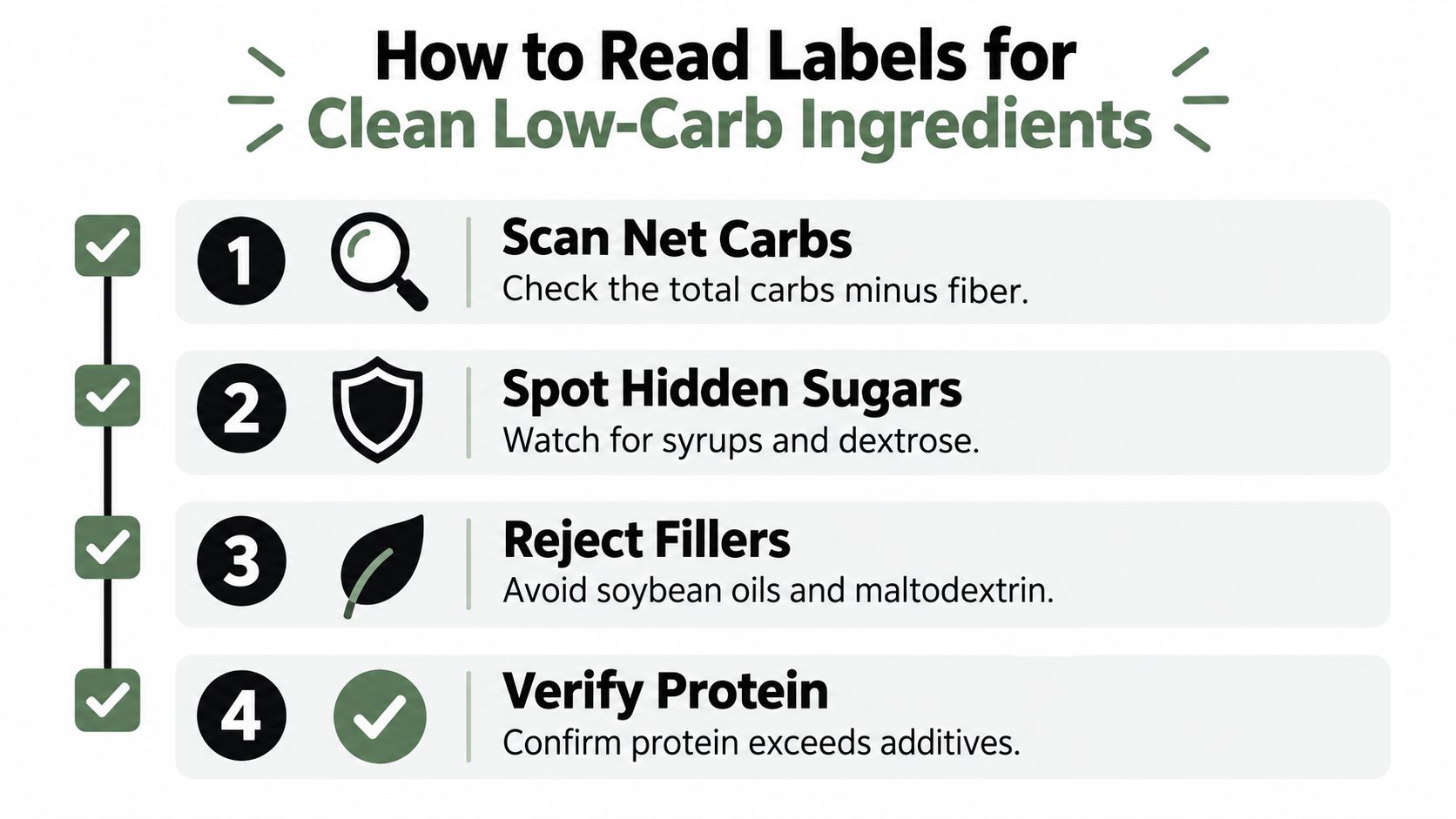
Front-of-pack claims are a distraction. Start with the carbohydrate line, then inspect the serving size and ingredient list. A product marketed as keto, high-protein, or plant-based still needs to earn a place in your snack rotation.
A practical benchmark from Harvard Health's low-carb snack guidance is 5 grams of carbohydrate or less per serving. Use that figure as an initial screen, not a quality verdict. A snack can meet the carbohydrate target while providing weak protein, excessive additives, or a portion too small to satisfy a hungry athlete.
Four label checks that save time
First, verify the serving. A label can make a product appear lower in carbohydrates by defining a portion far smaller than the amount you would eat. Compare the listed serving with your hunger, training session, and appetite. For a step-by-step guide, use this nutrition label reading walkthrough before comparing protein and carbohydrate lines.
Next, compare protein with carbohydrate. Harvard gives useful whole-food benchmarks: 1/4 cup of cheddar cheese provides about 6 grams of protein and less than 1 gram of carbohydrate, while 1/2 cup of nonfat plain Greek yogurt provides 15 grams of protein and 6 grams of carbohydrate. The lesson is practical. Protein density matters, and a useful snack does not need to be carb-free.
Ingredient quality matters after the macro screen
Choose recognizable protein sources such as peas, lentils, seeds, eggs, dairy, or meat according to your diet and allergen needs. For plant-based crisps, check whether soy or wheat supplies the structure if either ingredient causes problems. A “cheese” flavor can still contain dairy, so read the allergen statement instead of trusting the flavor name.
Check for syrups, dextrose, maltodextrin, and added starches used for browning or texture. Small amounts can signal a formula built around intense palatability rather than meaningful protein. Seed oils are not automatically disqualifying, but athletes who want a short, transparent ingredient list may prefer products made without them.
Label discipline: The protein should justify the snack. If additives and flavor systems dominate while protein remains an afterthought, choose another product.
Low carbohydrate content cannot rescue a snack that tastes harsh or disrupts digestion. Dry crisps, excessive salt, or a poorly tolerated protein matrix will push the product out of your routine. Clean ingredients, useful macros, and repeatable enjoyment must pass together, especially for plant-based, allergen-conscious athletes seeking crunchy food without an ultra-processed formula.
Comparing Plant-Based Crisps to Dairy and Meat Snacks
Pork rinds and cheese crisps can fit a low-carb plan. They aren't automatically bad foods. They just don't solve every athlete's problem.
Dairy-based crisps may offer strong flavor and a naturally crunchy texture, but they won't suit people avoiding milk or managing dairy intolerance. Meat snacks can be convenient and protein-rich, yet some products rely heavily on sodium, preservatives, or highly processed formulations. Plant-based crisps bring a different set of trade-offs. Their value depends on the protein source, fiber content, oil choice, seasoning, and how well the finished product handles digestion.
| Snack Category | Protein Source | Allergen Profile | Saturated Fat & Cholesterol | Digestion & Gut Impact |
|---|---|---|---|---|
| Pork rinds | Pork skin protein | Not suitable for plant-based eaters; check seasonings | May be high in saturated fat; contains cholesterol | Very crisp and light, but can feel greasy for some people |
| Cheese crisps | Dairy protein | Contains milk; cross-contact varies by brand | Can contribute saturated fat and cholesterol | Familiar flavor, but dairy may not suit sensitive athletes |
| Meat sticks or jerky | Beef, turkey, pork, or other meat | Usually unsuitable for vegan consumers; check marinades and allergens | Varies widely by cut and formulation | Portable, though dense or heavily seasoned products may not suit everyone |
| Pea-protein crisps | Pea protein and supporting plant ingredients | Can be dairy-free, soy-free, and gluten-free, but labels require verification | May offer a lower saturated-fat approach without cholesterol when formulated accordingly | Crunchy and portable, with tolerance depending on fiber, seasoning, and individual digestion |
Where plant-based formats earn their place
The strongest case for pea-protein crisps isn't that they replace every animal-based snack. It's that they open a practical lane for vegan gym-goers, dairy-free athletes, allergen-conscious shoppers, and people who want crunch without a heavy meat or cheese format.
A useful example of the ingredient discussion is this overview of plant-based protein bar ingredients, which gives shoppers context for how pea protein crisps can contribute structure and protein to a finished product. You still need to inspect the complete label. Pea protein alone doesn't guarantee low carbohydrates, good flavor, or easy digestion.
The biggest mistake is treating “plant-based” as a nutrition verdict. Some plant-based snacks are mostly starch, while others use long additive systems that make the protein claim look more impressive than the underlying food. Choose products where the protein source is clear and the texture comes from a deliberate formula rather than a pile of refined flour and oil.
Choose by need: Dairy and meat snacks can work for omnivores. Plant-based crisps become the stronger daily option when allergen avoidance, cholesterol concerns, training convenience, and savory texture all matter at once.
For shoppers who want an alternative to conventional dried meat, this beef jerky alternative offers another way to evaluate portable savory protein without assuming that meat is the only route to convenience.
Timing and Portions for Workouts and Weight Management
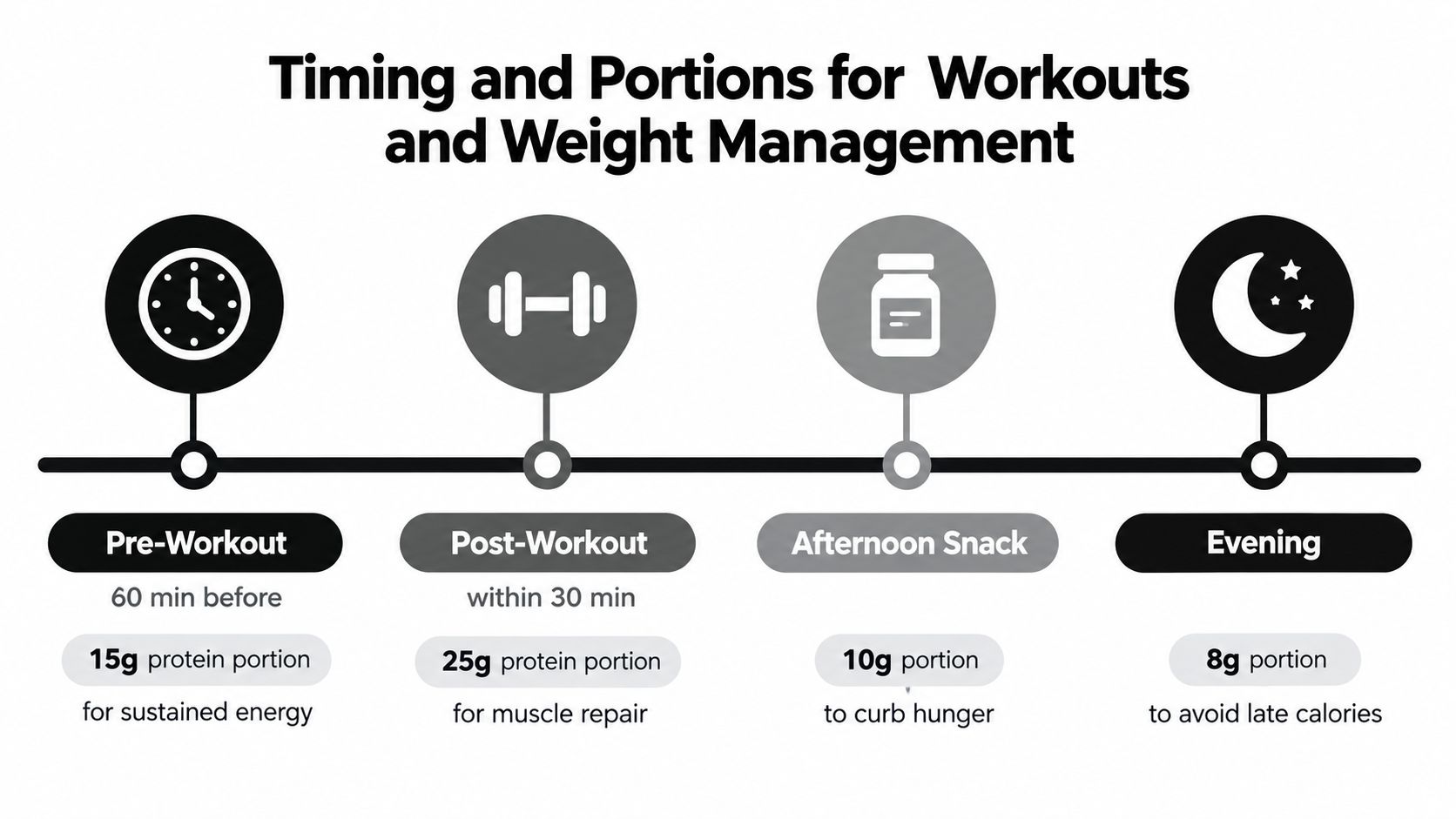
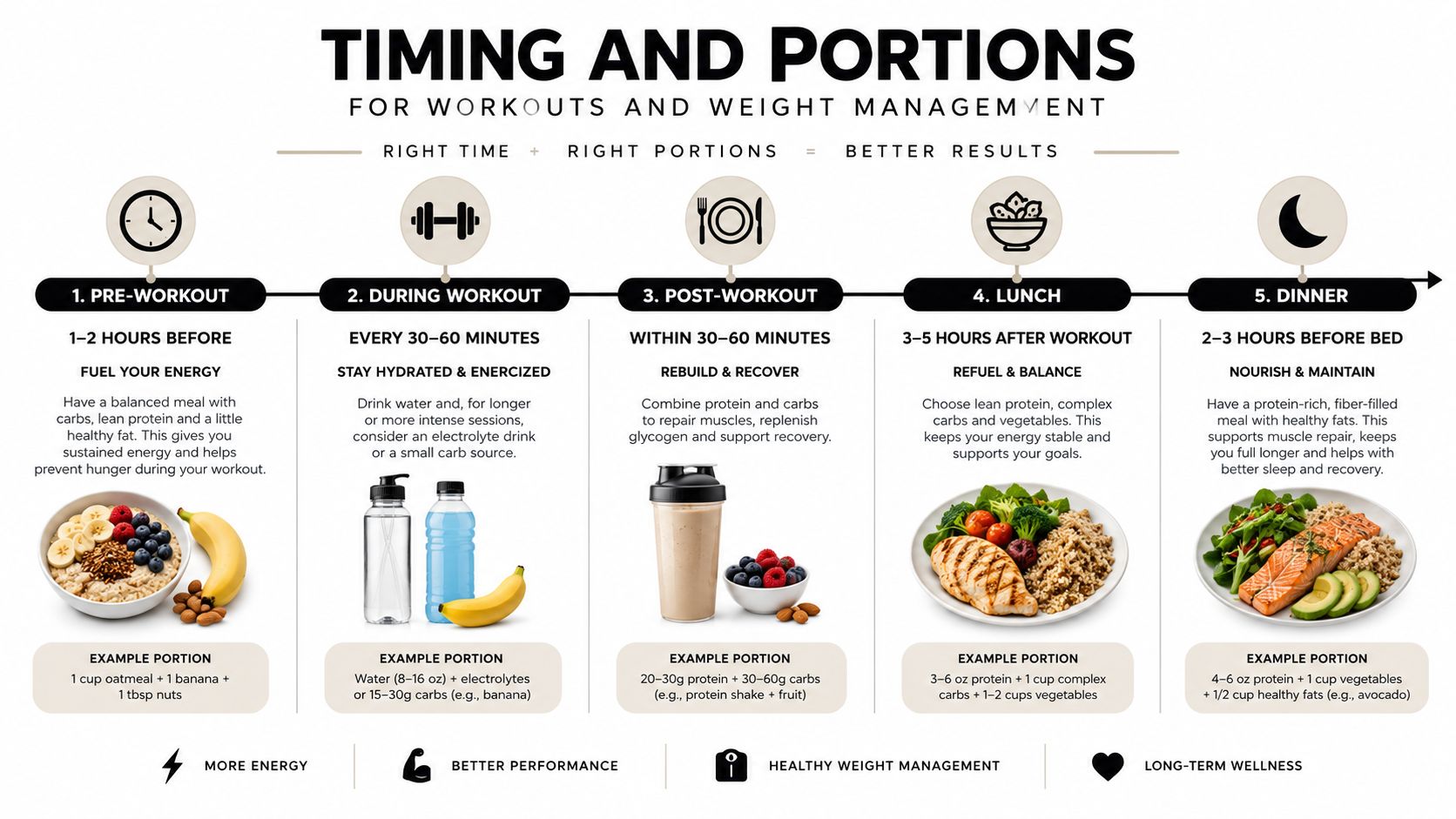
The right snack at the wrong time can still leave you uncomfortable. Match the portion to the job the snack needs to perform.
A pre-workout snack should be easy to tolerate and modest enough that it doesn't sit heavily during movement. Choose a small serving of savory crisps with a clear protein contribution when your previous meal was several hours ago. If the session is short or your last meal was recent, you may not need a snack at all.
Use three different snack roles
Before training, prioritize comfort and predictable digestion. Avoid a large amount of fat, heavy seasoning, or an unfamiliar high-fiber product immediately before hard intervals, running, or repeated lifts. A few crisps can provide the taste and structure you want without turning your warm-up into a digestion test.
After training, protein becomes the priority. Pair a savory crisp with water and a proper meal when possible, or use it as a bridge until you can eat. The snack shouldn't become an excuse to skip meals. It should protect you from arriving at the next meal ravenous and choosing whatever is easiest.
During a busy afternoon, use the snack to interrupt decision fatigue. Keep a sealed portion in your work bag, car, or gym kit, and combine it with a whole-food side when your appetite calls for more volume. A crisp paired with vegetables, hummus that fits your dietary needs, or a piece of fruit can create a more satisfying eating occasion than a handful eaten straight from a large bag.
GLP-1 users need smaller, denser choices
Reduced appetite changes the priority. You may not want a large bowl of food, but you still need a reliable way to include protein. Start with a modest portion, eat slowly, and stop when comfortable. Strong spice, excess grease, and very dense textures are poor choices if they trigger nausea or reflux.
For weight management, don't use “low carb” as permission to snack continuously. Decide whether you're solving hunger, fueling training, or filling a gap between appointments. Then portion the food before you start eating.
Portion strategy: Put the serving in a bowl or small container. Keep the bag closed. Convenience should make the better choice easier, not make mindless eating limitless.
Quick Plant-Based Recipes and Smart Shopping Tips
Packaged crisps are useful, but your rotation should include simple foods that you can assemble without a recipe marathon. The best homemade snacks use a protein anchor, a crunchy or fresh component, and a strong savory seasoning.
Three fast combinations
Spiced seed crunch: Toast pumpkin seeds in a dry pan, then season with smoked paprika, garlic powder, and salt. Cool them fully before packing. They provide a portable crunch and work well as a topping for a salad or a companion to plant-based crisps.
Cucumber and herbed dip: Slice cucumber into thick coins and serve with a small portion of an unsweetened, allergen-compatible dip. Use lemon, dill, black pepper, and chopped herbs for flavor rather than a sugary sauce. If legumes or soy don't suit you, choose the base accordingly and check the label.
Crisp snack box: Add a measured serving of savory protein crisps, olives, sliced bell pepper, and a few roasted seeds. Keep wet ingredients separate so the crisps stay crisp. This format gives you salt, crunch, freshness, and a protein-centered component without relying on a sweet bar.
Shop for systems, not isolated products
Build your pantry around ingredients that can cross several meals. Plain seeds can become a snack, salad topping, or crunchy coating. Fresh herbs, chili flakes, garlic, nutritional yeast, and lemon can change the flavor profile without requiring a new packaged product every day.
For packaged snacks, inspect the serving size, protein source, carbohydrate line, fiber, oils, sweeteners, and allergen statement before buying multiple bags. Buy one flavor first. A product that fits your label rules but becomes unpleasant after repeated exposure doesn't belong in a long-term rotation.
Busy travelers can also use QR menu tips for cafes to make faster decisions when a gym bag runs out. Look for plain, protein-centered foods and simple savory sides rather than defaulting to a sweet pastry or a highly refined snack.
Shopping rule: Choose two shelf-stable options, two fresh components, and one prep-ahead recipe. That combination gives you flexibility without turning snack planning into a second job.
Building Your Ultimate Savory Snack Rotation
A sustainable rotation needs more than a low carbohydrate number. It needs protein density, ingredient transparency, useful texture, and enough flavor variety to keep you interested. For GLP-1 users and allergen-conscious athletes, clean plant-based crunch deserves equal attention alongside meat and dairy snacks.
Use this grocery-store checklist:
- Protein first: Find the primary protein source before trusting flavor or wellness claims.
- Carb control: Use the 5-gram-per-serving benchmark as a practical screen, following Harvard Health's low-carb snack guidance.
- Fiber support: Choose recognizable fiber sources that make the snack more filling and give plant-based options a stronger satiety profile.
- Allergen clarity: Check for dairy, soy, gluten, and shared-facility warnings that affect your diet or training environment.
- Ingredient restraint: Skip syrups, maltodextrin, excessive fillers, and long lists of flavoring agents.
- Real enjoyment: Keep a flavor in rotation only if you would choose it outside a dieting phase.
Build contrast across the week instead of repeating one product daily. Pair a crunchy plant-based option with fresh vegetables and dip, seasoned seeds, olives, or a straightforward whole-food protein that suits your diet. Rotate cheesy, chili, smoky, and herb-forward profiles while keeping portions and preparation consistent.
The strongest opportunity sits outside the usual meat-stick and sweet-bar formula. Clean plant-based crunch can serve people who want convenience, satiety, allergen awareness, and the emotional satisfaction of a real savory snack. It also gives athletes a shelf-stable format without requiring an ultra-processed snack matrix.
Gym Snack makes plant-based savory protein crisps with pea protein and crunchy cheesy flavors for portable snacking. If the ingredients and macros fit your needs, visit Gym Snack and test one savory option in your gym bag before building it into your regular rotation.