

Warm chips, melted cheese, salty crunch. That craving usually shows up when you're tired, hungry, or trying to unwind after a long day. It also shows up at the exact moment your nutrition discipline gets weakest.
That's why nachos are worth understanding, not just avoiding. If you care about body composition, training recovery, appetite control, or eating with more intention, the issue isn't that nachos are “bad.” The issue is that classic nachos are built for pleasure first, while your goals usually need something closer to protein-first, portion-aware, and more filling.
The Nacho Craving Meets Your Fitness Goals
Individuals typically don't crave nachos because they want a balanced macro profile. They crave nachos because nachos hit several reward buttons at once. Crunch, warmth, fat, salt, cheese, and the easy habit of eating them quickly all stack together.
That matters in real life. The plate often shows up during a movie, at a bar, after a game, or as a casual “snack” that turns into a meal without feeling like one. For gym-goers, that's where the conflict starts. You can train hard, hit your steps, and still get pulled off course by foods that are easy to overeat and not especially helpful for recovery.
I see this pattern often with active clients. They don't usually struggle because they love food too much. They struggle because they pick foods that feel satisfying in the moment but don't match what their body needs after training or during a fat-loss phase.
Nachos aren't the problem by themselves. The problem is when a highly craveable food also gives you weak fullness for the calories you eat.
That's the heart of nachos and cheese nutrition. You're not looking at a moral issue. You're looking at a design issue. Traditional nachos were created to be rich, salty, and moreish. Fitness nutrition asks a different question: does this food help me stay full, hit protein, and keep calories under control?
Where cravings and goals collide
The friction usually shows up in a few ways:
- You want comfort: Nachos deliver fast sensory payoff.
- You want satiety: Classic nachos often don't give enough protein to keep you satisfied for long.
- You want flexibility: A snack that eats a big chunk of your calories makes the rest of the day harder to manage.
- You want recovery support: Post-workout eating works better when protein is more central than cheese sauce and chips.
That doesn't mean you need to swear off nachos forever. It means you need to look at them with open eyes, then decide whether you want the classic version, a lighter version, or a complete rebuild.
The Nutritional Reality of Classic Nachos
A plate of classic nachos can look harmless until you break down what is on it. Most versions are built on fried chips and cheese first, then sold as a snack. From a sports nutrition standpoint, that usually means plenty of calories before you get much protein in return.
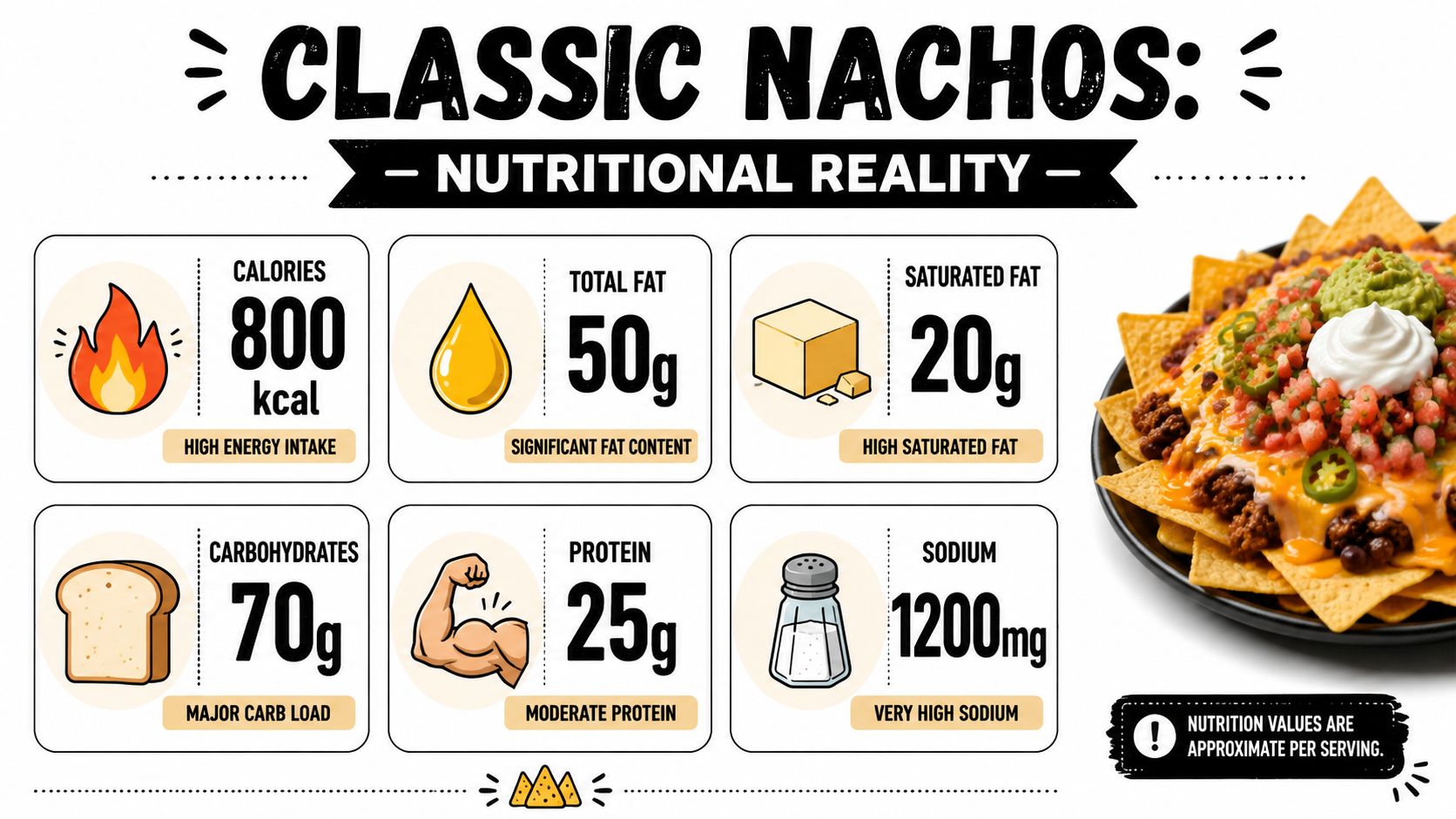
One common serving of 6 to 8 nachos, about 113 g, contains 388 calories, 24 g of fat, 39 g of carbohydrates, and 5 g of protein, with 55% of calories from fat and 5% from protein, according to Eat This Much's nachos nutrition listing. The same listing shows 354 mg sodium and 2 g saturated fat.
That macro split explains why nachos can satisfy a craving without doing much for recovery, fullness, or daily protein targets. Five grams of protein for nearly 400 calories is a weak trade if the goal is body composition, training support, or staying full between meals.
What those numbers mean in practice
Calories matter, but calorie context matters more.
Classic nachos usually combine refined starch, added fat, and salty, highly palatable toppings. That combination is easy to keep eating, but it is inefficient if you want a snack that helps preserve muscle, supports post-workout intake, or keeps hunger controlled for the next few hours. The issue is not that nachos are "bad." The issue is that the standard version gives you very little protein relative to the calories.
That is the gap a modern fitness snack should solve. If the craving is crunch, salt, and cheese flavor, the better approach is to rebuild the experience around a stronger protein-to-calorie ratio instead of accepting the classic version as-is.
For a closer look at the chip base itself, this guide to tortilla chips nutrition helps explain why nachos get calorie-dense so quickly even before heavier toppings are added.
Why the numbers vary, but the pattern stays the same
Nachos are one of those foods where portion size and build matter a lot. Light cheese on a small serving is a different food experience from a loaded tray with queso, meat, sour cream, and guacamole.
Still, the same practical patterns show up again and again:
- Calories rise fast: Chips and cheese stack energy quickly in a small volume of food.
- Protein stays modest: Cheese adds some protein, but usually not enough to balance the calorie load.
- Sodium can build up: Processed chips, cheese sauce, and seasoned toppings can push intake up fast.
- The plate can be misleading: What feels like a casual appetizer can take a meal-sized share of your calories.
For clients trying to lose fat or tighten up their nutrition, this is usually the sticking point. Nachos do a good job delivering the craving. They do a poor job helping you hit high-protein targets unless you rebuild them on purpose.
How Different Types of Nachos Compare
A plate of nachos can land in very different places nutritionally depending on what is doing the heavy lifting. If the bulk of the plate is chips and cheese sauce, calories climb fast while protein stays modest. If the build includes beans, lean meat, or another serious protein source, the numbers improve, but only up to a point.
That difference matters for anyone trying to satisfy a nacho craving without drifting away from a high-protein plan.
A comparison worth making
Here's a practical side-by-side using verified examples where clear nutrition listings are available, plus broader categories for versions that change a lot from one recipe to the next.
| Nacho Type | Calories (Approx.) | Fat (g) | Sodium (mg) | Protein (g) |
|---|---|---|---|---|
| Fast-food nachos with cheese | 346 | 18.95 | Not specified in this listing | 9.1 |
| Common 6 to 8 nachos with cheese serving | 388 | 24 | 354 | 5 |
| Plain nacho-cheese snack chips | 147 per 28 g serving | 8 | 196 | 2 |
| Beef-and-cheese cafeteria or institutional style nachos | Higher protein than basic cheese nachos, but depends on recipe | Varies | Often higher | Higher |
| Basic homemade nachos | Varies by chips, cheese, and toppings | Varies | Varies | Varies |
| Plant-based nachos | Varies by oil, chips, beans, and vegan cheese | Varies | Varies | Varies |
The broad pattern is consistent. Cheese-only versions usually have a weak protein return for the calories. Meat-and-cheese versions can improve that, but they often bring more sodium and still stay chip-heavy.
What changes from one version to another
Fast-food and concession-style nachos usually give you the least favorable trade-off. The chips are refined and easy to overeat, the cheese layer adds fat and sodium quickly, and the protein contribution stays lower than many people expect. You get a lot of flavor density without much help on fullness.
Snack-chip versions are even more revealing. A nacho-cheese chip product already uses up calories before any meaningful protein enters the picture, which explains why turning chips into a full nacho plate can get out of hand so quickly.
Homemade nachos are more workable because the build is under your control. A smaller chip base, measured cheese, beans, salsa, grilled chicken, extra-lean beef, or Greek-yogurt-based toppings can shift the plate in a better direction. That still does not make nachos a high-protein food by default. It just gives you a chance to stop the usual calorie creep.
For clients focused on body composition, this is the real comparison that matters. The question is not whether one nacho version is slightly cleaner than another. The question is whether the plate gives enough protein to justify the calories.
Plant-based nachos need a second look
Plant-based nachos can work well, but only if the protein is built in on purpose. Beans, lentils, tofu crumbles, or a higher-protein dairy-free topping do more for the meal than vegan cheese alone.
A dairy-free plate can still be mostly chips, oil, and sauce.
That is why the modern fitness answer to a nacho craving is not just swapping ingredients at random. It is rebuilding the whole experience around protein first, then adding the crunch, salt, and cheese flavor people want. That is also why products built for a stronger protein-to-calorie ratio fit this craving better than classic nachos do. They solve the weak macro profile instead of asking you to pretend the usual version is helping your goals.
Why Nachos Can Undermine Fitness Progress
You finish a hard lift, tell yourself you will grab something quick, and a plate of nachos ends up standing in for a recovery meal. The craving makes sense. The macro trade-off usually does not.
As noted earlier, classic nachos give you a weak protein return for the calories. That is the main problem for physique and performance goals. You can burn through a big chunk of your intake on chips, cheese, and sauce, then still need more food to cover protein needs.
Weak satiety for the calories
In practice, nachos often create a frustrating loop. They hit the salt, crunch, and melted-cheese craving fast, but they do not always keep you full in a way that matches the calorie cost.
A few issues show up repeatedly with clients:
- Appetite comes back too soon: The meal feels satisfying in the moment, then hunger returns earlier than expected.
- Protein goals get squeezed out: Once the calorie budget goes to chips and cheese, there is less room for foods that support muscle retention and recovery.
- The meal keeps going: Nachos are easy to keep picking at, especially in social settings or late at night.
That low-friction eating pattern matters. You are not working through a dense, protein-forward meal. You are eating a food designed to be hyper-rewarding and easy to keep reaching for.
Recovery nutrition gets pushed to the side
After training, I want a meal or snack to do a job. It should help cover protein needs, manage hunger, and fit the rest of the day's calories without much cleanup. Standard nachos usually miss on that combination.
Even versions that add beef or extra cheese can turn into a messy compromise. Protein goes up, but so do calories, sodium, and saturated fat. For some people that is workable once in a while. It is a poor default if the target is body recomposition.
This is why the modern fix is not pretending nachos are a great fitness food as-is. The better move is rebuilding the craving around a stronger protein base so the crunch contributes something useful. A protein-forward option like Gym Snack solves more of the actual macro problem than classic tortilla chips do, and a high-protein chips recipe for nacho cravings can do the same at home.
The craving is real. The structure is the issue.
People rarely overeat nachos because they lack discipline. They overeat them because the food is engineered around reward, not satiety.
Salt, fat, crisp texture, warm cheese, and fast bite turnover make portion control harder than people expect. That is why nachos can interfere with a cut, stall a recomp phase, or turn a planned snack into a calorie surplus.
If you use protein powders or flavored add-ins to build a better version, spend a minute understanding sugar-free supplement labels so the ingredient choices fit your stomach, preferences, and overall plan.
Nachos are not a moral failure. They are usually just a poor fit for goals that depend on better satiety, better protein density, and tighter calorie control.
Build Better High-Protein Nachos
You get home after training, want something salty and crunchy, and nachos sound perfect. That craving makes sense. The usual build just does a poor job supporting muscle retention, fullness, and calorie control.
A better approach is to rebuild nachos so the crunch helps your macros instead of fighting them. As noted earlier, classic nachos usually give you far more calories than protein. That low protein-to-calorie ratio is the problem. If you want nachos to fit a cut, recomp, or higher-protein diet, the base has to change.
Start with the base
Many people focus on cheese first. I start with the crunch.
The base sets the calorie floor for the whole plate. If you begin with standard tortilla chips, you can still make a decent meal, but you have less room for cheese, dips, and extras before calories climb fast. If you begin with a more protein-forward crunch, the entire tray gets easier to manage.
Better base options include:
- A pre-portioned chip serving: Count or weigh the chips before adding anything on top.
- Roasted vegetable rounds or peppers: Different texture, lower energy density, and more room for toppings.
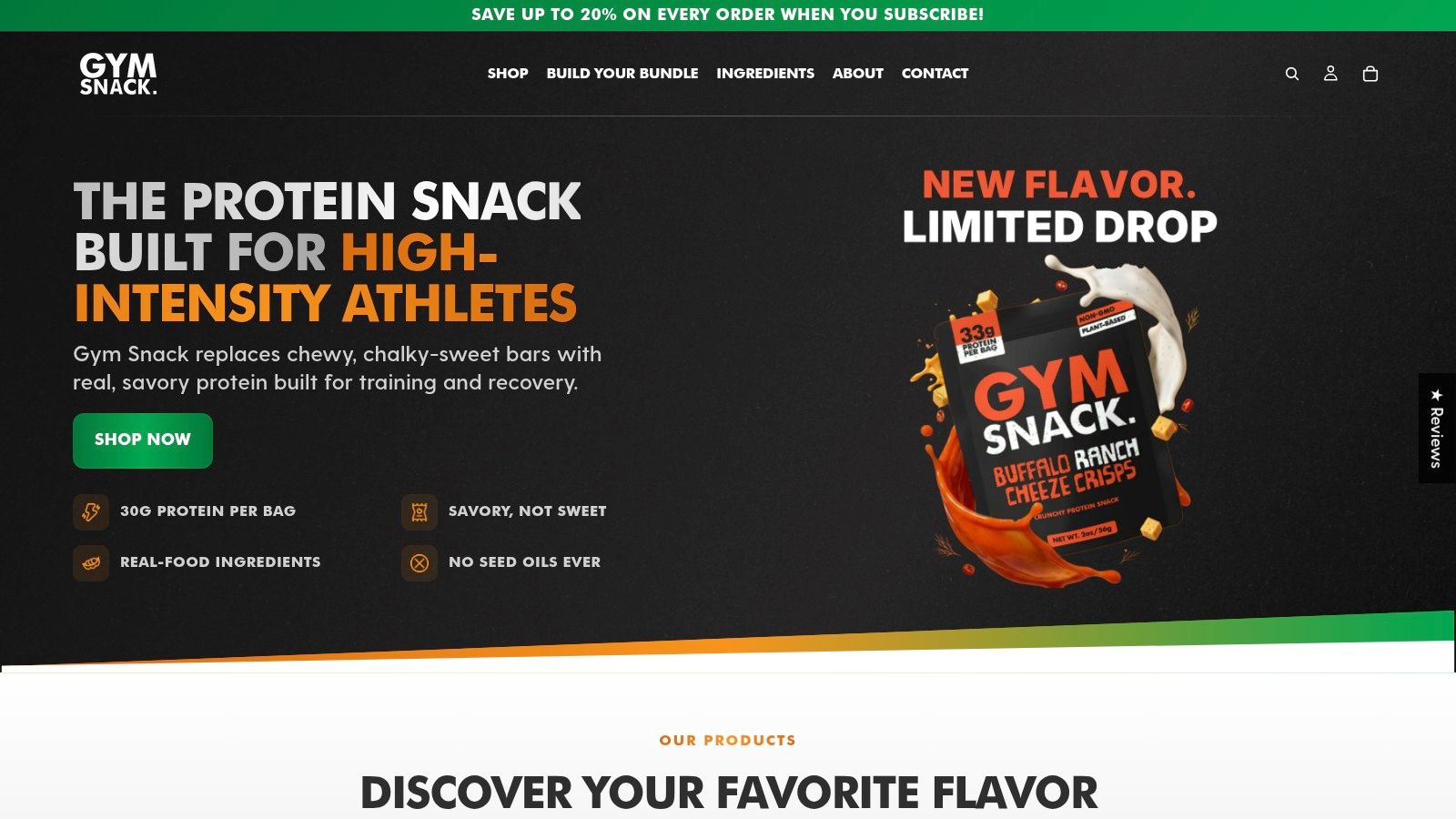
- Protein-forward crunchy snacks: A product built with protein changes the macro profile from the first layer.
That last option is the cleanest fix for the original problem. A high-protein base gives you crunch and moves the meal closer to what active people usually need, which is more protein without turning one snack into a calorie overload.
Use toppings with a purpose
Good nachos need more than a healthy label. Each layer should help with protein, fullness, flavor, or volume.
- Build around a real protein Chicken breast, extra-lean ground turkey, shredded rotisserie chicken, black beans, lentils, tempeh, or tofu all work. The key is portioning enough to matter, not scattering a small amount on top and calling it high protein.
- Use cheese like a garnish, not the structure Cheese can stay. It just should not do all the heavy lifting. A modest amount of cheddar, cotija, or a reduced-fat shredded blend usually gives enough flavor.
- Choose one creamy topping Greek yogurt works well in place of sour cream for many people and adds some extra protein. If you use powders, sweeteners, or flavored add-ins in your routine, understanding sugar-free supplement labels helps with the same skill set you need for sauces and low-sugar toppings.
- Add high-volume toppings after heating Salsa, pico de gallo, jalapeños, tomato, onion, cilantro, lettuce, and shredded cabbage make nachos feel bigger and eat slower.
Build nachos so the protein is obvious before the cheese goes on.
A simple build that works in practice
Use this order:
- Base
- Protein
- Measured cheese
- Short melt in the oven or air fryer
- Fresh toppings
- One sauce or creamy finish
This method keeps the tray from turning greasy or overloaded. It also makes portion control easier because the high-calorie ingredients are added on purpose, not poured on while you cook.
If you want ideas for a stronger starting point, this high-protein chips recipe for nacho cravings is a useful template.
A short demo can also make the concept easier to visualize:
What usually works, and what usually misses
The best high-protein nachos still taste like nachos. They just stop relying on chips and cheese to carry the whole meal.
What works is simple. Control the base. Add enough lean protein to change the macros. Keep cheese measured. Use vegetables and salsa to add size and texture.
What misses is the common “healthy nachos” rebuild where the recipe is homemade but still heavy on chips, queso, and calorie-dense toppings. A better nacho plate does not need to be perfect. It needs to solve the original issue, which is getting more satisfaction and more protein from the same craving.
Finding Balance with Portion Control and Smart Timing
You don't need a perfect diet to stay lean, train well, or make progress. You need a diet that handles real cravings without turning them into routine setbacks.
That's where balance matters. If you want classic nachos sometimes, the most effective approach is to make a few key decisions around portion, context, and the rest of the day. The goal isn't restriction. The goal is keeping one craving from hijacking your intake.
Portion control that feels realistic
The easiest mistake is ordering or building nachos as if they're a side, then eating them as a full meal plus extras. A better move is to decide upfront what role they're playing.
Try one of these:
- Share the order: Restaurant nachos are easier to manage when they're clearly communal.
- Treat them as the starter: If nachos come first, keep the main meal centered on protein and vegetables.
- Plate a serving at home: Put the rest away before you sit down.
- Don't combine them with mindless eating: Screens, parties, and late-night grazing are where portions drift fastest.
The most useful portion strategy is the one you decide before the first bite.
Timing changes the outcome
Timing won't magically fix a low-quality choice, but it can reduce the damage. If you're going to have a richer, lower-protein food, it tends to fit better when the rest of the day is structured well.
For many active people, that means nachos work better:
- After a hard training session than during a completely sedentary day
- Earlier in the day or evening meal context than as a random late-night snack
- Alongside protein-conscious meals elsewhere instead of in a day already light on protein and fiber
If appetite control is one of your biggest challenges, these ideas on foods for appetite control can help you build meals that make cravings easier to manage overall.
The long-term view
One plate of nachos won't ruin your results. Repeating low-satiety, calorie-dense choices several times a week can make progress much harder than it needs to be.
The best nutrition strategy is usually simple. Eat indulgent foods on purpose, not by default. Keep your regular meals protein-centered. When a craving hits often, redesign the food instead of pretending the craving will disappear.
If you want a savory snack that fits training goals better than classic chips, Gym Snack offers a protein-first crunch designed for people who want bold flavor without building their routine around junk.