

You finish a workout, reach into your bag, unwrap a protein bar, and already know what's coming. It will probably taste like chocolate-adjacent paste, or worse, a fake-cookie dessert with a chalky finish that sticks to your teeth.
That kind of sweet fatigue is real. A lot of people aren't tired of protein. They're tired of being told that every convenient protein snack has to taste like a candy bar impersonator.
The good news is that protein bar flavors are getting wider, smarter, and more useful. Some bars still lean hard into dessert. Others go fruity, nutty, mild, or even savory. That matters because flavor isn't just a fun extra. It shapes whether you'll want the snack, whether it feels satisfying, and whether it fits the moment you're eating it.
Beyond Chocolate The New World of Protein Bar Flavors
You open your gym bag after a workout, hungry enough to eat right away, and the bar you grab is another sweet brown rectangle that tastes more like frosting than food. By the third bite, the problem usually is not protein. It is flavor repetition.
For a long time, protein bars were built around dessert cues because those flavors are easy to recognize and easy to market. Chocolate, caramel, brownie, and cookie dough gave brands a familiar shortcut. The catch is that convenience started to come with monotony. If every bar is trying to imitate a treat, different wrappers can deliver almost the same eating experience.
The category is expanding now. The global protein bar market, valued at about $5.45 billion in 2025, is projected to reach a much larger size by 2034, with analysts linking part of that growth to broader product variety, as noted earlier. In practical terms, brands are adding more flavor directions because shoppers want bars that fit real appetites, not just a dessert script.
That matters more than it may seem.
Flavor works like context. A nutty bar often feels steadier after a morning workout. A fruit-forward bar can feel lighter during an afternoon slump. A savory bar can make more sense when you want something that registers as an actual snack instead of a candy substitute. The best choice is not the most popular flavor. It is the one that matches the moment, your palate, and how full you want to feel.
This shift also opens up a gap that the category has ignored for too long. Many people are not asking for sweeter protein bars. They are asking for relief from sweetness. That is why savory and plant-based options deserve more attention. They can solve flavor fatigue in a direct way, especially for people who want protein without the chalky aftertaste or syrupy finish that often comes with dessert-style bars.
Protein bar flavors make more sense once you stop treating them as one big pile of "healthy snacks." They are closer to a menu. Some are built for comfort, some for freshness, some for satiety, and some for a break from sweet overload.
The Four Families of Flavor A Simple Categorization
You grab a bar between meetings, hoping for something satisfying, and end up with a bite that tastes like candy mixed with vitamins. The shelf felt full of options, but the experience felt the same. A simple sorting system helps.
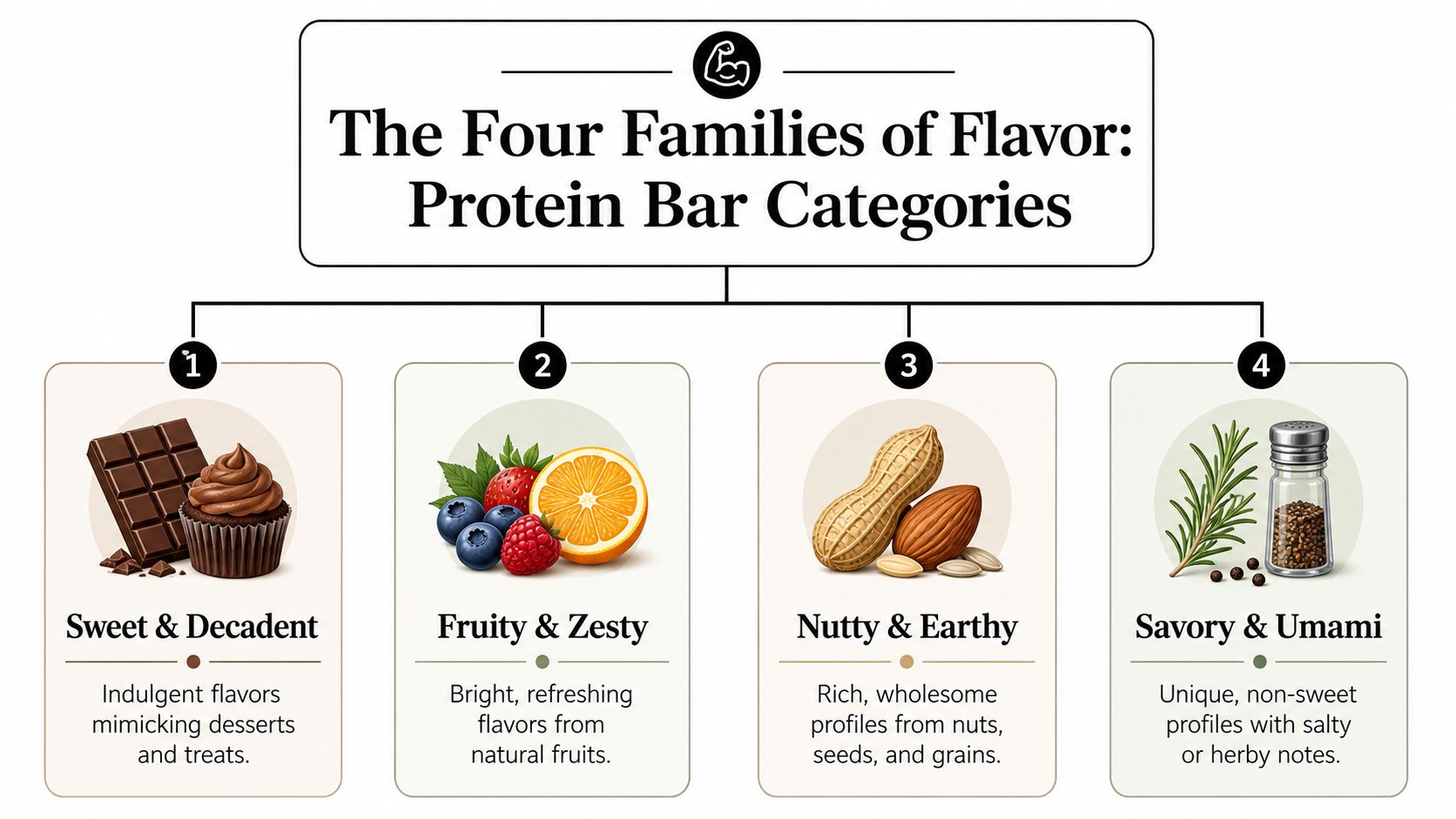
Protein bar flavors work a lot like the sections of a grocery store. Some are built for comfort. Some aim for freshness. Some try to feel steady and filling. Some are trying to solve a different problem altogether, which is the desire for something salty, savory, and less dessert-like.
Sweet and Decadent
This is the familiar family: chocolate fudge, cookie dough, brownie, caramel, peanut butter cup.
Brands use this flavor direction because sweetness covers bitterness well and helps dense protein formulas feel more rewarding. If you're replacing a dessert habit or want a bar after training that feels indulgent, this family can do that job well. The trade-off is repetition. Once every bar starts chasing a candy profile, the differences between brands get small and flavor fatigue sets in fast.
A useful label-reading tip helps here. A quick guide to protein bar nutrition facts and ingredient patterns can show you why dessert-style flavors often pair with sweeteners, coatings, or fats that change both taste and texture.
Fruity and Natural
Berry, apple-cinnamon, citrus, date-forward, and mixed-fruit bars fall here. Many also include nuts or seeds, which rounds out the sweetness and makes the flavor feel closer to trail mix than candy.
These bars usually come across as brighter and less heavy. Fruit notes are also easier for many people to read as "real food," especially when the recipe includes visible ingredients like almonds, oats, or dried fruit pieces. That does not always mean lower sugar or better nutrition. It means the flavor cue feels fresher and often less intense.
Nutty and Earthy
Almond, peanut, cashew, sesame, oat, and seed-forward bars belong in their own group because they behave differently on the palate. They taste toastier, calmer, and more grounded.
This family often works best for people who are tired of frosting-style sweetness. Nutty flavors can soften the edges of protein powders without needing a strong candy coating, so the bar feels more like a compact snack and less like a dessert replacement. If you eat bars often, this category is usually easier to stick with because it does not overwhelm your taste buds.
Savory and Umami
Savory bars and crunchy protein snacks sit in the most overlooked corner of the category. You will see cheesy, smoky, spicy, herby, and roasted profiles here.
This family matters for a practical reason. Some shoppers are not asking for a sweeter bar. They want a break from sweetness altogether. Savory, especially in plant-based formats built around seeds, legumes, grains, or nuts, can answer that need better than another chocolate variation. It changes the role of the bar. Instead of pretending to be a treat, it can function more like the afternoon snack your body was asking for.
That makes savory one of the smartest solutions to flavor fatigue, not just a niche novelty.
Quick filter: If you're bored of bars, switch flavor families before you switch brands.
| Flavor family | What it tastes like | Best for |
|---|---|---|
| Sweet and decadent | Dessert-inspired, rich, familiar | Sweet cravings, treat-style snacks |
| Fruity and natural | Bright, fresh, lighter | Morning snacks, lighter appetites |
| Nutty and earthy | Toasted, rounded, wholesome | Everyday use, less sweetness |
| Savory and umami | Salty, bold, meal-like | Sweet fatigue, real-food cravings |
The Flavor vs Nutrition Trade-Off
If you've ever bitten into a high-protein, low-sugar bar and wondered why it tastes dry, bitter, or strangely cold, the answer usually comes down to formulation. Food companies are trying to pack in protein, keep sugar low, hold texture for shelf life, and still make the flavor pleasant. That's a hard balancing act.
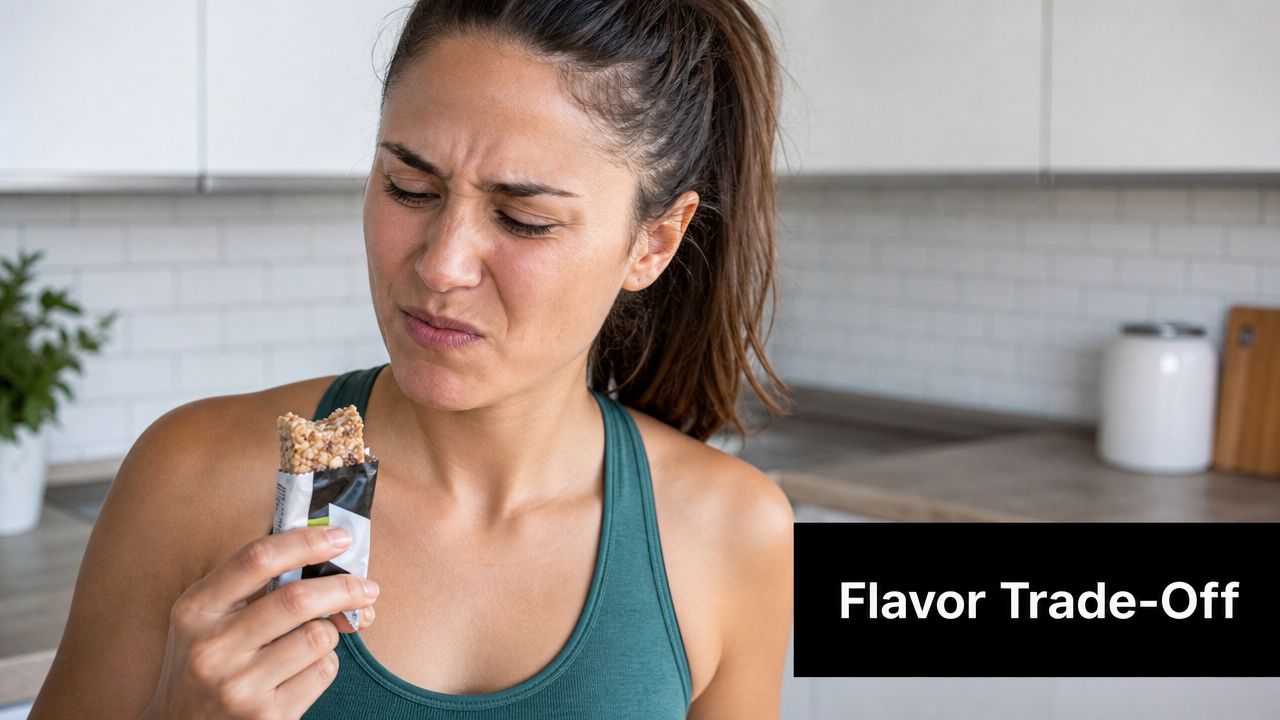
Why chalkiness happens
Protein powders don't behave like flour or nut butter. Many plant proteins, especially pea- or soy-heavy formulas, can create a dry, dusty mouthfeel when the recipe doesn't include enough ingredients to soften and carry the flavor.
That helps explain why some "healthy" bars feel like compressed powder. According to Alibaba's explainer on why protein bars taste so bad, consumers often need bars balanced with 5 to 8g of healthy fats from nuts or seeds to carry flavor and mimic richness, because many bars are built as dense protein-and-fiber blocks that end up sensorially unsatisfying.
If you want a label-reading shortcut, a guide to protein bar nutrition facts can help you connect the ingredients panel to the actual eating experience.
Why bitterness and weird aftertastes happen
Some plant proteins come with built-in flavor challenges. High levels of soy or moong bean can create bitter or beany off-notes, while balanced formulas that combine them with whey protein concentrate or pea protein can improve desirability, based on research published through the Indian Journal of Dairy Science.
Sweeteners can create problems too. Some low-sugar bars leave a cooling or minty sensation that clashes with chocolate or nutty flavors. That's one reason a bar can seem "off" even when the nutrition label looks impressive.
What to remember: A bar can be high in protein and still taste bad if the recipe doesn't include enough fat, enough flavor support, or the right protein blend.
The real trade-off
This isn't about blaming one ingredient. It's about understanding priorities.
- More protein: Helpful nutritionally, but harder to make soft and flavorful.
- Less sugar: Useful for many goals, but can expose bitterness or make sweeteners more obvious.
- Less fat: Lowers richness, which often makes bars feel dry.
- Long shelf life: Convenient, but texture and flavor can drift over time.
Once you understand that trade-off, your bad bar experiences make more sense. They weren't random. They were the result of a formula choosing one goal over another.
The Underserved Craving Why Savory Is the Future
The biggest blind spot in protein bar flavors isn't another brownie variation. It's the lack of satisfying savory options for people who don't want every snack to taste like dessert.
The shelf doesn't match the craving
Dessert and sweet flavors account for more than 80% of the market, while savory options like cheesy or spicy flavors remain largely absent from mainstream availability despite demand for real-food tastes, according to Yogi's snack and protein bars industry report.
That gap matters because sweet cravings and hunger cravings aren't the same thing. A caramel bar might hit the first one. It often won't solve the second, especially if what you really want is something salty, cheesy, spicy, or lunch-like.
When clients tell me, "I don't want another fake dessert," they're usually asking for one of three things:
- A meal-adjacent snack that doesn't taste like candy
- A palate reset after too many sweet products
- A protein option that feels normal in the afternoon, not like a post-Halloween compromise
Why savory makes strategic sense
Savory protein snacks can reduce flavor fatigue because they speak to a different part of appetite. They also tend to fit better into moments when a dessert bar feels wrong, like between meetings, on a commute, or as a bridge to dinner.
You can see that broader shift in packaged food innovation, where brands are moving toward bolder, more distinct taste experiences. For a useful wider lens, these food and beverage industry trends for 2026 help explain why consumers keep looking for formats that feel more authentic and less one-note.
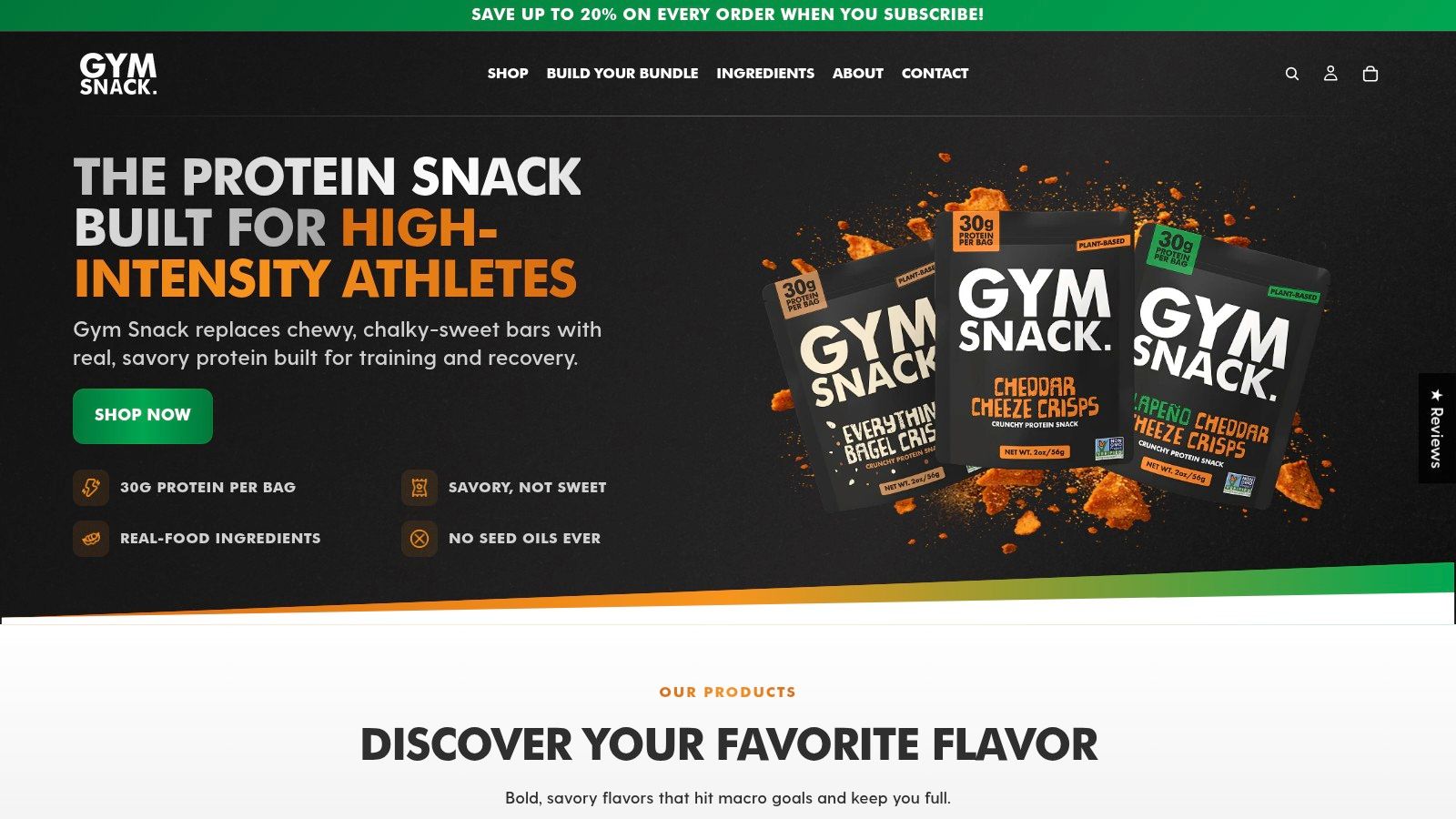
One option in that savory lane is protein snacks that taste good, including Gym Snack's plant-based crunchy snacks in Cheddar Cheeze and Jalapeño Cheddar Cheeze. They use pea protein and lean into a crunchy, cheesy format rather than the standard dense dessert-style bar.
A quick look at the format makes the difference easier to picture.
Savory still has formulation hurdles
Savory isn't automatically easy. Plant-based protein can still taste bitter or earthy if the recipe doesn't handle it well. That's especially true when brands rely on plant isolates without enough flavor-building support.
But savory gives formulators a useful advantage. They don't have to force every ingredient into a dessert identity. Cheese-inspired, spice-forward, roasted, and herbaceous flavors can work with the base notes of protein more naturally than frosted-cupcake concepts do.
A savory protein snack doesn't need to fool you into thinking it's candy. It just needs to taste good enough that you'd choose it again.
That's why I think savory isn't a novelty. It's a practical answer for people who want protein without the sugar-coated script.
How to Choose the Right Flavor for Your Goals
The right flavor depends less on trends and more on timing. A bar that works after training may feel awful at your desk three hours later. Choosing well gets easier when you match the flavor family to the job.
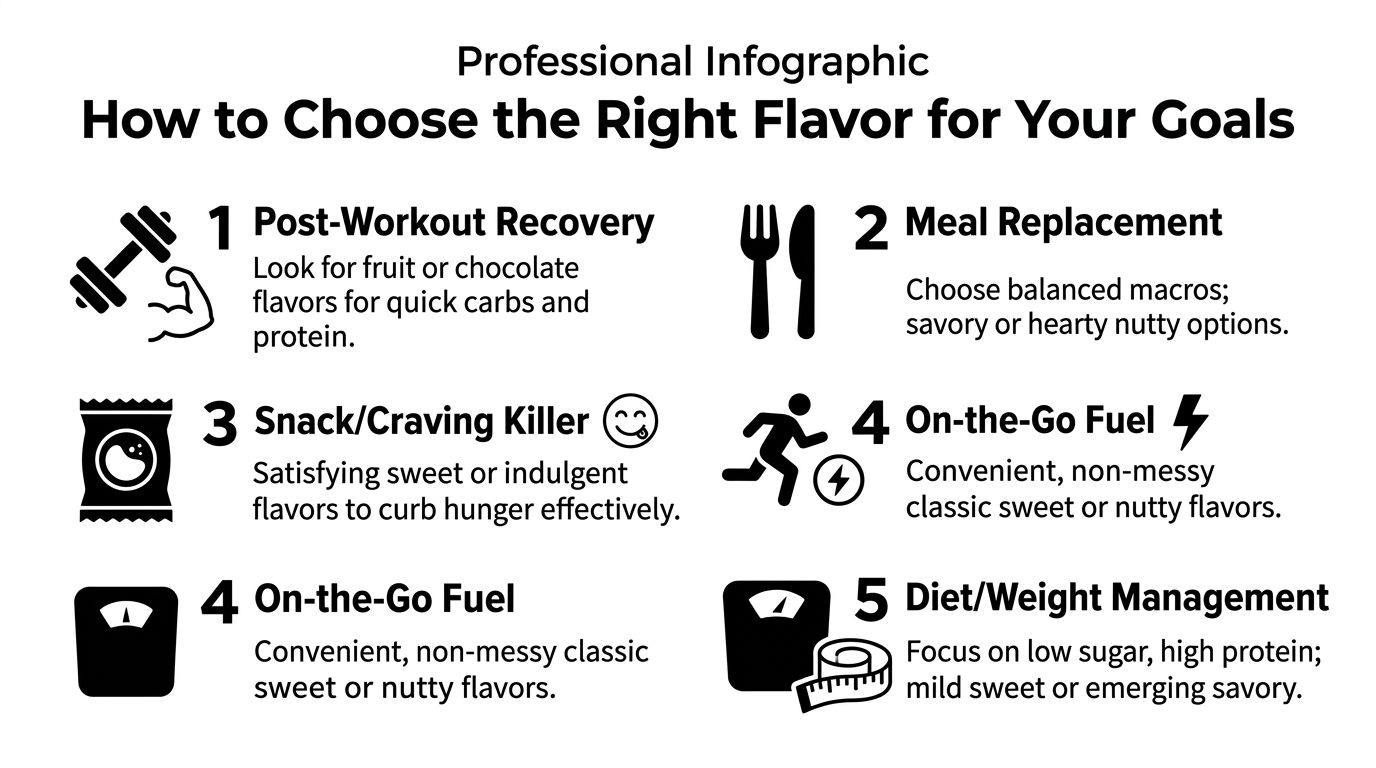
Match flavor to the moment
Here are the pairings I suggest most often:
-
Post-workout recovery
Go simple. Fruity, chocolate, or mild nutty flavors are usually easiest when you're not in the mood for a heavy taste experience right after exercise. -
Meal replacement in a pinch
Pick something hearty. Savory or earthy nut-based options usually feel more food-like and less like a snack pretending to be lunch. -
Afternoon craving control
This is where your honest preference matters. If you crave sweets, a dessert-style flavor may stop the search for office candy. If you crave chips or cheese crackers, a savory option will usually work better. -
On-the-go fuel
Choose the least messy, most reliable flavor for your appetite. Nutty and fruit-forward profiles tend to be broadly tolerable even when you're busy or distracted.
Don't ignore texture over time
Flavor on day one isn't the whole story. Sensory research shows that as protein bars get harder over shelf life, flavor intensity drops, and that decline speeds up at higher storage temperatures, according to Synergy Flavours' white paper on protein bar flavor and texture.
That matters more than often recognized. A decent bar left in a hot car or stored too long can taste duller and feel tougher, especially in bold profiles that rely on aromatic notes.
Shelf rule: If a bar tastes flat and hard, it may be a storage problem, not just a bad flavor choice.
A simple buying checklist
Use this when you're standing in front of a shelf:
- Ask what craving you're having: Sweet, fresh, salty, cheesy, nutty, or neutral.
- Check the fat sources: Nuts and seeds can help flavor carry better and improve mouthfeel.
- Think about where you'll keep it: Heat and time can mute flavor and harden texture.
- Rotate families: If you eat bars often, switching among flavor families prevents burnout.
- Read beyond the front label: A product can sound indulgent but still eat like powder.
If you're comparing labels and want another framework, this guide to the healthiest protein bar can help you weigh nutrition alongside taste expectations.
Upgrade Your Snack Game Beyond the Sweet Stuff
You open a bar between meetings, take a bite, and get the same overly sweet, chalky finish again. At that point, the key question is not which flavor sounds best on the wrapper. The better question is which flavor you will still want to eat often enough for it to support your routine.
That shift matters because flavor fatigue is real. If every bar tastes like a compact dessert, even a decent nutrition label can start to feel like a chore. A better fit might be chocolate. It might be berry-almond or toasted peanut. It might also be something savory, especially if you are tired of bars that treat sweetness as the default.
The market is starting to move in that direction. With North America projected to account for 56.95% of global protein bar market value in 2025, and plant-based options projected to grow at an 11.93% compound annual growth rate from 2026 to 2031, according to Fortune Business Insights' protein bar market report, brands have a clear reason to improve taste and texture for a wider range of cravings.
That matters for one big reason. Plant proteins often bring earthier notes and firmer textures, so adding more sweetener does not always solve the problem. Savory formats can work with those natural traits instead of covering them up. In plain terms, a cheesy, nutty, herby profile often makes more sense for pea or soy protein than a bar that is trying hard to taste like frosting.
If sweet bars have been missing the mark for you, that is useful feedback, not pickiness. Your taste buds may be asking for better flavor balance, less sweetness, or a format that feels more like real food. Sometimes the answer is a fruit-and-nut profile with enough fat to carry flavor. Sometimes it is a milder bar with less of that powdery finish. Sometimes it is leaving dessert-style bars behind and choosing a savory snack instead.
Consistency is what counts.
Protein should make your day easier to stick with, not harder to tolerate. If a less sweet or savory option helps you keep that habit, it is a smart choice.
If you're ready to try a different direction, Gym Snack offers plant-based savory protein snacks in cheesy, crunchy formats for people who want something less sweet and more snack-like than a typical dessert-style bar.