

You grab a protein bar because you need fuel, not dessert. Then you unwrap something that tastes like frosted birthday cake, sticks to your molars, and somehow leaves you wanting actual food ten minutes later.
That’s the problem with a big chunk of the protein snack aisle. Too many products borrow their identity from candy, not meals. They promise function, then deliver a sweet, chewy imitation of a treat you weren’t craving in the first place.
A protein crisp bar looked like the fix. It brought crunch back into the picture. It felt lighter, less gummy, more snackable. And that shift isn’t small. The global protein crisps market reached USD 1.61 billion in 2024 and is projected to reach USD 2.60 billion by 2030 at an 8.4% CAGR, which tells you this category has moved well beyond niche sports nutrition.
Still, texture alone doesn’t solve the bigger issue. If every crisp bar still tastes like a candy bar in gym clothes, you’re stuck with the same flavor fatigue in a crunchier form. That’s why it helps to look beyond the usual aisle habits and learn what makes crunchy high-protein snacks worth eating in the first place.
The End of the Boring Protein Bar
It's not protein itself that becomes tiresome. It's the protein products.
You can see it in the usual routine. Someone keeps a few bars in a car, desk drawer, or gym bag. At first they’re convenient. By the third or fourth box, every flavor starts blending together. Chocolate peanut butter. Cookie dough. S’mores. Birthday cake. They’re all sweet, all dense, and all trying too hard to feel indulgent.
A protein crisp bar changed that because crunch matters. A lighter bite makes a snack feel more like food and less like a block you force down between meetings. That texture difference is one reason the category has caught on with lifters, busy professionals, and people who want portable protein without the usual heaviness.
Why crunch feels different
Traditional bars often rely on a chewy, compressed format. Crisp bars break that pattern. They give you air pockets, snap, and a faster chew, which changes the whole eating experience.
That doesn’t make every crisp bar good. Some still hide behind the same candy-style flavor strategy. But the format itself is a step in the right direction because it opens the door to better texture, better ingredient choices, and more satisfying savory options.
Practical rule: If your “healthy” snack feels like a downgraded candy bar, it’s probably not solving the hunger problem you bought it for.
The better approach is simple. Start with a crisp format, then judge it like food. Does it satisfy you? Does it taste balanced? Does it fit your training and appetite, or does it just mimic dessert?
What Exactly Is a Protein Crisp Bar
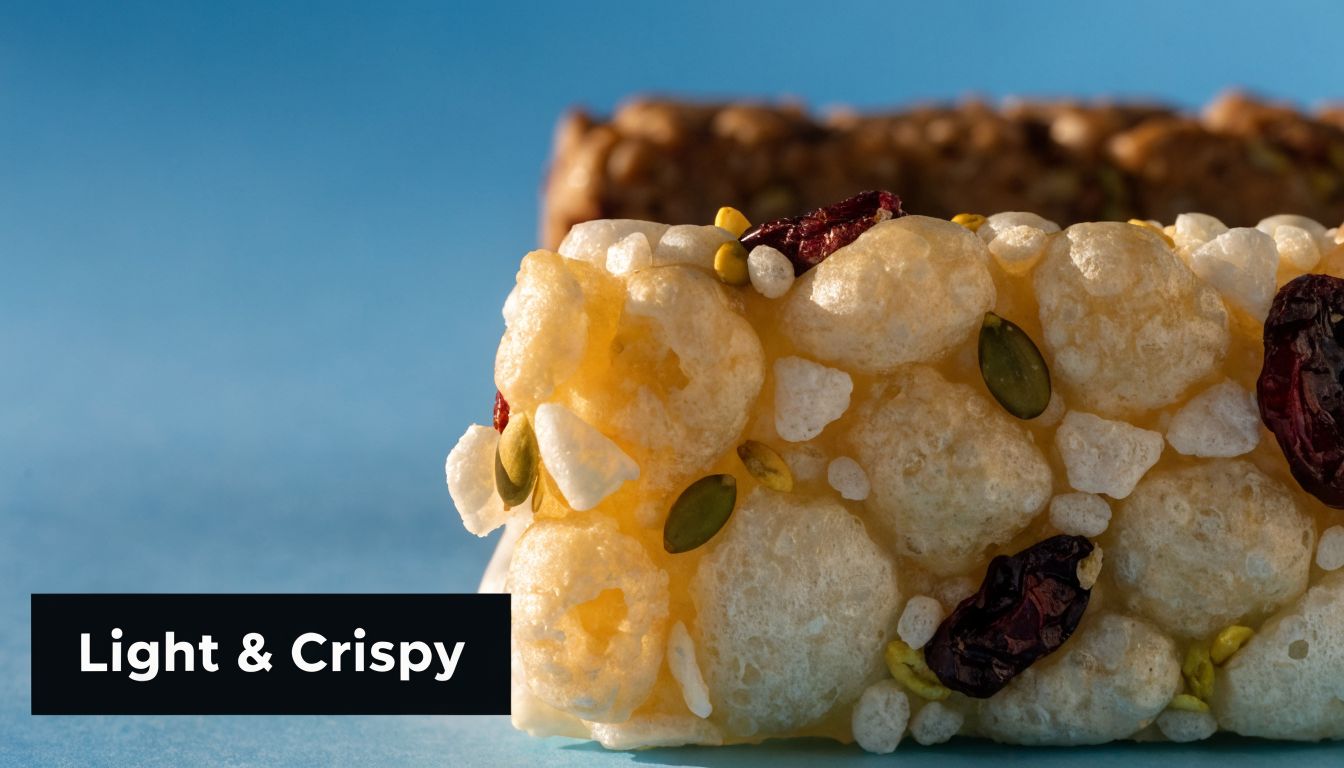
A protein crisp bar is a bar built around puffed protein pieces rather than a dense paste. The easiest way to picture it is a grown-up, performance-focused crispy treat. Instead of relying on a thick, chewy mass, it uses crunchy protein bits held together by a binder.
That’s why it feels different in your mouth. You’re not biting through one uniform slab. You’re biting through small crisp pieces with space between them, which creates a lighter texture and a cleaner snap.
The format sits inside a bigger and competitive category. The global protein bar market was valued at USD 5.18 billion in 2024 and is projected to reach USD 9.55 billion by 2034. That same market analysis notes that major brands such as Snickers and Think launched crisp bar lines to capture demand for convenient, ready-to-eat protein.
The two parts that define the bar
A crisp bar usually comes down to two structural pieces.
-
The crisps
These are the puffed protein clusters that create the crunch. They’re the reason the bar feels airy instead of doughy. -
The binder
This is what holds the crisps together. Depending on the formula, it might be syrups, fibers, fats, or other binding ingredients.
If you understand those two parts, you understand why one crisp bar can feel light and pleasant while another feels sticky or oddly hard.
How it differs from other protein snacks
A shake disappears quickly, which can be useful, but it doesn’t give much chewing satisfaction. Jerky gives chew and salt, but not everyone wants meat, and not everyone enjoys that texture after a workout.
A traditional chewy protein bar lands somewhere in the middle. It’s portable and filling, but it can feel heavy. A protein crisp bar tries to solve that by keeping the convenience of a bar while improving the eating experience.
Here’s a quick comparison:
| Snack format | What it does well | Where it can fall short |
|---|---|---|
| Protein shake | Fast and convenient | Low chew satisfaction |
| Jerky | Savory and portable | Not ideal for everyone’s diet or texture preference |
| Traditional protein bar | Easy to carry, often filling | Can be dense, sticky, and overly sweet |
| Protein crisp bar | Crunchy, lighter texture, portable | Quality varies a lot based on ingredients |
A good protein crisp bar should feel like a snack you’d want to eat, not a nutrition obligation with clever packaging.
Why people get confused by the name
Some people hear “crisp bar” and think it’s basically a granola bar with extra protein. Sometimes that’s true in spirit, but not in purpose. A real protein crisp bar is designed around protein delivery first, with texture engineered to make that delivery more enjoyable.
That’s also why the bar can look deceptively simple. Crunchy outside. Bite-sized shape. Familiar wrapper. But inside, the balance of crisps, binders, and coatings decides whether you’ve got a smart snack or just another sweet bar with a health halo.
The Nutritional Blueprint of a Protein Crisp Bar
The front of the wrapper usually shouts one thing: protein. That matters, but it doesn’t tell you enough.
A better way to judge a protein crisp bar is to look at three layers. First, the protein source. Second, the ingredients doing the work behind texture and sweetness. Third, the broader nutrition picture, including whether the bar feels easy or heavy on your stomach.
Protein source matters more than most labels admit
Many mainstream crisp bars lean on dairy proteins, especially whey blends. That can work, but it often comes with formulation tradeoffs. Traditional dairy-based bars may need more complex protein blending to preserve crunch and avoid turning hard over shelf life.
Pea protein deserves more attention here. According to PURIS on pea protein crisps, pea protein enables manufacturers to pack significantly more protein per bar while maintaining a lighter, more neutral crisp texture, because its lower-density structure reduces the need for syrup and masking ingredients that contribute to hardening in traditional whey-based bars.
That sounds technical, so here’s the plain-English version. If the crisp itself is lighter and more neutral, formulators don’t have to fight it as much. They don’t need to pile on as many extra ingredients just to make the bar edible.
Why texture is a nutrition issue too
People often separate “texture” from “nutrition” like they’re unrelated. They’re not.
If a bar gets hard over time, manufacturers may rely on binders, sweeteners, coatings, or masking systems to keep it palatable. That can turn a simple idea into a crowded ingredient list fast. A crisp that starts lighter gives more room to build a bar that stays enjoyable without that same level of workaround.
Here’s what to pay attention to when you scan the ingredient panel:
- Protein base: Look for whether the bar is led by whey, milk proteins, soy, or pea protein.
- Binder load: If the ingredient list leans heavily on syrups and sweeteners, that tells you a lot about how the texture is being managed.
- Flavor support: A neutral protein source usually needs less help from aggressive flavoring systems.
- Stability clues: If a bar feels like it might become a brick after sitting in your bag, the formula may be fighting against itself.
The smartest bar isn’t the one with the loudest claim. It’s the one that reaches its protein goal without needing half the label to apologize for the texture.
Carbs and fats are not the enemy. Hidden excess is
A protein crisp bar needs some support ingredients. That’s normal. Carbohydrates and fats help with structure, taste, and shelf life. The issue isn’t their presence. The issue is when they dominate a bar marketed primarily for protein and satiety.
Shoppers often get tripped up. A bar can sound lean because it says “high protein,” while the actual experience is still syrupy, candy-like, and more dessert than fuel. If you find yourself craving something salty or meal-like right after eating one, your body may be telling you the flavor profile and structure didn’t match your appetite.
A broader nutrition lens
The best protein crisp bar isn’t only about hitting macros. It should also fit how you digest food and how you like to eat.
Plant-based crisp systems can offer practical advantages here. Pea protein is often appealing to people who want a bar with a more neutral base and fewer digestive complications tied to dairy-heavy products. It can also support simpler savory flavor development because it doesn’t force every formula back toward milk-chocolate territory.
A good test is this: after eating the bar, do you feel fueled, or do you feel like you ate a compromise? The wrapper can’t answer that. The ingredient strategy can.
Beyond Sweet Flavors The Savory Snack Revolution
The protein bar aisle has a flavor identity problem. It acts like adults doing hard training want every snack to taste like a bakery display.
That’s why so many bars land in the same lane. S’mores. Birthday Cake. Chocolate Mint. Peanut Butter Pretzel. Different wrappers, same idea. The current protein crisp bar market focuses almost exclusively on sweet flavors, with no major brands or review sites discussing savory options, even though many fitness-minded eaters want alternatives to dessert-style bars.
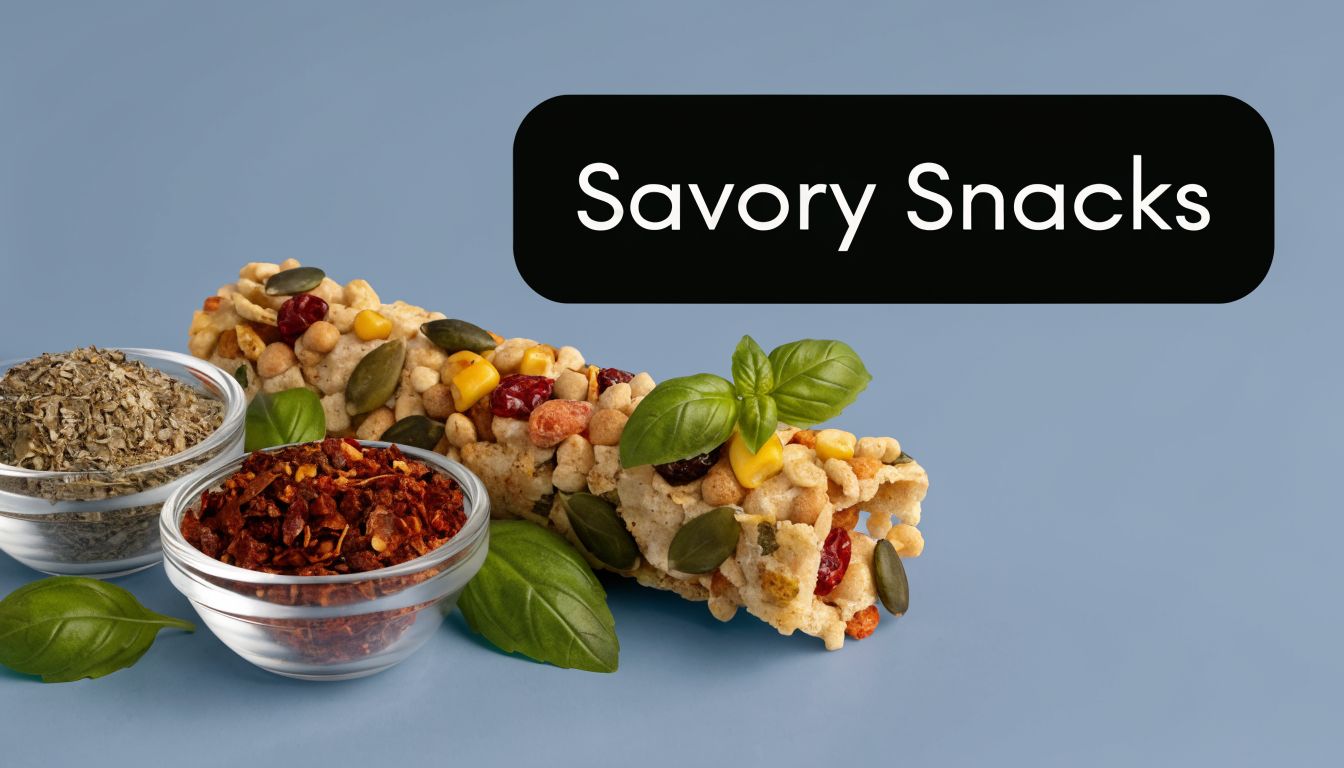
If you’ve hit the point where another fake-cookie flavor makes you roll your eyes, you’re not picky. You’re responding normally to a category that has confused “fun” with “sweet” for too long. A smarter fix is to explore high-protein savory snacks that match real hunger.
Why savory can feel more satisfying
Sweet bars often keep your appetite in dessert mode. They may hit a craving, but they don’t always close the loop on hunger. A savory protein crisp bar can feel more like a compact meal component than a treat substitute.
That matters after training, in the afternoon, or on a busy workday. In those moments, plenty of people don’t want marshmallow drizzle. They want salt, crunch, and a flavor that doesn’t make the snack feel childish.
Savory also expands how the product functions. Instead of pretending to be candy, it can behave more like food. That shift changes the whole experience.
The real issue with dessert-for-health
The problem isn’t that sweet foods are bad. The problem is that the category keeps forcing sweetness into moments where it doesn’t fit.
After a hard workout, some people want a cold shake. Others want something they can chew. But very few people require a snack styled after cake frosting. The more bars lean into novelty dessert flavors, the less they resemble practical nutrition.
This is a useful visual reference for how the savory idea fits into modern protein snacking.
Savory snacks don’t feel revolutionary because they’re strange. They feel revolutionary because they make obvious sense once you try them.
Who benefits most from the savory shift
Several groups tend to appreciate savory crisp bars quickly:
- Lifters with flavor fatigue: They’re tired of candy-style bars after years of using them.
- Busy professionals: They want a desk snack that feels more grounded and less like a cheat meal impersonation.
- People managing appetite carefully: A savory profile can feel steadier and less triggering than dessert-style sweetness.
- Plant-based shoppers: They often want more than another sweet, coated nutrition product.
The market has spent years trying to make protein bars taste like treats. The more useful challenge is making them taste like something you’d happily eat even if protein wasn’t printed on the wrapper.
How to Choose the Right Protein Crisp Bar For You
A good protein crisp bar isn’t the one with the boldest front label. It’s the one that matches your goal, your digestion, and your taste preferences without forcing tradeoffs you didn’t sign up for.
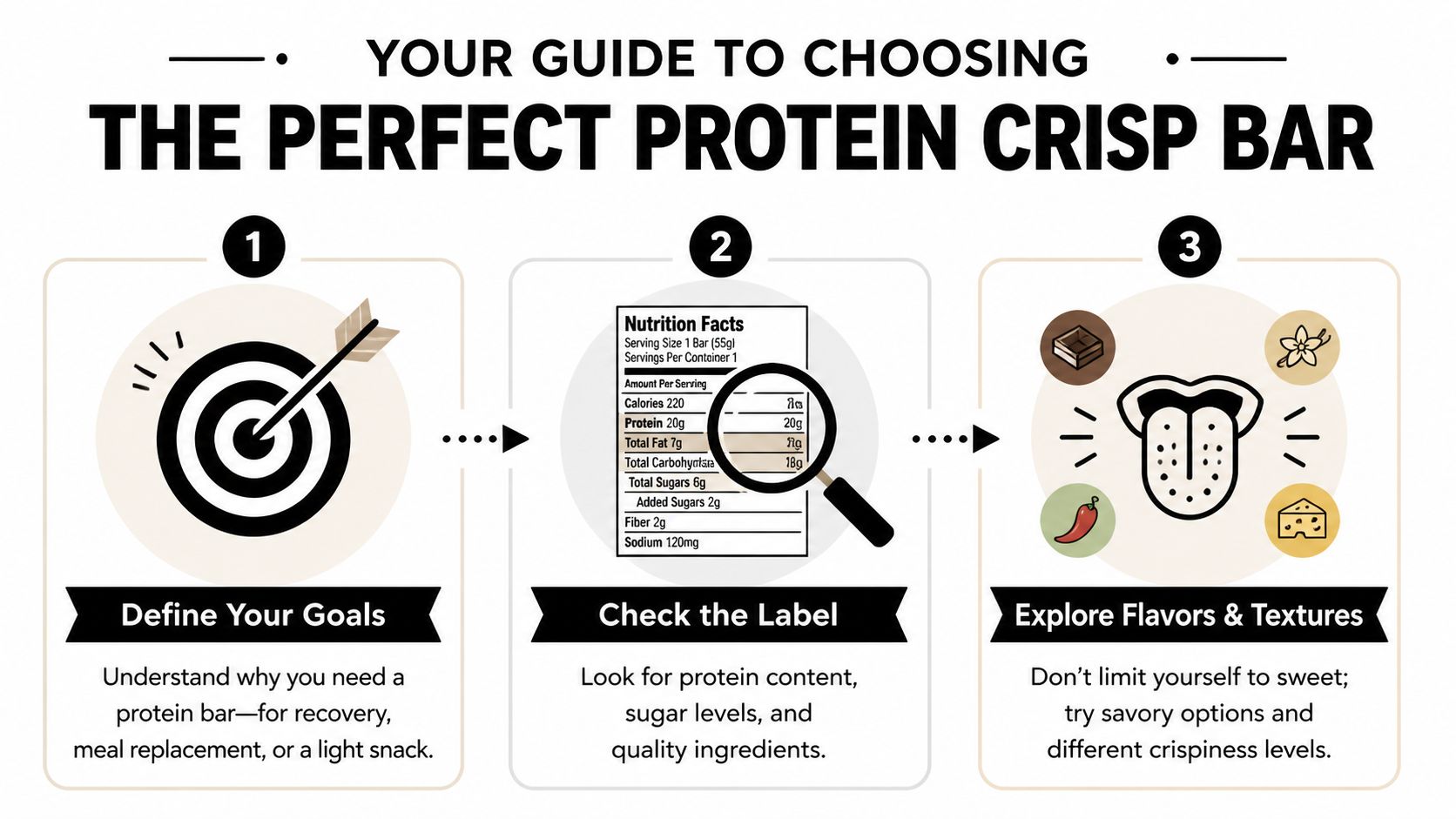
The easiest way to choose well is to use a three-step filter. Not a hype filter. A practical one.
If label reading still feels messy, this deeper guide on how to read nutrition labels helps sharpen your eye.
Step one starts with your real goal
People buy the wrong bars because they never define what “good” means for them.
If you want a post-workout option, you may care most about convenient protein and easy eating. If you want an afternoon snack, satisfaction and flavor balance may matter more. If you’re managing appetite, a bar that feels savory and digestively calm may beat one that tastes like candy, even if both look similar on the shelf.
Ask yourself:
- Recovery first: Do you need portable protein right after training?
- Meal-gap control: Are you trying to avoid the mid-afternoon vending machine spiral?
- Dietary fit: Do dairy, soy, gluten, or sweeteners tend to bother you?
- Flavor honesty: Do you want another dessert-style snack?
That last question matters more than brands want to admit.
Step two is where the label tells the truth
Now look past the front of pack.
A useful benchmark comes from a mainstream dairy-based example. According to the BSN Syntha-6 Protein Crisp product listing, leading dairy-based bars like BSN’s contain milk, soy, and peanuts as major allergens and deliver 20g protein for 230 to 240 calories, while clean pea protein formulations can achieve comparable protein ratios and are naturally free of cholesterol, saturated fat, and major allergens.
That doesn’t mean every dairy bar is bad. It means you should notice what comes along with the protein. The calorie context, allergen load, and formulation complexity matter.
Here’s a practical comparison.
| Feature | Typical Sweet Dairy-Based Bar | Gym Snack Savory Plant-Based Crisp |
|---|---|---|
| Flavor direction | Dessert-style flavors such as candy and bakery profiles | Savory, meal-adjacent flavor profiles |
| Common allergens | May contain milk, soy, peanuts, and other allergens | Designed around dairy-free, soy-free, and gluten-free needs |
| Protein approach | Often relies on blended dairy proteins | Built around pea protein |
| Texture challenge | Can become dense or hard over time | Aims for crunchy, lighter eating experience |
| Ingredient burden | May require more stabilizers, emulsifiers, and masking | Can support a cleaner, more transparent formula |
| Best fit | Sweet-tooth snackers | People who want savory satisfaction and simpler ingredients |
Step three is taste, but not in the childish sense
When selecting a bar, many buyers make the worst decision. They choose the bar with the most entertaining flavor name.
Instead, think about repeatability. Can you eat this product three times in a week without getting sick of it? Does it support your appetite, or does it make you want something else right after?
A bar should fit your routine, not perform on social media.
Label checkpoint: If the ingredient list reads like a chemistry workaround for a bad texture problem, keep looking.
A quick buyer checklist
Use this in-store or online:
- Match the snack to the moment: A post-workout bar and a desk-snack bar don’t always need the same profile.
- Check allergens early: Dairy, soy, peanuts, and gluten matter if you’re sensitive or deliberately avoiding them.
- Judge protein in context: Protein amount matters, but so do calories and overall formulation.
- Watch for flavor fatigue: If you’re already tired of sweet bars, don’t buy another “chocolate something” out of habit.
- Prioritize digestibility: The best macros on paper won’t help if the bar sits heavily.
Choosing well isn’t about perfection. It’s about finding a protein crisp bar you’ll enjoy enough to use consistently, without resenting every bite.
When and How to Enjoy Your Protein Crisp Bar
The best protein crisp bar is the one you use at the right time. A good product can feel average if the moment is wrong. A smart timing choice can make a simple snack far more useful.
The biggest missed opportunity is treating all protein snacks as interchangeable. They’re not. A crisp, savory, easier-to-chew option fits some moments much better than a thick shake or dense sweet bar.
Four moments where a crisp bar works well
Before training
If you need something light and portable, a crisp bar can be easier to get down than a heavy meal. The crunch and lighter structure may feel more manageable when you want fuel without fullness.
After training
Convenience matters here. You want protein within reach, not a perfect plated meal you won’t eat for another hour. A crisp format gives you chew satisfaction while staying easy to carry.
Mid-afternoon at work or school Many people derail during this time. They don’t need dessert. They need something that interrupts hunger. A savory protein option often fits this slot better than a sweet one because it feels closer to an actual snack food.
During appetite-focused eating
This category is still under-discussed. Reviews often ignore how ingredient choices and savory profiles may affect satiety signals and digestive comfort, despite those issues being especially relevant for people focused on gut health or using weight-management medications, as noted in this discussion of ingredient choices, satiety hormones like GLP-1 and PYY, and digestive comfort.
Two creative ways to use a savory crisp snack
A savory protein crisp bar or crisp-style snack doesn’t have to be eaten straight from the wrapper every time.
- Break it over a salad: Use the crunchy pieces like high-protein croutons. This works especially well when you want more texture without reaching for bread-based toppings.
- Pair it with hummus or a dip: Savory crisp products can act more like a cracker than a supplement. That makes them useful for building a fast mini-meal.
Some protein snacks are supplements first and food second. The more savory and versatile the format, the easier it becomes to use it like real food.
A simple rule for better results
Don’t force a protein crisp bar into a role it can’t play. If you need a full meal, eat a full meal. If you need a bridge between meals, a crunchy, protein-forward snack can be perfect.
That mindset helps you stop expecting one wrapper to solve everything. A good crisp bar is a tool. Used well, it makes your day easier and your nutrition more consistent.
The Takeaway Upgrade Your Snacking Strategy
A protein crisp bar can be a smart upgrade, but only if you stop judging the category by old standards. Crunch alone isn’t enough. The better questions are about protein source, ingredient quality, flavor direction, and how the snack leaves you feeling.
The market has trained people to expect sweet, dessert-styled bars as the default. That’s the part worth questioning. For a lot of active adults, a savory, plant-based, more transparent option makes far more sense than another chocolate-coated imitation treat.
The bigger shift is mental. Stop asking whether a bar tastes enough like candy to be enjoyable. Start asking whether it works like food. Does it satisfy real hunger? Does it fit your training and your digestion? Can you eat it regularly without getting bored?
That’s the standard worth using now. Choose a protein crisp bar that respects your appetite instead of manipulating it.
Frequently Asked Questions About Savory Protein Snacks
Are savory protein snacks better than sweet bars for appetite control
For many people, yes. A savory snack often feels more grounded and less like a reward food. That can make it easier to eat it, move on, and stay focused.
Sweet bars can still work, especially if you enjoy them and digest them well. But if you notice that dessert-style flavors leave you wanting more sweets, a savory protein crisp bar may be a better fit. It tends to feel more like a practical eating choice and less like a compromise between candy and nutrition.
Is pea protein good enough for muscle support
Yes, it can be a very useful protein source in this format. The bigger point in crisp bars is not just muscle support, but how well the protein works inside the actual product. Pea protein has real formulation advantages in crisp applications because it can support a lighter texture and reduce the need for extra masking and syrup-heavy fixes.
That matters because consistency matters. A protein source you enjoy eating regularly is more useful in real life than one attached to a bar you dread finishing.
Why might a savory protein snack make more sense for people focused on gut comfort or GLP-1-friendly eating
People in that group often care about more than macros. They care about fullness, steadiness, and how a snack sits in the body.
A savory format may feel less cloying and more meal-like. Plant-based and allergen-conscious formulations may also help some people avoid ingredients they personally find heavy or irritating. No single snack works for everyone, but a simpler, savory, chewable option often fits better than a very sweet, heavily engineered bar.
If you’re in that camp, look for three things:
- Straightforward ingredients: Fewer workarounds often means a cleaner eating experience.
- Savory flavor profile: This can feel more satisfying when you’re trying to stay protein-first.
- Digestive fit: Your best option is the one you can eat comfortably and repeat consistently.
Savory protein snacks aren’t a gimmick. They answer a real problem that the sweet bar market has ignored for too long.
If you’re ready to move past candy-style protein products, Gym Snack offers a different approach. It’s built around chef-inspired, plant-based savory protein snacks with clean pea protein, bold cheesy flavor, and an allergen-conscious formula that skips dairy, soy, gluten, cholesterol, and seed oils. For anyone who wants crunch, protein, and a snack that tastes like food, it’s worth a look.