

You don't need another chocolate-coated protein bar.
A lot of nutrition advice still acts like protein has to taste like dessert. Vanilla shakes. Cookie dough bars. Brownie bites. That works for some people, but many active adults hit a wall. After training, during a long workday, or late in the afternoon, what they want is salt, crunch, and something that tastes like food.
That's where salty protein snacks make sense. They help you cover protein needs without leaning on sweetness when you're not craving it. They can also fit real-life eating patterns better. A savory option often feels more satisfying between meals, especially if you're trying to reduce mindless grazing or cut back on sweets. If sugar cravings tend to snowball once you start, this practical guide on how to stop sugar cravings naturally pairs well with a more savory snack strategy.
The bigger shift isn't just about taste. It's about function. People want snacks that support training, appetite control, steady energy, and ingredient transparency. Savory protein sits right in that lane.
Beyond Sweet The New Era of Protein Snacking
A familiar scene plays out after the gym. You finish lifting, open your bag, and find the same options as always. Chocolate bar. Peanut butter bar. Sweet shake. Maybe they check the protein box, but they don't match what your body is asking for at that moment.
For many people, protein fatigue isn't about protein itself. It's about flavor repetition. Sweet products dominate the category, so people assume that's just how convenient protein works. It isn't.
When savory sounds better than sweet
Think about the times you reach for a snack without much thought. Mid-morning at your desk. On the drive home. After a hard session when you're hungry but not ready for a full meal. In those moments, savory food often feels more natural than dessert-style nutrition.
That's one reason salty protein snacks resonate so quickly once people try them. They feel closer to everyday food. Crisps, roasted legumes, tuna packets, jerky, cottage cheese with seasoning, or crunchy protein-based snacks all fit the palate many adults already prefer.
You don't need to force sweet flavors just because a package says "fitness."
Savory choices can also help create distance from the "healthy treat" cycle. A lot of people eat a sweet protein snack, then want something else because the experience felt like a small dessert rather than a satisfying bridge to the next meal.
Why this matters for adherence
The best nutrition plan isn't the one with the most rules. It's the one you can repeat. If you consistently enjoy savory foods more than sweet ones, then a salty protein snack isn't a novelty. It's a compliance tool.
That matters for muscle gain, body composition, and appetite management. You hit protein targets more reliably when the food fits your preferences. You also waste less energy negotiating with yourself about whether you want the snack in the first place.
Why Salty Protein Snacks Are Taking Over
The surprising part of the savory shift is that it is not driven by flavor boredom alone. It is driven by function.
Sweet protein snacks taught people to expect dessert with extra protein. Salty protein snacks feel closer to how adults already eat. That matters because a snack is easier to repeat when it matches your normal appetite patterns instead of asking you to want something sweet at 3 p.m.
Analysts at Fortune Business Insights' protein snacks market analysis project strong growth for protein snacks overall, with chips and crisps standing out as a fast-growing product type. That trend makes sense. Savory formats remove friction. They fit the eating occasion people already understand.
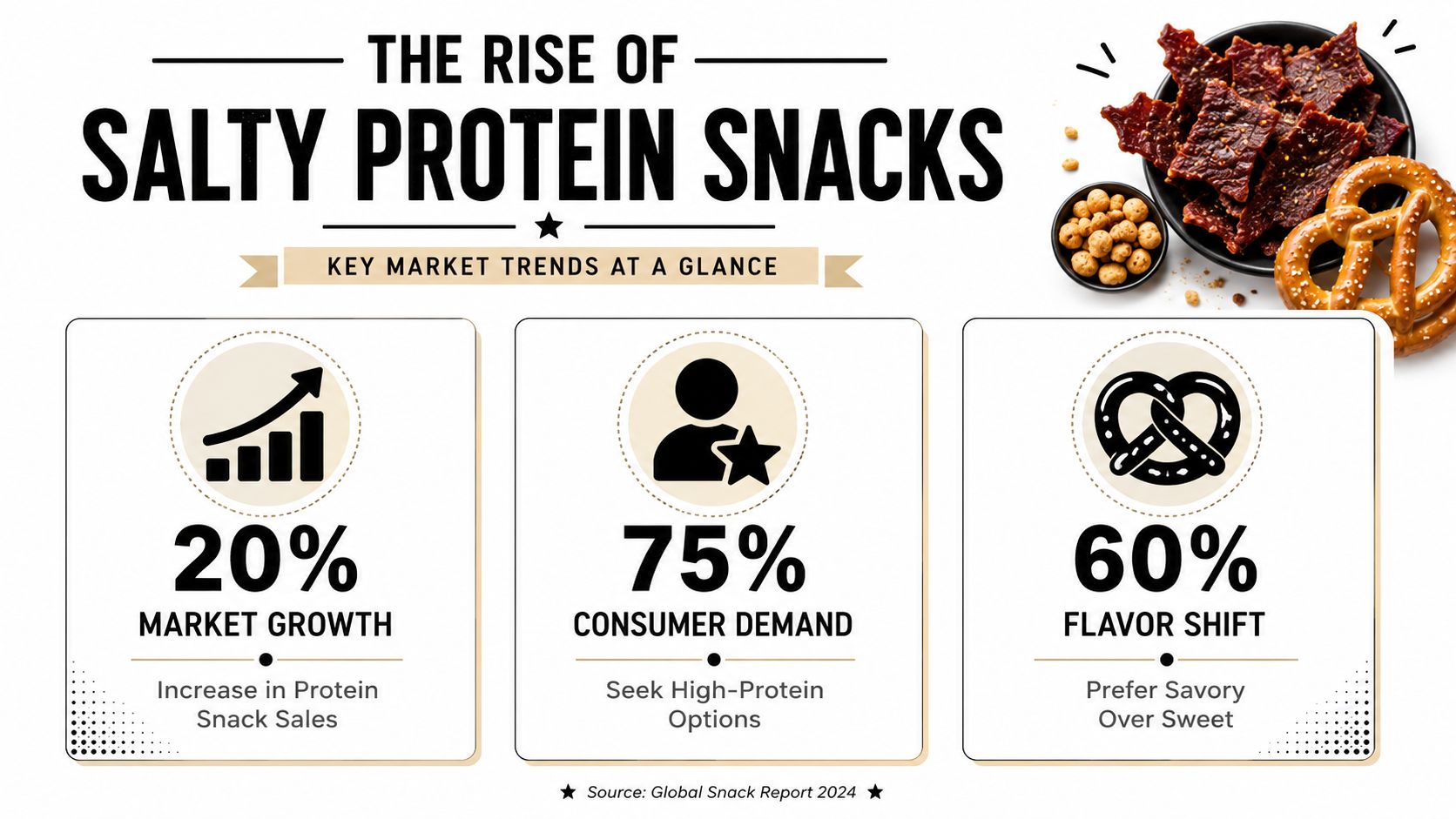
People want snacks that work harder
A salty snack used to be about taste. A protein snack used to be about hitting macros. Now buyers want both, plus a short ingredient list they can read.
That change is bigger than a flavor trend. It reflects a better understanding of satiety. Protein helps a snack feel more meal-like, and savory foods often line up better with fullness cues than candy-style bars or cookies. For many active adults, that means less of the "I ate a snack and still want real food" problem.
GLP-1 helps explain part of this shift. You do not need to memorize the biochemistry. The practical point is simple. Foods that support fullness and slow the urge to keep grazing tend to feel more useful, especially during long workdays, fat-loss phases, or post-training windows when appetite can swing fast. If you want a broader performance nutrition context, VitzAI's athletic performance guide is a helpful companion read.
Familiar habits make adoption easier
People do not need coaching to understand crunchy, salty foods. They already buy them, pack them, and crave them.
So the opportunity is not creating a brand-new habit. It is upgrading an existing one. A protein crisp, roasted pulse snack, jerky stick, or cheese-based bite works like a smarter version of a behavior that already exists. That is one reason savory protein has momentum. It asks for less behavior change than a pudding-flavored bar or a sweet shake.
The winning products are easier to evaluate
This is also where the category is getting more mature. Shoppers are no longer impressed by "high protein" on the front of the bag alone. They are checking what is doing the work.
A useful salty protein snack usually passes four tests:
- Enough protein to matter, not a token amount
- A savory format that fits the occasion, such as crunch, chew, or bite-sized convenience
- Ingredients that are easy to identify, without a wall of confusing additives
- A clear reason to exist, whether that is curbing hunger, covering a gap between meals, or supporting recovery
That framework works for both DIY and store-bought options. If the ingredient panel reads like real food and the protein amount is meaningful, you are usually looking at a snack that has a job beyond marketing. That is why salty protein snacks are gaining ground. They fit how people want to eat, and they make it easier to choose performance-focused foods without feeling like every snack has to pretend to be dessert.
The Performance and Health Benefits of Savory Protein
A salty protein snack does more than add grams to your day. It changes how hungry you feel, how well you recover, and how easy it is to stay on plan when the gap between meals gets longer than expected.
That matters because performance nutrition is not only about hitting a total calorie target. It is about choosing foods that do a specific job at a specific time.
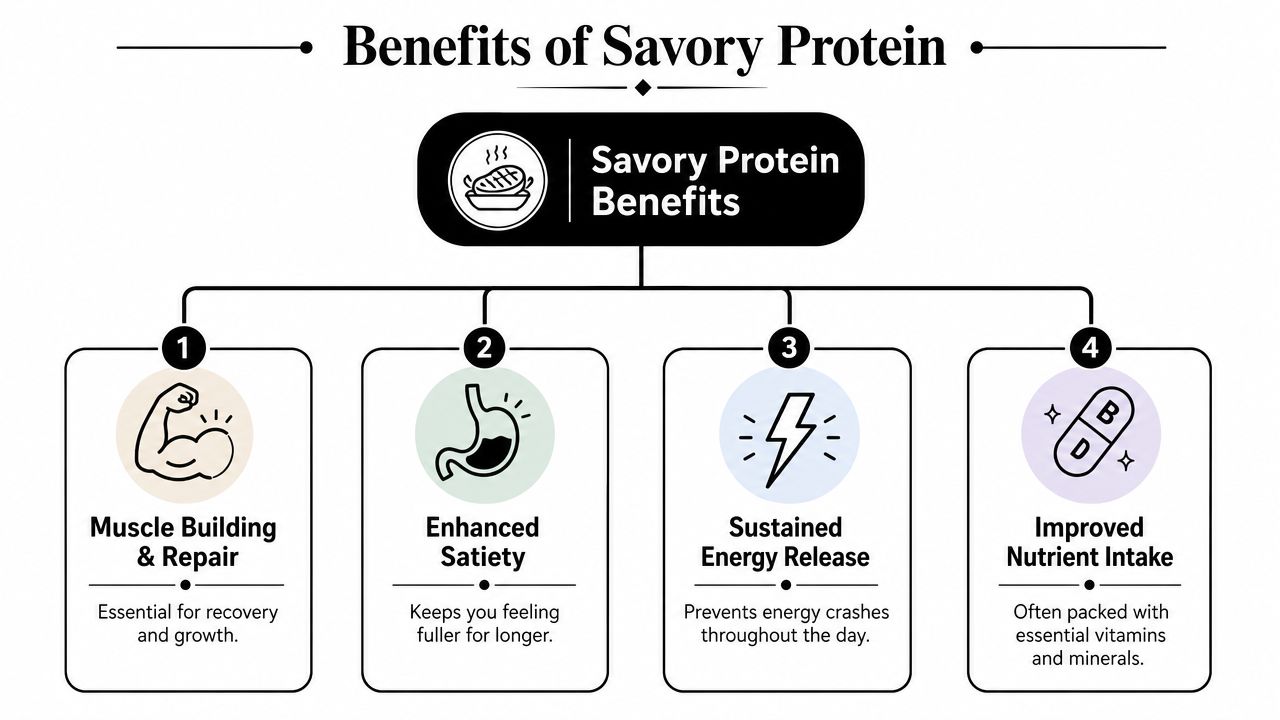
Muscle recovery starts with enough protein
Training creates a demand for repair. Protein supplies the amino acids your body uses to rebuild muscle tissue and support adaptation after that stress.
The key word is enough. A savory snack with a meaningful protein dose can help cover the time between training and your next full meal. A snack with only a few grams may taste good, but it will not do much heavy lifting for recovery.
This is one reason savory options can work so well. Foods like jerky, roasted edamame, tuna packs, egg bites, and cheese crisps are often built around protein first, not protein added as an afterthought.
Satiety is part biology, not just willpower
Many people assume they need more discipline when a snack leaves them prowling the kitchen 30 minutes later. In reality, the snack often failed its job.
Protein is generally more filling than foods built mostly from refined starch or sugar. Part of that effect comes from fullness signals, including hormones such as GLP-1 and PYY. Those signals work like your body's meal-feedback system. When protein intake is solid, your brain gets a clearer message that you have eaten enough.
Savory foods can strengthen that effect in a practical way. Chew, crunch, salt, and protein together often create a more satisfying stopping point than a sweet snack that disappears in a few bites. For someone trying to improve body composition or control random cravings, that difference adds up across the week.
A simple test helps here. If a snack makes you feel calmer around food for the next couple of hours, it probably matched the moment well.
Better energy usually means steadier appetite and focus
People often describe protein snacks as giving them "more energy." What they usually notice is fewer sharp swings in hunger, focus, and mood.
A protein-forward snack digests more gradually than something based mostly on quick carbs. Add some fiber or fat, depending on the situation, and the curve gets even smoother. Pre-workout, lighter and easier-to-digest options tend to feel better. Between meals, a slightly richer snack can help you stay satisfied longer.
That is useful for athletes, but it also matters for regular workdays. Less rebound hunger often means better food decisions later.
For athletes building a bigger nutrition strategy around training, recovery, and supplementation, VitzAI's athletic performance guide gives helpful context on how those pieces fit together.
Savory protein often leads to better food quality
Sweet protein products can have a place. But savory choices often make it easier to eat real foods with short ingredient lists and a clear purpose.
That could mean cottage cheese with everything seasoning, hard-boiled eggs, smoked salmon, turkey roll-ups, roasted chickpeas, or Greek yogurt turned into a herb dip instead of a dessert cup. These options can bring along nutrients like calcium, iron, or potassium while still handling the main job of protein intake.
This is also where ingredient transparency matters. A good savory protein snack should be easy to understand. You should be able to see what is providing the protein, what is providing the flavor, and whether the rest of the ingredient list supports your goal or just fills space.
That is the bigger health advantage. Savory protein does not only help you eat more protein. It often helps you choose snacks that are more satisfying, less confusing, and easier to fit into a performance-focused diet.
How to Choose the Best Salty Protein Snack
The best salty protein snack is rarely the one shouting the loudest on the package. A better test is simpler. Does it give you enough protein to do a clear job, keep you satisfied for the situation you are in, and use ingredients you can understand?
That last part matters more than many shoppers realize. Savory snacks often feel more satisfying because they are built from foods and flavors your brain reads as meal-like, not dessert-like. For many people, that makes it easier to control hunger and avoid the cycle of eating a “protein” snack that still leaves them searching the pantry 30 minutes later.
Start with the nutrition panel
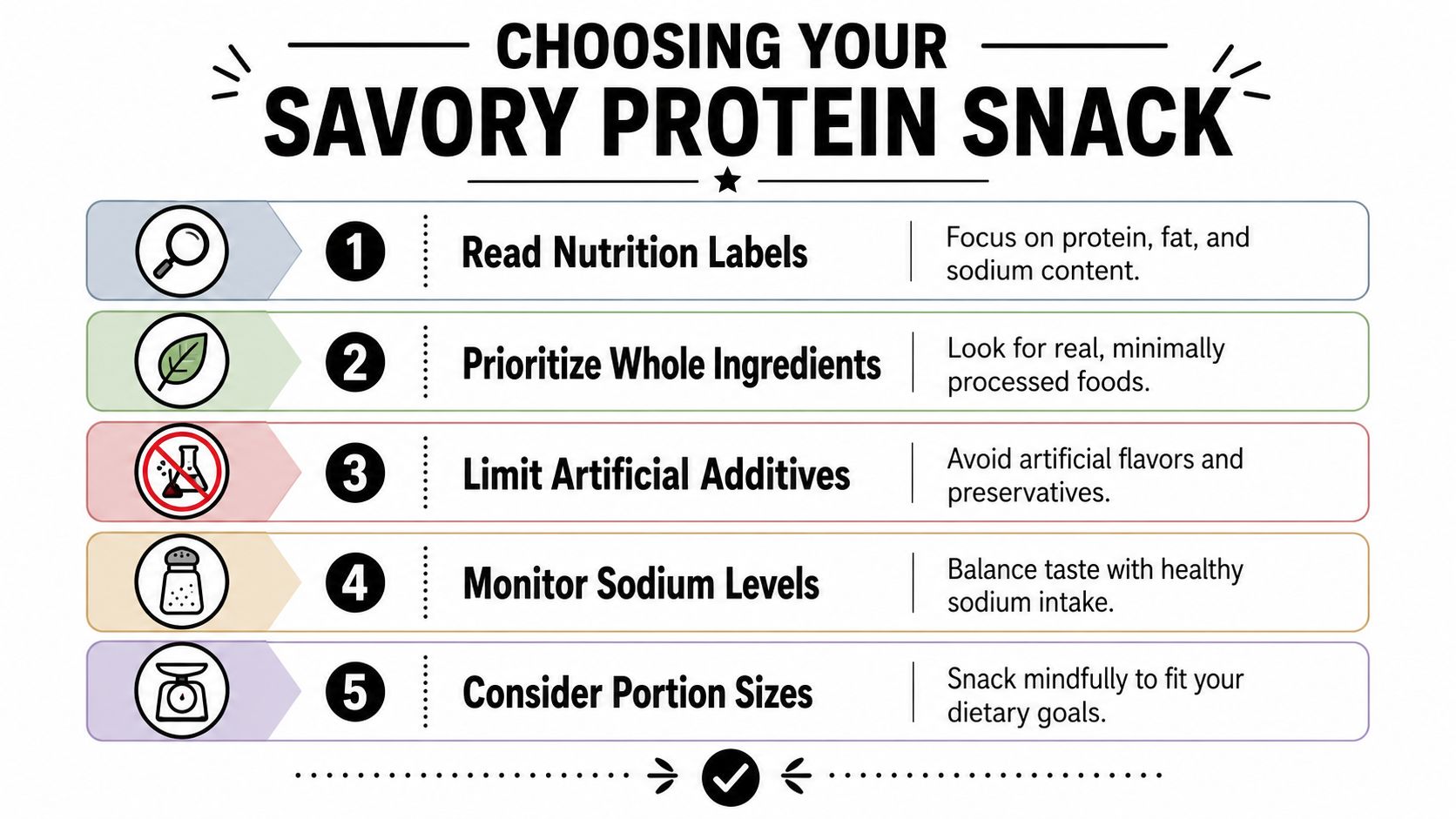
Use the label like a quick screening tool. It helps you separate a true protein snack from a crunchy convenience food with a little protein sprinkled in.
| What to check | Why it matters |
|---|---|
| Protein amount | Tells you whether the snack is doing a protein job |
| Fat level | Helps you judge whether it suits pre-workout use or longer satiety |
| Serving size | Prevents confusion between "per serving" and "per bag" |
| Ingredient list | Shows whether flavor comes from real ingredients or vague additives |
A useful rule is to ask what role the snack is supposed to play. If it is standing in for part of a meal or helping recovery, you usually want a meaningful amount of protein. If it is for appetite control between meals, protein still matters, but fat and fiber may help it last longer. The label gives you that context fast.
Here's a useful video if you want another practical look at better snack selection:
Decode the ingredient list, not just the flavor name
Flavor names can mislead. “Cheddar,” “smoky,” or “bacon-style” may describe the experience, not the food quality.
Read the ingredient list like a coach reading a roster. The first few names tell you who is doing the main work.
- What is the protein source such as pea protein, whey isolate, egg white, soy, or meat?
- What creates the flavor such as cheese powder, nutritional yeast, spices, herbs, or flavor blends?
- How long is the ingredient list, and can you recognize most of it?
- Does the product fit your needs if you're avoiding dairy, soy, gluten, or certain oils?
If the front of the bag sounds specific but the ingredient list feels vague, trust the ingredient list.
Clean and transparent does not mean perfect or homemade only. It means you can tell where the protein comes from, where the flavor comes from, and whether the extras support the snack or just bulk up the label.
Match the snack to the moment
A good choice at 3 p.m. may be a poor choice 30 minutes before training. Timing changes what “best” means.
- For pre-workout use: Choose easier digestion, moderate portions, and lower fat if you are eating close to your session. This guide to pre-workout snacks for muscle gain can help you sort those options.
- For between meals: A snack with some fat or fiber along with protein may hold you longer.
- For plant-based eating: Make sure the protein source is substantial enough to matter, not just added for marketing.
- For allergen-conscious eating: Check the full allergen statement, not only the front-of-pack badge.
One simple filter works well in the store. If the branding disappeared, would the nutrition panel and ingredient list still make this snack look like a smart choice? If yes, you are probably in good shape.
Timing Your Snacks for Maximum Impact
The same salty protein snack can feel great in one setting and wrong in another. Timing changes the job.
If you use snacks strategically, they become more than convenience food. They become tools for training support, appetite control, and smoother daily energy. For a broader food-first approach before training, this roundup of best pre-workout snacks for muscle gain gives useful context.
Before training
A pre-workout snack should help, not sit heavily in your stomach. In most cases, that means prioritizing easier digestion and keeping fat lower if you're eating close to your session.
Savory options can work well here because they often feel lighter than dessert-style bars. A lean protein snack, or one with a small amount of carbohydrate depending on your training, can support you without that overfull feeling.
After training
Post-workout is about convenience and speed of execution. You don't need perfection. You need a realistic way to get protein in.
If dinner is an hour away, a smaller savory protein snack can bridge the gap. If your next meal is later, choose something more substantial so recovery doesn't depend on willpower.
Between meals
Many people get the most value from savory protein in this context.
A well-timed salty protein snack in the afternoon can stop the common sequence of events: dip in energy, random grazing, overeating at dinner, then wanting sweets at night. Protein helps because it increases staying power. Savory flavor helps because it often satisfies a different kind of craving than sweet products do.
Eat snacks on purpose. Don't use them only when hunger has already become urgent.
That one habit change improves consistency more than is generally expected.
Delicious Ideas for Savory High Protein Snacking
A good savory protein snack solves two jobs at once. It gives you enough protein to make the snack count, and it gives your brain the salty, crunchy, savory payoff that often makes sweet protein products feel unfinished.
That second part matters more than people expect.
If a snack tastes like a compromise, you keep hunting for something else. If it matches the craving, appetite usually settles faster. That is part of the reason savory protein has become so useful for people trying to manage hunger, support training, and avoid the cycle of snack, dessert, then more snacking.
Start with a simple build-your-own framework
Use a basic formula: protein base + texture + flavor.
Protein is the anchor. Texture is what makes the snack satisfying. Flavor is what makes you want to eat it again. A bowl of plain cottage cheese has protein, but not much pull. Add cucumber, herbs, cracked pepper, and everything bagel seasoning, and it starts to feel like real food instead of diet food.
A few easy DIY options:
- Cottage cheese bowl: cucumber, cracked pepper, herbs, and everything bagel seasoning
- Hard-boiled eggs with salt and hot sauce: portable, filling, and easy to portion
- Tuna with crackers or sliced vegetables: strong savory flavor with minimal prep
- Roasted chickpeas: crunchy, shelf-stable, and easy to season
- Greek yogurt dip: mix with garlic, dill, lemon, and salt, then pair with vegetables
If you want a homemade crunchy option, this protein chips recipe shows how to turn a classic salty-snack craving into something with a clearer nutritional purpose.
Store-bought snacks should pass a clearer test
Convenience helps only if the product still does the job you need it to do. A flashy bag means very little if the protein is low, the ingredient list is hard to follow, or the flavor comes mostly from powders and additives.
Use this quick screen:
| Category | What to look for |
|---|---|
| Meat snacks | Clear protein content, familiar ingredients, moderate sodium for your needs |
| Cheese crisps | Cheese as the main ingredient and enough protein to justify the calories |
| Roasted legumes | Protein plus fiber, with seasoning you can actually recognize |
| Plant-based protein snacks | A real protein base such as peas or lentils, not just starch with health-focused packaging |
| Tuna or salmon pouches | Minimal ingredients, enough protein per pouch, and easy portability |
Clean labeling matters here. If you cannot tell what the product is made from in a few seconds, it becomes harder to judge how it fits your goals. That same idea shows up in food presentation and consumer trust more broadly, including this guide to UK hospitality packaging branding, which explains how clearer packaging choices shape buying decisions.
As noted earlier, the salty snack market is shifting toward simpler, better-for-you formats. For your own choices, the useful question is smaller and more practical: does this snack clearly deliver protein, satisfaction, and ingredients you recognize?
Pack for the craving you already know is coming
Snacking problems often start before hunger does. They start when the only available option is easy to grab and hard to stop eating.
Set up your environment like a training plan. Keep one savory protein snack at your desk, one in your bag, and one at home where late-day hunger usually hits. That small system makes consistency easier because it removes the decision at the moment you are most tired and least patient.
Savory protein works best when it is ready before you need it.
How Gym Snack Redefines Savory Protein
The market has a clear credibility problem. 36% of snacking occasions seek protein, yet the fastest-growing chips and crisps segment often leans on vague flavor marketing, leaving consumers unsure how to verify whether a savory snack delivers authentic protein value, according to Persistence Market Research's protein snacks market discussion.
That gap is exactly why transparent product design matters.
What a better savory protein snack should deliver
By the standards we've built throughout this article, a strong option should do five things well:
- Lead with protein first
- Taste clearly savory, not like a compromise pretending to be indulgent
- Use a recognizable ingredient strategy
- Fit common dietary restrictions
- Provide satisfying texture, because crunch changes the experience
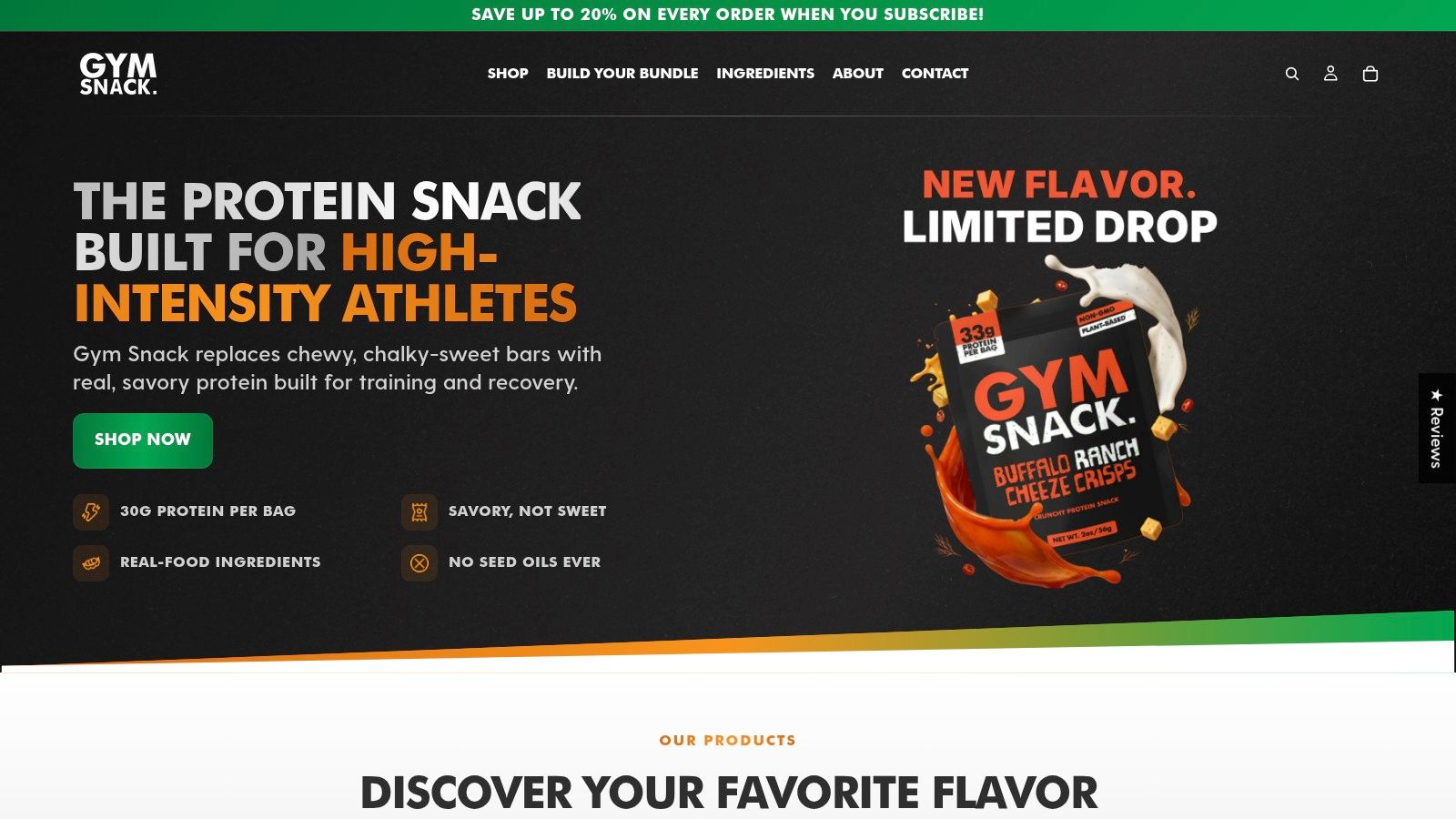
Gym Snack aligns with that framework closely. According to the publisher information provided, it uses clean pea protein, delivers 15g+ protein per serving and 30g+ per bag, keeps saturated fat low, contains no cholesterol, and avoids seed oils while remaining free of dairy, soy, and gluten.
Why that combination stands out
Most products get one or two of those points right. Few cover all of them at once.
A snack can be high protein but taste flat. It can taste good but use ingredients that don't fit your standards. It can be allergen-conscious but miss on texture. The appeal here is that the product was built around a specific need. People wanted a savory protein snack that feels like food, supports fullness, and doesn't hide behind fuzzy branding.
That matters even beyond nutrition. Packaging and presentation influence trust in food categories where shoppers make fast decisions. If you're interested in how visual identity shapes food buying behavior, this guide to UK hospitality packaging branding is a smart side read because it shows how branding can either clarify or confuse the promise of a product.
Clear flavor language and clear nutrition should show up together. One without the other creates doubt.
The practical fit for everyday users
Gym Snack also fits several real-life use cases well. It's relevant for lifters who are burned out on bars, plant-based eaters who want more crunch, busy professionals who need portable protein, and appetite-focused eaters who do better with savory foods than sweet "health treats."
The format matters too. Crunch slows you down just enough to make the snack feel substantial. That can improve satisfaction in a way soft bars often don't. And because the formula is built around a protein-first recipe with bold savory flavor, it lines up well with the broader shift toward snacks that support fullness and steadier eating patterns.
If you've been looking for a savory protein option that checks the boxes on taste, convenience, and ingredient transparency, that's the lane this product is trying to own.
If you're ready to replace sweet bars with something that tastes like actual food, Gym Snack is worth a look. It brings chef-inspired, plant-based crunch, bold savory flavor, and a protein-first profile into one convenient bag, making it an easy fit for pre-workout, post-workout, or between-meal snacking.