

Navigating the world of vegan protein can feel like a maze, especially when you're avoiding soy due to allergies, health goals, or personal preference. The common narrative often defaults to tofu and tempeh, leaving many to wonder: 'What's left?' The answer is, a whole lot. The plant kingdom offers a vast and powerful array of soy-free vegan protein sources that are not only effective for muscle building and satiety but are also packed with unique micronutrients.
This guide is designed to move beyond the basics. We will break down eight potent, accessible, and versatile soy-free options, detailing not just their protein content but how to use them effectively in your daily meals. To truly optimize your high-impact, soy-free vegan protein intake, gaining a comprehensive understanding of protein science is crucial. Consider exploring these expert insights on protein types and timing to further refine your nutritional strategy.
We’ll explore complete nutritional profiles, offer practical cooking tips to maximize nutrient absorption, and provide actionable meal ideas. From ancient pseudocereals to modern, convenient snacks, you’ll discover how to build a robust, soy-free, high-protein diet that supports your energy levels, fitness goals, and overall well-being. Let's unlock the powerhouse proteins you might be overlooking.
1. Nutritional Yeast
Often called "nooch" by its fans, nutritional yeast is a deactivated form of Saccharomyces cerevisiae, the same species used for baking and brewing. This golden, flaky powder is a powerhouse among soy free vegan protein sources, celebrated for its uniquely cheesy, savory flavor that mimics Parmesan. It's an easy and versatile way to boost both the protein content and taste of countless dishes.
What makes it a standout choice is its complete protein profile, containing all nine essential amino acids. A typical two-tablespoon serving can provide around 5-8 grams of protein, making it a simple addition to help you meet your daily intake goals. Many brands, like Bragg and Bob's Red Mill, also fortify their nutritional yeast with B vitamins, especially B12, which is crucial for those on a plant-based diet.
How to Use Nutritional Yeast
Getting started with nutritional yeast is simple. Its nutty, umami-rich flavor enhances meals without overpowering them, making it a staple in vegan kitchens.
- As a Topping: Sprinkle it directly onto popcorn, salads, roasted vegetables, or pasta for an instant cheesy kick.
- In Sauces and Dressings: Blend it into cashew-based creams or vinaigrettes to create rich, savory sauces for mac and cheese, lasagna, or Caesar salads.
- For Texture and Flavor: Mix it into tofu scrambles or breading for fried "chicken" to add depth and a savory crust.
Pro Tip: Store nutritional yeast in an airtight container in a cool, dark place, like a pantry, to preserve its flavor and nutrient integrity. Its strong taste can be potent, so start with a small amount and adjust to your preference.
This ingredient is an excellent choice for anyone seeking flavorful, soy-free protein boosts. For more ideas on integrating diverse plant-based proteins, explore this comprehensive high protein vegan foods list.
2. Pea Protein
Extracted from yellow split peas, pea protein is a high-quality isolate that has become a cornerstone of the plant-based food industry. This powerful, soy-free vegan protein source is celebrated for its rich amino acid profile, including all nine essentials, and its high digestibility. It’s a versatile ingredient that forms the backbone of many popular vegan products, from protein powders to meat alternatives.
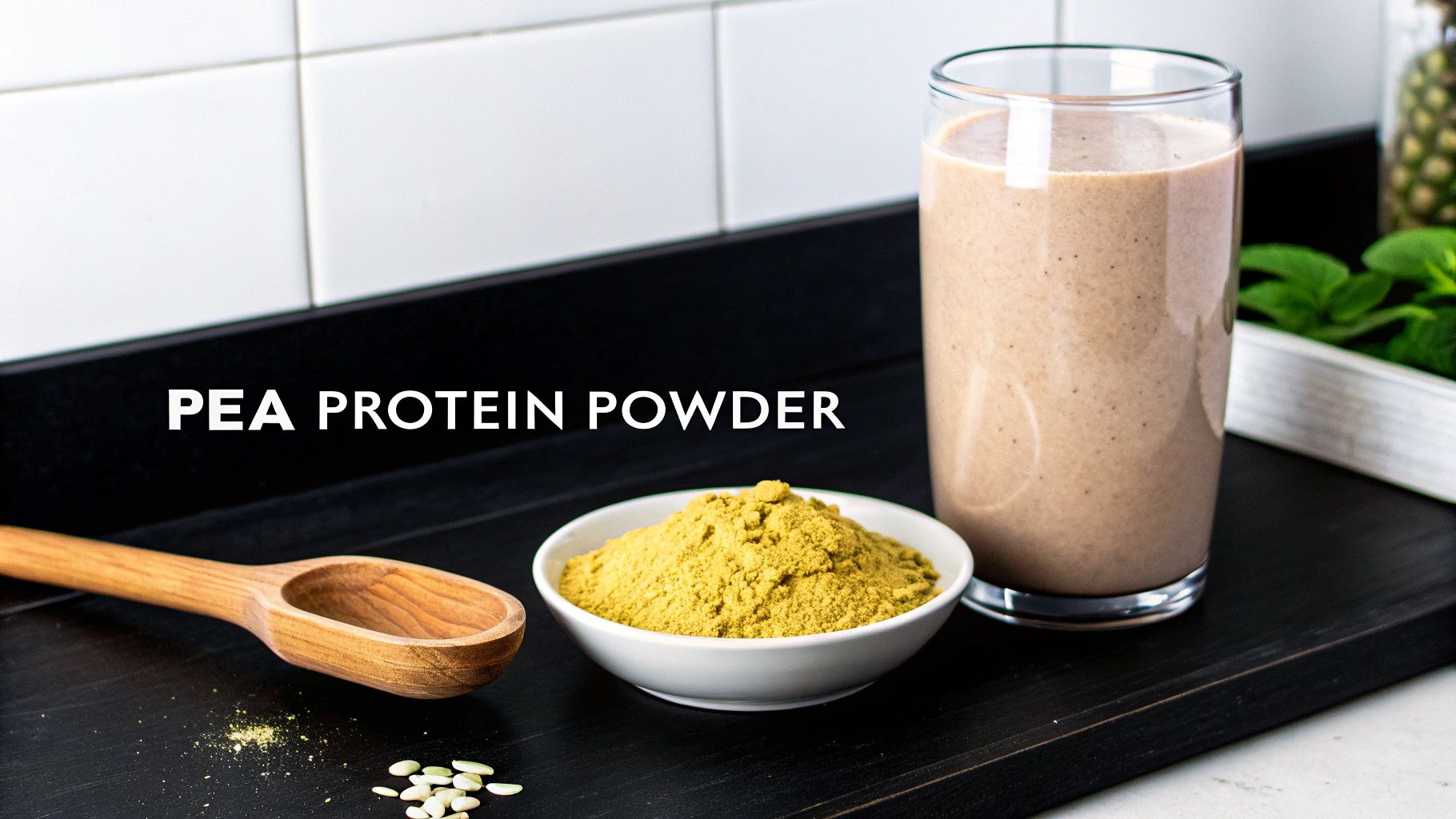
What makes pea protein a premier choice is its impressive protein content and bioavailability. A single scoop (around 30 grams) of pea protein powder typically delivers between 20-25 grams of protein. Its popularity has surged thanks to brands like Beyond Meat and Impossible Foods, which use it to create a satisfying, meaty texture in their products. It's also a staple in protein supplements from companies like Orgain and Vega.
How to Use Pea Protein
Incorporating pea protein into your diet is straightforward, whether you prefer whole foods or convenient supplements. Its mild, earthy flavor blends well into both sweet and savory dishes.
- In Shakes and Smoothies: Blend a scoop of pea protein powder with plant milk, fruits, and leafy greens for a quick, muscle-building meal or post-workout snack.
- For Baking and Cooking: Mix unflavored pea protein powder into oatmeal, pancake batter, or energy bites to discreetly increase their protein content without significantly altering the taste.
- Convenient Snacking: For an on-the-go option, look for snacks made with pea protein. Gym Snack’s savory crisps are an excellent example, offering a crunchy, satisfying way to get your protein fix.
Pro Tip: When choosing a pea protein powder, look for brands that are third-party tested for purity and quality. Some people may find pea protein slightly gritty, so blending it thoroughly or combining it with creamy ingredients like banana or avocado can improve the texture.
Pea protein is an ideal option for athletes and anyone looking to increase their protein intake efficiently. To understand more about its effectiveness, explore our guide on the best plant protein for muscle gain.
3. Hemp Seeds
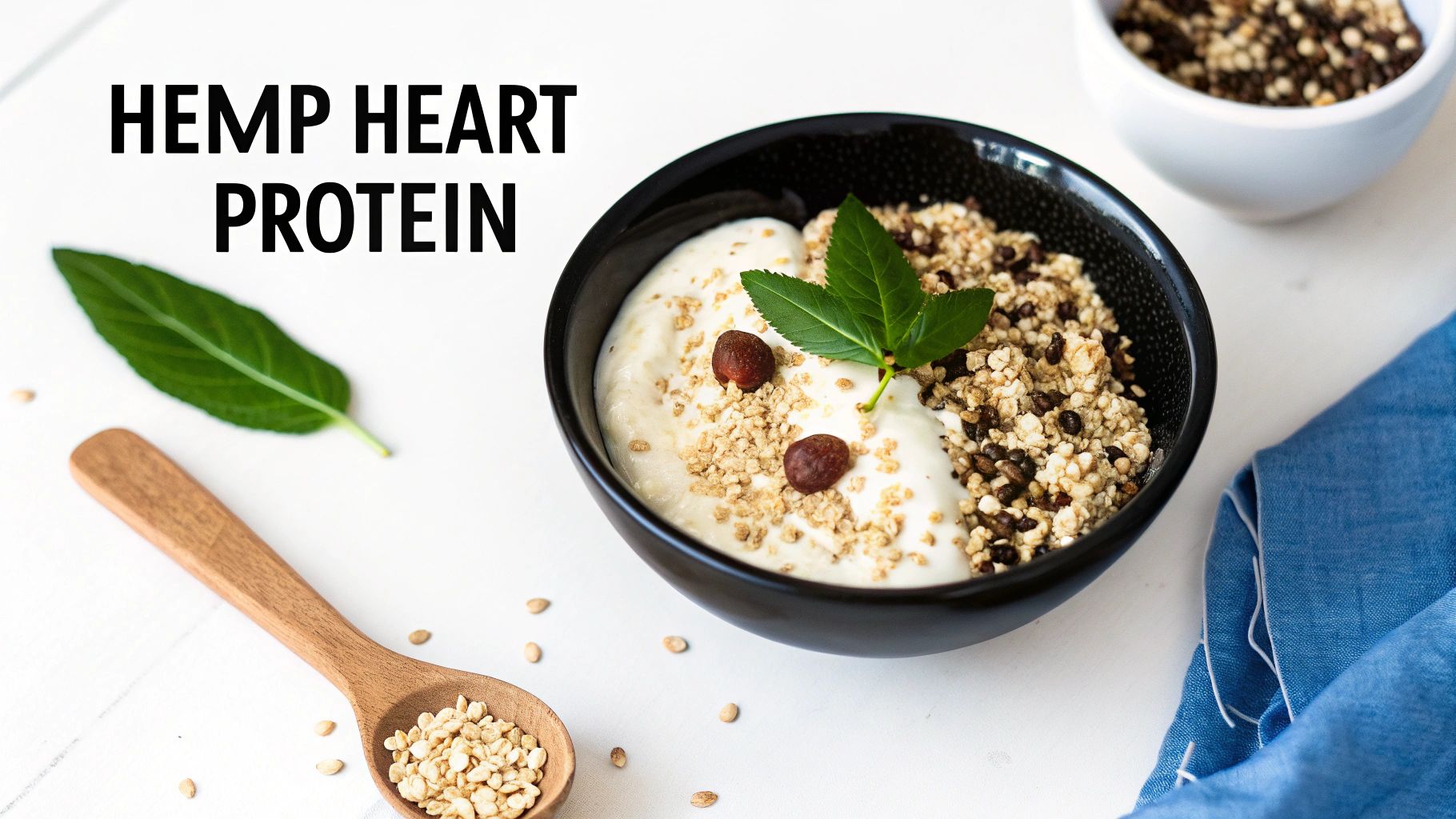
Hemp seeds, often sold as "hemp hearts," are the soft inner kernels of seeds from the Cannabis sativa plant. Despite their origin, they contain only trace amounts of THC and offer a powerful nutritional profile. These tiny seeds are a fantastic soy free vegan protein source, celebrated for their mild, nutty flavor and impressive density of protein, healthy fats, and essential minerals.
What makes hemp seeds a top-tier choice is that they are a complete protein, providing all nine essential amino acids. Just three tablespoons of hulled hemp seeds deliver around 10 grams of high-quality protein, along with beneficial omega-3 and omega-6 fatty acids. Brands like Manitoba Harvest and Nutiva have made these nutrient-dense seeds widely available, showcasing their versatility and benefits for a plant-based diet.
How to Use Hemp Seeds
Integrating hemp seeds into your diet is incredibly easy due to their soft texture and versatile flavor. They can be added to almost any meal for a quick and effortless protein boost.
- As a Topping: Sprinkle a generous spoonful over smoothie bowls, oatmeal, yogurt, salads, or avocado toast.
- In Blended Recipes: Add them to smoothies for a creamy texture or blend them with water to create homemade hemp milk.
- For Texture and Nutrition: Mix them into baked goods like muffins and energy bars, or stir them into soups and grain bowls just before serving.
Pro Tip: To preserve their delicate healthy fats, store hemp seeds in an airtight container in the refrigerator after opening. Toasting them lightly in a dry pan for a few minutes can enhance their nutty flavor, but avoid high heat to protect their nutritional value.
Hemp seeds are an ideal choice for anyone looking to easily increase their protein intake. To better understand how ingredients like this fit into a balanced meal plan, explore these tips on how to get enough protein on a plant-based diet.
4. Pumpkin Seeds (Or Pepitas)
Often enjoyed as a seasonal snack, pumpkin seeds, also known as pepitas, are a surprisingly potent and versatile option among soy free vegan protein sources. These small, green seeds are not just for autumn; they are a year-round nutritional powerhouse celebrated for their rich, nutty flavor and satisfying crunch. They are an accessible and affordable whole-food choice for boosting protein intake. Shell-on pumpkin seeds like Pumps are a great option for additional nutritional value.
What makes them a standout choice is their robust nutritional profile. A one-ounce (about a quarter cup) serving of pumpkin seeds delivers an impressive 8-9 grams of protein. While they contain all nine essential amino acids, they are slightly lower in methionine and tryptophan, but this is easily balanced by pairing them with other plant-based foods. Brands like Trader Joe's and various organic suppliers make them widely available.
How to Use Pumpkin Seeds
Incorporating pumpkin seeds into your diet is straightforward, as their mild flavor complements both sweet and savory dishes. They add texture and a significant nutrient boost with minimal effort.
- As a Topping: Sprinkle them generously over oatmeal, yogurt bowls, salads, soups, and grain bowls for an instant crunch and protein enhancement.
- In Blended Recipes: Blend them into smoothies, pestos, or dips to add creaminess and protein. They can also be processed into a rich, homemade pumpkin seed butter.
- For Snacking: Roast them with your favorite spices for a simple, high-protein snack, or mix them into homemade granola and trail mixes.
Pro Tip: To enhance flavor and texture, toast raw pepitas in a dry skillet over medium heat for 3-5 minutes until they start to pop. For easier digestion and nutrient absorption, consider soaking raw seeds for a few hours before eating or roasting.
5. Spirulina
Spirulina is a blue-green algae, technically a type of cyanobacteria, renowned as one of nature's most concentrated food sources. This ancient superfood is an incredible source of plant-based protein, with a composition that is approximately 60-70% protein by dry weight. Its dense nutritional profile makes it one of the most efficient soy free vegan protein sources available for those looking to maximize nutrient intake.

What makes spirulina a top-tier choice is its impressive protein quality; it provides a complete amino acid profile. A single tablespoon (around 7 grams) of dried spirulina powder packs about 4 grams of highly digestible protein. Reputable brands like Hawaiian Spirulina (Nutrex Hawaii) ensure their products are tested for contaminants, offering a clean and potent protein boost alongside a wealth of vitamins, minerals, and antioxidants.
How to Use Spirulina
Incorporating this potent green powder into your diet is straightforward, though its distinct, earthy flavor requires some creativity. Its vibrant color can also transform the look of your meals and drinks.
- In Smoothies and Juices: Blend one or two teaspoons into a fruit smoothie with banana, pineapple, or mango to effectively mask its strong taste.
- For Energy Bites: Mix spirulina powder into no-bake energy balls or homemade protein bars for a nutrient-dense, on-the-go snack.
- In Savory Dishes: Stir a small amount into guacamole, pesto, or salad dressings for a subtle nutritional upgrade and a rich green hue.
Pro Tip: When starting with spirulina, begin with a small dose (1 teaspoon) and gradually increase as you get accustomed to it. Always choose products that are certified organic and verified free of microcystin contamination to ensure safety and quality.
6. Lentils
A humble yet mighty legume, lentils have been a dietary staple for thousands of years, prized for their affordability and impressive nutritional profile. These tiny, lens-shaped seeds are a cornerstone of many global cuisines, from Indian dal to Mediterranean salads. As one of the most accessible soy free vegan protein sources, they offer a substantial protein punch and are incredibly versatile in the kitchen.
What makes lentils a standout choice is their high protein and fiber content. A single cooked cup delivers around 18 grams of protein, making it an effective and budget-friendly way to meet daily protein needs. Lentils are also packed with iron, folate, and manganese. While not a complete protein on their own, pairing them with grains like rice or quinoa easily creates a full amino acid profile, a classic combination celebrated in dishes worldwide.
How to Use Lentils
Integrating lentils into your meals is straightforward, as different varieties lend themselves to different preparations. Brown and green lentils hold their shape well, while red and yellow lentils break down into a creamy texture.
- In Soups and Stews: Red lentils are perfect for creating thick, hearty soups like traditional Indian dal. Brown or green lentils add robust texture to vegetable stews and chilis.
- For Salads and Bowls: Cooked and cooled brown or green lentils make a fantastic, protein-rich base for vibrant Mediterranean salads or nourishing grain bowls.
- As a Meat Substitute: Use cooked brown lentils to create plant-based "meatballs," bolognese sauce for pasta, or hearty fillings for shepherd's pie and tacos.
Pro Tip: Always rinse dried lentils before cooking to remove any debris. For improved digestibility, you can soak them for 30 minutes and cook them with a piece of kombu seaweed. Red lentils cook quickly (about 15-20 minutes), while brown and green varieties take longer (25-30 minutes).
7. Buckwheat
Despite its misleading name, buckwheat is not a type of wheat but a gluten-free pseudocereal. This ancient seed has gained immense popularity in health-conscious communities for its robust nutritional profile and versatility. As one of the top soy free vegan protein sources, buckwheat is celebrated for providing a complete protein, containing all nine essential amino acids necessary for muscle repair and growth.
What makes buckwheat a standout choice is its impressive protein content, offering around 6 grams of protein per one-cup serving of cooked groats. Its earthy, nutty flavor adds depth to both sweet and savory dishes, making it a highly adaptable ingredient. From traditional Eastern European kasha to Japanese soba noodles, its use is widespread and celebrated across various cuisines.
How to Use Buckwheat
Incorporating this powerful pseudocereal into your diet is straightforward. Its versatility allows it to be used in its whole form (groats), as flour, or even as noodles, fitting seamlessly into any meal of the day.
- As a Grain Base: Use cooked buckwheat groats as a foundation for hearty Buddha bowls, salads, or as a nutritious substitute for rice or quinoa.
- In Breakfast Dishes: Cook groats into a warm porridge similar to oatmeal, or use buckwheat flour to make classic pancakes, crepes, and waffles.
- For Noodles and Baking: Look for 100% buckwheat soba noodles for a gluten-free pasta alternative, or use buckwheat flour to add a rich, nutty flavor to baked goods like muffins and bread.
Pro Tip: Before cooking, toast the dry buckwheat groats in a pan for 2-3 minutes. This simple step enhances their natural nutty flavor and helps the grains cook up fluffier and less sticky. Rinse them well after toasting to remove any bitterness.
8. Sunflower Seeds
Harvested from the beautiful, sun-facing flower heads, sunflower seeds are a surprisingly potent and affordable choice among soy free vegan protein sources. These small but mighty kernels are celebrated not just for their mild, nutty flavor but also for their impressive nutritional density. They are widely available, making them an accessible staple for anyone looking to diversify their plant-based protein intake without breaking the bank.
What makes sunflower seeds a standout option is their well-rounded nutritional profile. A quarter-cup (30g) serving of shelled seeds provides around 6-7 grams of protein, alongside a wealth of healthy fats, vitamin E, and selenium. While they are a good source of protein on their own, they are especially valuable for those with nut allergies, offering a safe and satisfying alternative in butters, milks, and snacks. Brands like David's are famous for roasted snacks, while Trader Joe's offers versatile raw or roasted kernels.
How to Use Sunflower Seeds
Integrating sunflower seeds into your diet is incredibly simple, thanks to their versatility. They can be enjoyed raw or roasted and add a satisfying crunch and nutritional boost to many meals.
- As a Topping: Sprinkle them generously over salads, oatmeal, smoothie bowls, or avocado toast for added texture and protein.
- In Butters and Sauces: Blend them into a creamy, nut-free butter to spread on toast or use as a base for savory sauces and dressings. Soaked seeds can also be blended to create a creamy base for vegan cheese or dips.
- For Snacking and Baking: Enjoy them straight from the bag as a quick snack, or incorporate them into homemade granola bars, trail mixes, and baked goods like muffins and breads.
Pro Tip: To enhance their flavor and improve nutrient absorption, try soaking raw sunflower seeds for two to four hours before use. Roasting them lightly at 300°F (150°C) for a few minutes can also deepen their nutty taste, but store them in the refrigerator afterward to prevent the healthy oils from going rancid.
Soy-Free Vegan Protein Sources — 8-Item Comparison
| Item | 🔄 Implementation Complexity | ⚡ Resource Requirements | 📊 Expected Outcomes | 💡 Ideal Use Cases | ⭐ Key Advantages |
|---|---|---|---|---|---|
| Nutritional Yeast | Low — no cooking; sprinkle-ready | Low prep; moderate cost; shelf-stable | ⭐ 8g/2 tbsp; B‑vitamins (B12 if fortified); complete protein | Sprinkle on popcorn/pasta; sauces; vegan cheese | Umami flavor; complete protein; fortified B12 |
| Pea Protein | Low — powder requires blending | Low cost (powder); widely available; needs blender | ⭐ 20–25g/serving (powder); high BCAAs; muscle support | Smoothies, protein shakes, plant-based meats | High protein density; affordable; hypoallergenic |
| Hemp Seeds | Low — no cooking; refrigerate after opening | Moderate cost; perishable oils; widely sold | ⭐ 10g/3 tbsp; omega‑3/6, minerals; complete whole‑food protein | Smoothie bowls, salads, hemp milk | Complete EAA in whole food; rich omega fats; bioavailable |
| Pumpkin Seeds (Pepitas) | Low — can roast/soak; minimal prep | Low cost; widely available; long shelf life if stored | ⭐ 9g/oz; high magnesium, antioxidants | Snacks, granola, seed butter, toppings | Affordable; mineral-dense; versatile culinary use |
| Spirulina | Low–Medium — powder dosing; taste masking needed | Higher cost; supplement form; quality testing recommended | ⭐ 7g/tbsp; very high protein density by weight; phycocyanin antioxidant | Superfood smoothies, supplement blends, bars | Extremely protein-dense; sustainable growth; rich phytonutrients |
| Lentils | Medium — cooking (15–30 min); optional soaking | Very low cost; widely available dried | ⭐ 18g/cooked cup; high fiber; pairs with grains for complete protein | Soups, stews, salads, budget meals | Cost-effective; versatile; fiber- and nutrient-rich |
| Buckwheat | Medium — rinse/toast then cook; quick cooking | Low cost; gluten-free; available as groats/flour | ⭐ 6g/cooked cup; complete protein; resistant starch | Pancakes, soba noodles, grain bowls | Gluten-free complete protein; quick to cook; nutty flavor |
| Sunflower Seeds | Low — raw or roasted; simple prep | Low cost; widely available; long shelf life refrigerated | ⭐ 8.6g/oz; very high vitamin E and selenium | Snacks, seed butter, baking, salads | Highest natural vitamin E; nut-free alternative; affordable |
Putting It All Together: Building Your High-Protein, Soy-Free Plate
Navigating the world of plant-based eating without soy might seem restrictive at first, but as we've demonstrated, your options are incredibly vast and powerful. The journey to a high-protein, soy-free vegan diet is not about limitation; it's about strategic diversification and embracing the nutritional powerhouses that nature provides. From the cheesy, umami kick of nutritional yeast to the earthy richness of lentils and the complete protein profile of hemp seeds, building a robust and satisfying menu is entirely within your reach.
The key takeaway is that variety is your greatest asset. Relying on a single protein source is less effective than creating a synergistic plate. By combining different soy free vegan protein sources, such as a lentil stew topped with pumpkin seeds or a buckwheat bowl mixed with sunflower seeds, you ensure a more comprehensive amino acid profile, which is crucial for muscle repair, energy, and overall health. This approach also exposes you to a wider array of essential vitamins, minerals, and healthy fats that each unique source offers.
Your Action Plan for Success
To make this information truly work for you, it's time to move from reading to doing. Here are some actionable steps to integrate these protein sources into your daily routine seamlessly:
- Start Small: Don't try to overhaul your entire pantry overnight. Choose one new protein source from this list, like spirulina or hemp seeds, and commit to incorporating it into one meal or snack each day for a week.
- Plan for Convenience: Life gets busy, and relying on whole-food preparation alone isn't always realistic. This is where smart, prepared options become essential. Having a go-to convenient source like a pea protein-based snack ensures you never have to compromise on your protein goals, even on your most hectic days.
- Listen to Your Body: Pay attention to how you feel as you introduce these new foods. While all the options listed are soy-free and generally well-tolerated, individual sensitivities can vary. For those navigating a plant-based lifestyle, understanding how to address common dietary concerns, such as safely incorporating sufficient protein into a plant-based diet, is crucial for long-term success and well-being.
Mastering a soy-free, high-protein vegan lifestyle is an empowering step toward taking control of your health, fitness, and nutrition. It allows you to fuel your body with clean, effective, and delicious foods that align with your goals, whether you're building muscle, managing weight, or simply seeking a more vibrant way of living. You now have the knowledge and the tools to build balanced, protein-packed plates that are as satisfying as they are nourishing.
Ready to simplify your high-protein, soy-free snacking? Gym Snack offers the perfect solution with our crunchy, savory pea protein snacks, delivering over 15g of clean protein per serving without any soy, gluten, or artificial junk. Explore our delicious flavors and make hitting your protein goals easier than ever at Gym Snack.