

Most fitness advice treats a snack like a math problem. If the protein number looks high enough, the product is assumed to be good. That's the wrong test. A snack has to taste good, feel good in the mouth, and survive a real-world situation like a gym bag, a desk drawer, or a rushed commute, or people won't keep eating it.
That's where textured pea protein matters. It isn't just a source of protein, it's the ingredient that helps turn peas into something with bite, crunch, and structure instead of chalky disappointment. The market has grown from niche to meaningful, with one estimate placing the textured pea protein market at USD 0.58 billion in 2025 and projecting USD 0.92 billion by 2030 at a 9.8% CAGR, while an earlier report put it at USD 471.96 million in 2021 and projected USD 727.52 million by 2026 at an 8.4% CAGR. In both reports, North America is the largest regional market and Asia Pacific is the fastest-growing region, which shows how far this ingredient has moved beyond novelty into everyday food manufacturing Mordor Intelligence.
Why Protein Content Alone Does Not Make a Great Snack
A lot of high-protein snacks fail for the same reason a great-looking gym plan fails, they ignore the part people experience. You can hit a strong macro number and still end up with a product that tastes bitter, feels dusty, or leaves a weird coating in your mouth. That's not a nutrition problem, it's a formulation problem.
The label is only the starting point
Protein is only one variable. If the texture is dry, the flavor is harsh, or the aftertaste lingers, shoppers won't buy it twice. That matters for gym-goers because repeat use is the whole game, not a one-time protein count on a wrapper.
Textured pea protein bridges that gap because it can give plant-based snacks something closer to chew and structure, not just a dense protein hit. A peer-reviewed review reports pea protein isolates at 80 to 83% protein on a dry basis, which helps explain why it's attractive in high-protein foods peer-reviewed review. But protein density alone doesn't guarantee a satisfying snack, because the final bite depends on what manufacturers do after extraction and texturization.
Practical rule: If a snack looks great on the front label but falls apart in your mouth, the formula is asking your palate to do the work the ingredient system should have done.
Why the eating experience wins
Most athletes care about convenience, but convenience only matters if the snack feels worth finishing. That's especially true for plant-based products, where bitterness, graininess, and residual coating can make a “clean” ingredient list feel less clean in practice. Textured pea protein gives brands a way to build a more snack-like experience, but only if the seasoning, moisture, and crunch are handled well.
A useful way to think about it is this. Protein content is the engine, but texture and flavor are the steering wheel. Without both, the snack may technically perform, yet still miss the mark when someone opens the bag after training.
How Textured Pea Protein Is Made and Processed
Yellow peas don't become crispy, fibrous food by accident. They go through a sequence of separation and restructuring steps that changes not just the ingredient, but the way it behaves in the mouth. The process is easier to understand if you compare it to turning fine flour into a sponge-like matrix that can hold water, flavor, and shape.
From pea to protein ingredient
First, processors extract protein from peas and isolate the part they want to use. The literature notes extraction yields ranging from 50 to 80%, depending on the method, which is one reason manufacturers choose different fractionation and isolation routes PMC review. That choice matters because yield, purity, and functionality often pull in different directions.
Dry fractionation keeps more of the native structure intact, while wet extraction can push protein purity higher. For snack makers, that trade-off is practical, not academic. A more purified ingredient can behave differently in water, in oil, and under heat, so the formulation has to be adjusted around it.
Extrusion changes the structure
The next step is texturization, often through extrusion. In the extrusion-based study cited in the brief, pea-texturized products reached protein contents of 14.69% and 30.36% after processing through different nozzle sizes, which shows that nozzle design and processing conditions can materially change the final product PMC review. That's the key idea many shoppers miss. The raw ingredient matters, but the processing conditions decide what the final bite feels like.
Why the structure matters for snacks
For savory snacks, extrusion can make a protein ingredient act less like powder and more like a porous structure that absorbs seasoning. That's why manufacturers spend so much time tuning heat, moisture, and die shape. They aren't just making protein “more processed”, they're creating a shape that can crunch, hold flavor, and resist turning to dust.
If you want a simple overview of where pea protein starts before this processing, this guide on what pea protein is made from is a useful companion. It helps connect the raw crop to the ingredient in the bag.
Nutritional and Functional Properties That Matter
People often ask whether pea protein is good for muscle. That question matters, but it only gets you part of the way there. For snacks, the test is how the ingredient behaves after processing, because bite, dryness, and oiliness decide whether someone finishes the bag or puts it back on the shelf. A protein snack has to perform on paper and in the hand.
What changes after texturization
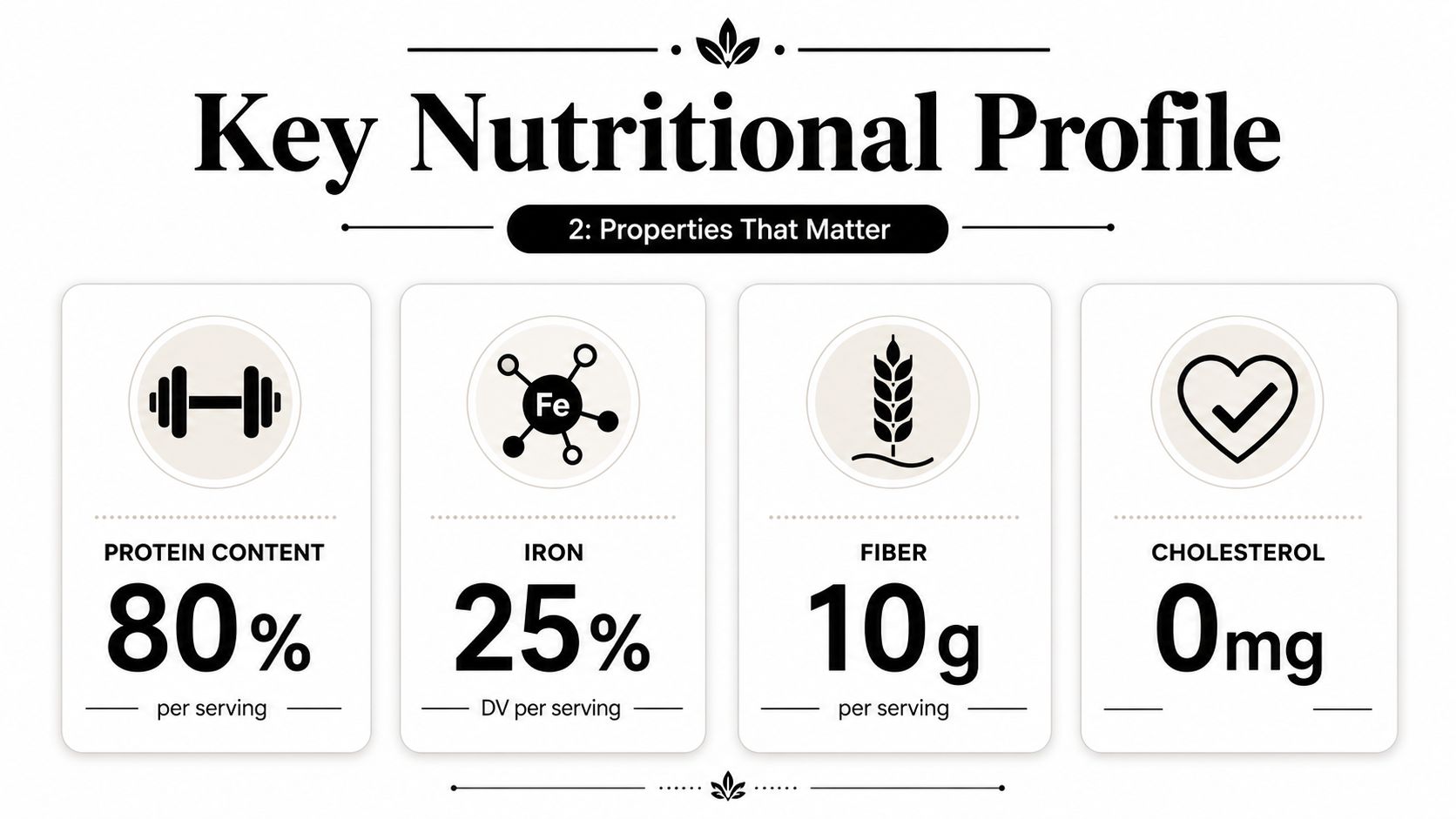
One extrusion study on pea protein reported 73.49% protein in the texturized material, along with significantly higher water absorption capacity, significantly lower oil absorption capacity, and lower protein solubility after extrusion Whiterose manuscript. That combination matters in savory snacks because water binding helps build structure and bite, while lower oil absorption can keep the mouthfeel from turning greasy.
Water absorption gives the product body. Oil absorption shapes how rich or heavy it feels. When those traits move in the right direction, the snack behaves more like something you would choose after a workout, not something you accept just because the protein count looks good.
Protein density isn't the whole nutrition story
Pea protein is also valued because it is naturally allergen-friendly compared with common dairy and soy proteins, which makes it easier to use across broader product lines 12 Taste. For athletes who avoid dairy or soy, that matters as much as the protein count. It also helps brands serve mixed groups, from vegan lifters to people who want a savory option without milk-derived ingredients. The practical question is not only how much protein is present, but whether the ingredient can fit more than one dietary pattern without creating friction.
Easy way to think about it: higher water binding works like a better-built foam mattress, it supports shape. Lower oil binding works like a cleaner shirt after a long day, it does not hold onto extra grease.
For readers comparing nutrition labels, a focused overview of pea protein nutrition facts helps put the ingredient in context without getting lost in marketing language. For a broader view of how protein and exercise fit together, the discussion on nutrition and exercise for metabolic health offers a useful reminder that ingredient choices matter most when they support a routine people can stick with.
Textured Pea Protein Versus Soy and Other Plant Proteins
Textured pea protein often gets compared with soy because soy has been the older, more familiar plant protein in this category. That comparison is useful, but it does not explain why pea has gained ground. For many shoppers, the choice is not just about protein content. It is about allergens, flavor neutrality, and whether the final snack feels easy to eat every day.
| Plant Protein Comparison for Fitness Snacks | Allergen Status | Protein Density | Taste Profile | Best Use Case |
|---|---|---|---|---|
| Textured pea protein | Naturally allergen-friendly in many formulations | High, especially after isolation PMC review | Can be savory when formulated well, but off-notes need masking | Crunchy fitness snacks and meat-like textures |
| Soy protein | Common allergen in many markets | High | Often more familiar in plant-based foods, but can be polarizing | Traditional meat alternatives and legacy plant protein products |
| Wheat gluten | Contains gluten, not suitable for everyone | Protein-rich, but not ideal for all diets | Strong chewy structure | Seitan-style textures and chewy meat substitutes |
| Fava bean protein | Often used in newer plant-based products | Varies by formulation | Can be earthy | Emerging meat alternatives and blended systems |
| Chickpea protein | Usually used in blended formulas | Varies by product | Mild to nutty | Snack systems and baked plant-based foods |
Why pea has momentum
Soy has history, but pea has a simpler fit for people avoiding major allergens. Wheat gluten gives chew, yet it excludes anyone who needs gluten-free products. Fava and chickpea are interesting, but they are still building their place in mainstream snack formats. Pea protein sits in the middle, familiar enough to scale and flexible enough to adapt.
That is one reason it keeps showing up in gym-focused products. For readers comparing protein density across formats, a focused look at best plant protein for muscle gain helps show why the ingredient choice has to fit the food, not just the label. If you want a broader fitness comparison, the discussion on whey protein for semaglutide users is useful because it shows how protein choice changes eating comfort and routine, not just macro totals.
The practical decision rule
For a lifter who wants a snack they can keep in a backpack, pea usually wins on fit, not on romance. It does not need to be the creamiest, sweetest, or most familiar option. It needs to be versatile, allergen-conscious, and easy to season into something people will finish.
If a product claims to be plant-based but uses an ingredient stack that makes it hard to chew or hard to digest, the label is doing too much work. The better question is whether the protein source fits the use case.
The Palatability Challenge and How Formulators Solve It
A lot of pea protein products lose people at the first bite. The issue is not that consumers reject protein itself, it is that they notice bitterness, astringency, graininess, powdery mouthfeel, residual coating, and beany flavor when those notes take over the snack. That is a formulation problem, not a fitness problem.
Negative notes matter more than hero claims
A sensory study cited in the brief makes a useful point. Liking depended mostly on keeping the bad attributes out of the way, while sweet taste, green pea flavor, and some nutty or grassy aromas supported acceptance PMC sensory study. A snack does not need to taste like dessert. It needs to stay pleasant enough that people keep eating it.
For gym audiences, that matters because “high protein” can become a cover for weak product design. A brand can print bold claims on the front panel, but if the flavor system feels thin and the texture turns dusty, repeat purchase drops off quickly.
What wins in practice: a snack that tastes intentionally savory usually beats one that tastes vaguely “healthy” and unfinished.
How brands reduce the off-notes
Formulators use savory seasoning systems, fat carriers, crunch, and masking ingredients to cover bitterness and sharpen the first impression. They also adjust mouthfeel so the protein does not cling to the tongue or leave a powdery finish. In products built on textured pea protein, the protein matrix has to do two jobs at once, hold structure and accept flavor.
One practical example is marination-based savory snacks, where the seasoning is not just dusted on top. It is absorbed into the structure, which helps reduce the “seasoning at the bottom of the bag” problem and makes each bite more consistent. For fitness snack users, that consistency is what turns an ingredient from tolerable to habit-forming.
Why mouthfeel can beat macro marketing
This is the part many protein brands still miss. People do not return to a snack because the amino acid profile looked good on paper. They return because the snack felt like food, not a compromise. If the bite is crunchy, the seasoning is layered, and the coating does not feel chalky, the ingredient has done its job.
One savory option in the market takes this route directly, using textured pea protein in a crunchy format that focuses on seasoning integration rather than surface dusting. That design choice does not erase the plant-protein aftertaste risk, but it does show where the category is heading.
Buying Guide and Label Reading for Quality Products
Reading a textured pea protein label is less about chasing buzzwords and more about checking whether the product is built for actual eating. A good bag should tell you what the protein source is, how the flavor is carried, and whether the formula fits your dietary needs. If the label feels vague, the snack probably is too.
Start with the ingredient list
The first thing to look for is whether textured pea protein or another clearly named pea ingredient appears near the top of the list. That tells you the product is built around the protein source rather than hiding it behind fillers. If the label leans on a pile of starches, sweeteners, or mystery “natural flavor” language, the product may be using protein as a marketing cue rather than a real foundation.
Check the allergen callouts too. Pea-based snacks are often positioned as dairy-free, soy-free, and gluten-free, but that should be verified on the package, not assumed. For people with sensitive digestion, the more transparent the ingredient list, the easier it is to predict how the snack will sit.
Use the packaging claims as clues, not proof
Protein-per-serving claims only mean something if the serving size is realistic. A tiny serving can make a snack look more protein-rich than it feels in practice. The better brands make the serving size easy to understand and don't rely on inflated portions to make the math look better.
Green flags
- Short, readable ingredient list: Fewer moving parts usually means fewer hidden problems.
- Clear allergen statements: Easy to verify if the product fits your diet.
- Savory flavor system that sounds intentional: Ingredients like spices, acids, and umami builders usually signal a designed taste profile.
Red flags
- Vague protein naming: If you can't tell what kind of pea ingredient is used, pause.
- Overly sweet positioning on a savory snack: That can hide a weaker flavor structure.
- Too many filler ingredients: A long list isn't always bad, but it often means the protein isn't doing the main job.
Judge the brand by transparency
Good brands explain how the snack was built. They don't hide behind “clean” language without specifics. They also tend to be more explicit about sourcing and function, which helps you compare options instead of guessing.
If you're shopping for a serious gym snack, look for a product that reads like a food, not a billboard. The more clearly the label connects protein source, flavor strategy, and dietary fit, the less likely you are to end up with a bag of disappointing macros.
Real-World Applications for Fitness and Plant-Based Lifestyles
A textured pea protein snack fits best when it solves a real moment in the day. That could be a pre-workout bite when you don't want something heavy, a post-workout option when you need protein without a shake, or a desk snack that keeps you from reaching for random convenience food. The ingredient only matters if it survives those moments.
Different use cases, different expectations
A lifter heading to an early session usually wants something that's easy to carry and doesn't sit like a brick. A plant-based professional wants a snack that fits between meetings without a lot of prep. A student wants something savory enough to feel like a break, not a compromise. Textured pea protein can work in all three settings because it brings structure, protein, and a more food-like bite than a powder-based product.
The same logic matters for people on GLP-1 medications or anyone managing appetite tightly. Dense bars can feel like too much. A crunchy savory snack can be easier to work into a reduced-appetite routine because the texture feels lighter while still contributing protein and satiety support.
Timing and pairing matter
The snack itself is only part of the equation. Pairing it with fruit, yogurt, or a meal depends on the training window and how much total food you need that day. If you're using it after training, the goal is simple, get protein in a form you'll finish. If you're using it between meals, the main job is to hold off random grazing without making you feel weighed down.
For people who want a ready-made savory option, Gym Snack is one example of a product built around textured pea protein in a crunchy, marinated format. It's useful as a reference point because it shows how ingredient choice, seasoning, and texture can be combined into a snack that's meant to be eaten, not just labeled.
Simple takeaway: the right pea protein snack should feel like a real food moment, not a supplement in disguise.
Where it fits in a routine
For one person, that might mean a bag in the car after lifting. For another, it's a midday desk snack that helps bridge lunch and dinner. For plant-based eaters, it can be the savory counterweight to all the sweet protein products crowding the aisle. The best application is the one you'll use consistently, because consistency is what turns an ingredient into part of your routine.
If you want a savory protein snack that's built around real texture, clear ingredients, and practical use cases, visit Gym Snack and see how textured pea protein can fit into a training day, a workday, or a plant-based meal plan without feeling like a compromise.