

Most advice on top 12 allergen free foods is too basic to be useful. It usually turns into a safe but dull list of apples, carrots, rice, and plain chicken, which may help with avoidance but doesn't help much if you're trying to train hard, recover well, and still enjoy what you eat.
A better approach starts with what “allergen-free” means in practice. In the U.S., the FDA recognizes 9 major allergens under labeling rules: milk, eggs, fish, crustacean shellfish, tree nuts, peanuts, wheat, soybeans, and sesame. Sesame was added through the FASTER Act in 2021, with mandatory packaged-food labeling taking effect on January 1, 2023, according to the FDA's food allergy guidance. That matters because a lot of older advice still talks about the “top 8,” which is already outdated.
The bigger mistake is assuming an allergen-safe diet has to be nutritionally weak or boring. It doesn't. The smartest way to build one is to use functional ingredients that are naturally free of the major allergens, then combine them in ways that support protein intake, flavor, texture, satiety, and convenience. That's also why broad elimination should be thoughtful, especially if you're layering food sensitivities on top of allergy avoidance, a point that comes up often in naturopathic doctor's food sensitivity insights.
1. Pea Protein Isolate
If you're building a high-protein diet without dairy, soy, wheat, nuts, eggs, or sesame, pea protein isolate is one of the most practical starting points. It solves the hardest problem first: getting concentrated protein into snacks and meals without relying on common allergen-heavy staples like whey, casein, or soy isolate.
Gym Snack uses pea protein as the base of its savory protein snack approach, and that's a smart real-world example of how this ingredient works outside the smoothie world. In my experience, pea protein performs best when you stop trying to force it into dessert-style applications and lean into savory uses instead.
Where It Works Best
Pea protein isolate is especially useful in:
- Post-workout shakes: Blend it with water or an allergen-safe plant beverage for a quick protein hit.
- Savory soups and sauces: It thickens well and hides better in umami-heavy recipes than in sweet ones.
- Crunchy snacks: It gives structure and protein density when paired with spices, salt, and a stable fat source.
One reason this ingredient keeps showing up in modern snack formulas is simple demand. The global allergen-free food market is projected to grow from USD 51.6 billion in 2026 to USD 103.5 billion by 2036, with bakery and snacks projected to represent 28.0% of product-category demand in 2026, according to Future Market Insights' allergen-free food market outlook.
Pea protein isn't magic. It just does a hard job well. It delivers concentrated protein in formulas where most traditional protein ingredients create an allergen problem.
For a deeper look at how it's used in clean-label formulations, Gym Snack's guide to pea protein isolate is worth reading.
2. Nutritional Yeast
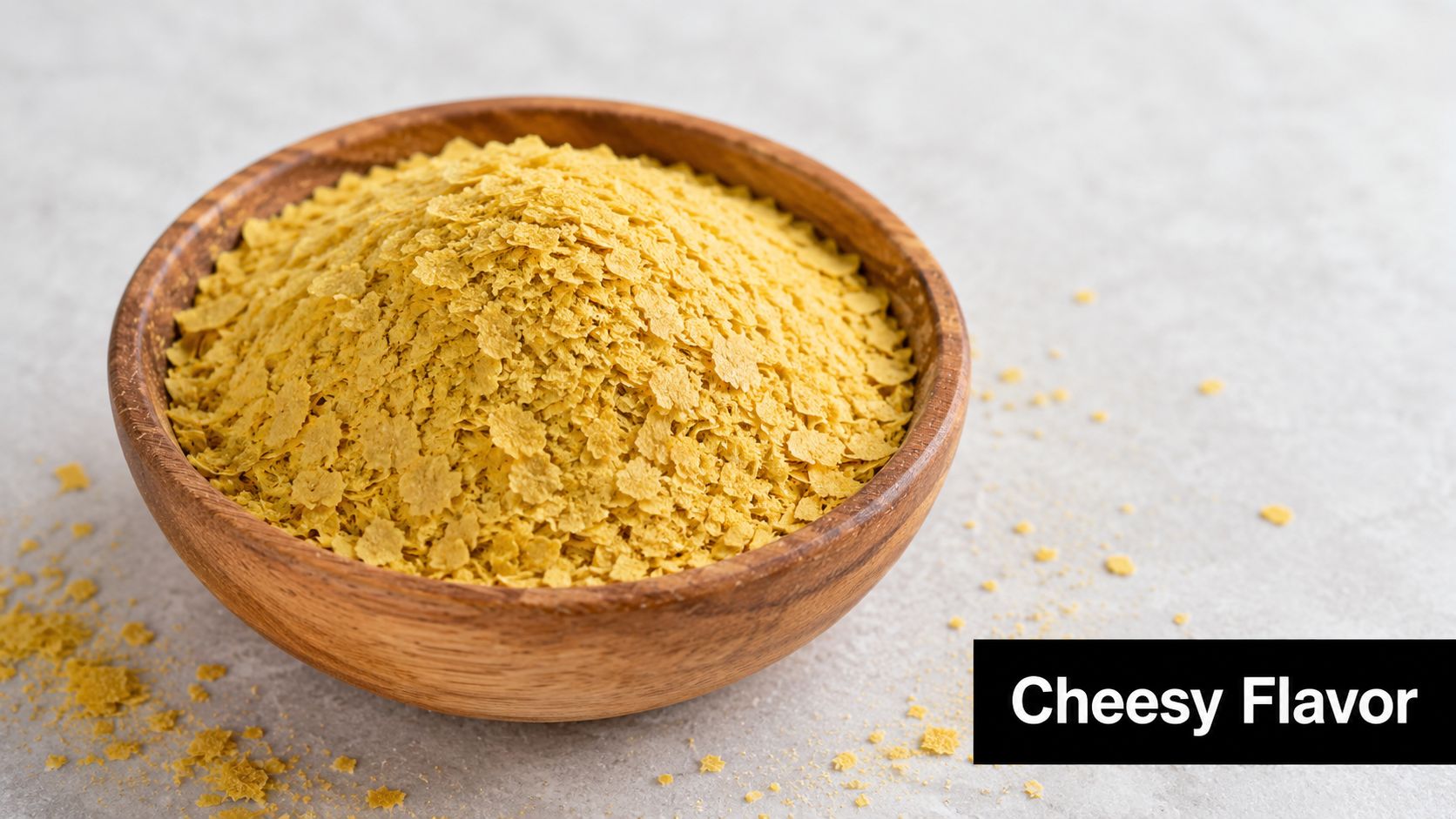
Nutritional yeast is what turns a restricted savory diet from “acceptable” to satisfying. It brings that nutty, cheesy, umami edge people usually miss when dairy is off the table, and it does it without leaning on milk powders, whey solids, or artificial cheese flavor systems.
That matters more than generally understood. When food feels limited, compliance drops. People don't usually quit an eating plan because broccoli isn't healthy enough. They quit because every snack tastes like a compromise.
How to Use It Without Ruining the Flavor
Nutritional yeast works best when it supports other savory notes instead of trying to carry the whole recipe by itself.
- On popcorn or roasted potatoes: Toss it with sea salt and garlic powder.
- In snack coatings: Combine it with paprika, cumin, and a little fat so it adheres.
- In dips and sauces: Blend it into bean-based or vegetable-based spreads for dairy-free richness.
Gym Snack's Cheddar Cheeze flavor is a strong model for this kind of use. Nutritional yeast makes the cheesy profile possible without turning to dairy. That's the practical difference between a clean-label snack and a snack that swaps one problem ingredient for another.
Practical rule: If nutritional yeast tastes dusty or flat, it usually needs salt, fat, or acid. The ingredient isn't the problem. The balance is.
One trade-off: some people love it immediately, others need a few tries. Start small and build up.
3. Chickpea Flour
Chickpea flour is one of the most underused performance ingredients in allergen-conscious cooking. People think of it as a gluten-free flour swap, but its better role is as a protein-and-structure ingredient for savory recipes that need body.
It works well in crackers, wraps, flatbreads, pancakes, and baked snack bases. The flavor is earthy and slightly nutty, which makes it a poor fit for delicate sweet recipes but a great fit for bold seasoning blends.
Best Uses for Athletes and Meal Preppers
If I were setting up a simple allergen-aware kitchen for someone who trains regularly, chickpea flour would be in the top tier because it can do several jobs at once.
- Savory batter: Mix with water and spices for quick skillet pancakes or fritter-style meals.
- Binder: Add it to veggie patties or lentil-based mixtures when you need hold without eggs.
- Snack base: Use it in baked crackers with garlic, paprika, and sea salt.
The practical trade-off is texture. Chickpea flour can taste raw and chalky if it's undercooked. Toasting it lightly before use improves both aroma and flavor, and using enough seasoning matters. This isn't one of those ingredients you toss into a recipe and hope for the best. It rewards a little technique.
It's also a reminder that the most useful top 12 allergen free foods aren't just “safe.” They pull real weight in the kitchen.
4. Mineral-Rich Sea Salt
Sea salt doesn't get much attention in allergen-free roundups, but it should. In performance nutrition, flavor drives consistency, and salt is one of the fastest ways to make simple ingredients taste complete.
The clean-label angle matters here too. Plain mineral salt is straightforward. Many highly processed seasoning systems aren't. If you're dealing with multiple allergens, every extra carrier, anti-caking agent, and flavor blend deserves a second look.
Why It Matters in Real Food
Sea salt helps in two practical ways. First, it makes protein-heavy and fiber-heavy foods taste better. Second, it can make simple homemade meals feel less restrictive, which is important when your food choices are already narrowed by safety concerns.
Think about where it earns its place:
- On roasted roots and vegetables: Better flavor means better adherence.
- In homemade trail or seed mixes: It balances bitterness and boosts savoriness.
- In workout-adjacent meals: It can help make carb-and-protein staples more appetizing after training.
Gym Snack uses sea salt in its savory flavor system for exactly that reason. When a snack has to deliver protein, crunch, and flavor without dairy or soy doing the heavy lifting, salt becomes part of the architecture, not just a finishing touch.
A common mistake is assuming “healthy” means under-seasoned. It doesn't. Under-seasoned food often leads people right back to processed options they were trying to avoid.
5. Jalapeño Pepper Powder
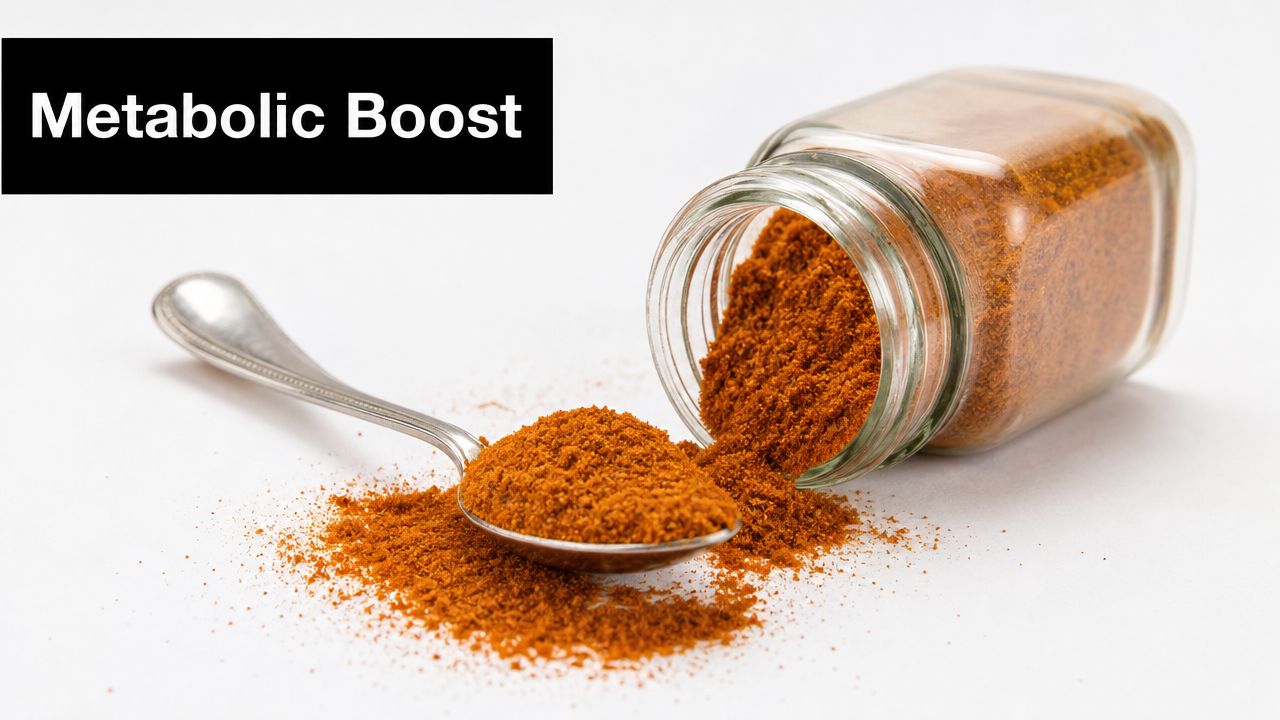
Jalapeño pepper powder is a good example of how to build excitement into an allergen-aware diet without fake flavor systems. It brings heat, sharpness, and a fresh green-pepper character that keeps high-protein savory foods from feeling flat.
That matters because high-protein convenience foods are often exactly where hidden allergens and cross-contact questions show up most often, especially when formulas rely on complicated seasoning systems or shared manufacturing. The Allergy & Asthma Network's guidance on food substitutions and safety highlights that ingredient avoidance alone isn't enough. Cross-contact and label interpretation matter too.
Smart Ways to Use Heat
Jalapeño powder is easiest to control when you pair it with something grounding.
- With lime or vinegar: Acid sharpens the pepper flavor.
- With protein-forward snacks: Heat makes dense savory foods feel lighter and more craveable.
- With creamy elements: An allergen-safe dip or spread can soften the burn while keeping the flavor.
Gym Snack's Jalapeño Cheddar Cheeze flavor shows the practical upside. Heat can do more than add novelty. It can reduce flavor fatigue, which is one of the biggest reasons people drift away from restrictive diets.
Heat is a compliance tool. A strong seasoning profile can make a repetitive safe-food rotation feel like real eating again.
The one caution is obvious. If your gut is already irritated, too much spice can backfire. Start low.
6. Refined Coconut Oil
Refined coconut oil earns its place because texture matters. A lot of allergen-conscious foods fail not on nutrition, but on mouthfeel. They're dry, sandy, or oddly gummy. A stable fat fixes part of that problem fast.
For savory snacks especially, refined coconut oil gives crispness and a cleaner bite than many highly processed oil systems. The refined form is useful because it has a more neutral flavor than unrefined coconut oil, so it won't push everything in a tropical direction.
What It Does Well
This ingredient shines when you need a fat that supports:
- Crunch: Helpful in baked or roasted snack applications.
- Flavor carry: Spices and nutritional yeast stick better when some fat is present.
- Satiety: Snacks built only on dry protein and starch often feel unsatisfying.
Gym Snack uses refined coconut oil instead of seed oils, which fits the brand's cleaner formulation philosophy. From a practitioner's standpoint, that choice also makes sense for product consistency. You need a fat that can help deliver a craveable texture without forcing dairy into the formula.
The trade-off is that fat is easy to overdo. Coconut oil can improve a recipe quickly, but too much makes food heavy. The best use is controlled use. Enough to improve texture and flavor, not so much that the product feels greasy.
7. Hemp Seeds
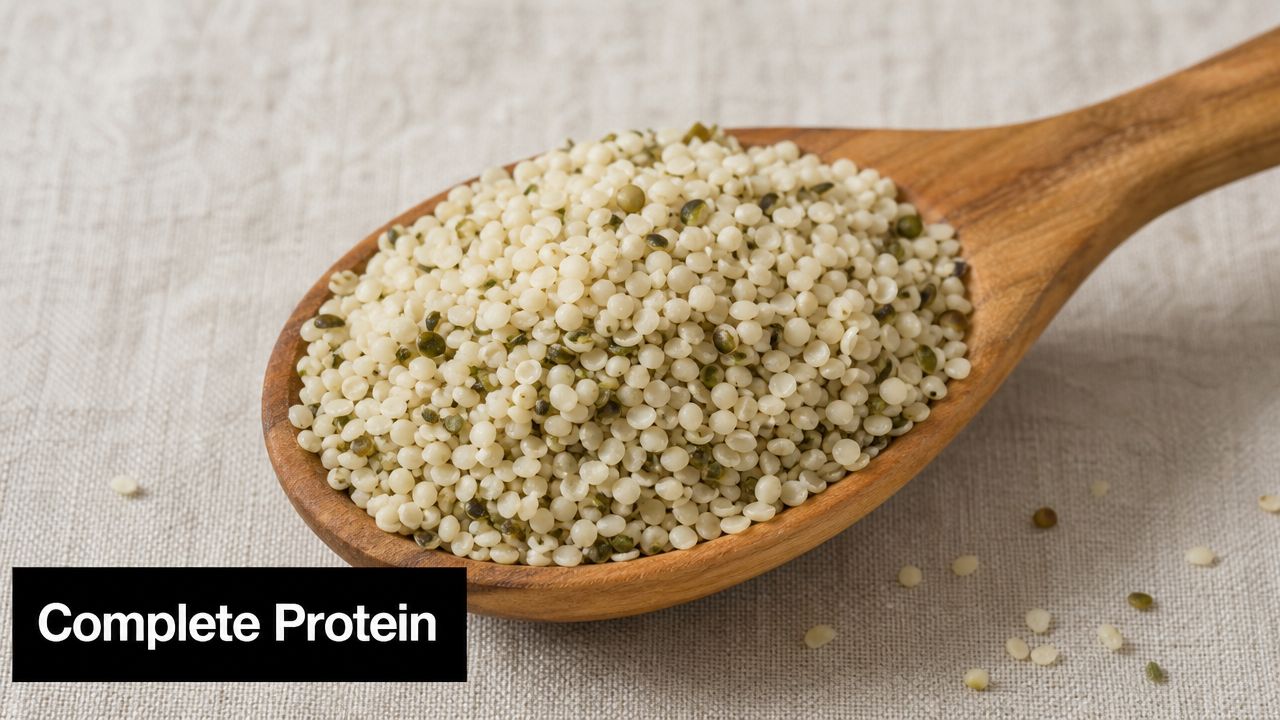
Hemp seeds are one of the easiest ways to add substance to an allergen-conscious meal without making it feel “special diet.” They blend into everyday eating well. You can stir them into oats, soups, grain bowls, smoothies, or savory yogurt alternatives, and they rarely overpower the dish.
For athletes or busy eaters, that matters. Food has to be usable, not just technically nutritious.
Why They Work in Performance Eating
Hemp hearts help because they add a mix of protein, fat, and texture in a compact format. They're especially useful when nuts and soy are off the menu and you need something that can round out a meal quickly.
Try them in a few practical ways:
- On oatmeal or savory porridge: They soften into the bowl without disappearing.
- In recovery meals: Sprinkle them over rice, roasted vegetables, and legumes.
- In snack mixes: Pair with pumpkin seeds, spices, and a touch of sea salt.
For people trying to expand soy-free protein options, Gym Snack's article on soy-free vegan protein sources is a useful companion.
One note from experience: keep hemp seeds cold after opening. Their flavor is best when they're fresh, and stale hemp tastes flat fast.
8. Organic Garlic Powder
Garlic powder is one of the most practical flavor tools in a restricted kitchen because it does so much with so little. A small amount can make bean-based, grain-based, or protein-heavy foods taste complete.
That's especially valuable when allergen-safe foods are built from simpler ingredients. Without dairy, soy sauce, butter, cheese powder, or wheat-heavy flavor carriers, recipes need clean ways to create savory depth. Garlic powder is one of the best.
How to Get More From It
The quality difference between garlic powders is real. Fresh, fragrant powder adds sweetness and depth. Old powder tastes harsh and dusty.
A few ways to use it well:
- Combine it with nutritional yeast: That creates a strong dairy-free savory backbone.
- Blend it into roasted vegetable coatings: It sticks better when paired with a little oil.
- Use it in homemade seasoning mixes: Especially with cumin, paprika, black pepper, and sea salt.
Gym Snack uses garlic within its savory flavor approach for the same reason chefs do. It closes the gap between “healthy” and “satisfying.” If your food is safe but bland, you're still going to struggle.
One caution: some spice products include additives or anti-caking agents. If you're managing multiple sensitivities, simpler labels are usually the better move.
9. Certified Gluten-Free Oat Flour
Oat flour is where allergen-free nutrition gets more nuanced. Oats themselves can be useful, but “made from oats” is not the same thing as safe for someone who needs gluten-free certainty. That's why certified gluten-free oat flour matters more than generic oat flour.
This is also where a lot of consumer advice falls short. Lists of top 12 allergen free foods often focus only on the ingredient itself and ignore sourcing, processing, and facility controls. That's a problem because a theoretically safe food can still be the wrong choice if it isn't verified well.
What It Adds to a Formula
Certified gluten-free oat flour is especially useful for:
- Binding: It helps hold snack bars, baked bites, and patties together.
- Texture: It gives softness and body without wheat.
- Steady-energy meals: It works well in pre-workout muffins, pancakes, and savory bakes.
The practical trade-off is that oat flour isn't a protein star on its own. It works best when paired with stronger protein ingredients like pea protein, hemp seeds, or legumes. Used alone, it can make a recipe feel carb-heavy and soft.
For people who want more context on oats and protein-forward gluten-free eating, Gym Snack's piece on gluten-free protein options is helpful.
10. Sunflower Lecithin
Sunflower lecithin is one of those behind-the-scenes ingredients that consumers rarely notice, but formulators care about a lot. It helps ingredients stay mixed, improves texture, and can make a product feel smoother and more finished.
That matters because soy lecithin is common in packaged foods. If you're avoiding soy, sunflower lecithin is often the cleaner, simpler alternative.
Why It's Useful in Snacks
You won't build a meal around sunflower lecithin, but you will notice when a snack doesn't have a good emulsifier. Texture falls apart. Powders separate. Seasonings don't coat evenly.
Sunflower lecithin can help with:
- Powder blending: Useful in dry mix systems.
- Coating consistency: Helps seasonings cling more evenly.
- Shelf stability: Important in packaged snack formats.
This is a classic example of what works versus what sounds good on paper. A lot of “all-natural” home recipes skip functional ingredients like lecithin, then end up with poor texture and disappointing repeatability. Clean-label food still needs structure. Sunflower lecithin often provides it without introducing one of the major allergens.
Use it lightly. More isn't better here.
11. Functional Spice Blends
A smart spice blend can rescue an entire allergen-conscious eating pattern. Cumin, paprika, and turmeric each bring something different, but the ultimate payoff comes when they work together.
Cumin adds warmth and savory depth. Paprika adds sweetness, color, and body. Turmeric brings earthiness and a distinct bitter edge that can work well when balanced correctly. None of that replaces cheese, soy sauce, or buttery richness directly, but together they create a flavor identity strong enough that you stop missing those ingredients quite as much.
Building Better Flavor Without Common Allergens
A strong blend helps in places where plain food usually fails:
- Roasted legumes and seeds: Spices make them feel snackable, not medicinal.
- Savory oat or chickpea bakes: They bring life to otherwise dense formulas.
- Meal-prep proteins and grains: A repeatable blend reduces boredom fast.
Gym Snack's flavor direction reflects this idea well. When brands build around savory, chef-inspired seasoning instead of sweet masking, the result feels more adult and more sustainable for everyday use.
Good allergen-free eating depends on flavor architecture. If the seasoning is weak, the whole plan feels restrictive.
One practical note: turmeric can dominate fast. Use enough to add depth, not so much that everything tastes dusty and bitter.
12. Psyllium Husk
Psyllium husk is less glamorous than protein or spices, but it's one of the most useful support ingredients in this whole list. It improves texture, increases bulk, and can help make allergen-safe foods more filling.
That filling effect matters because restrictive diets often create a weird split. People either eat too little because safe options feel limited, or they graze constantly on low-protein snack foods because they're easy to trust. Psyllium can help close that gap when it's paired with solid protein and enough fluid.
Best Uses Without Overdoing It
Psyllium works well in:
- Gluten-free baking: It helps replace some of the structure wheat would normally provide.
- Protein snacks: It can improve density and satiety.
- Smooth mixes or porridges: A small amount changes texture fast.
The key word is small. Too much psyllium can make food gummy and hard to enjoy, and adding it without enough water is asking for digestive discomfort.
A broader point matters here too. In the U.S., an estimated 33 million people, about 1 in 11, live with food allergies, and the FDA-recognized allergens are reported to cause 90% of reactions, according to SnackSafely's food allergy statistics roundup. That scale explains why practical ingredients like psyllium, pea protein, oat flour, and seed-based components matter so much. People don't just need “safe.” They need food that functions in real life.
Top 12 Allergen-Free Foods Comparison
| Ingredient | Implementation Complexity 🔄 | Resource Requirements ⚡ | Expected Outcomes ⭐📊 | Ideal Use Cases 💡 | Key Advantages ⭐ |
|---|---|---|---|---|---|
| Pea Protein Isolate | Moderate, needs flavor masking & dispersion | Moderate, specialized isolate, higher cost | High protein, muscle recovery, satiety ⭐⭐⭐ 📊 | Protein-focused snacks & post-workout shakes | Hypoallergenic complete protein; BCAAs & iron |
| Nutritional Yeast | Low, straightforward seasoning addition | Low, shelf-stable, affordable | Enhances cheesy flavor; B‑vitamins & modest protein ⭐⭐ 📊 | Dairy-free cheese flavoring, B12 fortification | Dairy-free umami; B‑vitamin support |
| Chickpea Flour | Moderate, requires hydration control and texturing | Low, economical, widely available | Adds protein & fiber; binder and sustained energy ⭐⭐ 📊 | Savory snack binders, pre-workout fueling | High protein/fiber; cost-effective binder |
| Mineral-Rich Sea Salt | Low, simple inclusion as seasoning | Low–Moderate, premium sourcing raises cost | Electrolyte support, flavor enhancement ⭐⭐ 📊 | Hydration-focused formulas and savory blends | Trace minerals & natural electrolyte profile |
| Jalapeño Pepper Powder | Low, direct spice addition, QC for heat | Low, inexpensive but variable potency | Adds heat, mild thermogenic & anti-inflammatory effects ⭐⭐ 📊 | Spicy formulations; metabolic-support snacks | Capsaicin benefits; bold flavor without artificials |
| Refined Coconut Oil | Low, standard fat for baking/frying | Moderate, higher cost; quality sourcing | Provides MCT energy; stable cooking fat & texture ⭐⭐ 📊 | Crunchy snack processing; keto/paleo products | MCT-rich, heat-stable fat; clean-label option |
| Hemp Seeds (Hemp Hearts) | Low, sprinkle or mill into blends | Moderate, cost and refrigeration for shelf life | Complete protein + omega‑3s; recovery & anti‑inflammatory ⭐⭐⭐ 📊 | Recovery-focused snacks, toppings, blends | Complete amino profile; anti-inflammatory fats |
| Organic Garlic Powder | Low, simple seasoning | Low, widely available; verify anti-caking | Savory depth; immune and anti‑inflammatory support ⭐⭐ 📊 | Flavor enhancement in savory snacks | Allicin benefits; intense clean-label flavor |
| Certified Gluten-Free Oat Flour | Moderate, requires certified sourcing | Moderate, verified GF supply, shelf-stable | Sustained energy, beta‑glucans & prebiotic fiber ⭐⭐ 📊 | Gluten-free binders and energy bars | Beta‑glucans for heart & gut health |
| Sunflower Lecithin | Low, used in small amounts as emulsifier | Low–Moderate, verify cold-pressed/non‑hexane | Improved texture & nutrient bioavailability ⭐⭐ 📊 | Emulsified snacks, bars, soy‑free formulations | Soy‑free emulsifier; phosphatidylcholine source |
| Functional Spice Blends (Cumin/Paprika/Turmeric) | Low, blending; pairing with black pepper for curcumin | Low, quality sourcing affects potency | Anti‑inflammatory, digestive support; layered flavor ⭐⭐ 📊 | Recovery-focused seasonings; savory snacks | Curcumin benefits; digestive & antioxidant support |
| Psyllium Husk | Moderate, dosing & hydration management required | Low, inexpensive but handling care needed | Strong satiety, blood‑sugar stability, texture aid ⭐⭐ 📊 | Satiety-focused snacks; GLP‑1 user formulations | Soluble prebiotic fiber; proven fullness effects |
Build Your Powerful, Allergen-Safe Diet with Confidence
An allergen-conscious diet doesn't need to look like a stripped-down survival plan. In fact, the best versions usually look more intentional than the average convenience diet. They rely on ingredients that go beyond problem avoidance. They bring protein, texture, flavor, stability, and satiety to the table.
That's the upgrade in thinking about top 12 allergen free foods. The old model says, “remove the risky ingredients.” The better model says, “remove them, then replace their function.” If dairy is gone, you still need richness and savory depth. If wheat is out, you still need structure. If soy is off the table, you still need a practical protein strategy. If nuts are excluded, you still need satisfying fats and crunch.
That functional mindset also helps you avoid a common trap. A lot of “free-from” eating becomes overdependent on ultra-simple foods and underpowered meals. Then energy dips, hunger climbs, and the diet starts to feel impossible. More nuanced guidance matters here, especially because modern allergen labeling has changed. Sesame is now part of the U.S. major-allergen framework, so content that still centers the old “top 8” model misses current reality. The bigger issue, though, is that safe eating isn't just about ingredients. It's also about substitutions, verification, and label reading, points echoed in this overview of free-from eating and changing allergen standards.
In practice, a strong allergen-safe performance diet usually has a few repeating building blocks: a reliable protein base such as pea protein, a secondary support layer like hemp seeds or chickpea flour, a useful binder or texture aid such as oat flour or psyllium, and a serious savory flavor system built from nutritional yeast, garlic, jalapeño, salt, and layered spices. Once you think that way, meal planning gets easier and snack choices get sharper.
Convenience matters too. Individuals often lack the time to build every snack from scratch, and they shouldn't have to. A well-formulated option like Gym Snack can make the whole system easier by combining several of these ideas in one place: savory flavor, useful protein, clean ingredients, and a formula designed with allergen-conscious eating in mind. That's often what keeps people consistent.
And consistency is the point. The best diet isn't the one that sounds perfect on paper. It's the one you can repeat, trust, and enjoy. If you're also managing overlapping food triggers beyond classic allergens, building from clean, functional staples can make the process simpler, much like the structured approach used in a personalized migraine diet guide.
If you want a convenient way to put these principles into practice, Gym Snack is a smart place to start. It combines clean pea protein, bold savory flavor, and an allergen-conscious formula into a crunchy snack that fits real training days, busy schedules, and higher protein goals without relying on the usual junk.