

For a long time, whey protein was the undisputed king of supplements. If you were serious about fitness, you had a tub of it in your pantry. But that's changing. More and more people are looking for effective alternatives to whey protein powder, whether it’s because of digestive issues, a shift to a vegan diet, or just wanting to mix things up. This guide will walk you through this expanding world of powerful whey substitutes.
Why People Are Looking Beyond Whey
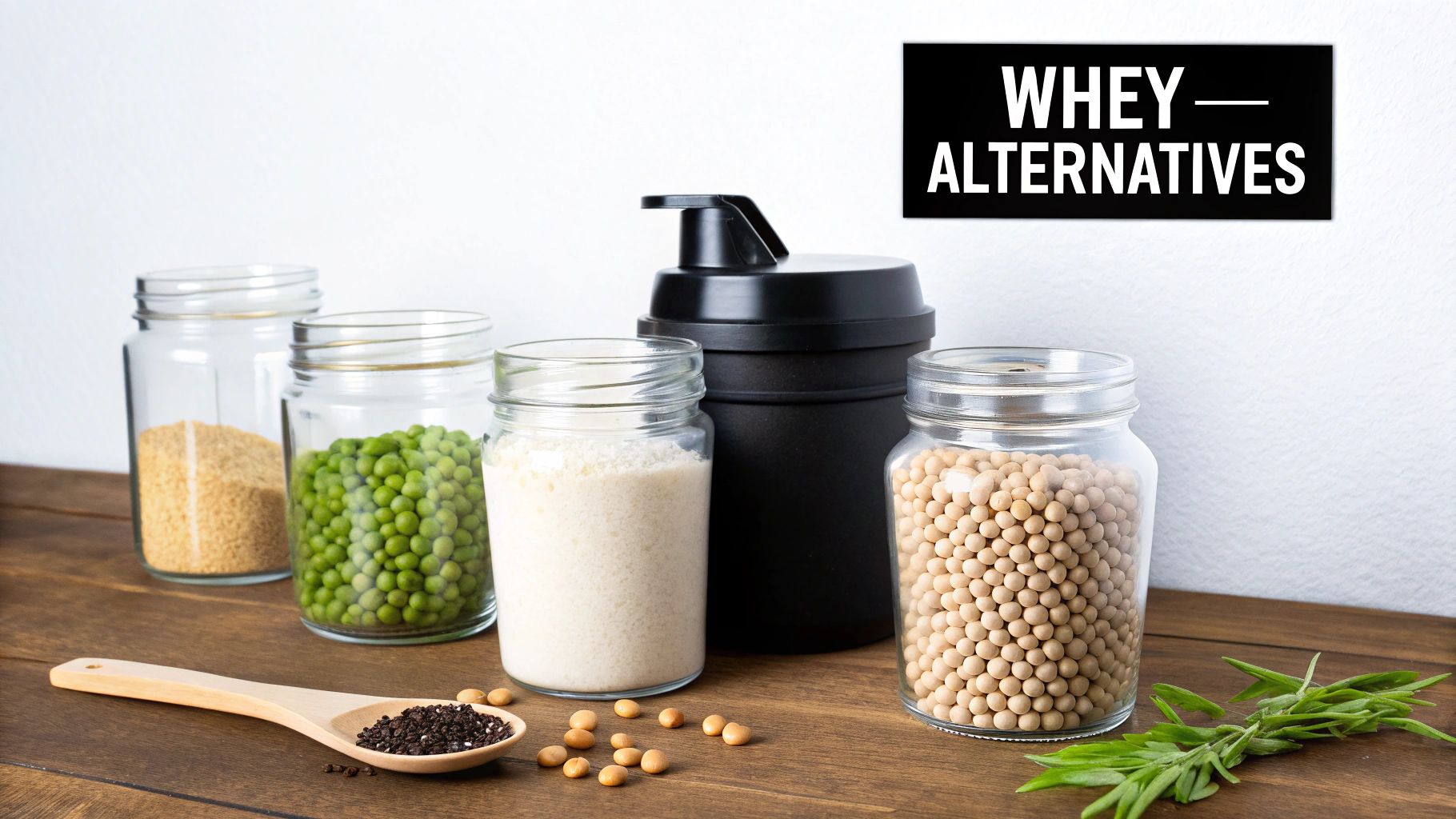
Whey is a fantastic, high-quality protein, but it just doesn't work for everyone. The reasons people are exploring other options are personal and varied, turning what was once a niche trend into a mainstream movement. Understanding what’s driving this shift is the first step toward finding the protein that’s right for your body and your goals.
The number one reason people ditch whey? It messes with their stomach. Since whey comes from dairy, it contains lactose. For the huge number of people with lactose intolerance or sensitivity, that means bloating, gas, and general discomfort. Even whey isolates, which are processed to have less lactose, can still cause problems for some.
The Rise of Plant-Based and Ethical Eating
Beyond just gut health, a growing number of people are making deliberate dietary choices that leave out animal products. This move toward plant-centric lifestyles—whether for ethical, environmental, or health reasons—has kicked off a wave of innovation in the supplement industry.
This demand is completely reshaping the market. The global plant-based protein market is expected to balloon from USD 23.89 billion in 2025 to nearly USD 35 billion by 2030. North America holds the biggest piece of that pie, which shows a major shift in how we think about fueling our bodies. You can dig into more plant-based protein market growth insights on marketsandmarkets.com.
The search for whey alternatives isn't just about avoiding dairy. It's about finding a protein that aligns with your specific digestive needs, ethical values, and overall wellness philosophy.
At the end of the day, dietary diversity is another huge motivator. By rotating your protein sources, you get a broader range of nutrients. Think of the fiber and omega fatty acids in hemp protein or the unique joint-supporting benefits you get from collagen. This guide is here to help you confidently explore all these powerful options.
A Look at the Top Plant-Based Protein Powders
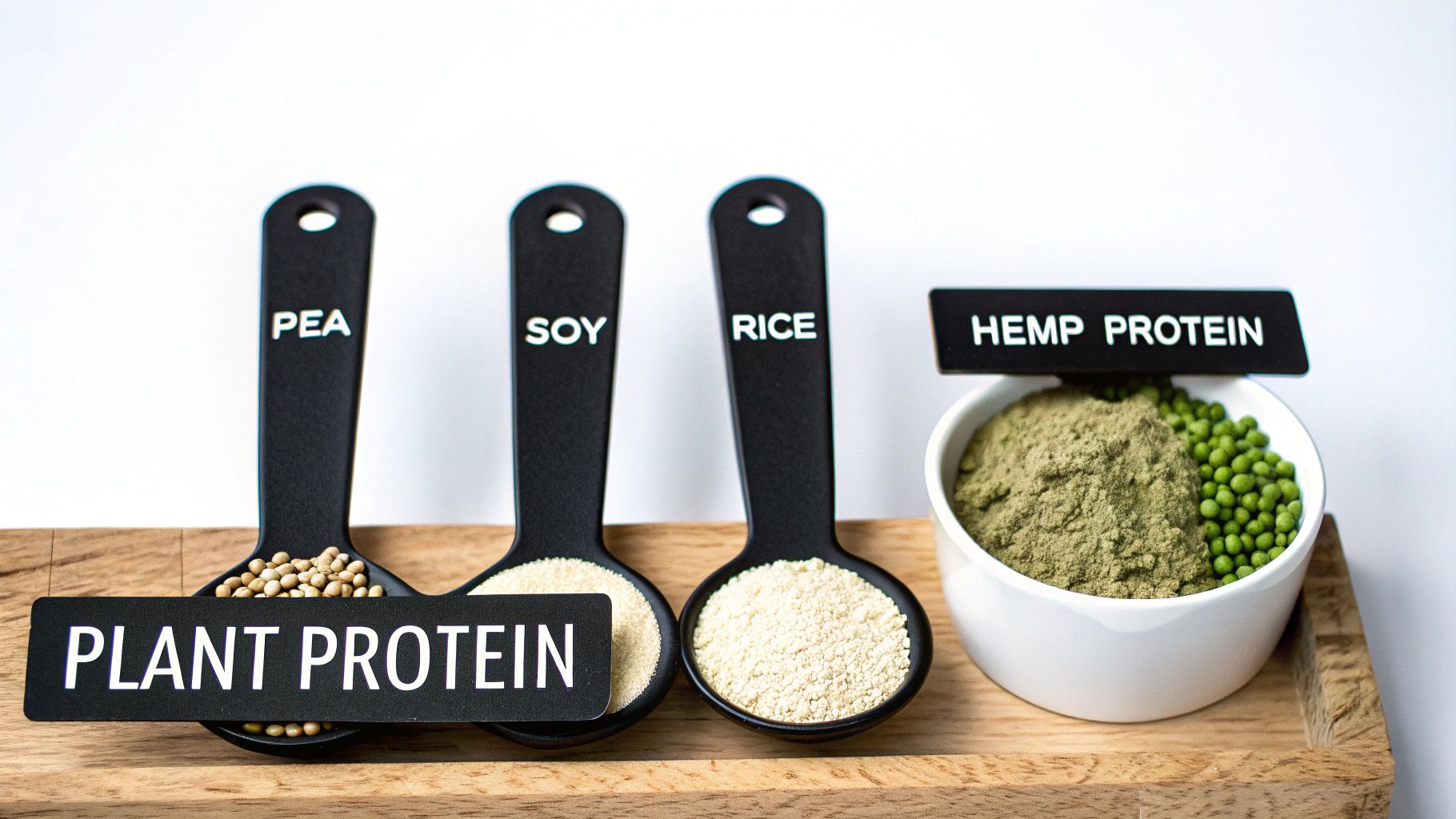
When you step away from whey, you'll find a whole world of plant-based proteins, and they're not all created equal. The trick is to look past the front-of-the-tub marketing and dig into what really matters: the amino acid profile, how easily your body can use it, and its overall nutritional punch.
The big players you'll see most often are pea, soy, rice, and hemp. Each one brings something different to the table. Soy protein isolate, for instance, can be 80–90% protein by weight and boasts a complete amino acid profile that gives whey a run for its money. On the other hand, pea protein isolate usually clocks in around 70–85% protein and is loaded with the BCAAs that are critical for building muscle.
Soy Protein: The Muscle-Building Benchmark
For years, soy protein has been the heavyweight champion of the plant-based world, and for good reason. It's one of the few plant sources that's a complete protein, containing all nine essential amino acids your body can't make on its own.
This makes it a direct competitor to whey for muscle synthesis. Its high concentration of branched-chain amino acids (BCAAs), especially leucine, is exactly what you need to kickstart muscle repair after a tough workout. The main drawbacks? Its distinct, somewhat nutty flavor isn't for everyone, and it’s a common allergen, which can be a deal-breaker for many.
Pea Protein: The Versatile Contender
Pea protein has absolutely exploded in popularity, mostly because it's so allergen-friendly and has an impressive BCAA count. It's naturally free from dairy, soy, and gluten, making it a go-to for just about anyone.
While it's high in most essential amino acids, it is a bit low in one called methionine. But here's the easy fix: pair it with a rice protein. That simple combination creates a synergistic, complete protein profile that rivals anything from an animal source. If you're new to this, learning https://gymsnack.com/blogs/gym-alpha/how-to-get-enough-protein-on-plant-based-diet is a great starting point.
Expert Take: Don't think of plant proteins as standalone ingredients. Smart blending is the key. Combining sources like pea and rice creates a powerful, complete amino acid profile that effectively mimics whey, giving your muscles all the building blocks they need.
Rice and Hemp Protein: Niche Players with Unique Benefits
Brown rice protein is another fantastic hypoallergenic option. People love it because it's incredibly easy to digest—a huge plus if you have a sensitive stomach. It's not a complete protein by itself (it's lower in lysine), but its real strength shows when you mix it with pea protein.
Hemp protein offers a different set of perks. Its protein content per scoop is usually a bit lower, but it more than makes up for it with a fantastic dose of fiber and healthy omega-3 and omega-6 fatty acids. This makes hemp a better choice for someone looking for an all-around wellness boost, not just pure muscle-building power. Many find that a Vegan Protein Powder Blend is the perfect solution, as it combines multiple sources to cover all nutritional bases.
To get a clearer picture, here’s a quick look at how whey stacks up against the most common plant-based powders in a typical 30g serving.
Whey vs. Plant-Based Protein Powder Snapshot
| Protein Source | Typical Protein (g) | Complete Amino Acid Profile? | Key Features | Best For |
|---|---|---|---|---|
| Whey Concentrate | 20-25g | Yes | Fast-absorbing, high in leucine, dairy-based. | Rapid post-workout muscle recovery. |
| Soy Isolate | 23-27g | Yes | Plant-based complete protein, high in BCAAs. | Muscle building for those without soy allergies. |
| Pea Isolate | 21-25g | Nearly (low in methionine) | Hypoallergenic, rich in arginine and iron. | Allergen-free muscle support and satiety. |
| Rice Isolate | 20-24g | No (low in lysine) | Very easy to digest, hypoallergenic. | Sensitive stomachs, best when blended with pea. |
| Hemp Protein | 12-15g | No | Rich in fiber and omega fatty acids. | Overall wellness and a moderate protein boost. |
As you can see, the numbers are surprisingly close. While whey has long been the gold standard for its fast absorption and complete amino acid profile, modern plant-based options like soy and pea isolates are right there with it in terms of protein content. The "best" choice really comes down to your individual goals, dietary needs, and how your body responds.
Branching Out: Animal-Based and Whole-Food Proteins
If you're looking for powerful whey protein alternatives but aren't sold on plant-based options, there are some excellent animal-derived sources to consider. These aren't just whey copycats; they bring their own unique nutritional benefits to the table, suiting different goals from pure muscle building to joint support or just a satisfying, on-the-go snack. They offer a completely dairy-free way to get high-quality protein, opening up a world beyond the standard shake.
Moving away from dairy doesn't mean you have to compromise on performance. In fact, some of the most effective proteins for muscle repair and growth are animal-based and totally free of lactose.
Egg White Protein: The Original Anabolic Staple
Before whey tubs lined every shelf, bodybuilders ran on eggs—and for good reason. Egg white protein powder zeroes in on the most protein-dense part of the egg, giving you an incredibly clean and bioavailable protein. It scores a perfect 1.0 on the Protein Digestibility Corrected Amino Acid Score (PDCAAS), which is a technical way of saying your body absorbs and uses virtually all of it for repair and growth.
This makes it a fantastic tool for building muscle. Its complete amino acid profile, loaded with BCAAs, drives muscle protein synthesis just as well as whey. Since it's dairy-free, it’s a go-to for anyone with lactose intolerance who still needs a fast-digesting protein for that post-workout window. Many people also report less bloating, though be warned—it can have a distinct taste that's often best masked in a smoothie or mixed into baked goods.
Collagen Peptides: More Than Just Muscle
Collagen has exploded in popularity, but it's vital to know what it does—and what it doesn't do. Unlike whey or egg, collagen is not a complete protein geared for building muscle mass. It's missing the essential amino acid tryptophan and is low in the BCAAs that trigger muscle growth. Where it really shines is in supporting all your connective tissues.
Think of collagen as the "glue" that holds your body together. Adding collagen peptides to your routine can help with skin elasticity, hair and nail strength, and—most importantly for anyone who lifts—joint health. It won't directly fuel muscle repair after a heavy session, but it will help keep the joints that move the weight healthy and resilient.
Key Insight: Collagen is a complementary protein, not a primary muscle-builder. Use it alongside a complete protein like pea or egg to support both your muscles and the joints that power them.
Savory Snacks: The Whole-Food Answer to Shake Fatigue
Let's be honest, protein doesn't always have to come from a scoop. "Shake fatigue" is a real thing. The endless cycle of sweet, dessert-flavored drinks can get old fast, leaving you craving something totally different. This is where savory, whole-food protein options are changing the game.
High-protein meat snacks like quality beef jerky or biltong are a solid choice for hitting your macros on the go. But even more innovative options are showing up, like crunchy, savory pea protein snacks that deliver the satisfaction of junk food without the nutritional hit. If you're curious how different proteins compare, this breakdown of pea protein vs. whey protein offers a great look at the details. These ready-to-eat products are a lifesaver for busy schedules, travel, or those days when you just need something salty and substantial before hitting the gym.
How To Choose the Right Alternative for Your Goals
Knowing the different alternatives to whey protein powder is the first step, but the real magic happens when you match the right one to your specific fitness goals. Think of it as a strategic move. Are you trying to pack on muscle, manage your weight, or just find something that doesn't upset your stomach?
Your choice shouldn't be a shot in the dark. Aligning your protein with your body's immediate needs is what separates spinning your wheels from seeing actual results.
For Peak Muscle Building and Repair
If your main mission is getting stronger and building lean muscle, the name of the game is a complete and powerful amino acid profile. You absolutely need a high concentration of leucine, which is the specific branched-chain amino acid (BCAA) that flips the switch on muscle protein synthesis.
Here are the heavy hitters for muscle growth:
- Egg White Protein: This is the gold standard. With a perfect digestibility score (PDCAAS of 1.0), your body absorbs and uses virtually all of it to repair and build muscle tissue.
- Soy Protein Isolate: As one of the very few plant-based proteins that are naturally complete, soy delivers a BCAA punch that rivals whey.
- Pea and Rice Blends: This is a classic case of teamwork making the dream work. Pea protein is loaded with lysine but low in methionine; rice protein is the opposite. Combine them, and you get a complete amino acid profile perfect for muscle growth. For a deeper dive, our guide on what are complete protein sources explains this in more detail.
For Satiety and Weight Management
When managing your weight is the priority, protein’s ability to keep you feeling full—a concept called satiety—is your secret weapon. A protein source that keeps hunger at bay for hours can naturally help you cut down on overall calories and kick those afternoon cravings to the curb.
You'll want to look for options that bring more than just protein to the table:
- Hemp Protein: Its high fiber content is a game-changer. Fiber slows down digestion, which keeps you feeling full and helps maintain steady blood sugar levels.
- Savory Whole-Food Snacks: Options like Gym Snack's pea protein snacks give you a double-win. You get the protein, plus a satisfying crunch that can stop a chip craving dead in its tracks. That combination of protein and texture is incredibly effective for feeling full.
- Pea Protein: Studies have shown that pea protein is particularly good at sending fullness signals to your brain, making it a fantastic choice for anyone trying to manage their appetite.
This decision tree can help you visualize which path to take based on your primary objective.
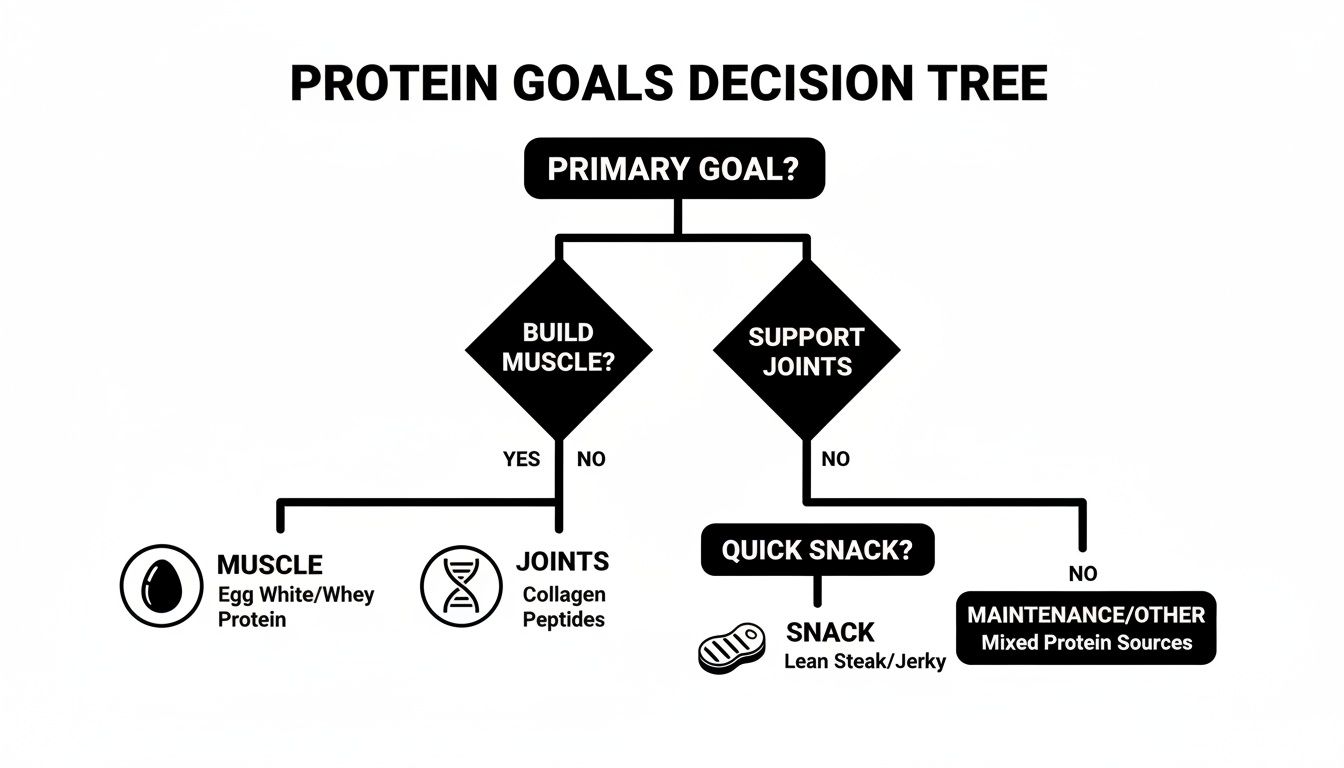
As you can see, it’s a simple way to point you in the right direction—whether that’s egg for muscle, collagen for joints, or a savory snack for pure convenience.
For Gut Health and Easy Digestion
If whey left you feeling bloated and uncomfortable, finding an alternative that’s easy on your gut is non-negotiable. A protein your body can process smoothly means you get all the benefits without the unpleasant side effects.
For anyone with a sensitive system, the best protein is the one that delivers the goods without causing inflammation or irritation. In my experience, simpler, cleaner ingredient lists are almost always the answer.
Your safest bets are typically hypoallergenic and gentle on the stomach:
- Brown Rice Protein: This one has a strong reputation for being extremely easy to digest.
- Egg White Protein: It’s naturally free of lactose and other common allergens that can cause trouble.
- Clean Pea Protein: Top-tier pea protein isolates, like those in Gym Snack, are processed to remove the fibrous parts that can sometimes cause gas, making them a surprisingly gut-friendly option.
This move toward plant-based options isn't just a niche trend; it's a massive market shift. Industry forecasts show the global plant-based protein supplements market is set to explode, potentially rocketing past $10 billion by the early 2030s. North America is leading the charge, and it's where we're seeing these powerful alternatives really start to push whey aside.
Integrating Protein Alternatives into Your Daily Routine
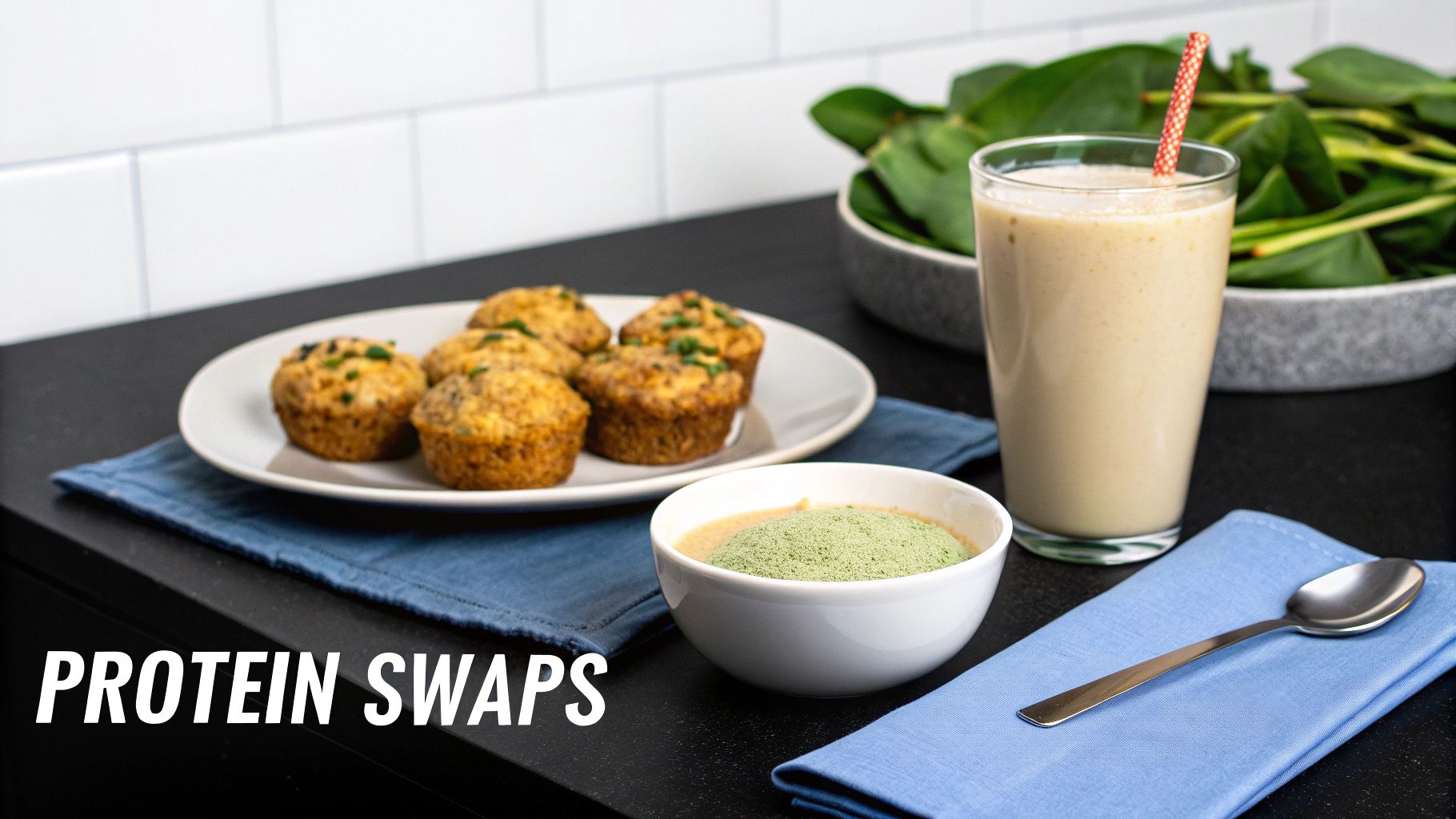
Switching from whey to something new shouldn't feel like a chore. It's an opportunity. The trick is to find simple ways to weave these alternatives to whey protein powder into your life so it feels natural, not forced. A few smart adjustments can make a huge difference in your protein intake without upending your entire day.
The most obvious swap is your post-workout shake. Instead of whey, just blend in a scoop of soy or a pea-rice blend with a frozen banana and your favorite milk. You’ll get that creamy texture and a complete amino acid profile, making it a fantastic direct substitute for muscle recovery.
Creative Ways To Use Protein Powders
Protein powders can do so much more than just shake and go. I find their real value is in how they can invisibly boost the nutrition of meals you're already eating. This is how you really nail your protein goals consistently, sometimes without even noticing a change in taste.
Think beyond the blender and start experimenting.
- Boost Your Breakfast: A scoop of unflavored pea or rice protein disappears right into your morning oatmeal or yogurt. It’s a super easy way to add 20-25 grams of protein and start your day strong.
- Upgrade Your Baking: Try swapping about a third of the flour in your pancake, muffin, or even brownie recipes with a plant-based protein powder. This turns a simple treat into a snack that actually helps with muscle support.
- Enrich Savory Dishes: This is my favorite trick. Unflavored powders are a game-changer for soups, stews, and sauces. Whisk a scoop into a simmering pasta sauce or lentil soup for a protein kick no one will ever detect.
Don’t just relegate your new protein to shakes. The most sustainable way to hit your macros and support your fitness goals is by integrating powders into the meals you already make every day.
Beyond The Powder A Whole-Food Approach
Powders are great for convenience, but a well-rounded diet needs variety from whole foods, too. For anyone wanting to lean more on whole foods, mastering a few high-protein plant-based meals is a delicious and highly effective strategy.
Simple swaps work wonders here. Instead of grabbing a standard bag of chips, for instance, try a crunchy, savory option like Gym Snack. You'll satisfy that craving while adding 15+ grams of high-quality pea protein. By mixing the convenience of powders with the satisfaction of real food, you build a powerful nutrition plan that actually fits your lifestyle.
Answering Your Questions About Whey Alternatives
Thinking about ditching whey? It’s a big move, and it’s natural to have questions. After all, whey has been the go-to for so long. Let’s tackle some of the most common concerns people have when they're looking for a better protein source.
Will I Lose Muscle if I Switch from Whey?
Nope, you won't. This is probably the biggest myth out there. You are highly unlikely to lose any muscle mass as long as your total daily protein intake stays the same and you pick a quality alternative.
The secret is choosing a protein with a complete amino acid profile. Options like soy, egg white protein, or even a smart blend of pea and rice protein give you all the essential amino acids your muscles crave for repair and growth. They’re packed with branched-chain amino acids (BCAAs), especially leucine, which is the main trigger for building muscle.
Research backs this up time and again. When you match the total protein intake, plant-based proteins are just as effective as whey for getting stronger and building muscle. It's less about the specific source and more about the quality and total amount you're getting each day.
Are Alternatives to Whey Protein More Expensive?
It really depends on what you choose. Some proteins, like soy and many pea protein isolates, are right on par with standard whey concentrate. You might be surprised to find the cost per gram of protein is almost exactly the same.
On the other hand, some of the more specialized options do come with a higher price tag. If you're looking at organic hemp protein, grass-fed collagen peptides, or pure egg white protein, you can expect to pay a bit more because of how they're sourced and processed.
Don't just look at the price on the tub. The smartest way to compare is to calculate the cost per serving, or even better, the cost per gram of protein. That's how you do a true apples-to-apples comparison and find the best value.
How Can I Improve the Taste and Texture?
Let's be real—some plant-based proteins can have a distinct earthy flavor or a bit of a gritty texture. The good news is, that’s super easy to fix.
- Blend It: A smoothie is the ultimate disguise. Tossing your powder in a blender with a frozen banana, some berries, a spoonful of nut butter, or cocoa powder will completely transform the taste and give you a silky-smooth shake.
- Mix It: Unflavored powders are your best friend here. You can stir a scoop right into your morning oatmeal, a bowl of yogurt, or even savory things like soup to get a protein kick without messing with the flavor.
- Bake It: Protein powders are fantastic in the kitchen. Try swapping out some of the flour in your pancake, muffin, or protein bar recipes. It's an easy way to make your favorite snacks work better for your goals.
Tired of the whole shake-and-blend routine? There's a much easier way. Gym Snack delivers a savory, crunchy, and genuinely satisfying alternative with 30g+ of clean pea protein in every bag. Forget the chalky powders and messy blenders. Just grab a snack that tastes amazing and hits your macros. Find your new favorite flavor at https://gymsnack.com.