

You're in the snack aisle, flipping bags over one by one, and almost every option fails a different test. One is gluten free but built around almonds or cashews. Another is technically nut free but has wheat-based binders, malt flavoring, or a vague shared-equipment warning that makes it unusable if you need real safety. Then there's the fitness problem. Even when you do find something safe, it often delivers little more than starch, sugar, and disappointment.
That gap is real. A lot of “healthy snack” advice still leans on nuts, nut butters, and bars that work for general wellness but not for someone who needs both gluten and nut avoidance in practice. As GoodRx notes in its discussion of gluten-free snack options, many snack roundups don't clearly separate naturally gluten-free foods, certified allergen-controlled products, and foods that are only free of gluten ingredients while still carrying cross-contact risk.
For active people, that creates a double burden. You're not just trying to avoid a reaction or accidental exposure. You're also trying to hit protein, stay full between meals, and keep your digestion steady around training. Generic snack lists don't solve that.
The good news is that gluten free nut free snacks aren't impossible to build into a plant-based, performance-focused routine. You just need a better filter. The most useful approach isn't a random list of products. It's a system for spotting what's safe, what fuels training well, and what belongs in your bag every day.
Finding Safe and Powerful Snacks Is Harder Than It Looks
A common pattern goes like this. Someone wants a quick post-lift snack or something portable for work, class, or the drive home. They head to the “better for you” section and see protein bars, grain-free crackers, trail mixes, roasted snacks, and gluten-free baked bites. On the surface, it looks like there should be plenty of options.
Then the label check starts.
The protein bars rely on peanut butter, almond flour, or cashew butter. The gluten-free crackers are made in facilities that also handle tree nuts. The snack mix avoids nuts but includes pretzel pieces or wheat-based seasonings. The fruit-and-seed bar looks promising until the fine print raises enough questions to put it back on the shelf.
Many people don't struggle because they lack discipline. They struggle because the market keeps offering products that solve one problem while creating another.
That's especially frustrating for anyone trying to maintain a high-protein, plant-based eating pattern. Nuts often act as the default shortcut ingredient in “clean” snacks because they add fat, texture, and some protein. But if you need nut-free foods, that entire lane narrows fast. Add gluten avoidance, and the list gets smaller again.
The result is that a lot of people settle for snacks that are safe but not satisfying, or satisfying but too risky. Neither works for long.
What usually goes wrong in real life
- Single-claim shopping: A product says gluten free, so people assume it's also practical for nut avoidance.
- Protein-first without safety-first: A snack looks strong on macros, but shared equipment or unclear labeling makes it a bad choice.
- Convenience over verification: Hunger hits, time is short, and the label gets only a quick scan.
The better move is to treat safety and performance as equal requirements. A snack has to clear both bars. If it doesn't, it's not the right snack for your routine.
Why Gluten-Free and Nut-Free Is a Unique Challenge
Gluten-free and nut-free sound like two simple filters. In practice, they create a much tighter box, especially for active people who want real protein from plant-based snacks.
The problem is not just ingredient avoidance. It is product design.
Gluten usually shows up through grains, coatings, binders, crisped pieces, seasoning blends, and bakery-style textures. Nuts show up in a different role. They are often used to add protein, fat, structure, and shelf appeal in bars, clusters, bites, and better-for-you snacks. Remove both, and many products lose the exact traits that make them filling.
That pressure shapes the market. Allied Market Research estimated the global gluten-free snacks market at $843.6 million in 2021 and projected it to reach $1.8449 billion by 2031, a projected 8.3% CAGR. A growing category still leaves a big gap between products that are technically available and products that are safe, practical, and useful for training days.
For plant-based eaters, the trade-off gets sharper. A lot of high-protein snack brands rely on almonds, cashews, peanuts, or mixed nut processing lines because nuts solve multiple formulation problems at once. Gluten-free brands often rely on oats, grain blends, and bakery production systems that need closer scrutiny. Put those patterns together and the overlap shrinks fast.
I see the same mistake often. Shoppers look for a product that meets the front-of-pack claim, then assume the rest will work itself out. It rarely does. A bar can be gluten-free and still be a poor fit because almond flour is the base. A nut-free snack can still fall short if the protein is so low that it does nothing for appetite or recovery. Before a product earns a spot in your bag, you need both allergen safety and useful nutrition. A quick grasp of how to read nutrition labels with more precision makes that decision much easier.
Cross-contact is another layer that generic snack roundups skip. Gluten and nuts do not create the same manufacturing risk, but both can show up through shared equipment, shared facilities, and poor line-cleaning practices. That matters even more in bars, crackers, granola products, and baked snacks with complex ingredient systems. Brands that follow effective food safety practices are far more useful to this audience than brands that rely on broad wellness marketing.
Here is where active eaters usually get squeezed most:
| Snack category | Why it gets complicated |
|---|---|
| Protein bars | Often built on nut butters, almond flour, peanuts, or oat and crisped grain systems that need verification |
| Crackers and savory bites | Gluten can appear in flour blends or seasoning systems, while nut cross-contact can come from shared bakery lines |
| Trail mixes and clusters | Nuts are often the base ingredient, and gluten can enter through pretzels, granola, or coated add-ins |
| Baked “fitness” snacks | Brands commonly swap wheat for almond flour, which fixes one problem and creates another |
The safest high-protein options usually come from ingredient families that do not depend on either category in the first place. Seeds, soy, peas, roasted legumes, and some carefully sourced oat products tend to give you a cleaner starting point. That does not remove the need to verify labels and manufacturing controls. It just gives you better odds of finding a snack that is both safe and strong enough to support an active routine.
How to Read Labels Like an Allergen Expert
The fastest way to make mistakes is to stop at the front of the package. “Gluten free” on the front tells you one thing. It doesn't tell you everything you need to know about nut safety, cross-contact controls, or whether the product fits your threshold for risk.
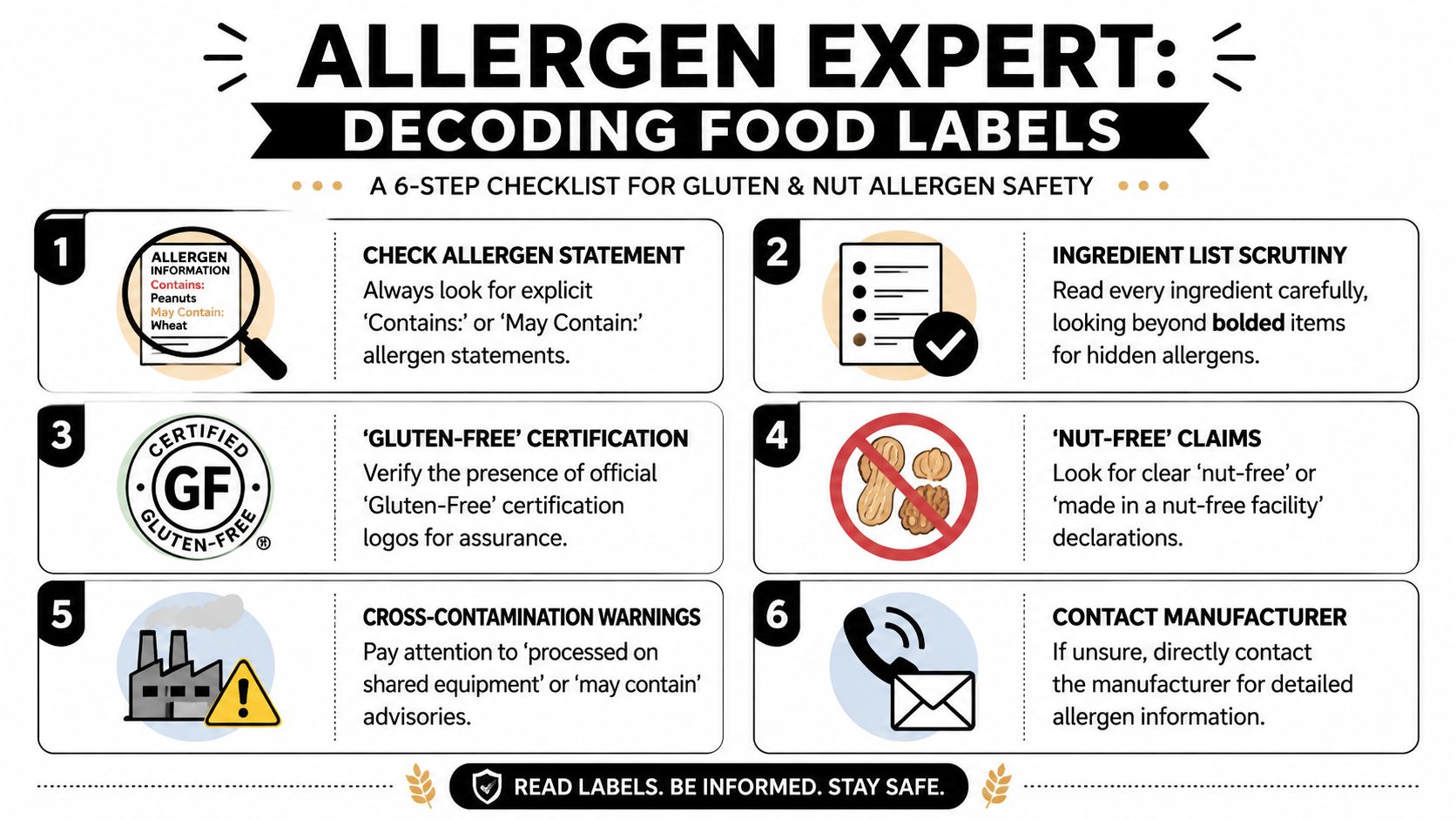
Use a three-part label check
Start with the ingredient list. Then check the allergen statement. Then scan for voluntary advisory language about shared equipment or shared facilities.
-
Ingredient list first
Look for obvious gluten and nut ingredients, but don't stop at the bolded allergens. Read the entire list. Flavor systems, crunchy inclusions, coatings, and flour blends can change the risk profile quickly. -
Allergen statement next
If there's a “Contains” statement, use it as a fast filter, not a replacement for reading. It helps you rule products out quickly. -
Advisory statement last
Wording like “may contain,” “processed on shared equipment,” or “made in a facility that also processes” matters. It may be voluntary, but it's often the deciding factor for people who need stricter control.
If you want to sharpen the nutrition side at the same time, this guide on how to read nutrition labels is useful for comparing protein, fiber, and ingredient quality after a product clears safety checks.
A practical safety hierarchy
Not all “safe-looking” products belong in the same bucket. This ranking helps.
| Level | What it looks like | How I treat it |
|---|---|---|
| Best fit | Clear gluten-free status, clear nut-free claim, no concerning advisory wording | Strong option for regular use |
| Solid but verify | Gluten-free product with no nut ingredients, but limited manufacturing detail | Contact brand if it will be a staple |
| High caution | No direct nut ingredient, but shared equipment or facility warning | Usually not worth the gamble |
| Easy no | Contains wheat, peanuts, tree nuts, or unclear grain/nut blend ingredients | Put it back |
Don't outsource your judgment
Some shoppers assume a natural foods store or school-safe shelf has already done the screening. That's risky. Retail placement is merchandising, not a personal safety guarantee.
Practical rule: Re-check labels every time you buy. Brands change formulas, suppliers, and facilities.
For a broader refresher on manufacturing control, kitchen handling, and effective food safety practices, it helps to review how cross-contamination happens long before a product reaches your pantry.
One final point matters for athletes and busy professionals. If a brand's labeling leaves you guessing, skip it or contact the manufacturer. “Probably fine” is not a strategy.
High-Protein Plant-Based Snacks You Can Trust
The best options usually come from food categories that naturally avoid both gluten and nuts while still carrying some protein and chew, crunch, or staying power. That matters because snacks built around seeds, legumes, popcorn, fruit, or carefully sourced oats don't have to fight their way out of the allergen problem. They start closer to safe territory.
Oh She Glows highlights seeds, legumes, fruit, popcorn, and oat-based formats as practical portable choices for allergy-friendly snacking. For active people, that same structure also works well for protein support and packability.
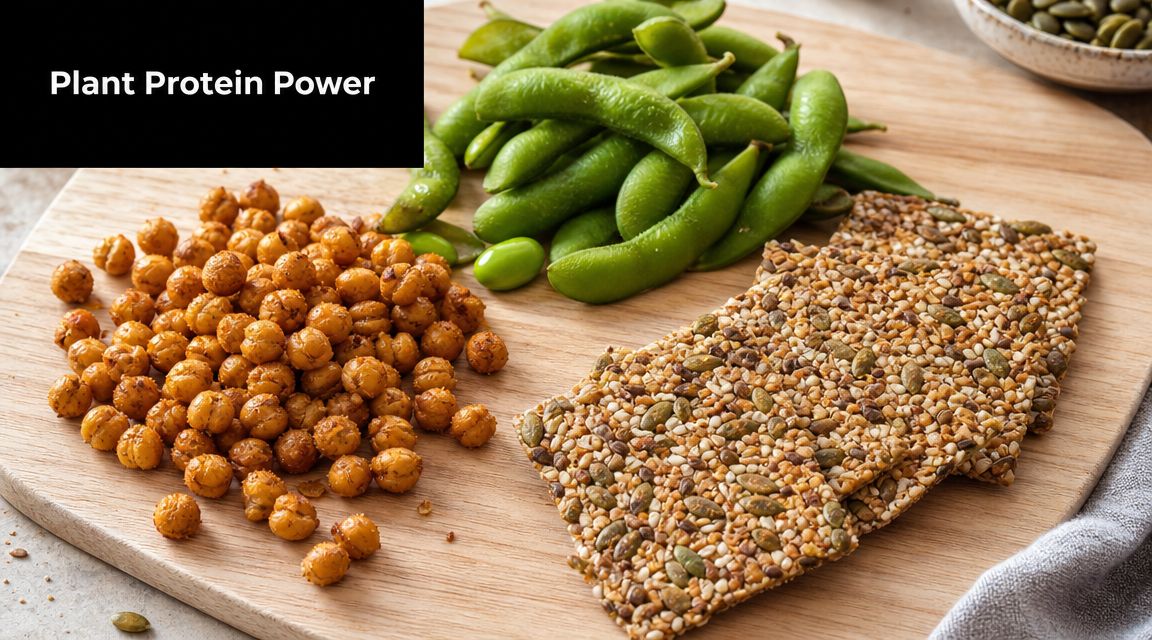
The most useful categories
Seeds and seed-based snacks
Pumpkin seeds and sunflower seeds are often the first place I look. They travel well, hold up in a gym bag, and can add meaningful substance compared with airy carb snacks. Seed crackers can also work well if the grain base is clearly gluten free and the facility controls are acceptable.
Good examples include:
- Roasted pumpkin seeds: Easy to portion into small containers.
- Sunflower seed butter packs: Useful when paired with fruit or gluten-free crackers.
- Seed crackers: Best when the ingredient list is short and the manufacturing details are clear.
Legume-based snacks
Roasted chickpeas and dry roasted edamame are some of the most functional options for plant-based eaters. They bring a more savory profile, which helps if you're tired of sweet bars and dried-fruit-heavy snacks.
These tend to work well for people who want:
- More bite: They feel more like food than candy posing as health food.
- Better satiety: Crunch plus protein usually keeps hunger steadier.
- Workout convenience: Easy to throw into a backpack, desk drawer, or glove compartment.
If you want more category ideas beyond this guide, this roundup of gluten-free high-protein snacks is a helpful complement.
What works better than most packaged “health snacks”
Fruit on its own is fine, but fruit paired with seeds or a legume-based crunchy snack works much better for active routines. Popcorn can also earn a spot if it's simple, savory, and not built on risky add-ins. Oat-based bars can be useful too, but they demand more label scrutiny because oats need careful sourcing and processing when gluten is a concern.
A good snack category makes your life easier before you even read the label. That's why seeds and legumes outperform a lot of trendy bakery-style products for this use case.
What tends not to work
A few patterns disappoint over and over:
- Granola that leans on almonds or cashews
- Protein bars with long binder systems and vague allergen statements
- “Paleo” snacks that replace grains with nut flours
- Trail mix blends where safe ingredients are mixed with risky manufacturing
When you build your routine around seeds, legumes, popcorn, fruit, and carefully chosen oat-based foods, your options get simpler. That's the difference between constantly hunting for edge-case products and having a repeatable snack system.
Fueling Your Workouts with Safe Pre and Post Snacks
Workout snacks should do a job. Pre-workout food needs to sit well, provide usable energy, and not leave you sluggish or scrambling to digest something heavy. Post-workout food should help you recover, take the edge off hunger, and fit your broader protein goals.
That sounds obvious, but people often sabotage themselves by choosing snacks based only on what's available nearby. For someone managing gluten and nut concerns, that usually means ending up with either plain carbs before training or a random “healthy” bar after training that doesn't meet the safety standard.
Better pre-workout choices
Before training, simpler usually wins. Heavy fat loads and bulky fiber bombs can backfire if you're eating close to movement.
Useful pairings include:
- Banana with sunflower seed butter
- Plain fruit with a small serving of roasted pumpkin seeds
- Certified gluten-free crackers with a simple dip or spread that clears your allergen check
- Light popcorn plus fruit when you want something easy on the stomach
The point isn't perfection. The point is predictability. You want food that gives you enough energy without creating digestive noise.
Better post-workout choices
After training, most active people do better with something more substantial. In such cases, legume-based crunchy snacks, seed-forward mixes, or a safe plant-based protein shake can make sense. If you've trained hard and the next meal is far away, choose something with real staying power.
A simple decision guide helps:
| Training moment | Best snack style | Why it works |
|---|---|---|
| Right before a session | Light carb plus a little fat or protein | Easier digestion |
| Between work and gym | Portable combo snack | Prevents under-fueling |
| After lifting | Higher-protein savory snack | Better for recovery and fullness |
| Long gap until dinner | Protein plus fiber and crunch | Holds you over |
If you tend to rely on bars, it's worth browsing options specifically built for allergy-aware convenience, such as these nut-free protein bars, and then comparing them against the label-check standards covered earlier.
Common workout snack mistakes
The most common error isn't eating the “wrong” performance food. It's trusting a convenient food before verifying it's actually safe for your restrictions.
A few mistakes show up often:
- Going into training under-fueled: You skip food because safe options feel inconvenient.
- Using sugar-heavy snacks as fake recovery food: Fast energy isn't the same as balanced recovery.
- Choosing foods that digest poorly under exercise stress: Great macros don't matter if your stomach fights you.
The best routine is boring in the best way. Keep two or three pre-workout options and two or three post-workout options that you trust. Repeat them until they become automatic.
Easy Homemade Gluten-Free Nut-Free Snack Recipes
Homemade snacks give you the highest level of control. You choose the ingredients, the brand of oats or seeds, the storage method, and the prep surface. That matters if you're trying to avoid hidden gluten, avoid nuts, and still keep protein in the picture.
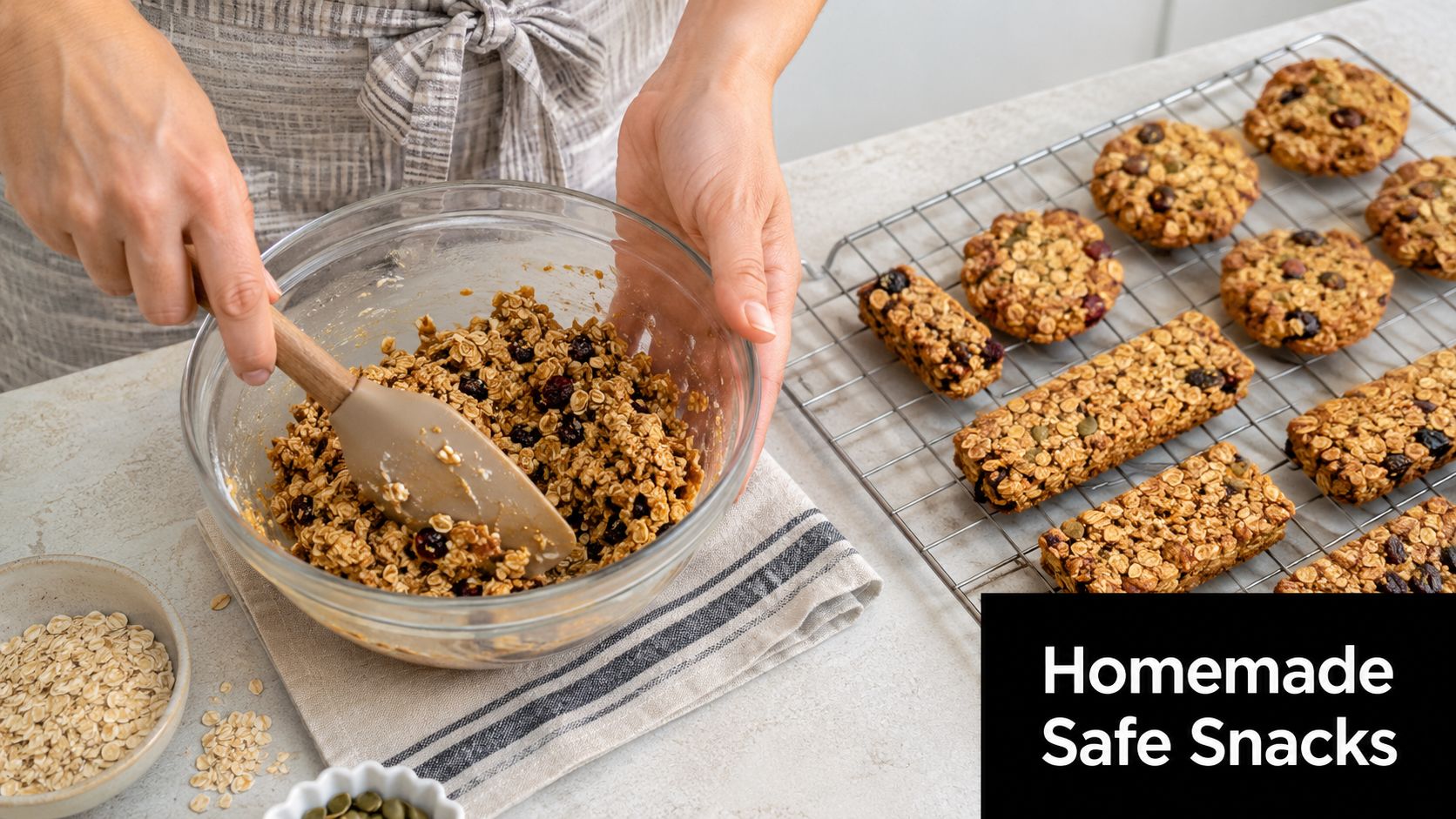
No-bake sunflower seed energy bites
These work well when you want something quick, portable, and slightly denser than fruit.
Ingredients
- Certified gluten-free oats
- Sunflower seed butter
- Ground flax or chia
- Maple syrup
- Pumpkin seeds
- A pinch of salt
- Optional add-ins: dried fruit or dairy-free chocolate that fits your safety needs
Method
- Stir the sunflower seed butter and maple syrup together.
- Add oats, flax or chia, pumpkin seeds, and salt.
- Mix until the texture holds together.
- Roll into bite-sized balls.
- Chill until firm.
Why it works
The oats and seeds give structure. The sunflower seed butter replaces the nut butter that most energy-bite recipes depend on. They're easy to batch and easy to portion before a workout or mid-afternoon slump.
Crispy roasted chickpeas
This is one of the most reliable savory options for people who are tired of sweet snacks.
Ingredients
- Cooked chickpeas, drained and dried well
- Olive oil or another cooking fat you use at home
- Salt
- Garlic powder
- Smoked paprika or chili powder
Method
- Dry the chickpeas thoroughly with a towel.
- Toss with oil and seasonings.
- Roast until crisp, shaking the pan once or twice.
- Cool fully before storing so they keep their crunch.
Why it works
They're portable, crunchy, and much more satisfying than many airy snack foods. They also pair well with fruit if you want a more complete snack.
A quick visual walkthrough can help if you like seeing texture and mixing cues before cooking:
DIY seed and fruit trail mix
Most store-bought trail mix becomes unusable the moment nuts enter the blend. Making your own solves that problem fast.
Start with a base
- Pumpkin seeds
- Sunflower seeds
- Unsweetened dried fruit
- Certified gluten-free cereal or puffed rice, if tolerated and clearly sourced
- Optional roasted chickpeas for extra crunch
How to build it well
- Keep it simple: Too many ingredients makes label management harder.
- Balance chew and crunch: Dried fruit plus seeds is better than an all-dry blend.
- Portion it ahead: Use small containers so you don't overdo it just because it's easy to nibble.
Homemade snacks aren't automatically safer. They're safer when you control your ingredient sourcing and keep your kitchen surfaces, tools, and storage containers clean.
If your home also stores gluten or nuts, use dedicated containers, wash prep tools well, and avoid casual scooping from mixed-use bins. The recipe is only as safe as the environment where you make it.
Your Action Plan for Safe and Satisfying Snacking
You finish training, you are hungry, and the nearest option says gluten-free on the front. Then the fine print mentions shared equipment with tree nuts, and the protein is too low to do much for recovery. That is the core problem with gluten free nut free snacks for active plant-based eaters. Safety and nutrition have to work together.
A good system beats impulse buying every time. Use a short list of snacks you have already checked for allergens, cross-contact risk, and protein value. Keep that list on your phone. If a product is not on it, it does not go in the cart just because the packaging looks healthy.
Keep these rules in rotation
- Read labels in three passes: ingredient list first, allergen statement second, advisory wording third.
- Choose snack formats that are easier to verify: seeds, roasted legumes, fruit, popcorn, and clearly sourced gluten-free oat products if you tolerate oats well.
- Match the snack to the job: lighter, lower-fiber options before training. More protein and carbohydrate after training.
- Create a personal red-flag list: shared equipment with nuts, vague "natural flavors" when the brand cannot clarify sourcing, and bulk-bin foods with poor allergen control.
- Repeat what works: a safe snack you will eat is more useful than five trendy products you do not trust.
Keep your environment tight, too.
Store one vetted snack at your desk, one in your gym bag, and one in your car or travel bag. That small step cuts down rushed choices, which is when label standards usually slip. In my experience, consistency matters more than variety for people managing multiple food restrictions.
If you like baking, keep one reliable mix at home so you can make something safe without rechecking ten separate ingredients each time. Loyaltie's artisan cookie mix is one practical option for a gluten-free, nut-free pantry setup when you want better control over ingredients and handling at home.
The goal is not to find every snack. The goal is to build a repeatable routine with products and recipes you trust, enough protein to support an active schedule, and clear safety standards you still follow when you are tired or in a hurry.
That is what makes safe snacking feel sustainable.