

You want bread that fits your training, keeps you full, and doesn't wreck your stomach. Then you buy a gluten-free loaf with “protein” on the label, toast it, take one bite, and realize it's dry, gummy, or weirdly sweet.
That frustration makes sense. Gluten free protein bread asks a lot from a loaf. It has to work without gluten, deliver more protein than standard bread, hold together well enough for sandwiches, and still feel good to eat when you're trying to hit performance or weight-management goals. That's a difficult formula.
It gets even more relevant if you're eating for satiety, training recovery, blood sugar steadiness, or appetite management while using a GLP-1 medication. In those situations, bread can't just be “allowed.” It has to earn its place. It needs to be satisfying, practical, and easy to pair with protein, fats, and fiber in a way that supports your day.
The Rise of Performance-Focused Bread
A familiar routine: morning lift, quick shower, then a scramble to build breakfast before work. Oats feel too repetitive. Standard toast doesn't keep you full. A protein shake helps, but sometimes you want actual food you can chew.
That's where gluten free protein bread has started to stand out. It's no longer only for people avoiding gluten because of celiac disease or digestive symptoms. It's also showing up for lifters, runners, busy professionals, and people trying to manage hunger better through the day.
Manufacturers have noticed that shift. In 2023, 44% of manufacturers introduced high-protein gluten-free bread products, reflecting a move toward fitness and wellness-oriented demand, according to Grand View Research's gluten-free bread market report.
Why regular bread often misses the mark
Traditional bread can absolutely fit a healthy diet. The issue is practicality. Many fitness-focused eaters want one carb source that does more than provide starch.
They usually want bread to help with at least one of these goals:
- Hold hunger longer: A plain slice of bread often doesn't do much for satiety on its own.
- Support recovery meals: Pairing bread with eggs, turkey, tofu, or cottage cheese is easier when the bread itself also contributes some protein.
- Work for sensitive digestion: Some people feel better avoiding gluten, even outside a formal diagnosis.
Why this category keeps growing
Gluten free protein bread sits at the intersection of convenience and function. It can be toast, sandwich bread, meal-prep fuel, or a fast pre-workout base. That flexibility matters when you're trying to eat well without cooking every meal from scratch.
If you want a quick overview of what people look for in this category, Gym Snack's overview of gluten-free protein options is a useful starting point.
Bread used to be the filler in a fitness meal. More shoppers now want it to be part of the fuel.
The catch is that a lot of products still overpromise. “High protein” doesn't guarantee good texture, strong ingredients, or better appetite control. That's why understanding the loaf matters more than the front label.
Nutritional Benefits and Drawbacks
The biggest mistake people make is assuming gluten-free and high-protein automatically means better. Sometimes it does. Sometimes it just means more expensive bread with a stronger marketing story.
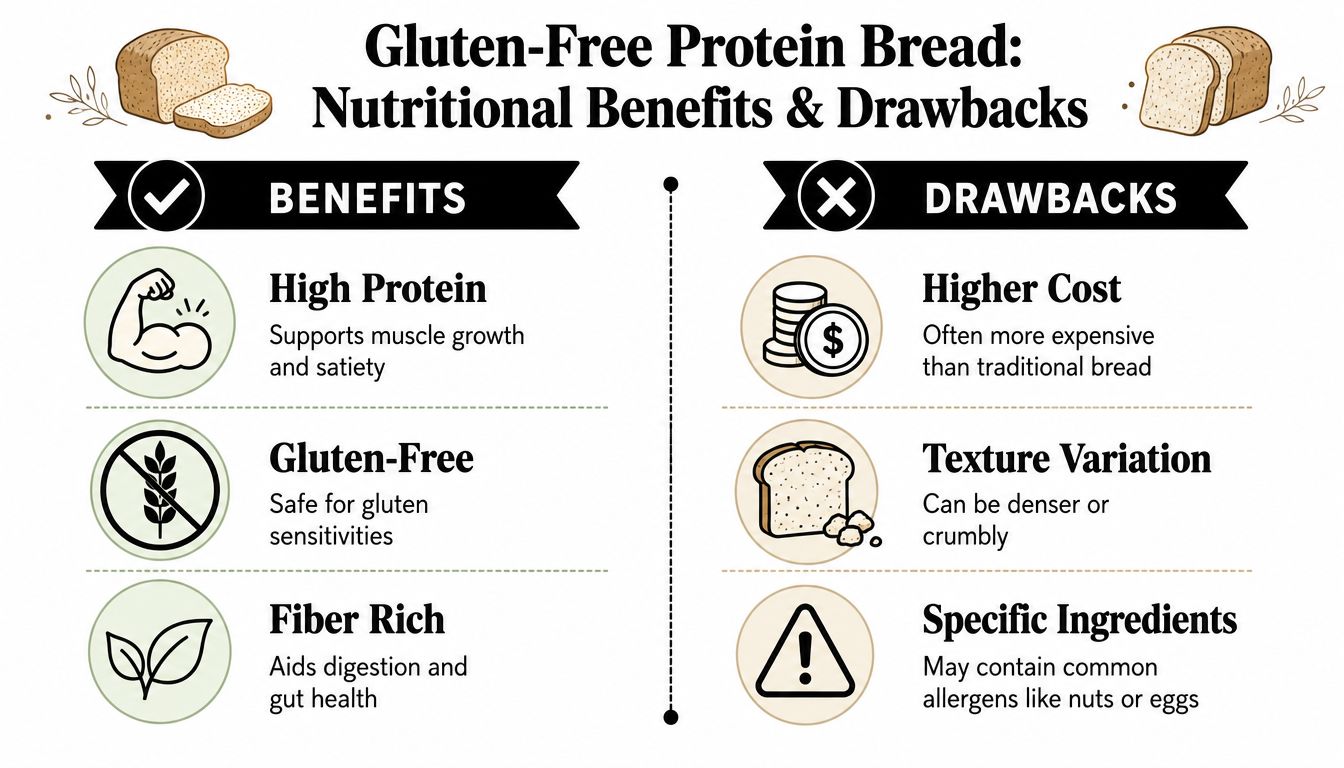
Where it can help
For active people, protein changes the job bread can do. Instead of acting only as a quick carbohydrate, it can become part of a more filling meal. That matters if you're trying to avoid the cycle of toast now, cravings later.
For people on GLP-1 medication, texture and meal size often become more important. A huge, heavy meal may not feel appealing. A smaller meal built around a satisfying slice of toast with eggs, tuna, tofu, or nut butter can be easier to tolerate and more useful in practice.
Here's where gluten free protein bread can make sense:
- Better meal staying power: Protein usually makes a bread-based meal feel less flimsy than jam toast or plain white bread.
- Useful for recovery: It gives you a ready-made base for post-workout meals when you need carbs plus protein.
- Helpful for gluten-sensitive eaters: If wheat-based bread doesn't sit well, a well-made gluten-free option can widen your choices.
Where people get misled
A bread can be gluten-free, contain added protein, and still behave a lot like a refined starch. That's the part many labels don't explain clearly.
A useful example comes from a scientific analysis of a clean-label gluten-free bread formula. It reached 8.9% protein of dry matter, yet still had a predicted in vitro glycemic index of 85, which showed that starch type remained a major driver of glycemic response in that bread, according to this PMC analysis of clean-label gluten-free bread.
That matters if your goal is steady energy, appetite control, or smoother blood sugar handling. Protein helps, but it doesn't magically cancel the effect of a refined starch base.
Practical rule: Don't ask only, “How much protein does this bread have?” Ask, “What is the bread mostly made of?”
What this means for fitness and GLP-1 users
If you want gluten free protein bread to work well, think in combinations. A slice on its own may still feel incomplete. A slice paired with fat, fiber, or another protein source often performs much better.
Good pairings include:
- For steadier energy: Toast with avocado, peanut butter, or tahini
- For recovery: Bread with eggs, chicken, smoked salmon, or tofu
- For appetite control: An open-faced sandwich with protein plus crunchy vegetables
If you're also trying to manage body weight, it helps to think beyond one product and look at overall satiety strategy. Telomyx's data-driven weight loss guide offers a useful framework for how protein-rich foods can fit into a broader appetite-management plan.
The balanced takeaway
Gluten free protein bread can be smart. It can also be overrated. The difference usually comes down to four things:
| What to look at | Why it matters |
|---|---|
| Protein source | Some proteins support structure better than others |
| Starch base | Refined starches can still hit fast |
| Fiber and fats in the meal | These often improve satiety more than bread alone |
| Texture tolerance | If you won't enjoy it, you won't keep using it |
A good loaf should help you eat better in real life, not just look impressive on the package.
Deconstructing the Ingredients
A strong loaf works like a team. One part gives bulk. One part builds structure. One part holds water. One part traps gas so the bread can rise. If one player underperforms, the whole loaf suffers.
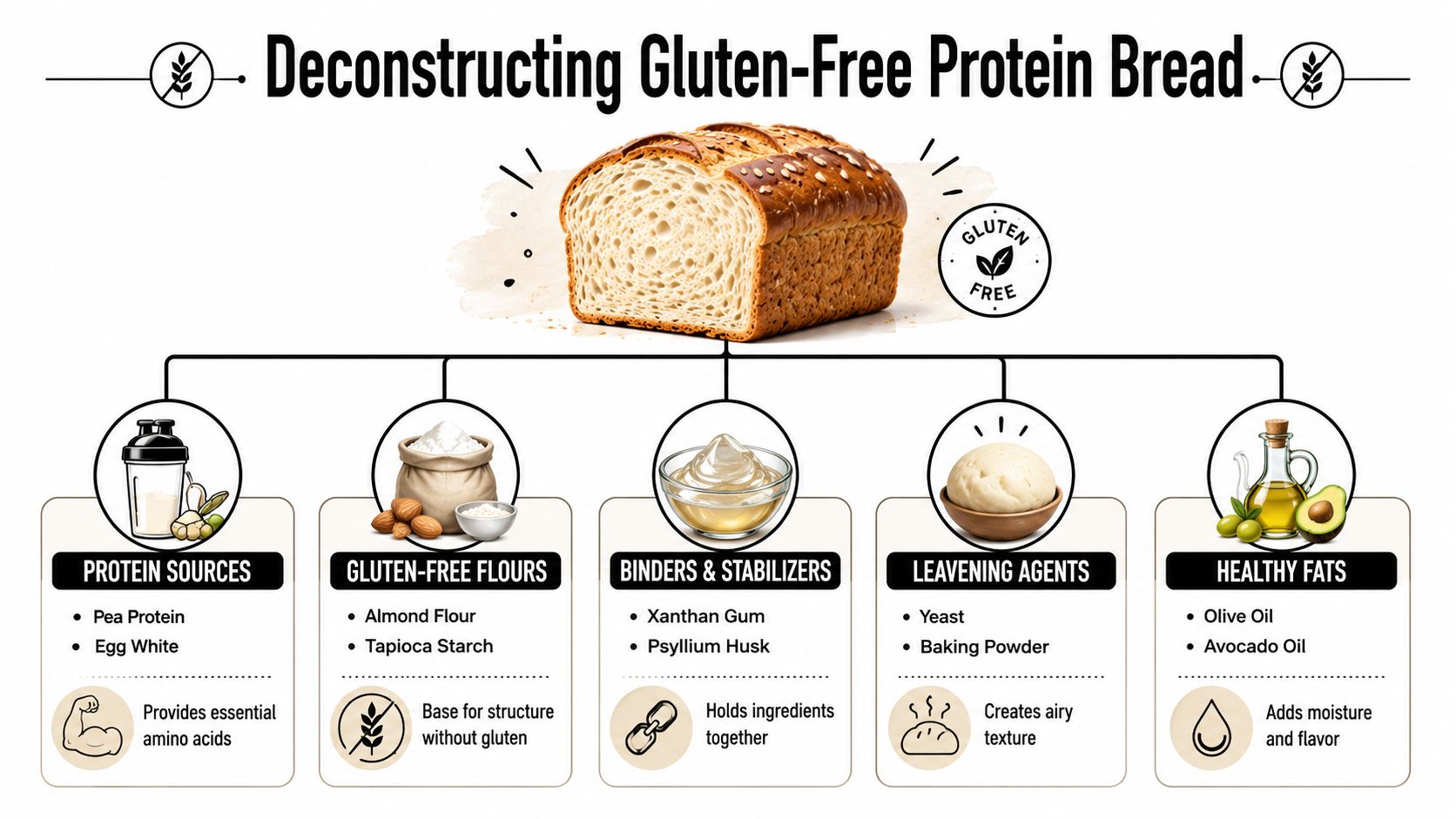
The base flours
In wheat bread, gluten helps create a stretchy net that holds bubbles from yeast or chemical leavening. In gluten-free bread, you don't have that net. So the flour blend has to do more of the heavy lifting.
You'll usually see a mix of starchier flours and heavier flours. The starches help with softness and lift. The denser flours add flavor, body, and sometimes more nutrients. If a loaf uses only heavy ingredients, it can feel squat and dense. If it relies too much on starch, it can feel flimsy and leave you hungry.
The easiest way to think about it is this:
- Starches are the balloons: They help create lightness.
- Heavier flours are the furniture: They make the loaf feel substantial.
- Binders are the glue: They stop everything from collapsing.
The protein source changes the loaf
Many recipes often fail. Bakers often chase a higher protein number without asking what the protein does inside the dough.
Research on gluten-free bread formulations found that pea and lupine proteins can significantly improve sensory qualities and dough elasticity, while soy protein often reduces loaf volume, as described in this scientific review on protein sources in gluten-free bread.
That finding lines up with what home bakers notice. Some proteins help the loaf feel bready. Others make it heavy.
A practical way to think about common choices:
- Pea protein: Often a strong fit for structure-focused, fitness-friendly bread. If you want more background, this explainer on pea protein isolate and how it works is useful.
- Lupine protein: Less common in home kitchens, but promising for texture.
- Soy protein: Can work nutritionally, but it's more likely to create volume issues in bread.
- Egg white or albumin: Often helps lift and can support a lighter crumb.
The best protein powder for a shake isn't always the best protein for a loaf.
The binders do the work gluten used to do
Psyllium husk, flaxseed, chia, and xanthan gum all help replace some of what gluten normally does. They absorb water, thicken the batter, and help trap gas.
That's why gluten-free bread often looks more like a thick batter than a classic kneaded dough. Many people get confused here because they expect something they can shape like wheat bread. Often, that expectation causes them to add too much flour, and that's when the loaf turns dense.
If you care about ingredient quality in the kitchen more broadly, the same careful thinking applies outside food too. This guide on how to choose safe reusable products is a good reminder that materials and formulation matter more than surface-level claims.
What each category is really doing
| Ingredient category | Main job in the loaf |
|---|---|
| Gluten-free flours and starches | Create the body of the bread |
| Protein ingredients | Improve satiety and alter structure |
| Binders like psyllium and flax | Hold water and mimic elasticity |
| Leavening | Create rise and openness |
| Fat | Improve tenderness and shelf life |
Once you understand those roles, labels stop looking mysterious. You can usually predict whether a loaf will be springy, dry, gummy, or pleasantly sturdy before you even buy it.
A Smart Shoppers Guide to Buying Bread
Shopping for gluten free protein bread is part nutrition skill, part skepticism. The front of the package usually talks about what sounds good. The back panel tells you what matters.
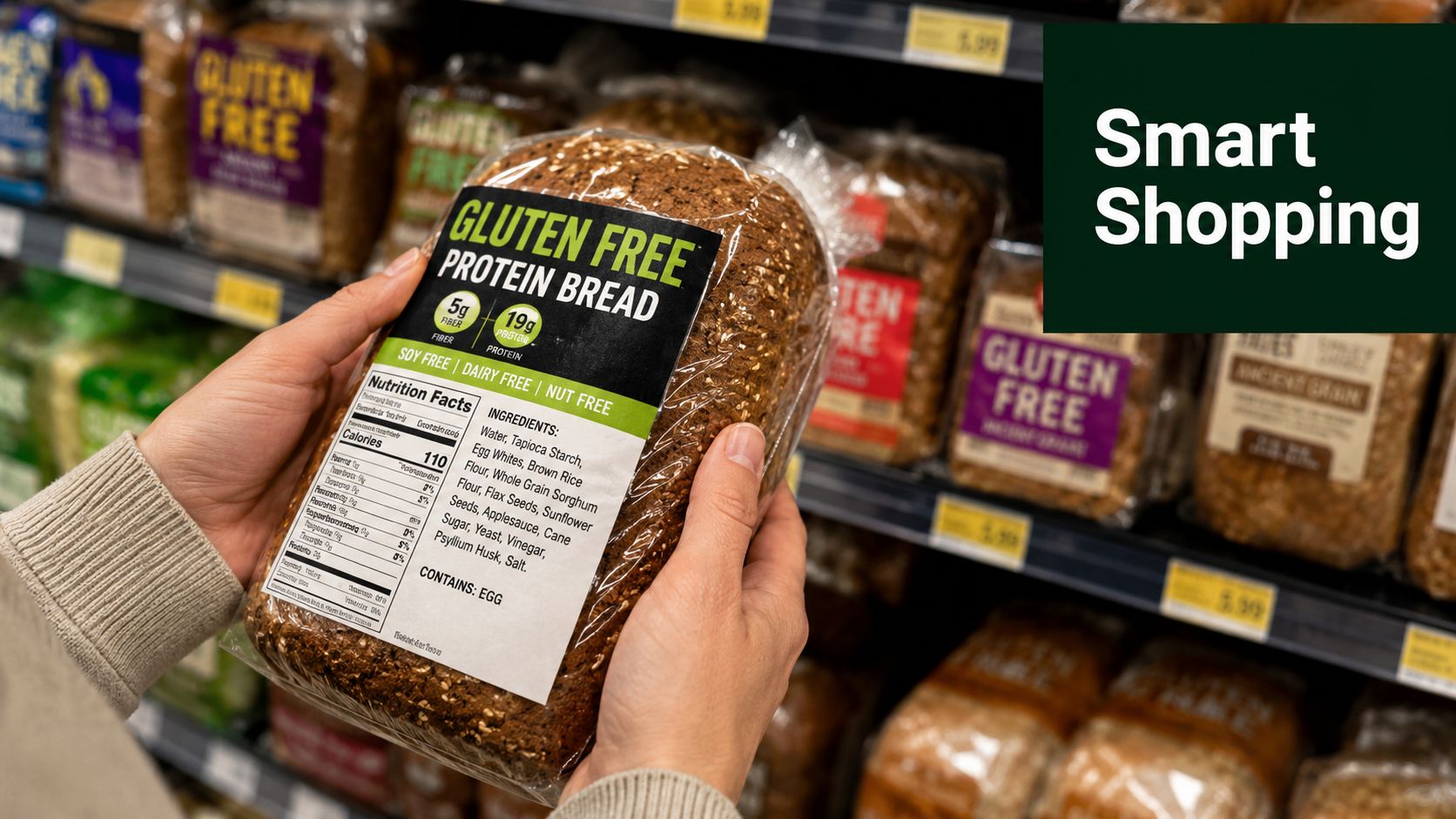
Read the ingredient list before the claims
Start with the first few ingredients. Those tell you what the bread mostly is. If the list begins with refined starches and the protein source appears much later, the “protein bread” label may matter less than you think.
The next step is to compare the nutrition panel with the ingredient list. A loaf can look strong on paper but still be built mostly from cheap fillers.
If you want a refresher on label basics, this guide to reading nutrition labels is worth bookmarking.
A simple buying checklist
- Check the protein source: Pea protein, egg white, or other functional proteins often tell you more than the front label.
- Scan for binders: Psyllium, flax, chia, or gums can improve structure when used well.
- Watch sweetness: Some brands lean on syrups or added sweetness to mask dry texture.
- Think about intended use: A dense loaf may be fine for toast but annoying for sandwiches.
- Consider where you shop: Niche products are often easier to find online than in standard grocery aisles.
That last point matters more than it used to. The online retail channel for gluten-free bakery products is projected to expand at an 11.89% CAGR through 2031, which makes online shopping a meaningful route for hard-to-find options, according to Fact.MR's analysis of the U.S. gluten-free bread industry.
What a smart purchase feels like
A good buy doesn't have to be perfect. It just has to match your real use.
If you want sandwich bread, look for a loaf with enough structure to hold fillings without crumbling. If you want something for breakfast, a denser slice may be fine if it toasts well and pairs nicely with eggs or nut butter.
Buy bread for the meal you actually eat, not the meal the package photography suggests.
Two Tested Recipes You Can Actually Make
Most gluten-free bread recipes fail for one of two reasons. They ask you to treat the dough like wheat dough, or they push protein up without adjusting hydration. Good recipes respect both issues.
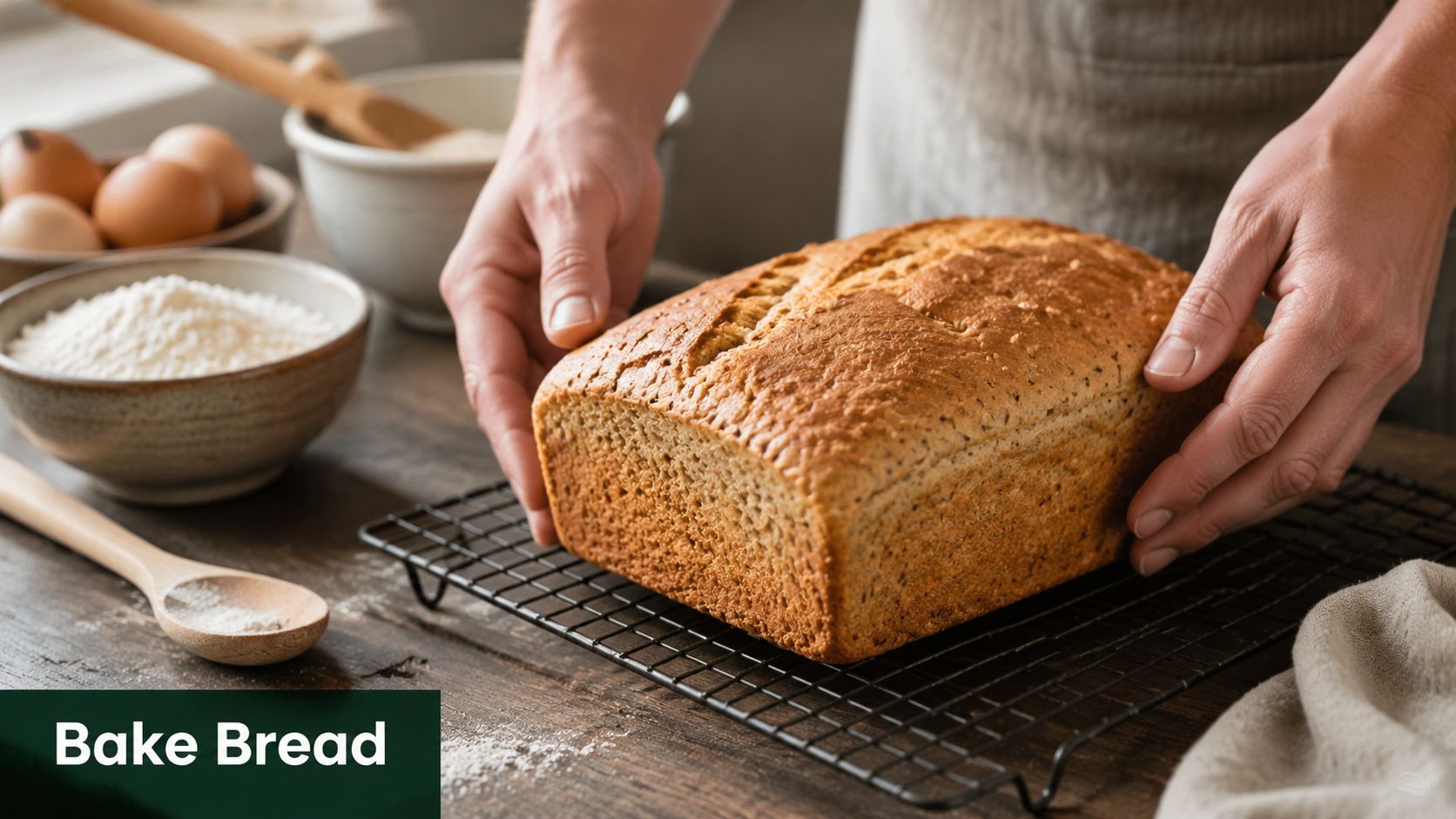
Beginner loaf for everyday toast
This loaf is for the person who wants a reliable first win. It's soft enough for toast, sturdy enough for sandwiches, and built around familiar gluten-free baking logic.
Ingredients
-
Dry mix
- 1 cup rice flour
- 1 cup oat flour certified gluten-free if needed
- 1/2 cup tapioca starch
- 1/3 cup pea protein powder, unflavored
- 2 tablespoons whole psyllium husk
- 1 tablespoon ground flaxseed
- 1 teaspoon salt
- 2 teaspoons instant yeast
-
Wet mix
- 2 cups warm water
- 2 eggs
- 2 tablespoons olive oil
- 1 tablespoon apple cider vinegar
Method
- Whisk the dry ingredients in a large bowl.
- In another bowl, whisk the water, eggs, oil, and vinegar.
- Pour wet into dry and mix thoroughly until you have a thick batter.
- Beat the batter for a few minutes with a spoon or mixer. This helps the psyllium and flax hydrate evenly.
- Scrape into a lined loaf tin, smooth the top, and let it rise until slightly puffed.
- Bake at 375°F until browned and fully set.
- Cool completely before slicing.
Why this works
Rice flour and tapioca keep the loaf from getting too heavy. Oat flour adds a more substantial bite. Pea protein boosts satiety without pushing the texture too far into brick territory.
The most important visual cue is consistency. You are not aiming for kneadable dough. You are aiming for a batter thick enough to mound but soft enough to spread easily.
Advanced loaf for a more performance-focused build
This second loaf is better for experienced bakers or anyone who wants a more hearty, savory slice.
Ingredients
-
Flour and structure
- 1 cup buckwheat flour
- 3/4 cup brown rice flour
- 1/2 cup tapioca starch
- 1/3 cup quinoa flour
- 1/2 cup pea protein powder
- 2 tablespoons psyllium husk powder
- 1 tablespoon chia seeds
- 1 teaspoon salt
-
Wet ingredients
- 2 1/4 cups warm water
- 2 egg whites plus 1 whole egg
- 2 tablespoons olive oil
- 1 tablespoon vinegar
- 2 teaspoons instant yeast
Buckwheat and quinoa give this loaf more flavor and a firmer bite. It won't taste like supermarket sandwich bread. It tastes more like food, which many fitness-focused eaters prefer.
Mix and bake it the same way, but give it extra time to cool before slicing. High-protein loaves set more slowly in the center.
Here's a helpful visual if you want to watch shaping and loaf handling in action:
Technique matters more than recipe hype
The recipe is only half the job. These habits make a much bigger difference than fancy ingredients:
- Mix longer than you think: Gluten-free batters often improve when you really work the binders through the liquid.
- Don't rush the bake: If the outside is done and the center still feels damp, the loaf needs more time.
- Cool all the way: Slicing hot bread is one of the fastest ways to get a gummy crumb.
- Toast leftover slices: Many gluten-free loaves improve after toasting, especially on day two.
What to expect from each loaf
| Loaf | Best use | Texture |
|---|---|---|
| Beginner loaf | Toast, breakfast, basic sandwiches | Softer and more familiar |
| Advanced loaf | Savory toppings, meal prep, denser sandwiches | Heartier and more structured |
If your first loaf isn't beautiful, that's normal. Gluten free protein bread has a narrower success window than ordinary bread, but once you learn the feel of the batter, your results improve fast.
Perfecting Your Timing and Servings
A good loaf becomes much more useful when you pair it with the right meal timing. Bread isn't the whole strategy. It's the base.
Before training
Pre-workout, you usually want something easy to digest but not flimsy. A slice of gluten free protein bread with nut butter or avocado works well because it gives you carbohydrate plus some staying power. If you train early, that can feel lighter than a full sit-down meal.
After training
Post-workout is where this bread can really shine. Use it as the base for eggs, chicken, turkey, tofu, or a tuna salad sandwich. You're covering carbohydrate replacement and giving yourself a practical route to more protein without needing a shake every time.
Between meals
For appetite control, especially if you're trying to avoid random snacking, a slice topped with cottage cheese, hummus, or smashed edamame can work as a compact, filling option. That's often more satisfying than plain crackers or a sweet snack that disappears in three bites.
If a bread leaves you hungry again in an hour, it isn't doing enough work for your goals.
For people using GLP-1 medications, smaller combinations often feel better than oversized meals. One solid slice with a protein-rich topping can be easier to finish and more comfortable than a giant sandwich.
Troubleshooting Common Bread Disasters
The usual advice for gluten-free bread is too vague. “Add more moisture” or “try a binder” doesn't solve much when your loaf is already dense, sticky, and disappointing.
Why is my bread dense and gummy
The common assumption is that gummy bread means underbaking alone. Often, the primary issue starts earlier with hydration balance.
Protein binds water more aggressively than starch, so high-protein gluten-free dough needs enough water to stay loose. The better target is a pourable batter consistency, not a classic kneadable dough. It also needs to bake through fully. A useful benchmark is an internal temperature of 208°F, as explained in this guide to fixing gummy high-protein gluten-free bread.
Why didn't my loaf rise
Usually one of three things happened:
- Your batter was too stiff: A tight batter struggles to expand.
- Your yeast underperformed: Old yeast or cool proofing conditions can stall the loaf.
- Your binders weren't fully activated: Psyllium and similar ingredients need thorough mixing to do their job.
A loaf doesn't need dramatic height to be good, but it should show some lift. If it looks exactly the same before and after baking, revisit hydration first.
How do I store it without ruining it
Gluten-free bread often stales fast. The best approach is to cool it fully, slice it, and freeze part of it early. Then toast slices straight from frozen as needed.
That method solves two common problems. It prevents the loaf from drying out on the counter, and it gives you a better eating texture than refrigerated slices that slowly toughen.
Don't judge the whole loaf by the first warm slice. Many gluten-free breads taste better once fully cooled, sliced, and toasted.
If you're building a higher-protein routine and want something savory between meals, Gym Snack is worth a look. It offers chef-inspired, plant-based protein snacks made with clean pea protein, bold cheesy flavor, and an allergen-conscious formula that's free of dairy, soy, and gluten. For busy training days, that kind of crunchy, portable option can complement the kind of bread strategy you've just read about.