

The most popular advice about healthy chip snacks is also the least useful: look for words such as baked, veggie, or gluten-free. Those labels may describe how a product is made or what it excludes, but they don't tell you whether the snack will keep you full, support training, or deliver a smaller portion of the same low-protein crunch.
A smarter standard starts with the macro profile. A chip becomes more useful as a snack when it contributes meaningful protein, offers reasonable fiber, avoids an excessive saturated-fat load, and uses an ingredient list you can understand. The crunch still matters, because a snack that doesn't satisfy your craving won't remain a practical choice, but flavor and texture should support the nutrition rather than distract from its absence.
The category has room to improve. North America's healthy snack chips market was valued at USD 11.24 billion in 2023 and is projected to grow at a 4.6% CAGR from 2024 to 2030, according to Nutrition Glance's market overview. The useful question now isn't whether chips can be healthier. It's whether a particular bag earns a place in your routine.
Redefining What Makes a Chip Snack Healthy
A chip earns the word healthy through its nutrition panel, not its front-of-package branding. Baked chips may contain less fat than fried versions while offering little protein or fiber. Vegetable chips can still depend on refined starches, added oils, and heavy seasoning, with the vegetable claim doing most of the marketing. Gluten-free status serves people who need to avoid gluten, but it provides little information about fullness.
Use a more practical standard. A worthwhile chip snack should contribute something beyond salt and crunch, preferably while fitting the way you eat and train:
- Support fullness: Protein and fiber give the snack more staying power than an airy, low-nutrient bite.
- Fit the calorie budget: The portion should provide useful nutrition without becoming a meal.
- Use a clear base: Chickpeas, lentils, peas, beans, vegetables, or an identified grain reveal more than an ingredient list led by refined starches.
- Limit unnecessary extras: Lower saturated fat, no cholesterol, and recognizable ingredients can make a product easier to include regularly.
- Match the goal: A post-training snack needs more substance than a small afternoon crunch break.
Marketing language versus nutrition
The stronger products are built around functional snacking. They preserve the texture people want from chips while contributing protein, fiber, or other useful nutrients. That distinction matters for fitness-focused eating. A lighter chip may still fall short after training, and a vegetable base may lack substance without a protein component.
Protein-enhanced chips are becoming more common in the broader snack market. A North America forecast places the market at USD 6.70 billion in 2025, with a projection of USD 10.32 billion by 2031 at a 7.61% CAGR. The same Nutrition Glance forecast identifies protein-enhanced chips as the fastest-growing segment, with a projected 9.86% CAGR, while supermarkets and hypermarkets account for 62.85% of sales. The trend suggests that protein-forward formats are reaching ordinary grocery aisles, not only specialty fitness stores.
Practical rule: Treat every front-of-package claim as a prompt to inspect the nutrition panel. Check the protein amount, fiber, saturated fat, serving size, and ingredient order before deciding whether the crunch earns a place in your routine.
A plant-based chip can work well, but the base determines its value. Pea protein, chickpea flour, lentil flour, and nutritional yeast can add substance. A formula built mainly from refined starch and oil may remain an occasional treat, even with green packaging and vegetable imagery. For a chip to compete with a bar or traditional crisp, the label should show a meaningful protein contribution alongside a credible source of fiber.
The Macro Gap Between Traditional and Modern Chips
A chip can fit a balanced diet and still be a weak standalone snack. A standard 1-ounce serving typically contains about 149 to 152 calories, 9.5 to 10 grams of fat, roughly 1 gram of fiber, and about 1.8 to 2 grams of protein, with sodium often around 148 to 170 milligrams and cholesterol usually at zero, according to the University of Maryland nutrition profile.
That macro profile explains the familiar cycle of eating a serving and wanting more soon after. Traditional chips provide energy and crunch, yet their protein contribution is too small to do much for fullness or post-training recovery. They work better as a salty side than as the main component of a snack.
| Nutrient | Traditional Potato Chips | Protein-Forward Plant Chips |
|---|---|---|
| Protein | Usually low, about 1.8 to 2 grams per 1-ounce serving | Meaningful protein contribution, depending on the formula and serving size |
| Fiber | Roughly 1 gram per 1-ounce serving | May be higher when the base includes legumes or vegetables |
| Fat | Often about 9.5 to 10 grams per 1-ounce serving | Varies, with stronger formulas controlling saturated fat and total oil |
| Calories | Typically about 149 to 152 per 1-ounce serving | Must be judged alongside protein, fiber, and portion size |
| Sodium | Often around 148 to 170 milligrams per serving | Varies widely by seasoning and recipe |
| Ingredient role | Primarily potato, oil, and seasoning | May include pea protein, chickpeas, lentils, beans, or vegetable ingredients |
Why the ingredient base matters
The base sets the ceiling for what a chip can contribute. A small amount of vegetable powder in a potato or corn formula may improve the label story without meaningfully changing protein or fiber. Legume flours, pea protein, lentil flour, bean ingredients, and other concentrated plant proteins give the product a more useful foundation.
A per-100-gram potato-chip profile lists 467 calories, 18.1 grams of fat, 71 grams of carbohydrate, 4.8 grams of fiber, 5 grams of protein, and 726 milligrams of sodium. The pattern is clear: traditional chips can be energy-dense while remaining protein-poor. Modern formulas change the base or add protein to close that macro gap, giving them a better chance of competing with a bar.
For practical use, look for a meaningful protein contribution rather than a token amount. Protein-forward chips still involve trade-offs. Added protein can change texture, flavor, and price, while heavy seasoning or extra oil can weaken the overall formula. The useful choice balances protein density, crunch, taste, sodium, and ingredient quality, instead of treating one favorable number as proof that the snack is superior.
How to Read Chip Labels Like a Pro
The front of the bag sells an idea. The nutrition panel shows whether the snack can support it. Start with serving size, then calculate the amount you would eat during a commute, study session, or television break. A smaller listed serving can make calories, protein, and sodium look more favorable than your real portion.
Compare protein with calories next. Protein density is not a perfect score, but it helps distinguish a functional between-meal snack from a lighter indulgence. When two products provide similar calories, the option with more protein and a clearly named source generally offers greater practical value.
For a broader explanation of serving sizes, ingredient lists, and daily values, use this guide to reading nutrition labels. The same method applies to chips, bars, shakes, and other convenience foods.
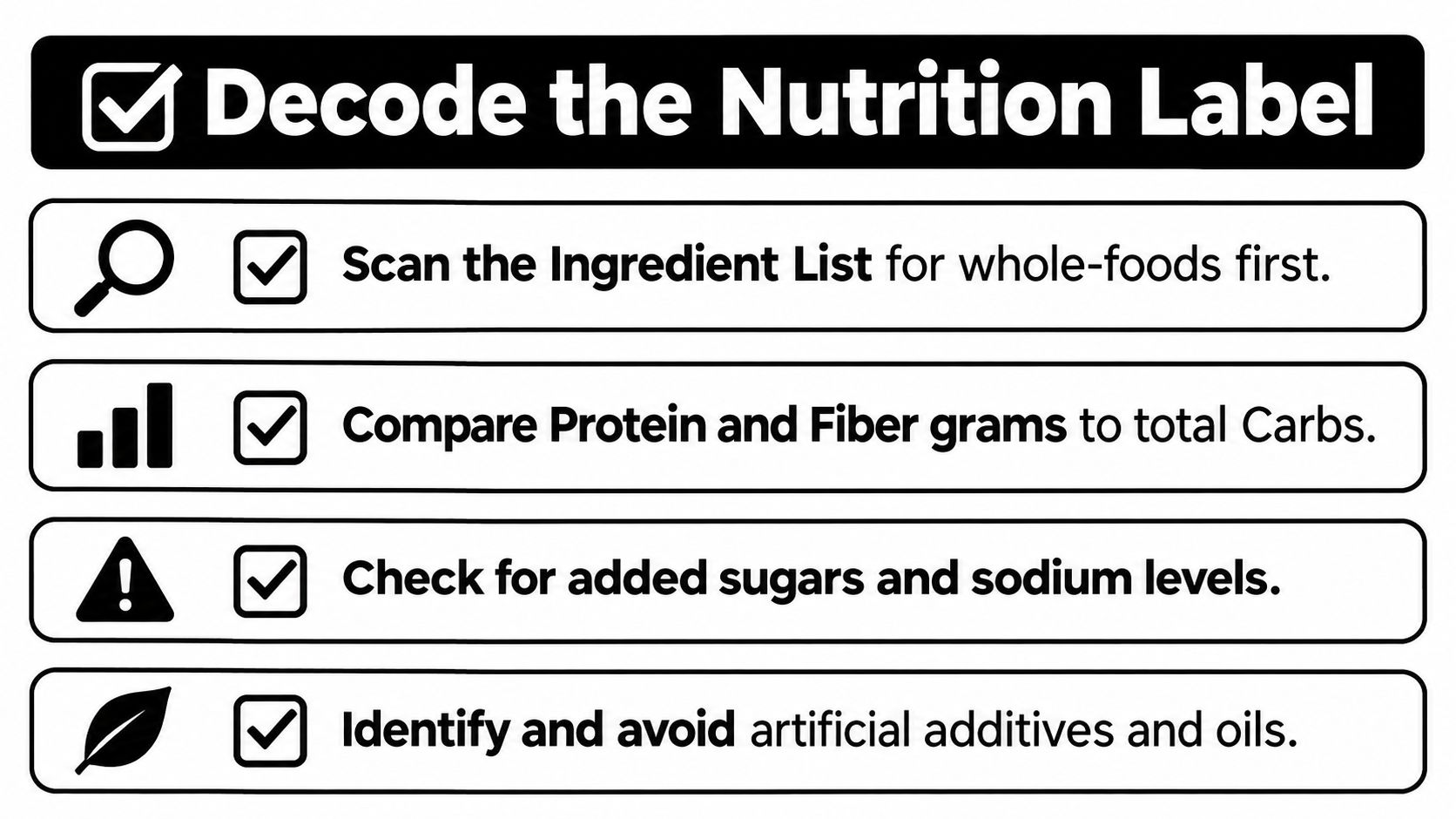
A four-part label scan
- Find the protein source. Look for pea protein, chickpea flour, lentil flour, bean flour, or another clearly identified plant protein. The protein number carries more weight when the ingredient list shows where it comes from. A vague “protein blend” gives you less information for comparing products.
- Check fat quality. Total fat can fit a useful snack, particularly when the portion supplies energy between meals. Saturated fat still deserves attention. Cheese powders and coconut-based ingredients may create a different fat profile from products made with other oils, so compare the full panel rather than reacting to the total-fat number alone.
- Inspect sodium and added sugar. Savory chips often rely heavily on salt, while flavored varieties may include added sugar. Compare products within the same category. A vegetable or protein claim does not resolve an aggressive seasoning formula.
- Read the final ingredients. Artificial flavors, colors, preservatives, and unfamiliar additives do not all carry the same significance. A shorter list of recognizable ingredients makes evaluation easier, but the ingredient list still needs context. Check allergen information directly. Plant-based does not automatically mean dairy-free, soy-free, or suitable for every allergy.
The quick decision
Put the bag back when its marketing claim carries the product and the panel offers little protein, little fiber, and a long list of oils and flavoring agents. Keep it in consideration when the protein source is clear, saturated fat fits your needs, and the listed serving resembles how you snack. Ingredient quality, macro value, and appetite control all matter more than a front-of-pack health slogan.
Why Protein-Forward Chips Support Lasting Fullness
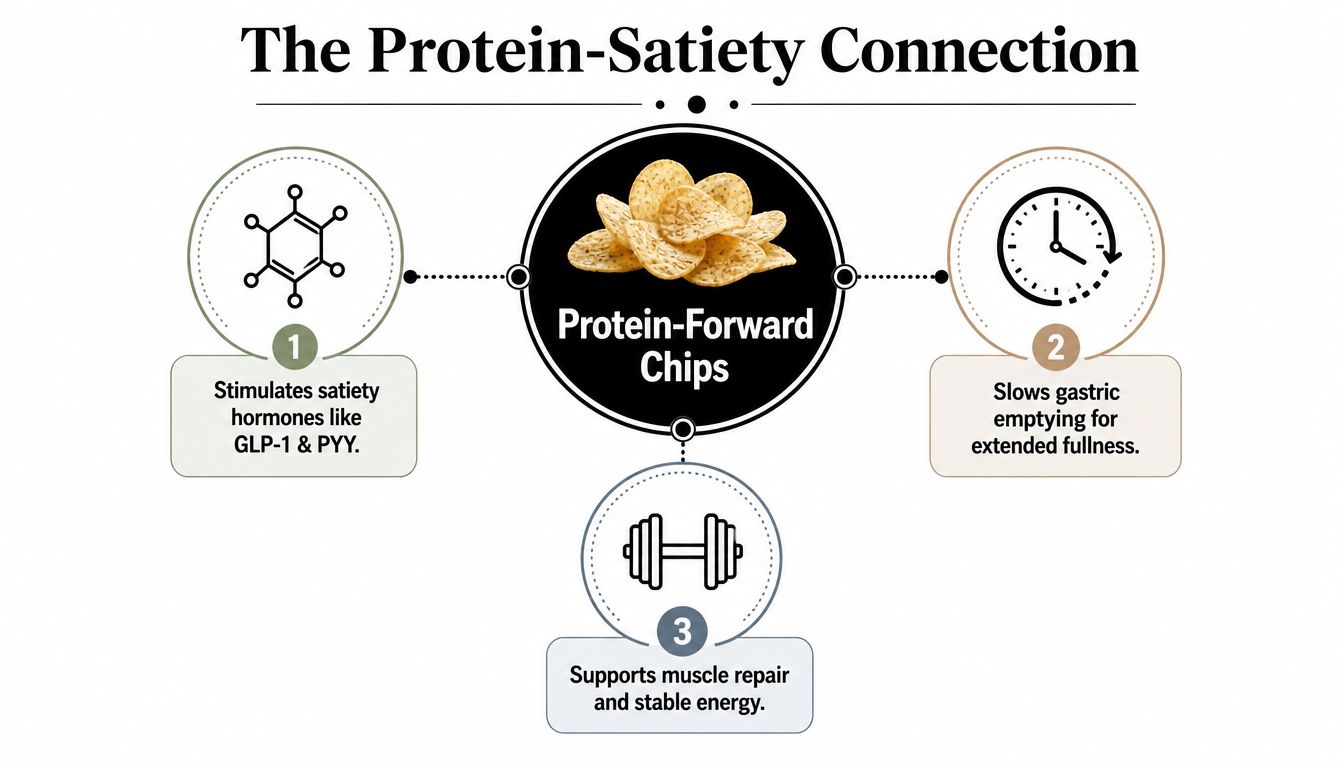
A chip earns the “healthy” label through its macros, not its shape. Traditional crisps mainly answer a craving for crunch and salt. A protein-forward version can also contribute to appetite control between meals, making it more useful around training, work, or weight-management goals. It remains a snack, not a complete meal.
Protein has a measurable effect on appetite. A meta-analysis found that acute protein intake reduced hunger by about 7 millimeters on visual analogue scales, increased fullness by about 10 millimeters, and raised satiety while suppressing ghrelin and increasing GLP-1 and cholecystokinin, according to the PubMed review. The response will vary with the food matrix, portion, and the rest of the meal.
Why format and context matter
A snack must be convenient enough to use consistently. Savory protein chips can compete with sweet bars and shakes because they satisfy the desire for a crunchy, salty food while supplying a more meaningful protein dose. That combination may help hold you until the next meal, provided the portion and ingredient profile fit your needs.
Snack-format research supports this role. One controlled trial found that a high-protein snack extended satiety by 17 minutes compared with a control snack. Another found that a high-protein cheesy snack produced partial compensation at the next meal and full compensation over 24 hours, as described in the British Journal of Nutrition trial report. These findings do not mean every protein chip controls appetite. They show why protein content can affect what happens after snacking.
For gym-goers, 15 grams or more of protein per serving is a useful threshold for comparing a chip with a traditional crisp. Gym Snack, for example, offers plant-based pea-protein chips with 15 grams or more of protein per serving, low saturated fat, no cholesterol, and no seed oils. Those details come from publisher information, so verify the package when serving sizes and flavors differ. See the complete guide to high-protein chips for a deeper comparison.
GLP-1 users should get individual guidance from their healthcare team if appetite, digestion, or medication tolerance changes. A protein-forward chip can fill a practical snack role, but it does not replace varied meals, hydration, or overall nutrient intake.
Smart Snack Timing and Pairing Strategies
A bag of healthy chip snacks works best when it has a defined role. Eating directly from a large package while distracted makes portions hard to judge, while placing a measured serving beside a complementary food turns the snack into a deliberate mini-meal.
Before training
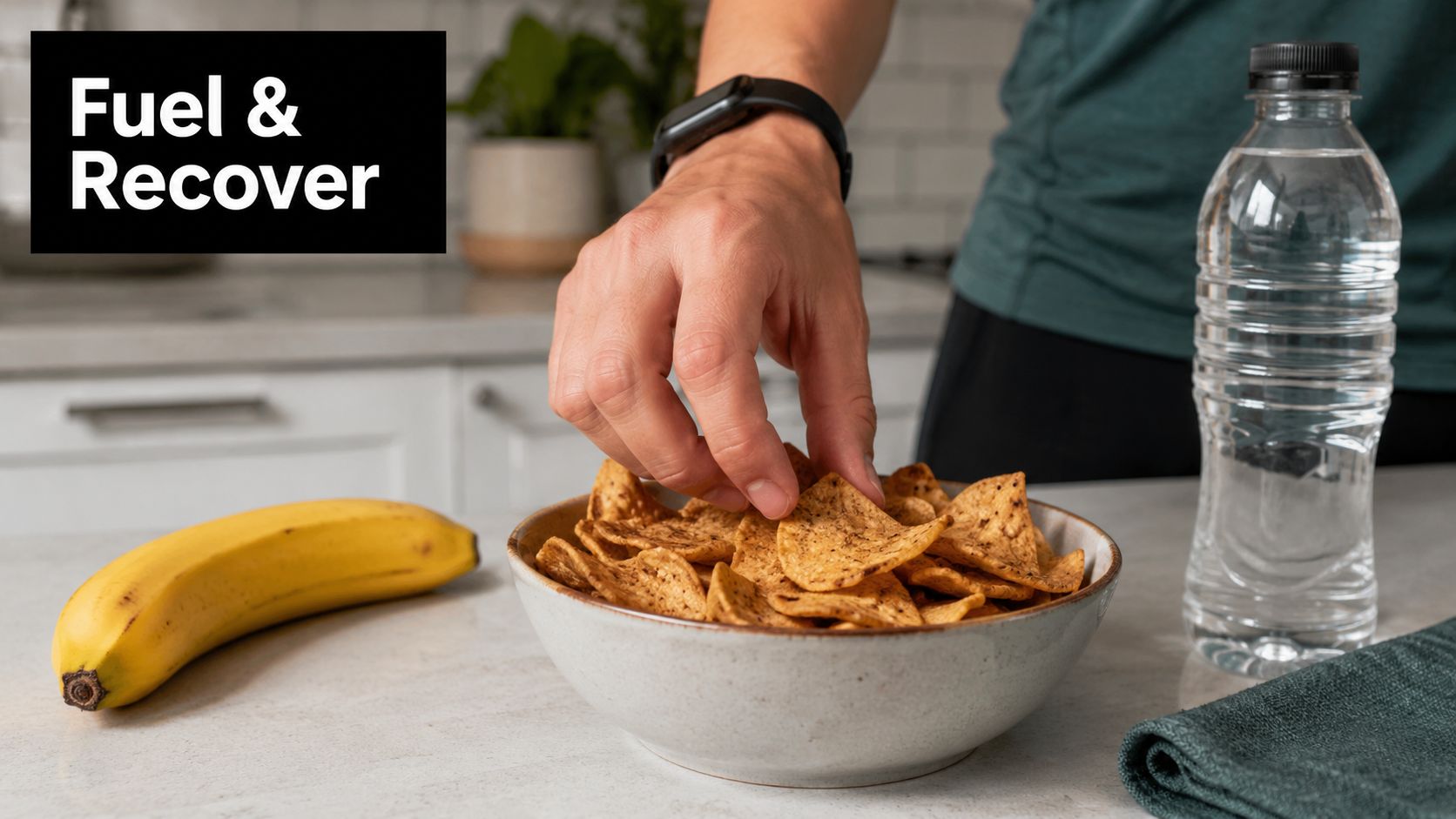
Choose a smaller, easier-to-digest serving when you're eating close to a workout. Pair protein-forward chips with fruit if you need carbohydrate for training, or keep the portion modest if a full meal is already nearby. A banana and water can be more practical than adding a rich dip immediately before movement.
The key is comfort. High fiber, heavy seasoning, or a large amount of fat may not sit well before intense exercise, even when the product looks nutritious on paper.
After training
Post-workout, use the chips as the protein component of a quick recovery snack. Add a piece of fruit, a yogurt alternative, or a simple vegetable side depending on your dietary pattern and what your next meal looks like. If dinner is soon, the chips can bridge the gap. If dinner is delayed, add a more substantial pairing.
A dip can improve satisfaction, but choose it intentionally. Hummus adds legumes and texture, while a Greek yogurt dip adds dairy protein for people who tolerate it. Plant-based eaters can use an unsweetened yogurt alternative, bean dip, or blended tofu dip, provided the ingredients fit their allergy needs.
A short video can help visual learners think through a simple snack setup and portioning approach.
Afternoon and travel use
For an afternoon energy dip, combine the chips with raw vegetables and a dip rather than treating the bag as the entire eating occasion. For travel, build a compact pack with a measured chip portion, fruit, water, and a shelf-stable protein option if needed. That combination gives you more flexibility than relying on a single snack to cover every nutritional need.
Simple DIY Alternatives and Label-Reading Shortcuts
Homemade chips can work when you want control over ingredients and seasoning. A simple approach uses chickpea flour or lentil flour, water, spices, and nutritional yeast. Mix the ingredients into a firm dough, roll it thin, cut small pieces, and bake until crisp. The final texture may differ from a packaged chip, but the recipe lets you control oil, salt, and flavor intensity.
You can also press seasoned lentil or chickpea batter into thin rounds before baking. Nutritional yeast can provide a savory, cheesy note without dairy, while smoked paprika, garlic, onion, or chili can create depth without relying on a heavy seasoning coating.
For a more detailed homemade method, use this protein chips recipe. Keep the practical standard clear: a homemade chip still needs enough protein in the overall snack to justify calling it protein-forward.
The fast aisle shortcut
When shopping, use a three-question scan:
- Where does the protein come from? If the answer isn't obvious from the first part of the ingredient list, the protein claim may be doing too much work.
- How much nutrition arrives with the crunch? Compare protein and fiber with calories, carbohydrates, fat, and sodium rather than judging calories alone.
- Can you eat it comfortably? Check dairy, soy, gluten, nuts, and other allergens. Also look for seed oils, artificial additives, and flavor systems you prefer to avoid.
Don't demand a perfect ingredient list if the product helps you eat consistently and fits your needs. The better shortcut is transparency. A brand that clearly states its protein source, allergens, serving size, and fat profile gives you enough information to make a useful decision quickly.
Building Your Healthy Chip Snack Strategy
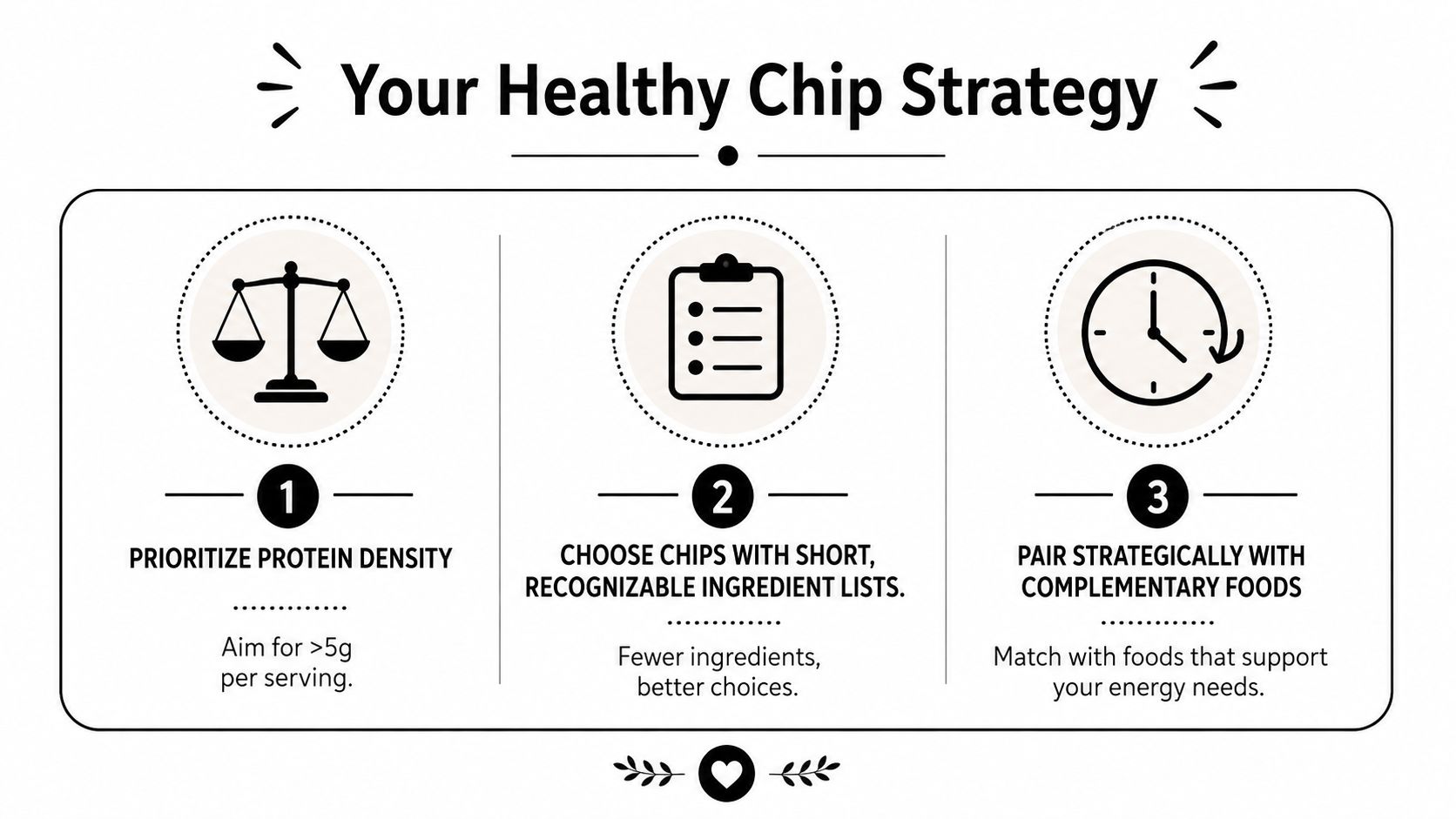
Healthy chip snacks deserve a place in a fitness-focused routine when they deliver more than a lighter version of empty crunch. Prioritize protein density, inspect saturated fat and sodium, and choose a base built around recognizable plant ingredients. Then decide whether the snack is for craving satisfaction, pre-workout energy, post-workout recovery, or bridging a busy afternoon.
Use this decision guide:
- For training support: Choose a protein-forward option and pair it with fruit or another carbohydrate source when your workout demands it.
- For weight management: Favor the product that gives you meaningful fullness without encouraging mindless grazing. Portion it before eating.
- For plant-based eating: Confirm that the protein source and flavor system match your dietary and allergen requirements.
- For everyday convenience: Keep small custom snack packs ready with chips, vegetables, fruit, and water.
Gyms and coaches can also use practical food education to help members make better choices between sessions. This resource on boosting member loyalty with nutrition offers useful context for turning nutrition guidance into a more supportive member experience.
The strongest habit is simple: choose protein first, verify the ingredients, and pair the crunch with the food your body and schedule need. That approach keeps chips enjoyable without pretending every bag is a complete nutrition solution.
Gym Snack offers plant-based savory protein chips made with pea protein, with Cheddar Cheeze and Jalapeño Cheddar Cheeze flavors, transparent ingredients, and allergen-conscious formulas free from dairy, soy, and gluten. Visit Gym Snack to explore bundles or build a custom pack for practical, protein-forward snacking between workouts and meals.