

You want something salty, crunchy, and satisfying. You also want it to help you hit your protein target instead of pushing you toward another sweet bar that tastes like vanilla chalk.
That's the gap a lot of active people run into. They're tired of shakes. They don't want yogurt. They don't need another dessert disguised as fitness food. They want real high protein snacks non dairy enough for everyday life, gym bags, office drawers, and that rough stretch between lunch and dinner when hunger gets loud.
The good news is this isn't some fringe preference. It lines up with a real shift in how people snack, train, and shop.
Why Your Snack Break Needs a Protein Upgrade
Walk through any convenience aisle and you'll see the same pattern. Sweet bars. Sweet shakes. Sweet “healthy” bites. Even a lot of protein products that look savory end up being dairy-heavy or built around a texture that feels more medicinal than enjoyable.
That creates a practical problem. If you don't tolerate dairy well, follow a plant-based diet, or just want more variety, your options shrink fast. And if your snack doesn't satisfy you, you'll keep grazing.
The market signals are clear. The ready-to-eat protein snacking category is worth $7.7 billion and grew 8%, according to Glanbia's protein snacking analysis. The same analysis notes that 70% of Americans say they want more protein in their diets, yet only 17% consider protein when choosing snacks. That gap matters because it shows how often good intentions fall apart at snack time.
Why the usual options miss the mark
A lot of protein advice still treats snacks like mini desserts or liquid meals. That works for some people. It doesn't work for the person who wants something that feels more like chips, crackers, or a savory bite after training.
What helps is matching protein to snacking behavior, not just to nutrition goals.
- Portable matters: If it can't live in a gym bag or desk drawer, it's unlikely to be used consistently.
- Texture matters: Crunch and chew create more satisfaction than a drink you finish in five minutes.
- Flavor matters: Salty, spicy, and cheesy-style profiles break the monotony of sweet protein products.
The best snack plan is the one you'll still want on a busy Wednesday afternoon.
Savory non-dairy protein snacks solve a very normal problem. You want convenience, but you also want food that feels like food.
How Non-Dairy Protein Fuels Your Body and Goals
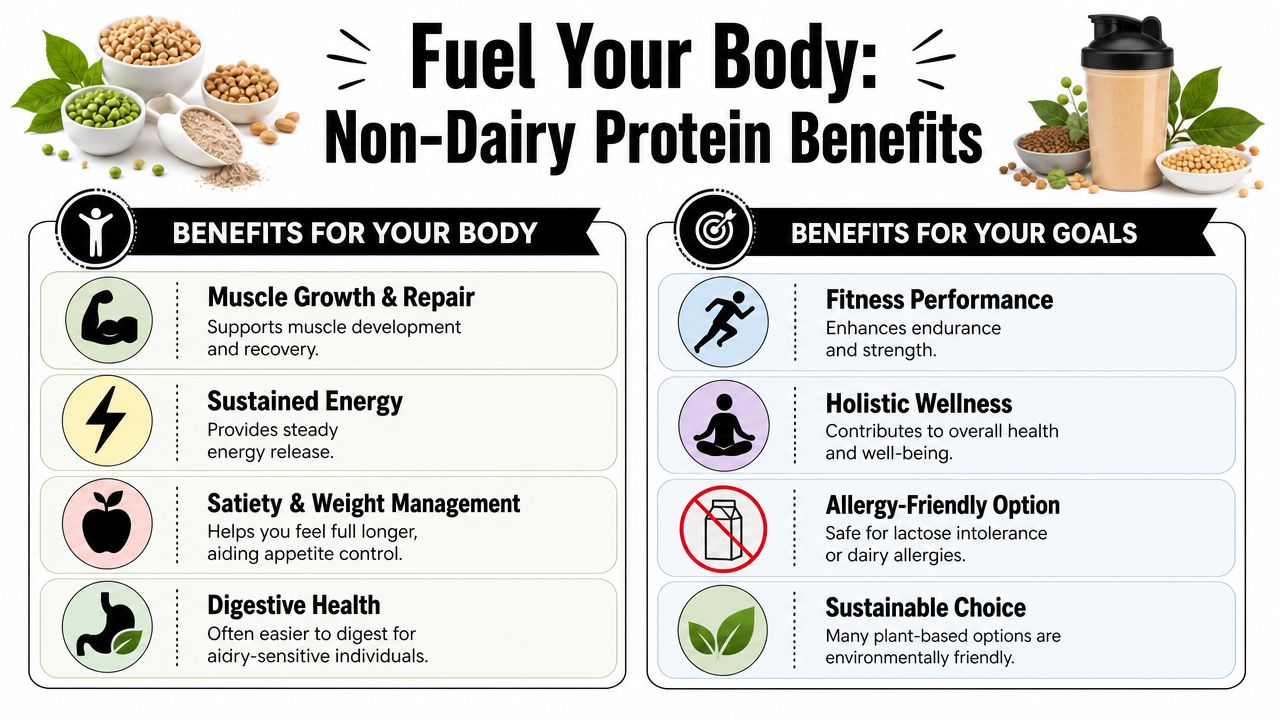
You finish a workout, head into a long afternoon, or get stuck between meetings with hours until dinner. That is where snack quality starts to matter. A non-dairy protein snack can keep energy steadier, take the edge off hunger, and help you stay consistent without defaulting to something sweet.
Better fuel than a sugar spike
Savory protein snacks tend to work well in the part of the day where focus and appetite control matter most. Protein digests more slowly than refined carbs, and snacks built from chickpeas, edamame, soy, seeds, or nuts often bring fiber and fat too. That combination usually holds up better than a grab-and-go snack built mostly on starch or sugar.
In practice, this means fewer energy swings and less random grazing an hour later.
This is one reason crunchy, savory options deserve more attention. They do the job bars and shakes are supposed to do, but in a format many people want to eat.
Easier on digestion for many people
Dairy is a sticking point for a lot of active people. Some deal with lactose intolerance. Others tolerate dairy on paper but feel heavy, bloated, or overly full after whey-heavy snacks.
Removing whey, milk solids, casein, and lactose often makes snack time more comfortable. That matters because a snack only helps if you can digest it well enough to use it consistently around work, training, or travel.
Plant-based options also give more variety in texture and flavor. Roasted legumes, dry edamame, seasoned tofu bites, seed mixes, and savory protein crackers feel like actual food, not just a nutrition product.
Useful for more than muscle
Protein supports muscle repair, but that is only part of the picture. It also helps with fullness between meals, which makes it easier to avoid showing up at dinner overly hungry and eating past your needs.
For active people, I look at three practical benefits:
- Satiety: Protein and fiber can make a small snack feel more satisfying.
- Recovery: A protein-containing snack after lifting, sport, or a long day on your feet helps cover your daily intake.
- Consistency: Portable options make it easier to hit protein targets even when meals are imperfect.
For a broader look at how plant-based protein supports training and recovery, that guide covers the bigger picture well.
If a snack supports your goals but leaves your stomach feeling off, it will not stay in your routine. Digestive comfort affects compliance, and compliance drives results.
Practical trade-offs
Not every non-dairy protein snack earns a spot in the rotation. Some are calorie-dense but only moderately high in protein. Others chase a big protein number and end up dry, chalky, or hard to finish. Savory options can also run high in sodium, which is not always a problem for active people, but it is still worth noticing.
The strongest choices strike a balance. They give you enough protein to matter, taste good enough to crave again, and fit the situation. A post-workout snack can be lighter and more protein-forward. A desk snack may need more crunch and staying power.
That balance is usually what keeps the habit going.
Reading Labels on High Protein Non Dairy Snacks
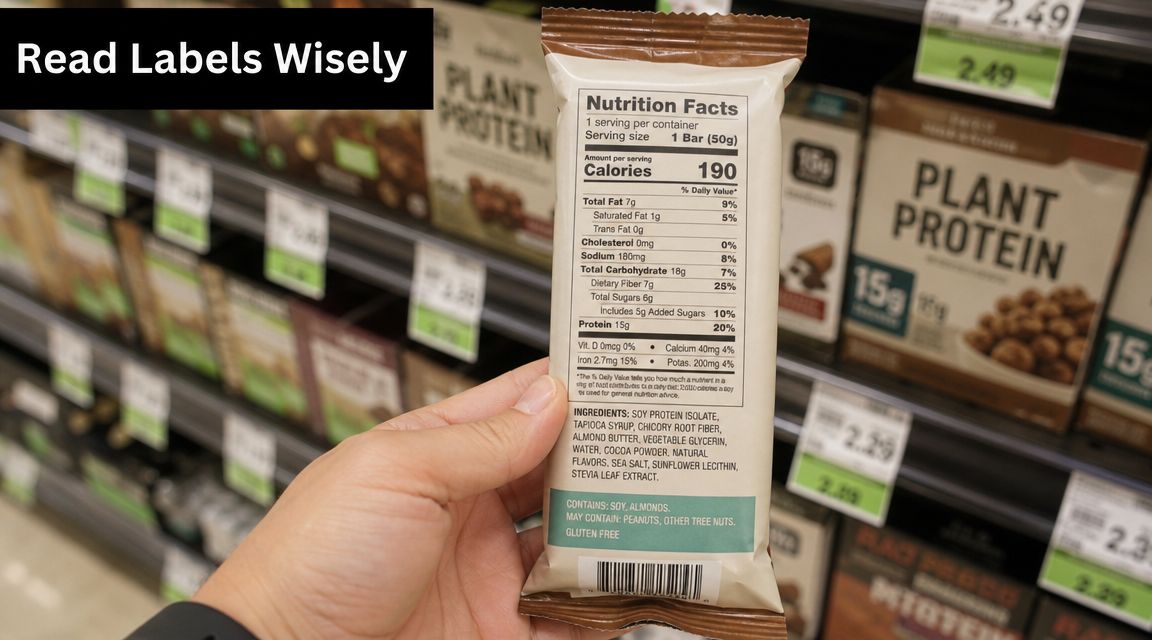
A bag can say plant-based, protein-packed, and better for you on the front, then deliver very little protein once you turn it over. That happens a lot in the savory aisle, especially with crunchy snacks trying to borrow health credibility from a few added grams.
The fastest way to screen a product is simple. Check what is providing the protein, then check whether the serving size matches how people typically eat.
Look for the protein source first
Savory, crunchy snacks usually earn their spot when the protein source fits the food. Roasted edamame, chickpeas, soy crisps, bean-based crackers, tofu, and tempeh all make sense because they start with ingredients that naturally bring some protein to the table. Pea or soy protein can also work well in puffs and chips when the texture is still good and the ingredient list has not turned into a chemistry project.
The ingredient panel tells you that story fast. If the first ingredients are corn, rice flour, tapioca starch, or potato starch, and the protein shows up later as a minor add-in, expect a regular snack with a better headline. If you want a practical guide to serving sizes, ingredient order, and label language, this article on how to read nutrition labels is useful.
A simple rule works well in stores. The more the protein source looks like a real foundation of the snack, the better the odds that the macros hold up.
Watch for hidden dairy
This matters more in savory snacks than people expect. Cheese seasoning is common. So are milk-based powders used for flavor, browning, or texture.
Scan for these ingredients before you assume a product is non-dairy:
| Check carefully | Why it matters |
|---|---|
| Whey | Dairy-derived protein |
| Casein | Milk protein |
| Milk powder | Dairy ingredient often added for texture or flavor |
| Cheese powder | Common in savory snacks, not non-dairy |
I see this mistake often with protein chips, crackers, and “healthy” puffed snacks. The front label reads clean and plant-forward. The ingredient list says otherwise.
Protein density matters more than marketing
For a snack to count as a useful protein option, the protein has to be meaningful for the amount you will likely eat. A tiny serving can make the numbers look better than the snack performs in real life.
Use three quick checks:
- Check the serving size. If the bag lists a very small portion but the package is easy to finish in one sitting, assess the whole bag or the amount you would realistically eat.
- Compare the grams of protein to the calories. Nuts and seeds can be nutritious, but they are often better as mixed fuel than as a true high-protein snack.
- Check what else dominates the formula. If syrups, starches, or refined flours lead the list, protein is probably not the main job of that food.
Savory snacks can disappoint. They may look like a smart alternative to chips, but some are still mostly starch with seasoning and branding.
Practical rule: If you cannot quickly identify the main protein source and the serving looks unrealistically small, put it back.
What usually works and what usually doesn't
Usually works
- Roasted edamame
- Crispy chickpeas with strong seasoning
- Tempeh bites
- Savory puffs made with pea or soy protein
- Bean-based crackers with a short ingredient list
Usually disappoints
- Trail mix sold as a protein snack when it is mostly nuts and dried fruit
- Puffy snacks built mostly from starches with a small protein bump
- Savory products with cheese or milk ingredients hidden in the seasoning
- Snacks that post a decent protein number only because the serving is tiny
Good label reading saves money as much as it saves macros. The best non-dairy protein snacks are honest. They taste good, crunch well, and make it obvious where the protein is coming from.
Satisfying Savory High Protein Snacks
The biggest blind spot in protein snacking is flavor direction. Most lists still push people toward bars, yogurt, cottage cheese, or shakes. That leaves out the person who wants crunch, salt, spice, and something that feels snacky instead of clinical.
That gap is real. Iowa Farm Bureau's article on high-protein snacks beyond bars points to an underserved need for savory, non-dairy protein snacks that are not bars or shakes. That's exactly where a lot of the most usable options live.
The snacks that actually scratch the savory itch
Here are the categories I'd put at the top of the list.
- Roasted edamame: Dense, portable, and naturally savory. Great when you want something dry and crunchy.
- Crispy chickpeas: One of the easiest transitions from regular snacking to smarter snacking. Season them well or buy versions with bold spice blends.
- Air-fried tofu cubes: Better fresh than shelf-stable, but excellent if you prep ahead.
- Tempeh bites: Firm, chewy, and more substantial than many snack foods.
- Plant-based jerky: Useful for travel. Texture varies a lot by brand.
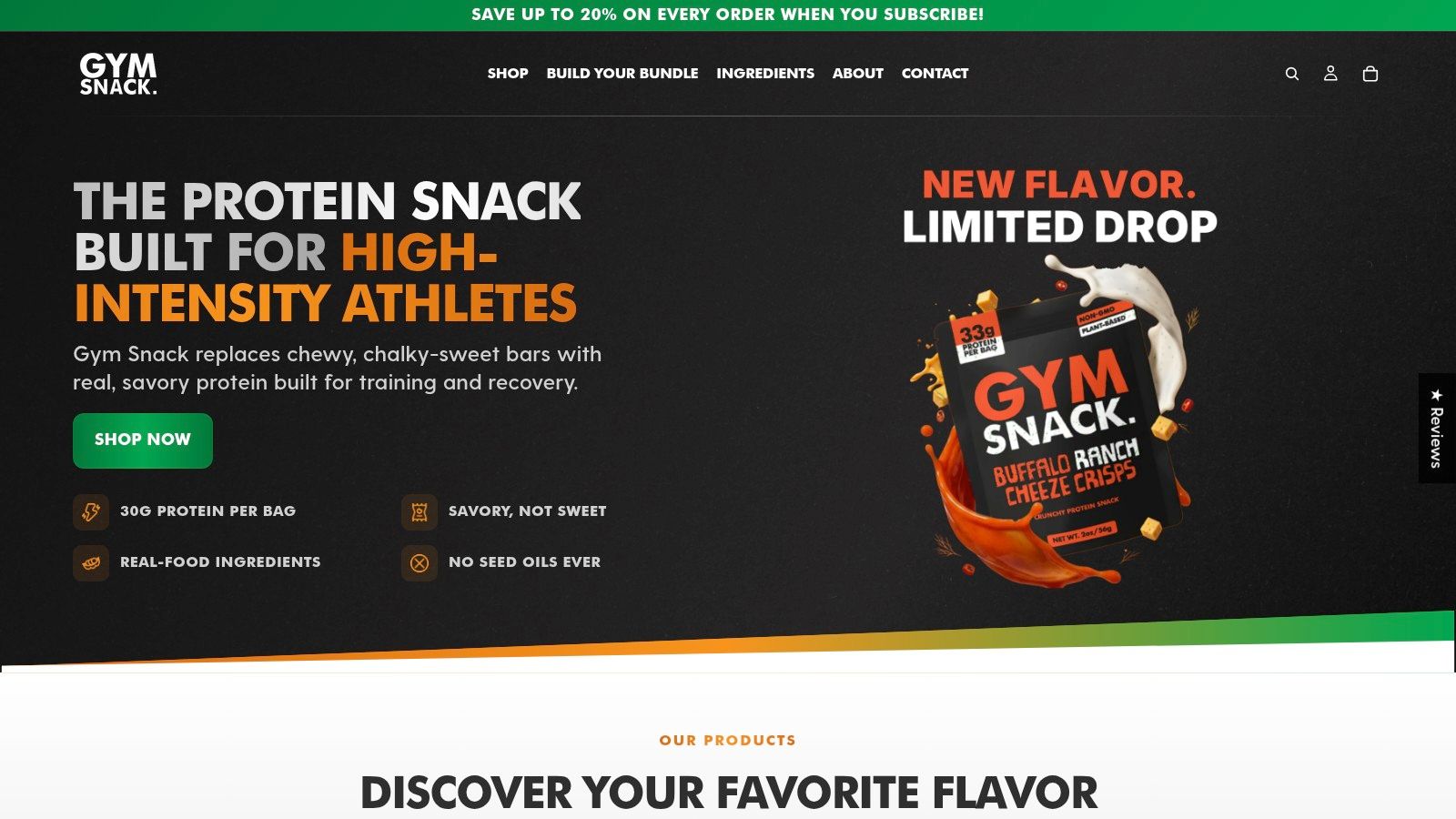
- Protein puffs and chips: Often the most direct replacement for chips when you want a salty crunch with a stronger protein profile.
The category that keeps winning people over is the last one. Savory protein puffs and chips solve a behavior problem, not just a macro problem. They feel familiar. You open the bag, eat them with your hands, and get the crunch people usually chase from standard snack food.
For more ideas in that lane, this roundup of savory high-protein snacks is worth bookmarking.
What makes a savory snack feel worth repeating
A snack can be high in protein and still fail if the eating experience is off. Three things tend to separate the repeat buys from the one-time experiments:
- Seasoning that tastes like real food
- Texture that stays crisp
- A portion that satisfies
A lot of packaged “healthy” snacks miss one of those. The texture goes stale. The flavor tastes artificial. Or the serving feels too skimpy to matter.
This quick clip shows the kind of savory snack format many gym-goers are gravitating toward now:
A few honest trade-offs
Savory protein snacks aren't all interchangeable.
Legume-forward snacks usually bring more fiber and a whole-food feel. Protein-puff formats often deliver better crunch and stronger macro efficiency. Nut-heavy snacks can taste great but can get calorie-dense fast. Jerky-style products travel well but can be chewy enough that some people stop buying them.
The best move is to match the snack to the job. Desk snack. Pre-gym snack. Car snack. Movie-night snack that won't wreck your day. Different use cases call for different textures.
Cravings aren't the enemy. Ignoring the type of craving usually is.
Simple DIY Recipes for Protein on the Go
Homemade snacks work best when you stop trying to make them complicated. You don't need a weekend meal-prep project. You need a few repeatable options that taste good and travel well.
Protein density matters here. A nutrition roundup from Milk Free Mom notes examples such as air-fried tempeh at 15 g protein per 3 oz, roasted chickpea or hummus combinations around 9 g per serving, and chia pudding with almond milk plus protein powder at about 20 g protein. That same roundup supports a simple rule for homemade snacks. Use legumes, soy foods, seeds, and protein isolates when you want meaningful protein in a snack-sized portion.
Spicy air-fryer tempeh bites
This is one of the easiest savory options if you want chew plus crisp edges.
What you need
- Tempeh
- Soy sauce or tamari
- Smoked paprika
- Garlic powder
- Chili flakes
- A small amount of oil if you use it
How to make it
- Cut tempeh into bite-size strips or cubes.
- Toss with seasonings.
- Air-fry until the edges brown and the outside firms up.
- Cool before packing so it stays less steamy.
Why it works
- It holds up well for a few hours out of the fridge.
- It tastes better savory than sweet.
- It's filling enough to bridge a meal gap.
Roasted chickpea crunch mix
This is the DIY version of the crunchy bag snack.
Base idea Use roasted chickpeas as the main ingredient, then add a smaller amount of pumpkin seeds or sunflower seeds for texture. Keep the seeds in the supporting role so the mix stays more protein-efficient and doesn't become overly calorie-dense.
Flavor combinations
- Nutritional yeast, garlic, black pepper
- Cumin, paprika, and sea salt
- Chili-lime seasoning
Coach's note Roast or air-fry until the chickpeas are fully dry on the outside. If they're underdone, they go soft fast.
Savory protein dust for popcorn or crackers
Sometimes you don't need a full recipe. You need a smart add-on.
Blend a neutral protein powder with nutritional yeast, onion powder, garlic powder, and a pinch of salt. Toss it lightly over air-popped popcorn or use it as a dusting on baked tofu bites. If you want a neutral protein option for mixing into savory recipes without changing flavor too aggressively, instant protein 400g is the kind of resource that can help in the kitchen.
Quick chia-protein pudding with a savory twist
Most chia puddings go sweet. You can take it in another direction.
Mix chia seeds with unsweetened almond milk and an unflavored protein powder. Let it set, then top with cucumber, cracked pepper, herbs, and a squeeze of lemon. It won't replace chips, but it works well when you want a cool, spoonable snack that still carries protein.
A good DIY snack has one job. It should make your next meal easier to manage. If it takes too long, dirties every dish, or tastes “healthy” in the worst way, it won't survive your routine.
When to Eat Protein Snacks for Maximum Impact
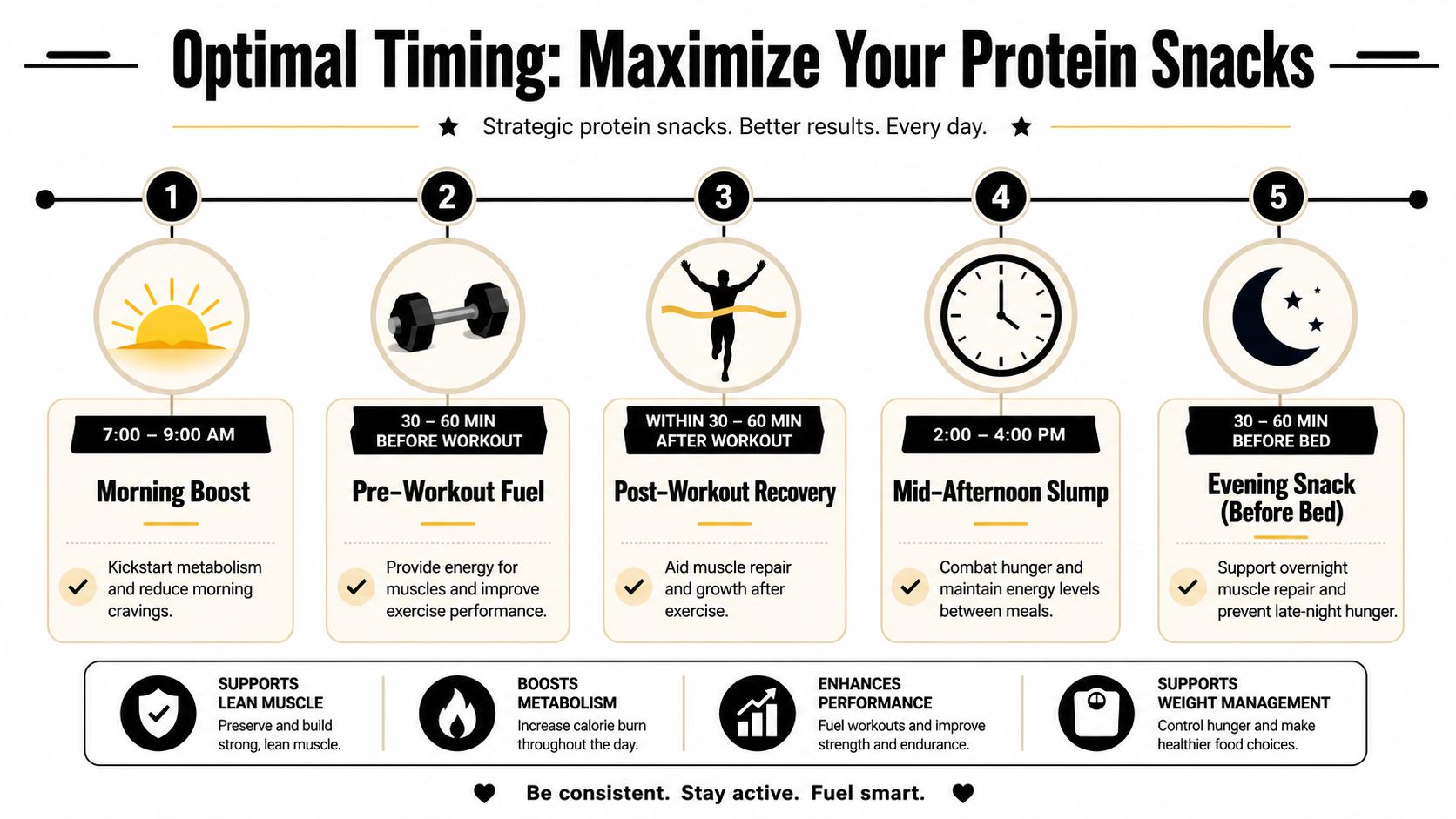
The best time to eat a protein snack depends on why you're eating it. Energy, recovery, appetite control, and convenience aren't the same goal.
What matters most is choosing the right format for the moment. Savory snacks built from legumes or pea protein tend to work especially well when you need meaningful protein in a compact serving. Beside the Mountain's dairy-free snack guide notes that crunchy formats using complementary plant proteins are often more macro-efficient than snacks based mainly on nuts and seeds, which can carry a higher calorie cost.
Before training
Pre-workout snacks should feel light enough to sit well and substantial enough to stop you from dragging. Crunchy chickpea snacks, pea-protein puffs, or a small tofu prep can work well if you have enough time to digest.
Good pre-workout snacks usually:
- Digest cleanly
- Don't feel greasy
- Give you some staying power without a sugar rush
If you train early, even a modest savory protein snack is often better than going in under-fueled.
After training
Post-workout is where convenience really matters. If you wait too long because your only option is a full meal, recovery nutrition gets delayed.
A portable non-dairy protein snack helps bridge that gap. It doesn't have to be elaborate. It just needs to be easy to eat when you're leaving the gym, getting in the car, or heading back to work.
The perfect post-workout meal is less useful than the good snack you'll actually eat on time.
Between meals
Protein snacks earn their keep. Mid-morning and mid-afternoon are classic points where people lose control of their appetite and reach for whatever's around.
Use savory protein snacks when:
- Lunch is late
- Dinner is still far off
- You want to avoid random office snacks
- You need focus, not a crash
Evening use
Night snacking gets a bad reputation, but the bigger issue is snack quality, not the clock. If evenings are when cravings hit, a protein-forward savory snack can be a smarter option than wandering through the pantry for crackers, sweets, or leftovers.
A useful rule is simple: choose a snack that solves hunger without becoming a second dinner.
Fueling Your Journey the Smart Way
The smartest snack strategy isn't about chasing trends. It's about finding foods that fit your real life and make your goals easier to hit.
For a lot of active people, that means moving beyond bars and shakes. High protein snacks non dairy can support training, appetite control, and consistency without forcing you into sweet flavors or dairy-heavy formulas. Savory formats matter because they make protein feel like snacking again, not like homework.
A good snack earns its place by doing three things. It satisfies you, it fits your digestion, and it helps your next decision go better. That's true whether you buy ready-to-eat options or make your own chickpeas, tofu, or tempeh at home.
If you're dialing in the bigger picture around training and performance, this MONFIT athletic training guide is a useful companion read.
Choose snacks the way a coach would. Look at ingredients. Respect the trade-offs. Keep taste in the equation. The more your nutrition works in everyday life, the more consistent your results become.
If you want a savory, crunchy option that was built specifically for training-focused snackers, Gym Snack is worth a look. It's a plant-based, non-dairy protein snack designed for people who are done with sweet bars and want bold flavor, solid macros, and a bag they'll be excited to open.