

You finish lunch, head to work, train after hours, and realize by 9 p.m. you are still short on calories and protein. That is the pattern that stalls weight gain for a lot of lifters. The problem usually is not effort. It is that the day runs out before intake catches up.
High-protein snacks fix that gap when they are chosen and used well. The right ones add calories without turning every meal into a chore, give you another chance to hit your protein target, and fit into the places where weight-gain plans usually break down, like the commute, the desk drawer, the post-workout window, or the hour before bed. If recovery is part of the issue too, it helps to look at the bigger picture of performance recovery solutions, not only total calories.
That does not mean grabbing random bars and hoping for the best.
A useful weight-gain snack system has a few moving parts. You need options that match your appetite, some sweet and some savory. You need pairings that make a light snack more effective, like adding fruit, milk, nuts, or yogurt when a bar alone will not be enough. You also need a plan for where each snack fits, because a post-lift bar solves a different problem than a refrigerated snack at noon or a shelf-stable option kept in your gym bag. If you want more ideas beyond this roundup, this guide to the best snacks for building muscle covers the broader strategy well.
That is the angle here. This is not just a list of products. It is a practical setup for using store-bought snacks, simple DIY add-ons, and smart timing to make weight gain more consistent without forcing huge meals every few hours.
Some snacks are cheap but low in staying power. Some taste great but cost too much to eat daily. Some have strong macros but get old fast if every option is sweet. The best choice is the one you will keep around and eat often enough to matter.
1. Gym Snack
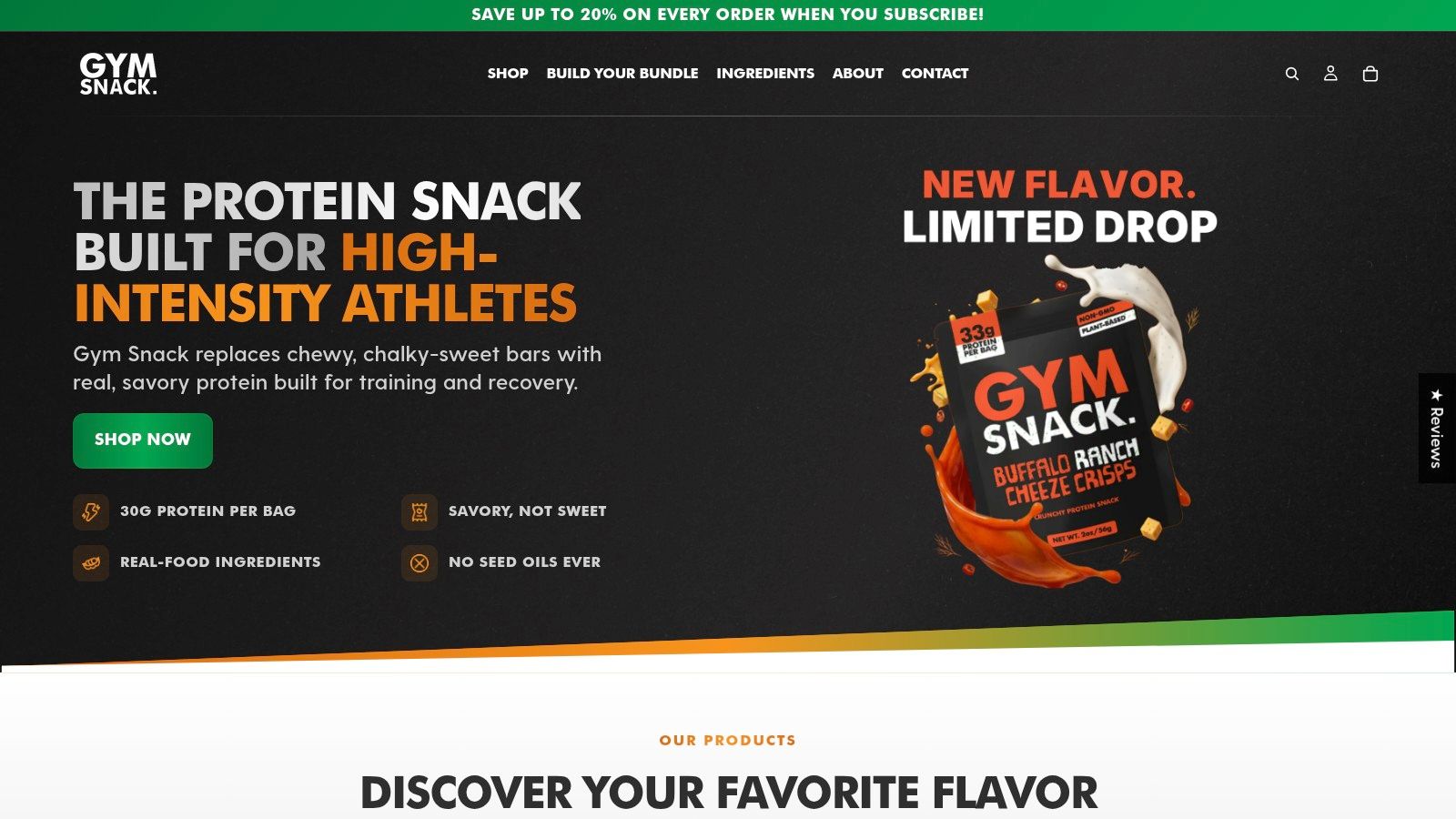
You finish training, head back to work, and the only snacks around are sweet bars or a shaker bottle you are already tired of. Gym Snack works well in that slot because it gives you a savory option with enough calories and protein to help a weight-gain plan, not just tide you over.
Each bag uses pea protein and provides 30g protein, 14g carbs, 13g fat, and about 290 calories. That puts it in a useful middle ground. It is bigger than a light snack, but not so heavy that it feels like forcing down a full meal.
Why it works for weight gain
The biggest advantage here is appetite management. People trying to gain weight often hit a wall with sweet foods. A crunchy, savory snack changes the rotation and makes it easier to keep eating consistently across the day. That matters more than perfect macros on paper.
It also fits the broader system this article is building. Gym Snack is easy to pair with calorie-dense add-ons when one bag alone is not enough. Add a banana and whole milk after training. Add hummus, trail mix, or a cheese stick during a long workday if dairy works for you. Those simple pairings turn a 290-calorie product into a real surplus tool without requiring another full meal.
For training days, timing matters. This is a better post-workout or between-meal option than a pre-lift default for a lot of people, especially if crunchy savory snacks sit heavy before exercise. If you want better timing ideas, this guide to best pre-workout snacks for muscle gain is the right place to sort out what to eat before training versus after.
Practical rule: A snack you will eat four times a week beats a “perfect” snack you keep forgetting to restock.
Real trade-offs
Gym Snack stands out because it tastes like food, not dessert. That is a real strength if you are burned out on cookies-and-cream bars. It is less useful if you want something soft, candy-like, or easy to eat in two minutes while driving.
A few points matter before you buy:
- Macro density: One bag has enough protein and calories to earn a spot in a bulk.
- Ingredient profile: It is plant-based, seed-oil-free, and free from dairy, soy, and gluten.
- Flavor variety: Cheddar Cheeze, Jalapeño Cheddar Cheeze, Everything Bagel, and Buffalo Ranch give you savory coverage that most protein snacks do not.
The cost is the main drawback. At $5.99 per bag, this is not the cheapest way to add calories. It makes more sense for people who need variety to stay consistent, or for specific use cases like the office drawer, gym bag, or commute. If budget is tight, use it strategically and rely on cheaper staples such as milk, oats, peanut butter, yogurt, or homemade trail mix for the bulk of your surplus.
The other trade-off is texture. Crunchy snacks are satisfying, but they are not always the easiest calories for people with a small appetite. In practice, I would use Gym Snack as one part of the system, not the whole system. Keep one or two bags around for the days when another sweet bar sounds awful, then pair it with an easy drink or simple side to push calories higher.
2. MET-Rx Big 100 Bars
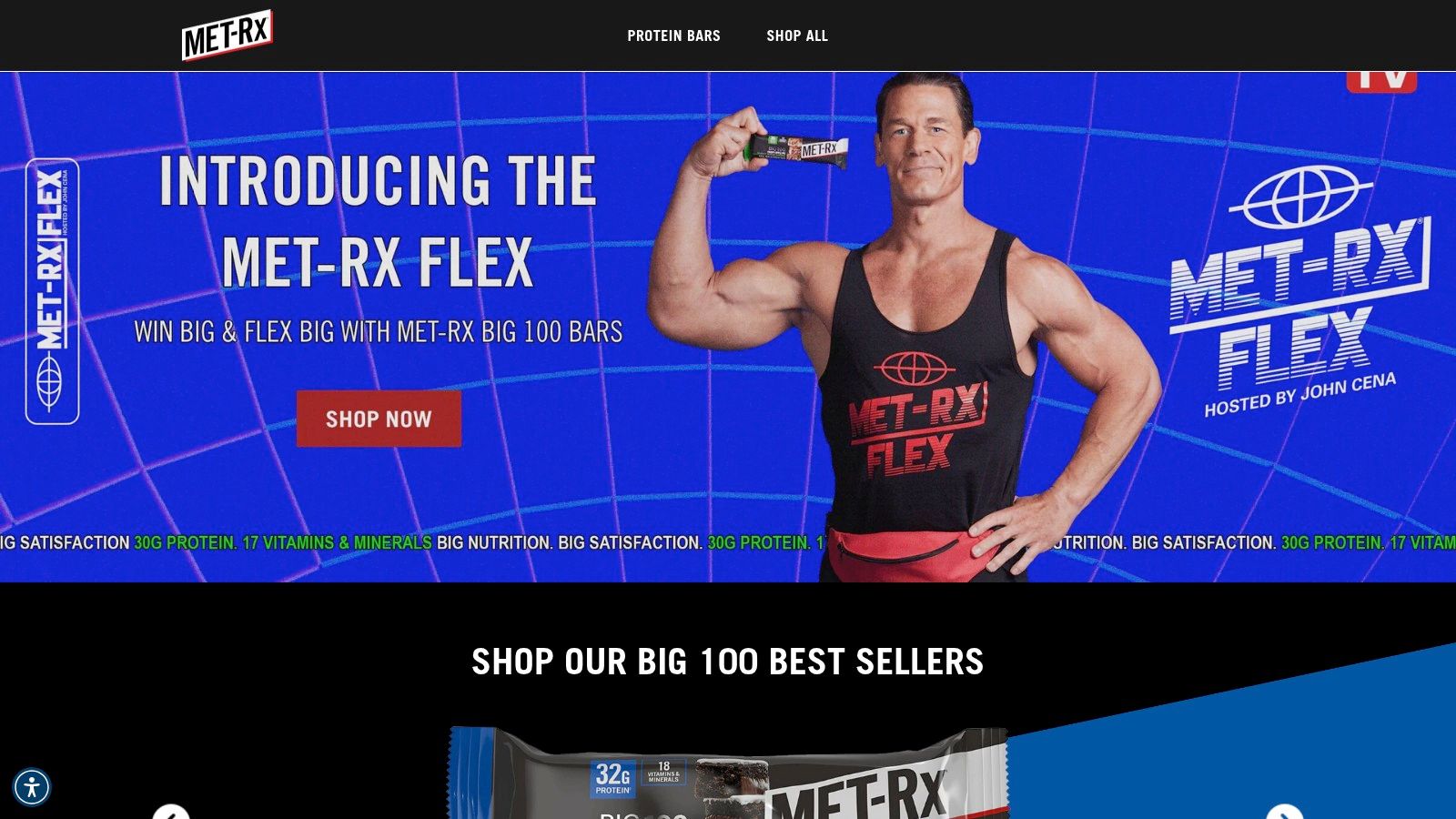
MET-Rx Big 100 Bars are the opposite of minimalist snacking. They're big, dense, and built more like a meal replacement than a light bite. For hard gainers who miss meals or spend half the day commuting, that can be exactly what works.
Depending on flavor, you're looking at 28g to 32g of protein per bar. Some flavors land around 380 calories, which means a single bar can move your daily intake in a meaningful way. You can browse current formulas on the MET-Rx website.
Best use case
This is the bar for people who say, “I just need something substantial.” It's especially useful on long workdays, after class, or on travel days when your food plan tends to collapse. If your schedule is the main reason you're not gaining, a bar like this can patch a lot of holes.
That said, don't treat it like a pre-workout default. Large bars can sit heavy, especially if you train soon after eating. If you need something before lifting, a smaller portion often works better, and this guide to best pre-workout snacks for muscle gain gives better timing context.
- What works: Big protein, big calories, easy retail availability.
- What doesn't: Very sweet flavor profile, bulky texture, and not ideal if you're already struggling with appetite.
Big bars are efficient, but they're not subtle. Use them when you need intake insurance, not when you want something light.
3. Gatorade Recover Whey Protein Bar
Gatorade Recover Whey Protein Bar works best right after training. It combines whey and milk protein with a higher-calorie, higher-carb profile, which makes it more recovery-oriented than some leaner bars. For people trying to gain weight, that extra energy can be useful instead of something to avoid.
Most flavors deliver 20g of protein per 2.8 oz bar, and calorie totals generally sit in the roughly 340 to 370 range depending on flavor. You can see the current product range on the Gatorade protein page.
Where it fits
This is one of the easiest bars to use in practical settings because it shows up in convenience stores, gyms, and team settings. That matters. A snack you can easily find after a workout often beats the “perfect” one sitting at home.
The texture and flavor are more mainstream than clinical, which helps if you're already sick of chalky products. The trade-off is ingredient fit. Some flavors include wheat, and the dairy base rules it out for vegans.
- Best for: Post-workout, team sports, and busy days when you need protein plus carbs fast.
- Skip it if: You want savory food, need dairy-free, or want something lighter before training.
4. CLIF Builders Protein Bar (Plant-Based)
You need a snack at 3 p.m., dinner is still hours away, and another dairy-heavy bar sounds miserable. CLIF Builders fits that slot well. It gives you a shelf-stable, plant-based option that feels familiar enough to use consistently, which matters more than having the cleanest label on paper.
Each bar provides 20g of plant protein. CLIF also markets the line as gluten-free and non-GMO, with flavors like Chocolate Peanut Butter and Chocolate Mint on the CLIF Builders collection page.
Where it earns a spot
This is a practical desk-drawer or gym-bag bar for people who want calories and protein without relying on whey. I see it work best as a between-meal add-on, not as a meal replacement. Pair it with fruit, a soy milk box, or a handful of nuts and it becomes part of a weight-gain system instead of a one-off snack.
That distinction matters. Gaining weight usually comes from stacking repeatable eating opportunities across the day. A bar like this helps fill the gaps, especially on workdays, commute days, or travel days when cooked food is not realistic.
Plant-based bars also solve a compliance problem. Some people feel better rotating away from dairy, while others want variety so they do not burn out on the same whey products every day. If you want more context on how vegan options support muscle gain, this guide to plant-based protein for muscle growth covers the bigger picture.
The trade-offs are straightforward. CLIF Builders is still a sweet bar, so appetite fatigue can set in if every snack tastes like dessert. It also uses soy protein, which is fine for many lifters but not everyone wants that as a staple. Cost can add up too, so I would use it strategically: keep one in your bag for missed meals, and use cheaper calorie add-ons at home.
- Strength: Easy to keep in rotation, especially if you want a plant-based bar that does not feel niche.
- Weakness: Sweet flavor profile and soy base will not suit everyone.
5. Lenny & Larry's FITZELS (Protein Pretzels)
FITZELS exists for one very specific person. That person is done with sweet bars but still needs a convenient packaged snack with real protein. If that's you, this product makes immediate sense.
Each bag delivers 20g of plant-based protein in a pretzel format, with savory flavors like Pizza Palooza and Taco Tuesday. You can find the product line through Lenny & Larry's.
The practical upside
Pretzels are easy to eat. That sounds obvious, but it matters during a bulk. Snacks that are easy to graze on often work better than dense bars when appetite is inconsistent.
FITZELS also gives you variety. A lot of people fail to gain because they get food fatigue before they run out of motivation. Crunchy, salty options help break that cycle.
When a bulk starts feeling like a dessert challenge, savory snacks usually bring appetite back.
The downside is narrower availability than bigger bar brands, and because it's wheat-based, it won't work for gluten-free eaters. But for people who want a shelf-stable savory snack with respectable protein, FITZELS fills a real gap.
6. REDCON1 MRE Bar
REDCON1 MRE Bar leans into a “real food protein blend” identity. Instead of a standard dairy-heavy bar, it uses a mix that includes beef, salmon, chicken, egg, rice, and pea. That gives it a different feel from the usual whey-first options.
Each bar delivers 20g of protein and generally falls in the roughly 220 to 260 calorie range depending on flavor and formula. You can review current options on the REDCON1 website.
Who this fits best
MRE Bar works well for lifters who hate chalky texture and don't need the biggest calorie hit possible from a snack. It feels more indulgent than “clean and clinical,” which can help compliance if you've already burned out on stricter products.
That indulgent edge is also the trade-off. If you want a performance-purist snack with a very simple ingredient story, this may feel more treat-like than ideal. And because it includes multiple animal protein sources, it's a nonstarter for vegans.
- Use it when: You want a softer bar with decent calories and a substantial texture.
- Don't rely on it when: You want savory crunch or a simple plant-based profile.
7. Perfect Snacks – Perfect Bar (refrigerated)
Perfect Bar works more like a mini meal than a classic gym snack. It's refrigerated, dense, and built around nut butters with egg and milk, so it has a more whole-food feel than many shelf-stable bars.
Many flavors come in around 330 calories per 65 g bar. That makes it useful for anyone who needs extra intake but struggles to sit down for another full meal. You can check the line on the Perfect Snacks website.
Why some people do better with it
A lot of high protein snacks to gain weight are engineered for portability first and food quality second. Perfect Bar flips that. It feels richer and more filling, which some people prefer during a bulk because it reads more like actual food.
The limitation is obvious. Refrigeration makes it less convenient than something you can forget in your gym bag all week. And since it contains egg and dairy, it won't suit vegan eaters.
If you want a desk drawer snack, this isn't it. If you want a hearty mid-morning or mid-afternoon add-on that can stand in for a small meal, it's a strong option.
7 High-Protein Snacks for Weight Gain, Comparison
| Product | 🔄 Implementation complexity | ⚡ Resource requirements | 📊 Expected outcomes | Ideal use cases | ⭐ Key advantages / 💡 Tips |
|---|---|---|---|---|---|
| Gym Snack | Ready-to-eat, portable savory crisp; no prep. | Higher unit price (~$5.99); subscribe/bundles reduce cost; shelf-stable. | 30 g per bag (~15 g/serving); high protein density for satiety/recovery. ⭐⭐⭐⭐ | On-the-go athletes, GLP‑1/weight-management, plant‑based eaters. | Savory, seed‑oil‑free, no dairy/soy/gluten; 💡Buy multi‑packs or subscribe. |
| MET‑Rx Big 100 Bars | Ready-to-eat, heavy meal-style bar; no prep. | Widely available at retailers; affordable per bar; calorie‑dense (~380 kcal). | 28–32 g protein; large calorie boost for surplus. ⭐⭐⭐⭐ | Bulking, travel, quick high-calorie convenience. | Reliable large macros and availability; 💡Avoid immediately pre‑workout if heavy. |
| Gatorade Recover Whey Protein Bar | Ready-to-eat, post-workout focused bar. | Broad retail and gym availability; ~340–370 kcal; shelf-stable. | 20 g protein + carbs for glycogen replenishment; moderate recovery effect. ⭐⭐⭐ | Immediate post-training recovery, on-site purchases (gyms/convenience). | Easy access and recovery pairing; 💡Check gluten/dairy ingredients if sensitive. |
| CLIF Builders (Plant‑Based) | Ready-to-eat plant-based bar; no prep. | Mainstream retail; moderate-to-high calories. | 20 g plant protein; supports between-meal mass gain. ⭐⭐⭐ | Vegan-friendly bulking and between‑meal snacks. | Plant-based taste and accessibility; 💡Contains soy and is sweet. |
| Lenny & Larry's FITZELS | Snack-bag grazing format; no prep. | Variable availability; wheat-based; 20 g per bag. | 20 g protein; good for grazing to add calories but less concentrated. ⭐⭐ | Savory alternative for those tired of sweet bars. | Savory, crunchy high-protein snack; 💡Not gluten-free, flavor availability varies. |
| REDCON1 MRE Bar | Ready-to-eat soft, "real food" bar; no prep. | Moderate calories (~220–260); sold online/retail. | 20 g protein; moderate calories suitable as meal-replacement. ⭐⭐⭐ | Meal-replacement, users preferring softer/candy-bar texture. | Palatable texture with mixed protein sources; 💡Contains animal proteins (not vegan). |
| Perfect Bar (refrigerated) | Refrigerated whole-food bar; consume chilled. | ~330 kcal per bar; requires refrigeration (sold in cold case). | High-calorie, satiating mini‑meal with double-digit protein. ⭐⭐⭐⭐ | Hearty mini-meal, breakfast or between meals to add substantial calories. | Whole-food ingredients and very satiating; 💡Keep refrigerated and not vegan. |
Your Action Plan: Turning Snacks Into Gains
You finish training, head home, and realize dinner is still two hours away. That gap is where a bulk often stalls. The people who gain weight consistently usually have a snack plan for those dead zones in the day, not just a list of products they bought with good intentions.
Use these snacks like tools with specific jobs. Gatorade Recover fits the post-workout window when carbs and protein are both useful. Perfect Bar works better as a small meal when breakfast was weak. A savory option like Gym Snack can help in the afternoon if sweet bars start to feel repetitive and kill appetite.
Analysts at The Business Research Company's protein snacks market report found that demand is being driven by function, convenience, and recovery use cases, not just indulgence. That matches what works in practice. Snacks help weight gain when they solve a real problem: missed meals, low appetite, limited prep time, or long gaps between eating.
Pairing matters as much as product choice. A bar on its own may add enough protein but still leave calories too low for steady gain. Add whole milk, a banana, toast, trail mix, or nut butter, and the same snack does more work without forcing a huge plate of food.
DIY options still deserve a spot in the system. Store-bought snacks save time, but homemade choices usually win on cost per serving and let you control texture and sweetness. No-bake protein balls made from oats, peanut butter, honey, and protein powder are easy to batch on Sunday and keep around for the week. If appetite is poor, make smaller portions and eat two later. If you need a heavier hit, make them larger or eat them with milk.
Here is a simple daily setup that turns this list into a routine:
- Mid-morning: Perfect Bar if breakfast was light.
- Mid-afternoon: Gym Snack or FITZELS if you want a savory break from sweet bars.
- Post-workout: Gatorade Recover for a lighter recovery snack, or MET-Rx Big 100 when total calories need to climb fast.
- Evening: DIY protein balls, or an MRE Bar if you need something portable and filling.
Keep the rotation tight. Two or three repeatable choices beat seven snacks you only eat once. In coaching and in real life, adherence usually breaks on taste fatigue, budget, or digestion long before it breaks on protein targets. Pick the options you can afford, enjoy, and can keep nearby at work, in the car, or in your gym bag.
If training has been inconsistent because of a setback, muscle loss after injury gives useful context on what happens during time off and why rebuilding takes patience more than panic eating.
If you want one clear takeaway, build a snack system instead of chasing novelty. Use one refrigerated option, one shelf-stable option, and one cheap DIY option. That mix covers convenience, calorie support, and cost control, which is what makes a weight-gain plan hold up for more than a week.