

Plant-based fitness snacks don't need to be sweet bars, shakes, or plain handfuls of nuts. The better question is whether a snack delivers protein, satiety, crunch, portability, and reliable storage without turning meal prep into a second workout. These homemade savory snacks use chickpeas, peas, seeds, tofu, seaweed, beans, and vegetables, so each one makes a different trade-off between protein density, texture, allergens, preparation time, and shelf life.
Savory snacking already fits a broad eating pattern. The global savory snacks market was valued at USD 267.7 billion in 2024 and is projected to reach USD 472.7 billion by 2034, according to market analysis of savory snack trends. Homemade versions can borrow the same appeal, especially bold seasonings and crisp textures. If you want inspiration beyond ordinary crackers, these healthy dried vegetable crisps show how dehydration can turn vegetables into portable snacks.
The recipes below are designed for real training weeks, office drawers, road trips, and plant-based meal prep. Gym Snack also gives you a useful no-cook comparison when you want a cheesy crunch without heating the oven.
1. Roasted Chickpea Crisps with Cheesy Seasoning
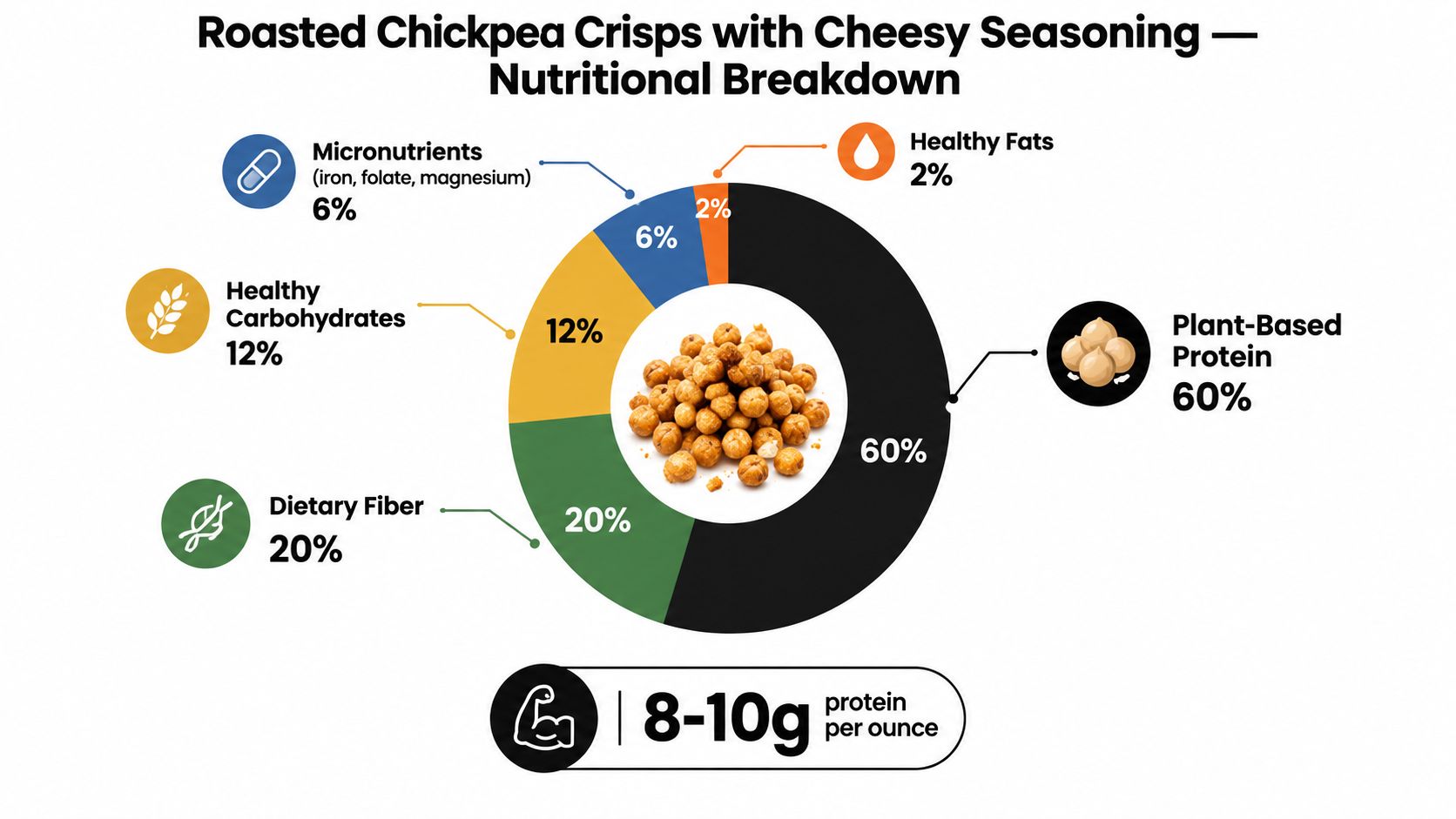
Roasted chickpeas are one of the most dependable homemade savory snacks because they combine a familiar crunch with legume-based protein and fiber. Toss drained chickpeas with a small amount of oil, garlic powder, and a cheesy plant-based seasoning such as nutritional yeast. A serving can provide 8 to 10 grams of protein per ounce, based on the recipe specification, which makes the snack more substantial than many conventional puffed snacks.
The texture depends less on seasoning than on moisture control. Drain canned chickpeas thoroughly, rinse them, and pat them completely dry with a clean towel. Any remaining surface moisture will steam in the oven instead of allowing the skins to crisp.
The technique that protects the crunch
Spread the chickpeas on parchment in a single layer. Overcrowding traps steam, so use a second tray if the beans are touching. Roast at 400°F for 25 to 35 minutes, shaking the tray halfway through. Let them cool fully before adding nutritional yeast, garlic, and any plant-based cheese flavor. Cooling gives the coating a dry surface to cling to and prevents the seasoning from becoming pasty.
Practical rule: A roasted chickpea that feels crisp while hot can soften as it cools if it was undercooked. Test the cooled texture before packing the batch.
This works well for weekly gym packs, office desk portions, or a plant-based post-workout snack. Store the cooled chickpeas in a glass container, using parchment between layers. They're best when eaten relatively soon because humidity gradually softens the exterior. The trade-off is clear: chickpea crisps offer better satiety and protein than seaweed chips, but they require careful drying and more oven time.
2. Spiced Roasted Pea Protein Snack Bites
Pea protein bites solve a different problem. Instead of relying on a whole legume as the main texture, they concentrate protein powder into a seasoned dough that can be portioned for training days. Using unflavored pea protein, nutritional yeast, garlic, cumin, and jalapeño lets you control the flavor without adding sugar. The planned serving provides 12 to 15 grams of protein, according to the recipe specification.
Mix the dry ingredients first. This simple step prevents pockets of protein powder or salt from concentrating in individual bites. Add moisture gradually until the mixture holds together without becoming wet. A short freeze makes the dough easier to portion and helps the outside firm during cooking.
Air fryer or oven
Air-frying at 350°F for 12 to 15 minutes gives the strongest exterior crunch in this format. Baking works, but the edges may brown more slowly and the interior can stay softer. Turn or shake the bites if your appliance cooks unevenly.
The biggest benefit is protein density. A few bites can fit a pre- or post-workout window when a larger snack feels inconvenient. The main drawback is texture. Pea protein can become dry or chalky if you use too much powder or too little moisture, so don't chase protein concentration at the expense of chewability.
Season with salt carefully and taste the dough before cooking. The recipe guidance suggests using 1 to 2% sea salt by weight to strengthen savory perception. Refrigerate the finished bites in a sealed container, and use them within 10 days, following the recipe specification. This option suits athletes who already keep pea protein at home, including people who want a compact snack for training or between meals.
For more ideas built around this ingredient, see these pea protein snack preparations.
3. Herb and Garlic Roasted Pumpkin Seeds
Pumpkin seeds are the simplest whole-food option in this list. They need no dough, pressing, or binding, and they bring a firm, clean crunch with 9 grams of protein per ounce, according to the recipe specification. They also provide magnesium and iron, making them useful for people who want a seed-based snack rather than another chickpea preparation.
Start with raw, unsalted pepitas so you can control the oil and seasoning. Use a light coating of olive oil, about 1 tablespoon per cup, then add garlic powder and dried herbs. Rosemary, thyme, oregano, and smoked paprika each produce a different result without changing the basic method.
Toast gently, not aggressively
Roast the seeds at 325°F for 20 to 25 minutes, stirring every five minutes. Their smaller size means they can move from toasted to bitter quickly, especially around the edges of a dark baking tray. Spread them on parchment and let them cool completely before transferring them to a jar.
Cooling prevents residual heat from creating condensation inside the container. Season while they're still slightly warm if you want the herbs to adhere more effectively, but don't seal them until they've reached room temperature.
The best pumpkin-seed snack is lightly oily, well-seasoned, and fully cooled. Extra oil doesn't create better crunch. It creates a heavier coating and can shorten the pleasant toasted texture.
Pumpkin seeds are portable and pantry-friendly, but they're not suitable for people with seed allergies. They also deliver less volume than airy crisps, so portioning matters if you tend to snack directly from the jar. For readers focused on plant-based mineral sources, this guide to iron-rich plant-based foods provides useful ingredient context.
4. Spicy Roasted Edamame with Sea Salt and Nori
Roasted edamame brings a firmer, more pronounced crunch than chickpeas and a distinctly savory umami profile from sesame oil and nori. The recipe specification assigns 11 grams of protein per ounce, making it one of the more protein-dense whole-food choices here. It also gives plant-based eaters a way to move beyond repeated cheese-style seasonings.
Frozen edamame works well, but thaw it completely and pat it very dry. This is the critical step. Wet beans soften in the oven and can remain chewy rather than crisp. Toss the beans with only 1 teaspoon sesame oil per cup, then roast at 425°F for 15 to 20 minutes until the surface is fully dry and browned.
Build the umami layer separately
Grind a quality nori sheet into a fine powder. Toasting the powder separately at 350°F for three minutes deepens its aroma, but watch it closely because thin seaweed burns easily. Add the nori and sea salt after roasting, which helps prevent clumps and keeps the flavor distributed across the beans.
The snack is practical for a desk drawer or a post-training container, but edamame creates an important allergen limitation. It's soy-based, so it doesn't suit people avoiding soy, even though it remains a plant-based protein. It also loses its best crunch faster than a very dry seed snack if packed warm.
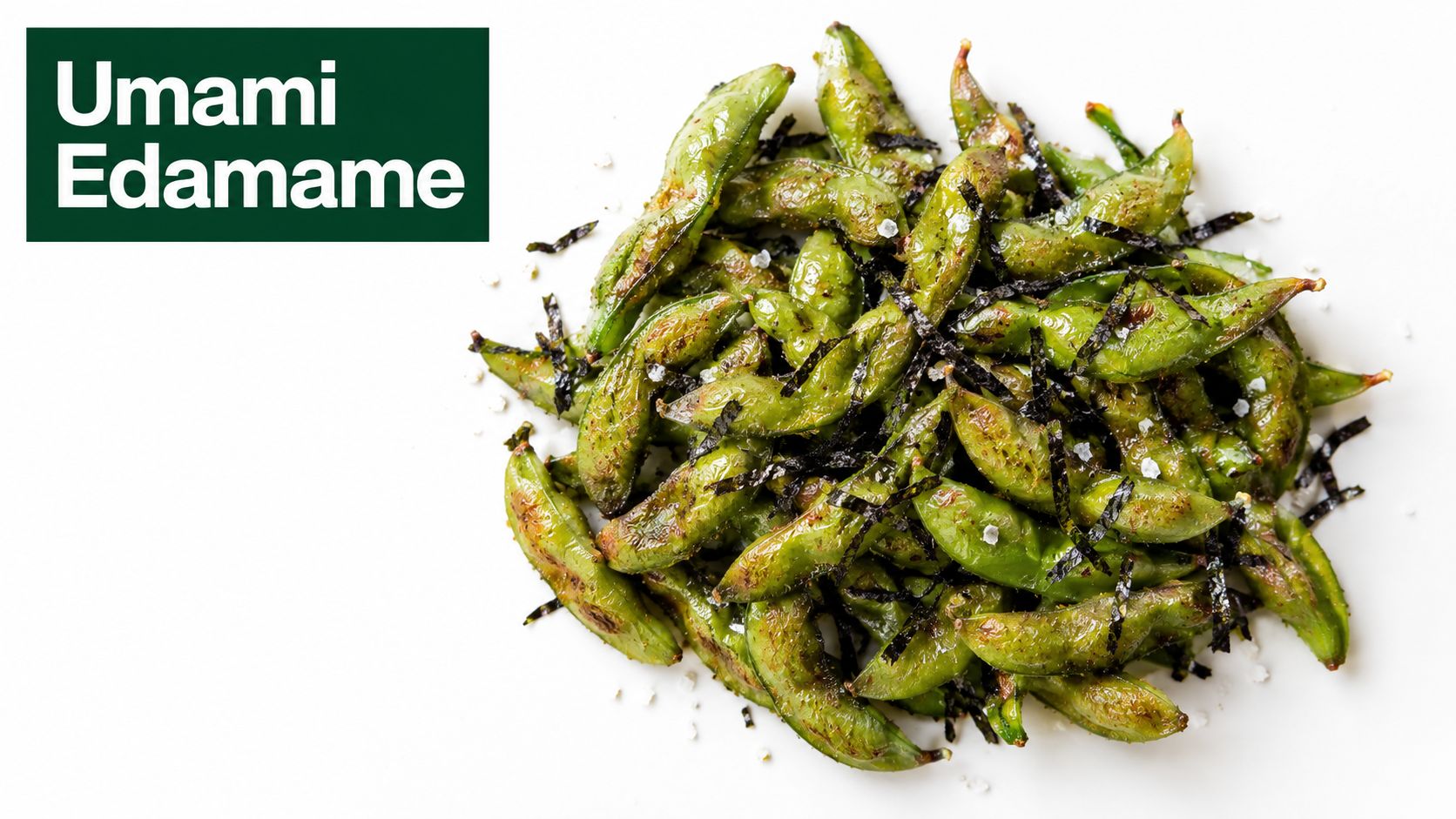
Use this recipe when bold flavor matters as much as familiarity. Jalapeño, nori, sesame, and sea salt create a more layered profile than plain roasted beans, so it can keep a snack rotation from becoming repetitive.
5. Homemade Everything Bagel Seasoning Crispy Chickpea Puffs
Everything bagel seasoning makes chickpeas taste familiar without turning them into a breakfast pastry. Sesame, poppy seed, garlic, onion, and sea salt deliver a savory profile that works particularly well with roasted whole chickpeas. The recipe specification places the protein content at 8 to 10 grams per ounce.
Whole chickpeas provide better crunch and satiety than chickpea flour in this application. Flour can produce a lighter puff, but it usually needs more careful hydration and shaping. If you want a snack that feels closer to a crunchy bagel topping, use whole beans and air-fry them at 350°F for 15 to 18 minutes, shaking halfway through.
Make the seasoning fit your diet
A homemade blend can contain 2 tablespoons sesame, 1 tablespoon poppy seed, 1 teaspoon garlic powder, 1 teaspoon onion powder, and 1 teaspoon sea salt, following the recipe specification. Making it yourself gives you control over salt and lets you omit ingredients that don't work for your household.
Add the seasoning immediately after air-frying while the chickpeas still have a slight surface tackiness. Too much oil makes the coating adhere, but it also makes the finished snack greasy and less crisp. Store the cooled chickpeas with parchment between layers.
This is a strong replacement for a morning bagel when you want crunch and savory flavor in a smaller snack format, but it won't replace a full meal by itself. Pair it with a protein-rich dip or fruit if your training session is long or your next meal is far away.
For a ready-made version of the same flavor direction, compare these plant-based protein puffs.
6. Crispy Tofu Cubes with Nutritional Yeast and Herbs
Tofu cubes are ideal when you want a soft, protein-containing center beneath a browned exterior. They're also one of the most adaptable homemade savory snacks because tofu absorbs nearly any seasoning. Nutritional yeast, garlic, dried herbs, smoked paprika, and pepper can all work without changing the basic method.
Press a 14-ounce block between towels under weight for at least 30 minutes, as specified in the recipe plan. A cast-iron skillet makes a useful weight. Cut the tofu into ½-inch cubes so the pieces develop a crisp edge without turning the center completely dry.
Layer seasoning instead of adding it all at once
Use a small amount of oil, about 2 teaspoons per block, to keep the cubes light rather than greasy. Season half before cooking and the rest after cooking. The first layer flavors the tofu as it browns, while the second keeps the herbs and nutritional yeast more noticeable.
Air-fry at 400°F for 20 to 25 minutes, shaking every five minutes. Oven baking works, but air circulation usually produces a more even crust. Let the cubes cool before storing them in a glass container with parchment between layers, and use them within five days according to the recipe specification.
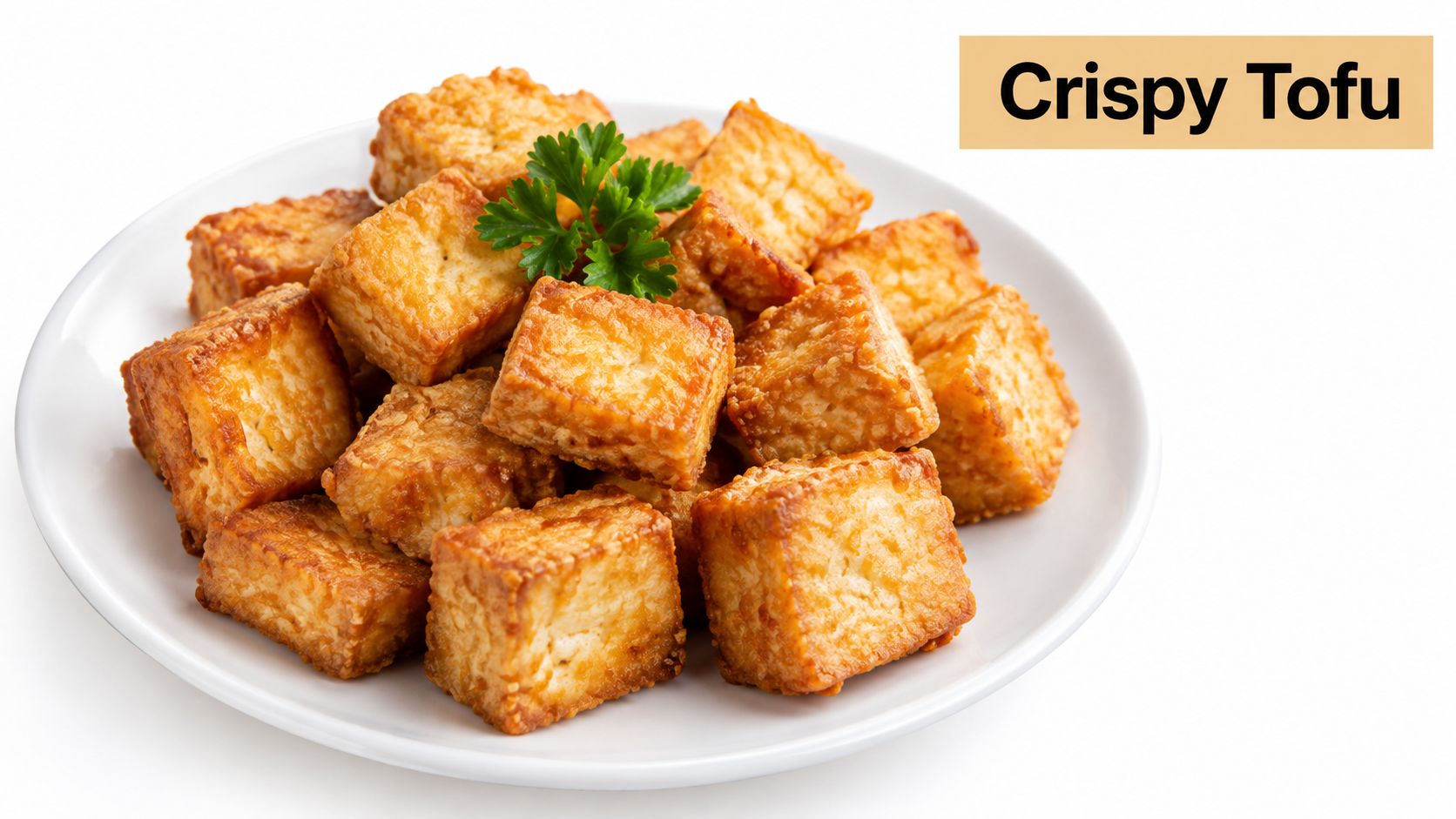
Tofu is more meal-adjacent than seaweed or crackers, but that comes with a storage compromise. Refrigeration protects the food, yet chilled tofu loses some crunch. Pack it for a commute when you can re-crisp it, or accept a chewier texture for convenience.
7. Crispy Seaweed Snack Chips with Sesame and Garlic
Seaweed chips are the fastest recipe here and the least likely to satisfy as a standalone high-protein snack. A serving provides only 2 to 3 grams of protein, according to the recipe specification, but the chips offer intense crispness and a very light, portable format. They're best used when you need something salty and crunchy, not when you need a substantial recovery snack.
Choose high-quality sushi-grade nori or dulse. Brush the sheets lightly with sesame oil and garlic, then cut them into handheld rectangles around 2 by 3 inches. Air-fry at 375°F for 8 to 10 minutes until shatteringly crisp. The sheets can burn quickly, so check them before the full cooking time.
Treat moisture as the enemy
Cool the chips fully on parchment before packing them. Residual heat inside a sealed container creates sogginess, which destroys the main reason to make this snack. An airtight glass container with a moisture-control packet can help preserve the texture, following the recipe guidance.
Seaweed also requires ingredient awareness. It can be useful for people seeking iodine-containing foods, but readers managing thyroid-related dietary concerns should consider their overall intake and personal medical guidance. Sesame is another allergen to account for.
The best role for seaweed chips is as a texture component in a broader snack system. Pair them with roasted chickpeas, pumpkin seeds, or tofu cubes when you want the brittle crunch of seaweed plus more protein and staying power. On their own, they're convenient, but they're not a meal-replacement-adjacent option.
8. Black Bean Flour Savory Crackers with Cumin and Jalapeño
These crackers offer the most familiar eating experience in the roundup. The base combines black bean flour with cassava flour, olive oil, water, cumin, jalapeño, and garlic. The recipe specification provides 5 to 6 grams of protein per ounce, enough to make the crackers more useful than standard flour-based versions while preserving a crisp, dip-friendly format.
Combine 1 cup black bean flour with ⅓ cup cassava flour. Add water one tablespoon at a time until the dough feels like pizza dough. Too much water creates a sticky mixture that takes longer to crisp, while too little produces cracks during rolling.
Roll thin for a real cracker texture
Roll the dough between parchment to ⅛-inch thickness. Even thickness matters more than perfect shapes because thicker centers stay soft while the edges darken. Cut squares before baking so you can portion the finished crackers cleanly.
Bake at 350°F for 20 to 25 minutes, until the edges darken slightly. Leave the crackers on the baking sheet until completely cool. They continue to crisp as they lose heat, and transferring them early can trap moisture in the container.
These crackers work well in a competition-prep snack kit or beside hummus, salsa, or a bean dip. They're more preparation-intensive than roasted seeds, but they offer superior ingredient flexibility. Use gluten-free flours if required, and check labels for cross-contact information. The trade-off is portability versus freshness. Crackers travel well once fully dry, but they need careful rolling and cooling to stay crisp.
9. Roasted Chickpea and Nutritional Yeast Flavor-Layered Snack Mix
Snack mix is the most flexible choice because you can adjust the texture and protein sources from batch to batch. Combine roasted chickpeas, roasted almonds, and roasted lupini beans, then coat the cooled mixture with nutritional yeast, garlic powder, and bold seasoning. The recipe specification places the protein content at 10 to 12 grams per ounce.
Don't roast every component together. Chickpeas need about 30 minutes, almonds about 15 minutes, and lupini beans about 20 minutes, following the recipe plan. Separate cooking prevents burned nuts, under-crisp chickpeas, and inconsistent moisture.
Combine only after cooling
Let each component cool completely before mixing. Warm ingredients transfer moisture to cooler ones, softening the entire batch. Once dry, toss everything in a large bowl with approximately 1 tablespoon oil per cup of total mix, then add nutritional yeast and seasoning.
Portion the mix into 1-ounce snack bags immediately. Pre-portioning makes it easier to use during workdays, travel, or between gym sessions, and it limits the tendency to eat directly from a large container. Store the bags in a cool, dry pantry rather than the refrigerator, where condensation can reduce crunch.
Almonds make the mix unsuitable for some allergy-conscious households, but pumpkin seeds provide a practical nut-free substitute. Lupini beans also require label and preparation awareness, particularly for people unfamiliar with them. This is the best recipe for flavor variety, but not necessarily the fastest. Several components mean more cleanup, even though the finished mix offers the most customizable protein and texture profile.
10. Crispy Tamari-Roasted Chickpea and Vegetable Snack Clusters
These clusters bring vegetables into a snack that still feels crunchy and hand-held. Roasted chickpeas provide the protein base, while carrots, beets, and celery root add color and a more varied bite. The recipe specification assigns 7 to 8 grams of protein per ounce.
Cut the vegetables into ¼-inch pieces and roast them at 375°F for 15 minutes before combining them with the chickpeas. This pre-roasting step removes excess moisture and prevents the vegetables from making the clusters soft. Add 2 tablespoons tamari and ¼ teaspoon sesame oil to the cooked mixture, using only enough coating to bind the flavors.
Keep the clusters loose
Form loose mounds on parchment instead of pressing the mixture tightly. Dense clusters hold moisture in the center and become chewy. After forming, dry them at 325°F for an additional 10 minutes to set the exterior and improve crispness.
Tamari adds umami, but it contains soy. Use a soy-free alternative if needed, and remember that the seasoning itself can contribute substantial saltiness. Add nutritional yeast after cooling for another savory layer without relying on extra oil.
This recipe suits families, plant-based meal preppers, and fitness professionals who want a vegetable-integrated snack rather than a plain roasted legume. The colorful pieces make it more appealing than uniform crisps, but the vegetables also shorten the ideal storage window. Pack small portions only after the clusters have cooled fully, and expect the texture to be less durable than a dry cracker or seed mix.
10-Item Homemade Savory Snacks Comparison
| Snack | 🔄 Implementation Complexity | ⚡ Resource & Efficiency | ⭐ Expected Outcomes | 💡 Ideal Use Cases | 📊 Key Advantages |
|---|---|---|---|---|---|
| Roasted Chickpea Crisps with Cheesy Seasoning | Moderate, simple 3-ingredient base but requires careful roasting control | Low-cost pantry items; oven roast 25–35 min; shelf-stable 1–2 weeks | High protein (8–10 g/oz), very crunchy, satiating (fiber+protein) | Meal-prep gym snacks, post-workout, desk portions | Protein-forward, clean-label, budget-friendly, highly customizable |
| Spiced Roasted Pea Protein Snack Bites | Moderate–High, requires powder ratios, shaping, air-fry/bake technique | Needs pea protein powder and air-fryer (350°F ~12–15 min); refrigerate up to 10 days | Very high protein density (12–15 g/serving), portable, low sugar | CrossFit/pre-post workout, macro-focused meal-prep, GLP-1 users | Macro-dense, allergen-friendly, strong satiety per serving |
| Herb and Garlic Roasted Pumpkin Seeds | Low, straightforward dry roast with attention to even toasting | Minimal oil (olive), roast 325°F 20–25 min; shelf 2–3 weeks; moderate cost | High protein (≈9 g/oz), rich in magnesium and iron, whole-food nutrient density | Endurance recovery, post-workout micronutrient boost, desk snack | Complete amino acids, micronutrient-rich, whole-food simplicity |
| Spicy Roasted Edamame with Sea Salt and Nori | Moderate, thawing/drying critical; roast at higher temp (425°F) | Requires frozen edamame and nori; roast 15–20 min; shelf 10–14 days | High protein (≈11 g/oz), umami flavor, iodine and B vitamins | Adventure-flavor seekers, Asian-fusion fitness communities, portable snack | Distinctive umami + micronutrients, competitive protein density |
| Homemade Everything Bagel Seasoning Crispy Chickpea Puffs | Moderate, air-fry/bake with multi-component seasoning | Uses chickpeas + seasoning; air-fry 15–18 min; shelf 10–14 days | High protein (8–10 g/oz), nostalgic savory profile | Familiar-flavor seekers, breakfast-replacement, influencers | Recognizable flavor, pairs with dips, broad consumer appeal |
| Crispy Tofu Cubes with Nutritional Yeast and Herbs | High, pressing (30+ min) and drying required for crispness | Needs tofu and press/time; air-fry 20–25 min; refrigerate 3–5 days | Good protein (≈8 g/oz), complete amino acids, versatile texture | Vegetarians, texture-focused meal-prep, recipe experimentation | Neutral base for flavoring, high-quality protein, texture diversity |
| Crispy Seaweed Snack Chips with Sesame and Garlic | Low, very quick prep (<10 min) and short air-fry (8–10 min) | Minimal ingredients; ultra-light, shelf 2–3 weeks; very low calories | Low protein (2–3 g/serving) but high micronutrient density (iodine, iron) | Ultra-low-calorie snacking, travel/gym bag, micronutrient topping | Fast prep, nutrient-dense minerals, highly portable |
| Black Bean Flour Savory Crackers with Cumin and Jalapeño | High, specialized flours, dough handling and rolling technique | Requires black bean & cassava flours; bake 20–25 min; shelf 2–3 weeks | Moderate protein (5–6 g/oz), cracker format for dips | Pairing with spreads, portable crunchy snack, gluten-free diets | Ingredient transparency, format versatility, satisfying crunch |
| Roasted Chickpea & Nutritional Yeast Flavor-Layered Snack Mix | High, multiple components roasted separately and combined | Multiple roasts raise prep time and cost; shelf 2–3 weeks when dry | Very high protein (10–12 g/oz), varied textures, strong satiety | Portion-controlled gym packs, macro-stacking, travel snacks | Macro-stacking for satiety, flavor/texture complexity, customizable blend |
| Crispy Tamari-Roasted Chickpea & Vegetable Clusters | High, vegetable prep, binding and drying steps are labor-intensive | Requires vegetables + tamari; multi-step roast/dry; shelf 10–14 days | Moderate protein (7–8 g/oz) with added micronutrients (beta-carotene) | Kid-friendly nutrient snacks, veggie-integrated meal-prep, parents | Vegetable inclusion increases micronutrients and visual appeal |
| Homemade Everything Bagel Seasoning Crispy Chickpea Puffs | Moderate, air-fry/bake with multi-component seasoning | Uses chickpeas + seasoning; air-fry 15–18 min; shelf 10–14 days | High protein (8–10 g/oz), nostalgic savory profile | Familiar-flavor seekers, breakfast-replacement, influencers | Recognizable flavor, pairs with dips, broad consumer appeal |
Build a Snack Rotation That Actually Gets Used
The best homemade savory snack isn't automatically the one with the highest protein figure. It's the one you'll prepare, pack, and eat at the moment your routine needs it. Choose seaweed chips for the fastest prep and lightest crunch, pea protein bites for the most concentrated protein format, pumpkin seeds for whole-food simplicity, snack mix for flavor variety, and chickpea crisps or black bean crackers when familiar crunch matters most.
Preparation method changes the result more than most seasoning choices. Roasted beans, edamame, seeds, and tofu all need enough space on the tray for air to circulate. Crackers need an even, thin roll. Clusters need a loose shape. If food enters a container while it's still warm, trapped steam will soften the texture you worked to create.
A practical batch-prep system starts with one dry roasted item and one refrigerated item. Make chickpea crisps, pumpkin seeds, crackers, or snack mix for pantry storage, then prepare tofu or pea protein bites for the refrigerator. Keep portions separate rather than storing one large batch that you'll repeatedly open. Parchment separators can reduce moisture transfer between layers, while glass containers protect delicate textures better than loosely closed bags.
Protein and fiber can make snacks more satisfying, but individual responses vary. Research on high-protein eating reports that protein-forward meals generally stimulate post-meal PYY and GLP-1 and tend to produce greater satiety than higher-carbohydrate or higher-fat options, as summarized in research on plant-based snack demand and protein formats. That doesn't guarantee appetite control for every person, and a snack still needs to fit your total meal pattern, training load, allergies, and digestion.
Use the recipes as building blocks. Pair a lower-protein seaweed snack with chickpeas or tofu. Add a dip to crackers when you need more energy. Choose seeds or bean snacks when you want ingredients you can recognize, and choose pea protein bites when your schedule makes protein density the priority. If homemade preparation isn't convenient, Gym Snack offers a no-cook alternative built around crunchy, plant-based savory protein crisps. Its publisher states that each serving provides 15 grams or more of protein, with 30 grams or more per bag, and that the products contain low saturated fat, no cholesterol, and no seed oils. Those product details are available from the Gym Snack product site.
Start with two recipes this week, portion them before your schedule gets busy, and track which textures survive your commute and which flavors you look forward to eating. For a ready-to-eat option, visit Gym Snack to explore plant-based savory protein crisps in Cheddar Cheeze and Jalapeño Cheddar Cheeze. Use them when you want bold cheesy crunch and protein-first convenience without cooking.
Gym Snack offers crunchy, plant-based savory protein crisps for training days, commutes, and between-meal snacking, with bold cheesy flavors and a formula free from dairy, soy, gluten, and seed oils. Visit Gym Snack to choose Cheddar Cheeze, Jalapeño Cheddar Cheeze, bundles, or custom packs for the moments homemade savory snacks aren't practical.