

So, what exactly is a low-carb salty snack? Put simply, these are the savory, crunchy bites you reach for when a craving hits, but without the carb load you'd find in typical junk food.
Instead of being packed with refined grains and starches, they’re built around smarter ingredients like nuts, seeds, cheese, or plant-based proteins. This simple swap makes them a much better choice for keeping your energy steady and your weight management goals on track.
Why Everyone Is Talking About Low Carb Salty Snacks
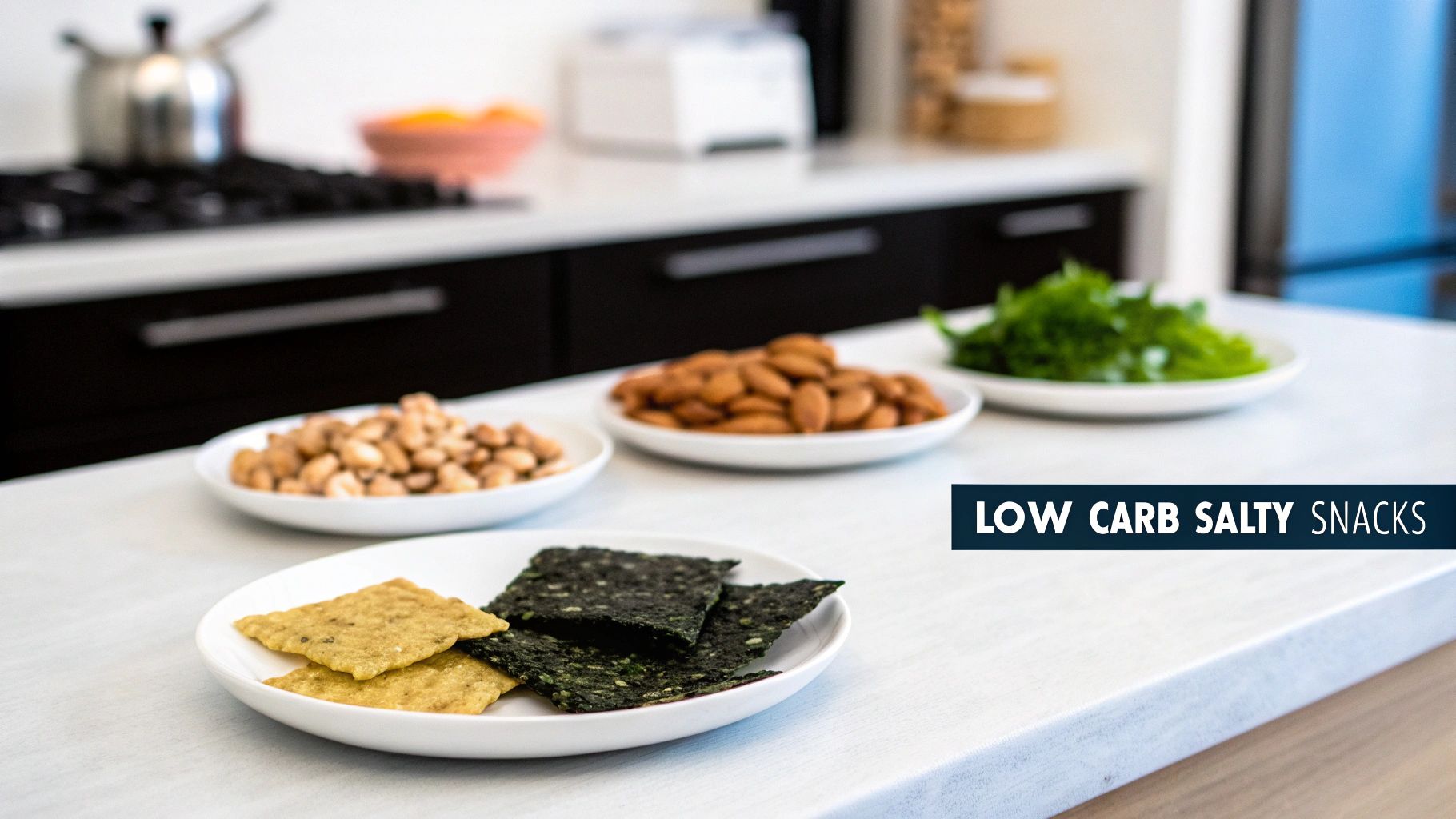
Let's be honest, the days when "snacking" automatically meant "cheating" are long gone. We're in the middle of a huge cultural shift toward more mindful eating. That has put a bright spotlight on what we eat between meals.
Suddenly, the humble snack isn't a guilty pleasure anymore. It’s a powerful tool—a strategic part of hitting our fitness and wellness goals. This isn't just some passing fad; it's a change rooted in a much deeper understanding of how food actually works in our bodies. People are looking beyond the calorie count and demanding foods that deliver sustained energy, keep them full, and fit their specific lifestyle.
The Rise of Purposeful Snacking
Think of your body like a high-performance engine. Traditional high-carb snacks—potato chips, pretzels, you name it—are like low-grade fuel. Sure, you get a quick, fiery burst of energy, but it's followed by an inevitable crash and burn.
On the other hand, low-carb salty snacks are like a premium, slow-burning fuel source. They're designed to perform differently.
- Stabilize Blood Sugar: By keeping refined carbs to a minimum, these snacks help you dodge the dramatic blood sugar spikes and drops that tank your energy and bring on more cravings.
- Promote Satiety: They're typically rich in protein and healthy fats, which are key to feeling full and satisfied for much longer. This makes it way easier to avoid overeating at your next meal.
- Support Fitness Goals: For anyone who's active or regularly hits the gym, high-protein options are non-negotiable for muscle repair and growth.
This shift isn't just anecdotal. The global savory snacks market is on track to hit an incredible USD 472.7 billion by 2034, and a big reason for that is this consumer push for healthier options. In fact, recent surveys show 47% of US consumers are actively trying to cut back on carbs in their snacks. You can explore more about these trends on Gminsights.com.
As more people demand better-for-you snacks, innovative brands are stepping up. Companies like Gym Snack are completely changing the game with plant-based, high-protein options that don't compromise on clean ingredients, flavor, or that satisfying crunch.
Ready to dive in? This guide will walk you through everything you need to know.
The Science of Staying Full: Why Protein and Fat Win
Ever found yourself at the bottom of a chip bag, only to be raiding the pantry again an hour later? That’s the classic carb-crash scenario. Most popular snacks are loaded with refined carbohydrates, which are like kindling for your metabolism—they burn up fast and leave you feeling empty and looking for more.
Protein and healthy fats, the building blocks of a great low-carb salty snack, are a completely different story. Think of them as the slow-burning logs on the fire. They provide a steady, sustained release of energy that keeps you feeling satisfied for hours. No more energy rollercoasters.
This isn’t just a feeling; it's pure biology. When you eat protein and fat, your body releases hormones that signal to your brain, “Hey, we’re fueled up down here. You can stop looking for food.”
The Hormonal Advantage of Protein and Fat
The two major players here are a pair of hormones called Peptide YY (PYY) and cholecystokinin (CCK). And when it comes to getting them to do their job, science shows that protein is the most powerful tool in your arsenal.
- Protein Power: Your body actually burns more calories just digesting protein than it does for carbs or fat. This little metabolic boost, combined with the hormonal "I'm full" signals, is a one-two punch for appetite control.
- Healthy Fat Function: Fats also play a crucial role by physically slowing down how quickly food leaves your stomach. This process, called gastric emptying, literally keeps you feeling fuller for longer and pushes back those hunger pangs.
When you're bringing healthy fats into your own kitchen, it helps to know which oils work best. If you’re making your own low-carb snacks, understanding the healthiest oil for deep frying can make a real difference in sticking to your goals.
The science is clear: a snack rich in protein and fat does more than just fill an empty stomach. It actively works with your body's hormonal systems to regulate hunger, stabilize blood sugar, and crush cravings before they even start.
This hormonal teamwork is the secret weapon that makes these snacks so effective, whether you’re a dedicated gym-goer or just trying to manage your weight. The sustained energy is perfect for powering through a workout, and the protein is essential for muscle repair afterward. For everyone else, that lasting feeling of fullness is a game-changer, making it so much easier to stay on track without feeling deprived.
If you want to dive deeper, you can learn more about how to stay full longer in our dedicated guide. Choosing snacks based on this science turns snacking from a potential problem into a strategic tool for your health.
How to Decode Snack Labels Like an Expert
Stepping into the snack aisle can feel like navigating a minefield of misleading health claims and confusing numbers. But once you know what you’re looking for, you can cut through the noise and confidently pick a winner every time. Honestly, learning to read a nutrition label is the single most powerful skill you can have for finding genuinely healthy low carb salty snacks.
The real trick is to ignore the flashy marketing on the front of the bag and flip it over to get to the truth: the nutrition panel and the ingredients list.
Finding Your True Carb Count
Your first mission is to figure out the difference between total carbohydrates and net carbohydrates. Why? Because net carbs are what actually affect your blood sugar and energy levels in the way we're trying to manage.
Think of it this way:
Net Carbs = Total Carbs - Fiber
This simple little formula is a game-changer. A snack might look high in total carbs at first glance, but if a good chunk of that is fiber, the actual impact (the net carbs) could be surprisingly low. That makes it a solid choice for a low-carb lifestyle.
What to Look for on the Label
Once you've got the net carbs sorted, the next thing to check is the protein. A snack that's going to actually crush your hunger and help with your fitness goals needs a decent amount of protein—it's just not optional.
A good rule of thumb is to look for snacks with at least 15 grams of protein per serving. That's a solid amount that will help you feel full and support muscle repair and growth, especially after a workout.
Next up, give the ingredients list a quick scan. The best snacks usually have short, simple lists with ingredients you can actually recognize and pronounce. Be on the lookout for a few common troublemakers trying to hide in there:
- Hidden Sugars: These often go by sneaky names like dextrose, maltodextrin, or high-fructose corn syrup. If you see them high up on the list, it's a red flag.
- Cheap Seed Oils: Try to avoid snacks fried or made with highly processed oils like soybean, corn, canola, or sunflower oil.
- Artificial Junk: Steer clear of long chemical names, artificial colors, and fake flavors. Whole foods don't need them.
Decoding the Snack Label: Low Carb vs. High Carb
To make this even clearer, here's a quick cheat sheet for what to look for—and what to run from—when you're comparing snack labels.
| Nutrient/Ingredient | What to Look For (Ideal Low Carb Snack) | What to Avoid (Typical High Carb Snack) |
|---|---|---|
| Net Carbs | 5g or less per serving | 15g+ per serving |
| Protein | 15g or more per serving | Minimal protein (often less than 5g) |
| Fiber | High fiber content to lower net carbs | Low fiber content |
| Sugars | 0-2g of total sugars | High in added sugars (corn syrup, dextrose, etc.) |
| Ingredients List | Short, recognizable, whole-food ingredients | Long list with artificial additives and preservatives |
| Fats | Healthy fats from sources like nuts, seeds, avocado | Processed seed oils (canola, soybean, corn) |
This simple comparison can help you make a smarter choice in seconds, without getting bogged down by the marketing hype.
A Market That's Finally Catching On
The good news is that people are wising up, and the market is starting to reflect that. Savory snacks are a huge part of the global USD 569.2 billion snack market, and consumer habits are changing fast.
Right now, 56% of US snackers are actively trying to eat more protein, while 47% are trying to cut back on carbs. This shift is fueling a boom in high-protein, low-carb options that actually taste good. The days of cardboard-like "health" snacks are numbered.
This simple chart breaks down the decision-making process for when hunger really strikes.
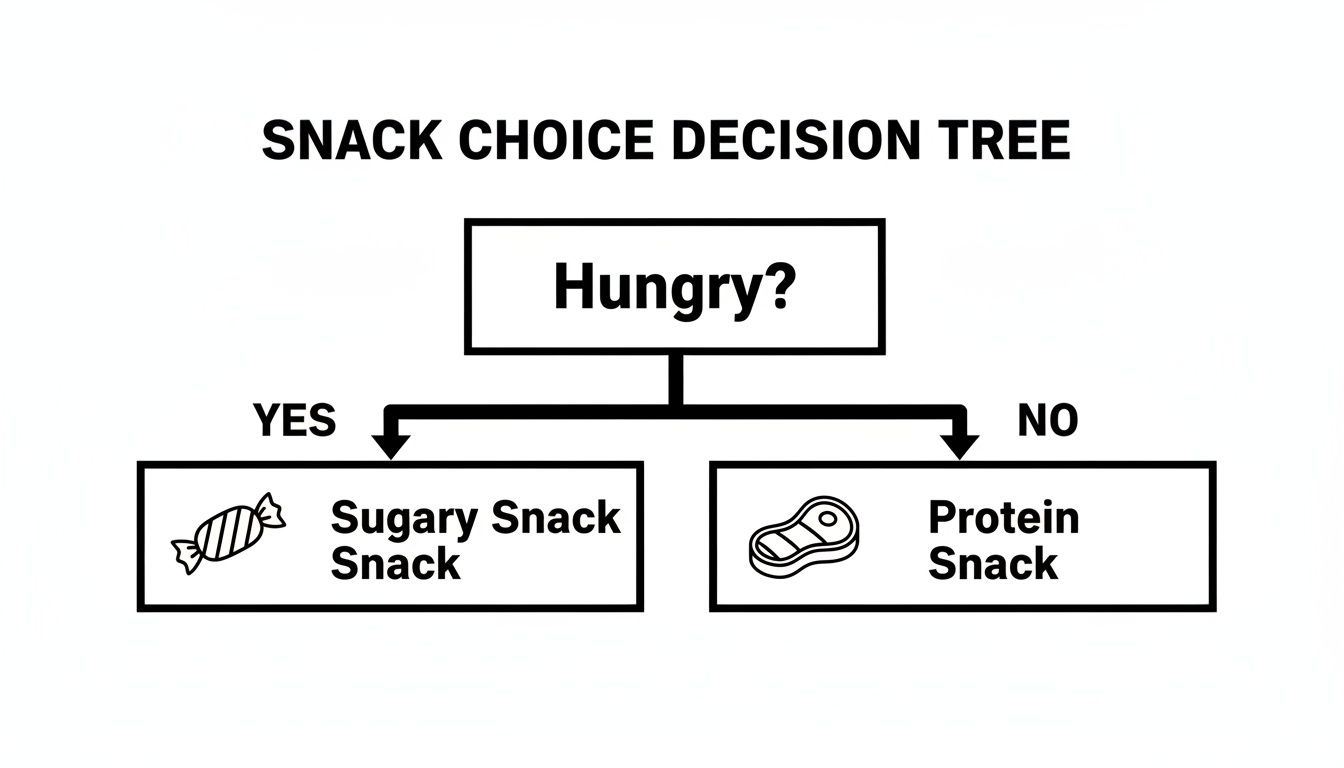
As you can see, when you're genuinely hungry, reaching for protein is the way to go for lasting energy and fullness. If you want to get even better at this, you can check out our detailed guide on how to read nutrition labels.
The Best Store-Bought Low Carb Salty Snacks
Let's be honest, navigating the snack aisle can feel like a minefield. But things are definitely looking up. As more of us demand healthier options, the grocery store shelves are finally starting to reflect what we actually want: convenient, delicious snacks that don't derail our goals.
This isn't just a fleeting trend—it's a massive shift in how we eat. People are actively looking for savory, satisfying snacks that pack a nutritional punch. In fact, a recent report noted that 47% of consumers are consciously cutting back on carbs. This has blown the market wide open, with projections showing it rocketing from USD 138.4 billion in 2025 to an incredible USD 239.6 billion by 2035. You can read the full breakdown of this market shift on OMRGlobal.com. For us, it just means more high-quality, grab-and-go options than ever before.
So, where should you look?
Plant-Based Protein Crisps
If you're looking for a serious protein hit without the dairy or soy, plant-based crisps are a game-changer. These are usually made with pea protein, which is fantastic because it gives you the complete amino acid profile your muscles need to repair and grow. You get that amazing crunch of a regular chip but with macros that actually work for you.
When you're scanning the labels, aim for brands that offer 15g+ of protein per serving and skip the inflammatory seed oils. Not only will they fuel your fitness, but that pea protein also delivers a nice little bonus of iron.
Cheese Crisps
It doesn't get much simpler—or more satisfying—than this. Cheese crisps are often made from just one single ingredient: cheese. They're baked into crunchy, golden little discs of goodness, making them a naturally zero-carb snack loaded with protein and calcium. They are incredibly versatile; I love them for dipping, crumbling over a salad for extra crunch, or just eating straight out of the bag.
My pro tip? Go for crisps made from high-quality, flavorful cheeses like Parmesan or aged cheddar. This way, you get the best taste and a clean ingredient list without any weird fillers or starches trying to sneak in.
Nuts and Seeds
An oldie but a goodie. Nuts and seeds are true nutritional powerhouses, packed with healthy fats, fiber, and a solid dose of protein. Almonds, walnuts, and macadamia nuts are fantastic low-carb choices. Walnuts are a particular favorite of mine for their brain-boosting omega-3 fatty acids.
- Mindful Portioning: This is key. It's so easy to overdo it. Look for pre-portioned packs to keep yourself in check. A one-ounce serving, or about a small handful, is usually the sweet spot to kill hunger without racking up calories.
- Flavor Savvy: Stick to raw or dry-roasted versions. You want to avoid the sugary coatings and excessive salt to keep them in the "healthy" category.
Seaweed Snacks and High-Fiber Crackers
Don't sleep on the lighter options! Roasted seaweed snacks give you that salty, savory fix for barely any calories or carbs, and they're packed with minerals like iodine.
If you need something with a bit more substance, look for high-fiber crackers made from seeds like flax or chia. They're the perfect vehicle for a slice of cheese or a smear of avocado, and all that fiber does wonders for keeping you feeling full between meals.
Finding that perfect crunchy snack can be a total game-changer. For an even deeper look at our top picks, check out our guide on high-protein, low-carb chips.
Whip Up Your Own Low Carb Salty Snacks at Home
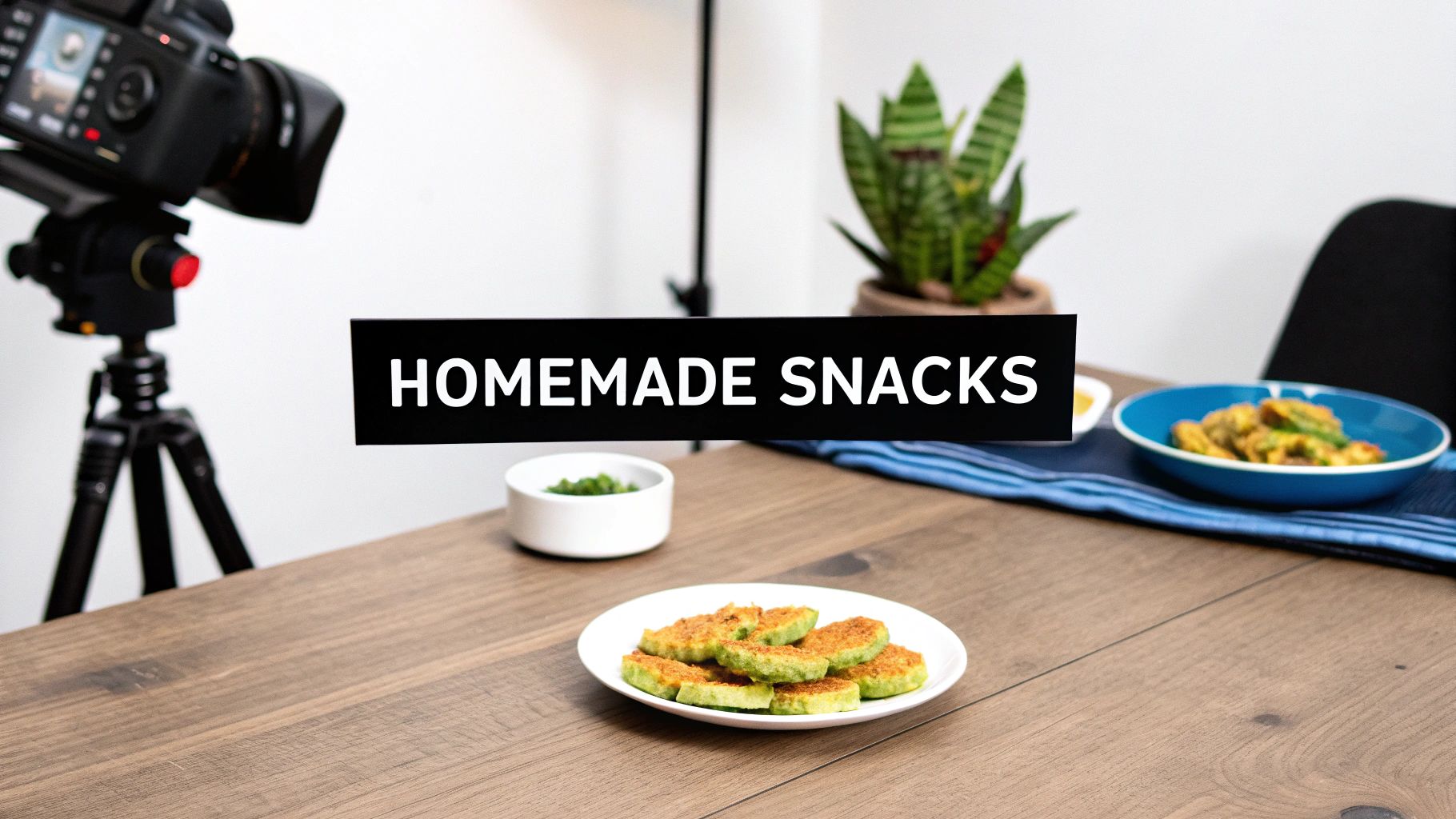
While grabbing a pre-packaged snack is undeniably convenient, making your own at home puts you in the driver's seat. You get total control over every single ingredient—no hidden sugars, weird oils, or excessive sodium. Plus, it's often way easier on your wallet.
You don't have to be a master chef to create something incredible. These recipes are proof that with just a few simple ingredients and minimal prep, you can have delicious, satisfying snacks ready to go.
Everything Bagel Seasoning Cheese Crisps
This recipe is so simple it feels like a cheat code. With just two ingredients, you can make an addictively crunchy, protein-packed crisp that beats potato chips any day.
- What you'll need: 1 cup of shredded Parmesan or cheddar cheese and 1-2 tablespoons of Everything Bagel Seasoning.
-
How to make them:
- Get your oven preheating to 400°F (200°C) and line a baking sheet with parchment paper.
- Drop tablespoon-sized piles of shredded cheese onto the sheet, giving them a little space to spread out.
- Give each cheese pile a generous sprinkle of the seasoning.
- Bake for about 5-7 minutes. You're looking for bubbly cheese and golden-brown edges.
- Let them cool completely on the pan. This is the magic step where they transform into perfectly snappy crisps.
Spicy Roasted Almonds
Plain almonds are good, but a little spice and heat can turn them into a snack you truly crave. This is a perfect recipe to make a big batch of on a Sunday to have on hand all week.
When you make your own seasoned nuts, you control the salt levels and completely avoid the unhealthy seed oils often lurking in store-bought versions. It’s a simple swap that makes a huge nutritional impact.
- What you'll need: 2 cups of raw almonds, 1 tablespoon of avocado or olive oil, 1 teaspoon of smoked paprika, ½ teaspoon of garlic powder, ¼ teaspoon of cayenne pepper (or more if you like it hot), and ½ teaspoon of sea salt.
-
How to make them:
- Preheat your oven to 350°F (175°C).
- In a medium bowl, toss the almonds with the oil and all the seasonings until they're evenly coated.
- Spread the coated almonds in a single layer on a baking sheet.
- Roast for 10-12 minutes, giving them a good stir halfway through, until they're fragrant and toasted.
- Let them cool down completely before you stash them in an airtight container.
Baked Avocado Fries
Ready to rethink what a "fry" can be? Here, we're swapping starchy potatoes for creamy, nutrient-packed avocado. Baking gives them a fantastic texture—a firm, crunchy outside with a soft, warm center.
- What you'll need: 2 firm avocados, ½ cup of almond flour, 1 teaspoon of garlic powder, ½ teaspoon of salt, ¼ teaspoon of black pepper, and 2 beaten eggs.
-
How to make them:
- Set your oven to 425°F (220°C). Place a wire rack on top of a baking sheet to help the fries get crispy all over.
- Slice each avocado into thick, fry-like wedges.
- Set up your breading station: in one shallow dish, mix the almond flour and seasonings; in another, pour the beaten eggs.
- Dip each avocado wedge first into the egg wash, then dredge it through the almond flour mix until it's fully coated.
- Arrange the coated "fries" on the wire rack and bake for 15-20 minutes, or until they're golden and crispy. Serve them right away with your favorite low-carb dipping sauce.
How to Time Your Snacks for Maximum Benefit
When it comes to snacking, when you eat is just as important as what you eat. Nailing the timing can turn your low carb salty snacks from a simple way to curb hunger into a strategic tool for boosting your energy, fueling your workouts, and supporting your metabolic health.
Think of it like a pit stop in a race. A well-timed stop gets you refueled and back on the track without losing momentum. A poorly timed one? It just slows you down.
Properly timed snacks are your secret weapon against that dreaded afternoon slump. By giving your body a steady stream of quality fuel, you can sidestep the energy spikes and crashes that come with sugary, high-carb options. This keeps your focus sharp and your metabolism running smoothly all day long.
Pre-Workout Fuel
What you eat before you hit the gym can make or break your session. Grabbing a high-protein, low-carb snack about 30-60 minutes before your workout is the sweet spot.
This gives your body just enough time to start breaking down the nutrients. The protein provides the amino acids your muscles need to prevent breakdown during exercise, while healthy fats offer a slow, sustained burn of energy to get you through that last set.
A handful of almonds, some crunchy cheese crisps, or a plant-based option like Gym Snack will give you that perfect fuel-up without weighing you down. You want your body primed for performance, not bogged down digesting a heavy meal.
Post-Workout Recovery
The clock starts ticking the second you finish your workout. That post-exercise window is absolutely crucial for recovery. Aim to get a protein-rich snack in your system within about an hour of finishing your cool-down.
This is when your muscles are screaming for nutrients to repair and rebuild. Protein is the non-negotiable hero here.
A snack with at least 15-20 grams of protein will help speed up muscle repair, cut down on soreness, and support real growth. And the moderate amount of salt in a savory snack isn't just for taste—it helps replace the essential electrolytes you lost through sweat.
Timing your snacks this way turns them into a strategic asset. A well-placed snack not only prevents overeating at your next meal but also ensures your body has the right fuel at the right time to meet your health and fitness goals.
Got Questions About Low-Carb Salty Snacks? Let's Clear Things Up.
Diving into the world of low-carb salty snacks can feel like a new frontier. When you're trying to make smarter choices, a few questions are bound to pop up. Let's get them answered so you can snack with confidence.
Are All Salty Snacks Total Sodium Bombs?
Not anymore. While your mind might jump to greasy potato chips packed with salt, the new wave of low-carb snacks is different. Many brands now focus on building incredible flavor with herbs, spices, and other natural seasonings instead of just dumping on the salt.
Your best tool here is the nutrition label. A good rule of thumb is to aim for snacks with under 200mg of sodium per serving. This gives you that savory kick you're after without derailing your health goals. And of course, making your own snacks at home puts you in the driver's seat for sodium control.
Do I Have to Go Full Keto to Eat These Snacks?
Absolutely not. Think of it this way: choosing snacks that are lower in processed carbs and higher in protein is a win for just about everyone. It’s a simple strategy for better energy, appetite control, and avoiding those dreaded blood sugar crashes.
You don't need a "keto" label to benefit from a smarter, more satisfying snack. These options fit beautifully into any mindful eating approach, whether your goal is weight management or just fueling your body better.
The real goal is to choose snacks that keep you full and energized, not just ones that fit a specific diet's rules. Protein and fiber are key players for anyone, regardless of their carb targets.
Is Plant-Based Protein Actually as Good as Whey for the Gym?
It sure is. High-quality plant proteins are powerhouses for muscle repair and growth. Complete proteins, like the kind you find in pea protein, deliver all the essential amino acids your body needs to bounce back after a tough workout.
Plus, they bring their own unique advantages to the table. Pea protein, for instance, is a great source of iron and is naturally free from common allergens like dairy and soy. For a lot of people, that makes it much easier to digest. At the end of the day, what really matters is getting a solid dose of protein in your snack, no matter where it comes from.
Ready to crush your cravings with a snack that actually works for you? Gym Snack delivers over 15g of clean, plant-based protein in every crunchy, cheesy serving. Find your new favorite fuel at https://gymsnack.com.