
You want a bar that tastes good enough to eat on repeat, but still fits how you train and eat. That usually means the store-bought aisle gets frustrating fast. One bar is basically candy with protein dust. Another has a decent ingredient list but doesn't keep you full. A third looks promising until you bite into something dry, sticky, or weirdly dense.
That's why peanut butter and honey oat bars have stayed in my meal prep rotation. They're simple, they travel well, and they let you control the parts that matter most: sweetness, texture, and protein. If you're trying to simplify meal prep, this is the kind of recipe that pulls real weight because it works as a pre-workout bite, an afternoon snack, or a backup option when you don't have time to cook.
The key is treating them like fuel, not just a “healthy treat.” Good bars need a solid binder, enough chew, and a macro profile that makes sense for your day. Once you get the base right, you can push them in a more performance-focused direction without ruining the texture.
The Search for the Perfect Homemade Energy Bar
Many find themselves turning to homemade bars after getting burned by packaged ones. You buy something labeled “energy” or “protein,” throw it in your gym bag, and realize it's either too sweet before training or not satisfying enough afterward. That gap is exactly where peanut butter and honey oat bars shine.
They solve a very specific problem. You need something portable, easy to batch, and built from ingredients you recognize. Oats bring body and chew. Peanut butter gives richness and staying power. Honey helps bind everything while adding sweetness that doesn't taste artificial.
Homemade bars work best when they solve a real eating moment, not when they try to imitate candy.
I like this style of bar because it's flexible. You can keep it simple for everyday snacking, or you can push it toward a more macro-aware version if your training volume is higher. Either way, you're not guessing what's inside. You're deciding how sweet, how dense, and how filling the final bar should be.
That control matters more than people think. Once you've made a reliable batch, you stop relying on random convenience food and start keeping something on hand that matches your goals.
The Foundational Peanut Butter and Honey Oat Bar Recipe
A good base recipe has to do one thing first. It has to hold together. Flavor tweaks come later.
A standard homemade version of peanut butter and honey oat bars yields exactly 16 bars from 1/2 cup honey, 1/3 cup peanut butter, 2 cups oats, and 1/2 cup honey roasted peanuts, with approximately 175 Calories per bar. The baking method uses 300°F for 20 to 25 minutes according to this Peanut Butter and Honey Oat Bars recipe reference.
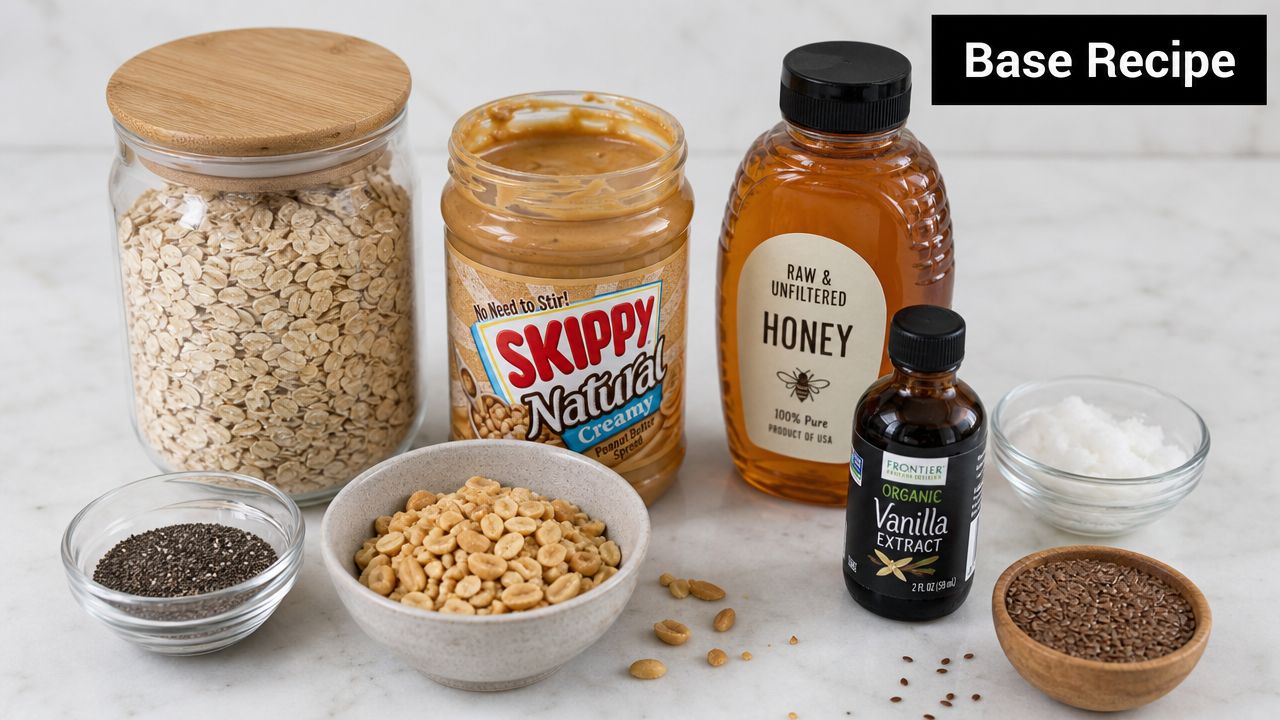
The Ingredients That Actually Matter
This recipe is short, but each ingredient does a job.
- Oats give the bars structure. Old-fashioned oats usually give the best chew and keep the bars from turning pasty.
- Peanut butter is the main binder and fat source. It also makes the bars feel more satisfying instead of dry.
- Honey adds sweetness and helps glue the mixture together.
- Honey roasted peanuts add crunch and keep the bars from feeling one-note.
If you want bars that cut cleanly, the binder has to coat the oats evenly. That's where technique matters more than people expect.
The Mixing Method That Prevents Crumbling
The most important move is warming the peanut butter and honey before mixing. For peanut butter and honey oat bars, warming them in the microwave for 30 to 60 seconds helps create a runny mixture that binds the oats more effectively, based on this method guide for PB oat bars. If your peanut butter is unsalted, add 1/2 tsp kosher salt after heating.
Don't just stir lazily for a few seconds and call it done. Mix until every oat looks lightly coated. That's what gives you a bar that bakes into one slab instead of a pan of loose granola.
Practical rule: If the peanut butter and honey aren't fluid enough to pour and spread through the oats, they're not ready.
Once mixed, transfer everything to a lined pan and press firmly. This step is mechanical, not decorative. Use the back of a spoon, a spatula, or the bottom of a measuring cup. Compact bars hold better, slice better, and eat better.
Bake, Cool, Then Cut
Bake at 300°F for 20 to 25 minutes until the top looks lightly browned. Don't chase deep color. These bars can go from pleasantly toasted to too dry if you leave them in too long.
If you want a visual walkthrough before your first batch, this demo is useful:
After baking, let the slab cool in the pan. Then lift it out and cut into bars. If you rush this part, the bars won't have time to firm up.
What Works and What Doesn't
Here's the simple version from repeated meal prep:
| Approach | What happens |
|---|---|
| Warm binder first | Oats coat evenly and press into a uniform slab |
| Press mixture firmly | Bars slice cleaner and hold shape better |
| Bake until lightly browned | Texture stays chewy with a bit of structure |
| Under-mix the binder | You get dry pockets and uneven sweetness |
| Skip firm pressing | Bars break at the edges and shed crumbs |
| Overbake | The center loses chew and the bars eat dry |
These are humble ingredients, but the method decides whether they come out snack-worthy or disappointing. Nail the binder, compact the pan, and don't overbake. That's the foundation everything else depends on.
How to Boost Protein for Peak Performance
The base recipe is solid, but it isn't automatically a high-protein snack. If you train regularly, that's the first place I'd upgrade it.
The most practical route is plant-based pea protein. It blends more naturally into this style of bar than people expect, especially when you respect the moisture balance. According to this nutrition analysis of peanut butter oatmeal bars, incorporating 15 to 20g of plant-based pea protein per serving can increase satiety hormone signaling through GLP-1 and PYY by up to 30% without altering firmness.
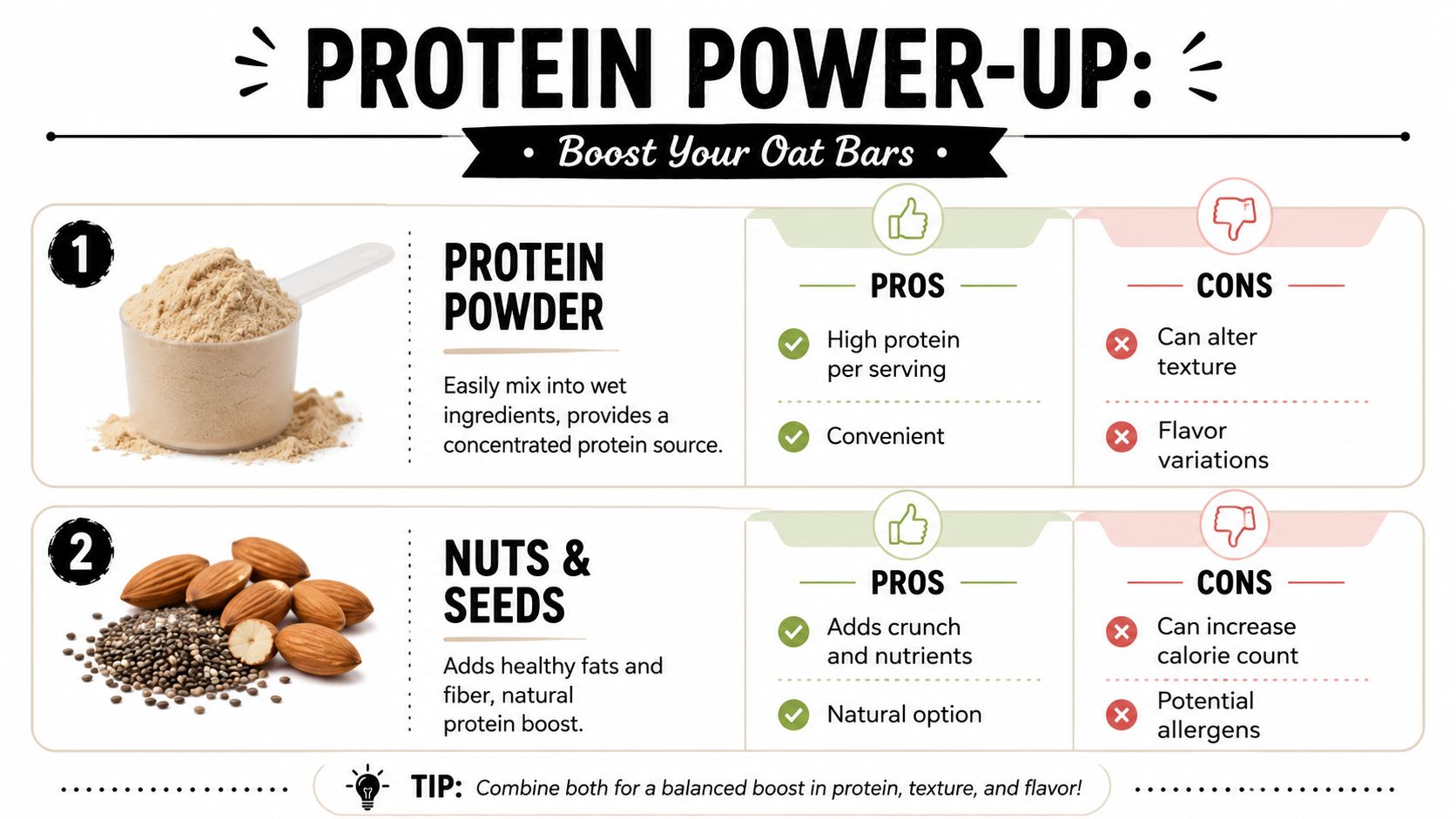
How to Add Protein Without Wrecking Texture
Most homemade “protein bar” recipes typically falter. People dump powder into the bowl, keep the liquid the same, and end up with bars that taste dusty.
Use this sequence instead:
- Whisk the pea protein into the oats first. That spreads it out before the sticky ingredients hit.
- Warm the peanut butter and honey until loose. A thicker protein-heavy mixture needs a binder that flows.
- Adjust by feel. If the mixture looks stiff and crumbly, add a small amount more peanut butter or honey until it presses together cleanly.
- Press even more firmly than usual. Protein powders absorb moisture and can leave weak spots if the slab isn't compacted well.
Pea protein works best when the bars still feel like oat bars first. You're aiming for a chewy bar with more staying power, not a compressed puck.
Why the Extra Protein Helps
Extra protein changes more than the label. It shifts how satisfying the bar feels between meals and after training. That's useful if you're trying to avoid the cycle of eating a sweet snack and getting hungry again too soon.
If you do endurance sessions and want to think more carefully about timing your fuel, this Everti guide for pre-race fuel is a worthwhile read because it helps frame when a lighter carb-focused snack makes more sense and when a more balanced bar fits better.
For a broader look at building up your daily intake beyond one recipe, Gym Snack also has a practical article on how to increase protein intake.
A better protein bar doesn't just have more protein. It still needs to chew well, slice well, and feel like food.
Protein Powder Versus Whole-Food Add-Ins
If you don't want to use powder, chopped nuts and seeds can help. The trade-off is simple. They boost texture and add some protein, but they also change the calorie density faster than pea protein does.
So the choice depends on your goal:
- Use pea protein if macros are the priority.
- Use seeds or extra nuts if you want crunch and a more natural-style ingredient list.
- Use both carefully if you're building a denser post-workout bar and don't mind a richer result.
Macros Nutrition and Smart Meal Prep Storage
For macro planning, it helps to look at these bars in two layers. First, the simple homemade base. Second, what a more performance-oriented version can look like once you start adjusting ingredients.
A similar oat bar variant has 210 Calories per 70g serving, with a macro split of 45% carbohydrates, 37% fat, and 18% protein, and it provides 16% of the Daily Value for protein plus 21% of the Daily Value for fiber, according to this oat bar nutrition breakdown. That's useful because it shows why this family of bars can feel more filling than sugary snack bars. The fiber and fat profile both matter for satiety.
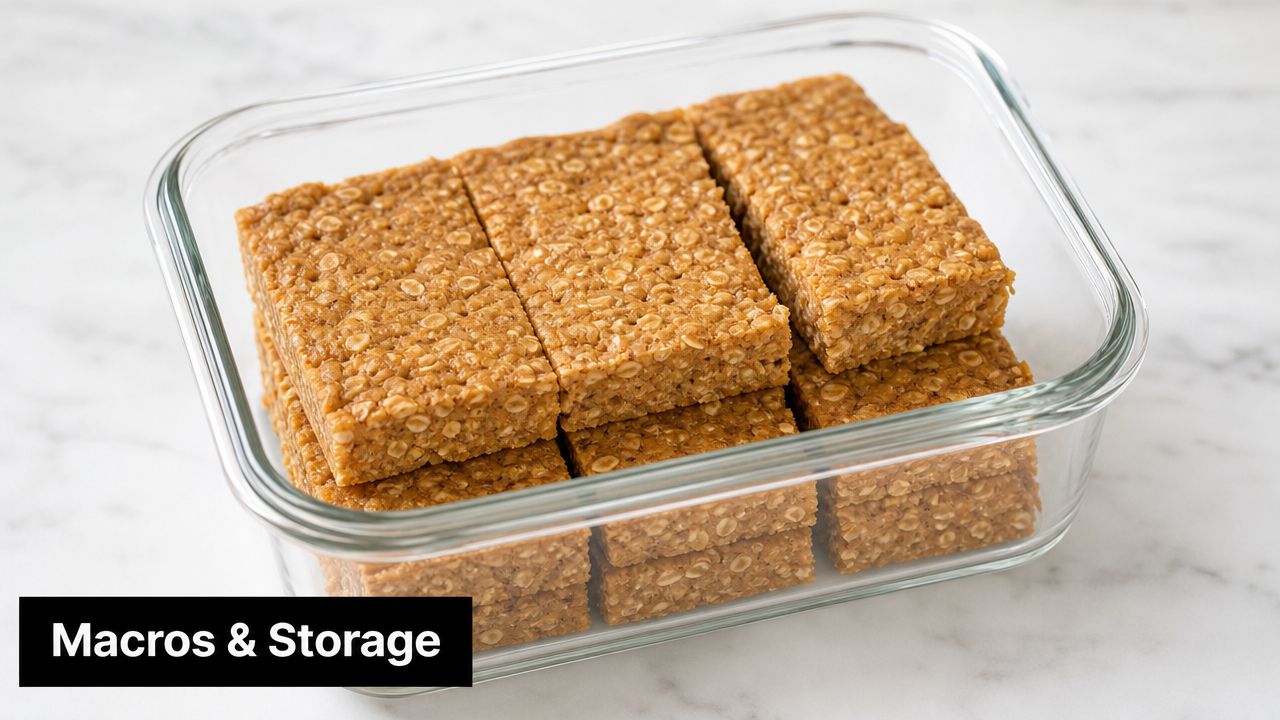
How I Think About the Macros
These bars are usually best as a balanced snack, not a pure protein tool. Oats bring the carb side. Peanut butter drives much of the fat. If you add pea protein, you can pull the recipe closer to what many gym-goers want after training without losing the texture that makes it worth eating.
That balance makes them versatile:
- Before training, a smaller portion can work when you want easy energy without a heavy meal.
- After training, a protein-boosted bar makes more sense because it's more recovery-friendly.
- During a busy workday, the fat and fiber help stretch fullness longer than a low-fat sweet snack usually does.
Storage That Keeps Them Worth Eating
Meal prep only works if the bars still taste good a few days later. Texture is the first thing to protect.
I recommend this routine:
- Cool fully before storing. Any trapped warmth creates moisture and softens the edges.
- Wrap individually if you want grab-and-go convenience. Parchment keeps them from sticking to each other.
- Use a sealed container in the fridge if your kitchen runs warm or your bars are on the softer side.
- Freeze extras in a single layer first, then transfer once firm. That keeps them from fusing together.
Keep the bars in portions you'll actually grab. A well-made batch is only useful if it's easy to eat on the way out the door.
For a broader system around weekly food prep, this guide on how to meal prep for muscle gain is helpful because it puts snacks like these into a bigger plan instead of treating them like a standalone fix.
Best Uses During the Week
| Situation | Best version |
|---|---|
| Fast breakfast add-on | Standard bar with fruit or yogurt |
| Afternoon work snack | Base bar or nut-heavy variation |
| Post-lift option | Protein-boosted version |
| Travel or commute | Individually wrapped chilled bars |
The smart move is matching the bar to the moment. That's what turns a recipe into a reliable part of your week.
Easy Swaps and Flavor Variations
Once the base recipe is reliable, you can start bending it to fit your preferences without losing what makes it work.
Swaps That Usually Hold Up Well
A few ingredient changes are easy if you respect the same general structure.
- For a dairy-free and vegan-style direction, swap honey for maple syrup. The flavor changes slightly, and the bars may feel a bit softer, so press the mixture firmly.
- For a nut-free version, use sunflower seed butter. If you're cooking for a true allergy, choose ingredients made in a nut-free facility.
- For different oat texture, quick oats create a softer, more compact bar, while old-fashioned oats keep more chew.
- For a less sweet bar, reduce sweet add-ins and let the peanut flavor do more of the work.
If you like seasonal snack ideas and presentation inspiration, these festive treats from IFM Gourmet are a fun reminder that simple pantry ingredients can still feel a little special.
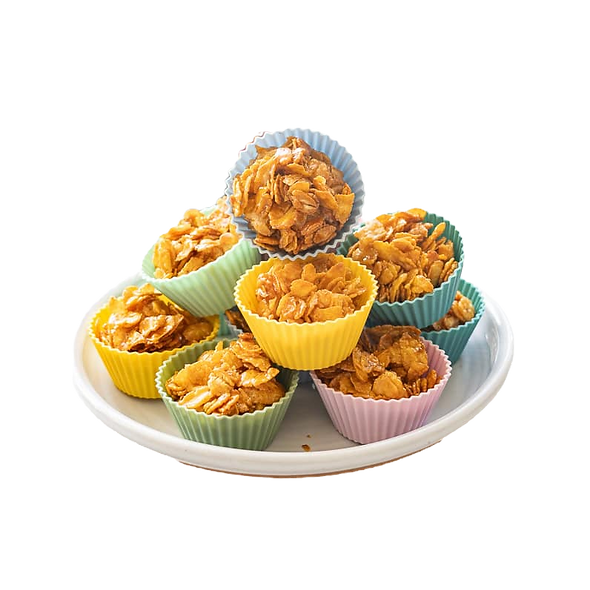
Flavor Add-Ins That Make Sense
I'd keep the add-ins practical. Too many mix-ins make the bars harder to slice and easier to break.
Good options include:
- Cinnamon for warmth without extra sweetness
- Mini chocolate chips if you want a more dessert-like finish
- Shredded coconut for chew and a slightly richer bite
- Dried cranberries or raisins for a fruitier version
- Vanilla extract for a rounder flavor
- Chia or flax if you want more texture and a slightly heartier feel
There's also room to lean more heavily into peanut flavor. If that's your thing, this Gym Snack article about the peanut butter bar profile is worth a read because it shows how much range that flavor has.
The best variation is usually the one that changes one thing, not five. Keep the structure stable and tweak the accents.
Troubleshooting Why Your Bars Fall Apart
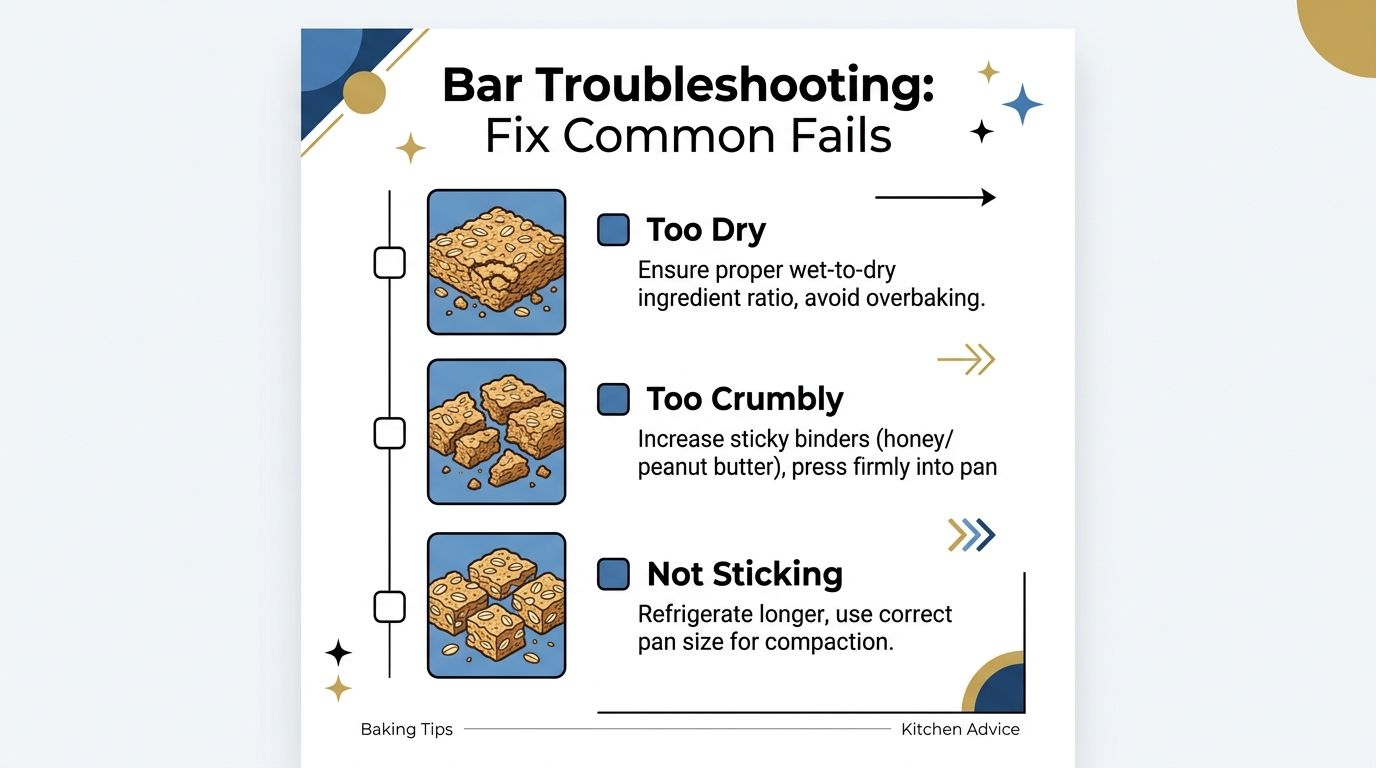
Most failed peanut butter and honey oat bars come down to one of three issues. The binder wasn't fluid enough, the mixture wasn't pressed firmly enough, or the bars were cut before they had time to set.
That last one matters more than people think. According to this 3-ingredient bar method reference, cutting at 15 minutes after baking leads to 50% crumble incidence, while waiting until 25 minutes reduces crumbling to under 5%.
If the Bars Are Too Crumbly
Start with the obvious question. Did the mixture look dry before it went into the pan? If yes, the oats likely weren't coated well enough.
Fixes that usually work:
- Warm the binder longer next time so it loosens and spreads evenly.
- Mix more thoroughly after combining.
- Press harder into the pan than you think you need to.
- Wait for full cooling before slicing.
Crumbly bars often aren't a recipe failure. They're a compression and patience problem.
If the Bars Are Too Dry
Dry bars usually come from one of two mistakes. Either the bars baked too long, or the protein add-ins pulled in more moisture than the recipe could support.
Use this quick diagnosis table:
| Problem | Likely cause | Best fix |
|---|---|---|
| Dry center | Overbaking | Pull the bars earlier next batch |
| Dry, chalky bite | Too much protein powder | Increase binder slightly |
| Fragile edges | Loose packing | Compress the pan more firmly |
If the Bars Are Sticky or Won't Set
This is the opposite problem. Too much wet ingredient or not enough setting time leaves you with bars that bend instead of hold.
Try these adjustments:
- Let them cool completely before judging texture.
- Chill the pan if the bars still feel soft after cooling.
- Check your pan size. A larger pan spreads the mixture thinner and can make bars feel looser.
- Don't overload with syrupy mix-ins. They can push the texture past the point of clean slicing.
A bar that falls apart is usually fixable. The method just needs tightening up.
The upside is that these are easy mistakes to correct. Once you dial in your binder consistency, pressing pressure, and cooling time, the recipe becomes dependable enough for weekly prep instead of occasional guesswork.
If you want a ready-to-grab option alongside your homemade prep, Gym Snack makes chef-inspired, plant-based savory protein snacks built around pea protein, with bold flavor and a macro-friendly profile that fits training days, busy workdays, and everything in between.