

You're standing in front of a shelf full of plant based protein bars. Every wrapper says some version of high protein, clean ingredients, gut friendly, low sugar, athlete approved. Then you flip the bar over and find a label packed with syrups, chicory root, isolates, gums, and enough sweetness to taste like a melted candy bar.
That frustration is valid. Consumers don't need another roundup of trendy bars. They need a way to tell, in under a minute, whether a bar fits their goal, their stomach, and their training.
I look at these bars the same way I look at any sports nutrition product. Not as a health halo food, and not as junk by default. A protein bar is a tool. Some are useful. Some are expensive candy with added protein. The difference shows up on the label.
Why Most Plant-Based Protein Bars Disappoint
A lot of bars fail before you even open the wrapper. They are built to win on taste and front-label claims, not to match a real nutrition goal.
I see the same mistake all the time in active clients and lifters shopping for convenience food. They treat protein grams as the whole decision. A bar can still miss the mark if the formula is heavy on added sugars, packed with low-tolerance fibers, or so light on staying power that hunger rebounds an hour later. If you want a faster way to screen that out, this guide to protein bar nutrition facts and label basics gives a useful starting point.
What usually goes wrong
A disappointing bar usually has one or more of these problems:
- Protein is the headline, not the full picture. The wrapper sells high protein, but the bar does little for fullness, recovery, or steady energy.
- It is formulated like a dessert. Syrups, coatings, and sweet flavor systems can push a bar closer to candy than sports nutrition.
- Texture gets sacrificed. Some vegan bars are chalky or dry because the protein blend is hard to work with. Others are sticky enough to feel like taffy.
- Digestion becomes the trade-off. Sugar alcohols, chicory root, gums, and dense fiber blends can be rough on the gut, especially before training or during a busy workday.
Practical rule: A good bar should match the job. Hitting a protein target alone is not enough.
The category keeps growing, according to Fortune Business Insights on the plant-based bars market. More options should help. In real shopping conditions, more options often create more confusion because different bars are built for very different uses.
The core shopping problem is fit.
A bar that works after a lifting session may be too sweet, too low in fiber, or too bulky for a mid-afternoon snack. A bar that keeps you full at your desk may sit poorly before a run. Some people also hit flavor fatigue fast. If every option tastes like brownie batter or cookie dough, compliance drops, and savory protein snacks start to make a lot more sense.
That is the filter that improves this whole category. Stop asking which bar is best in general. Start asking which bar fits your goal, your digestion, and the time you plan to eat it.
Decoding the Protein Bar Nutrition Label
A plant based protein bar is built like a recipe puzzle. Protein source, sweeteners and binders, and the fat-fiber balance all shape how it tastes, how it digests, and whether you'll want to buy it again.
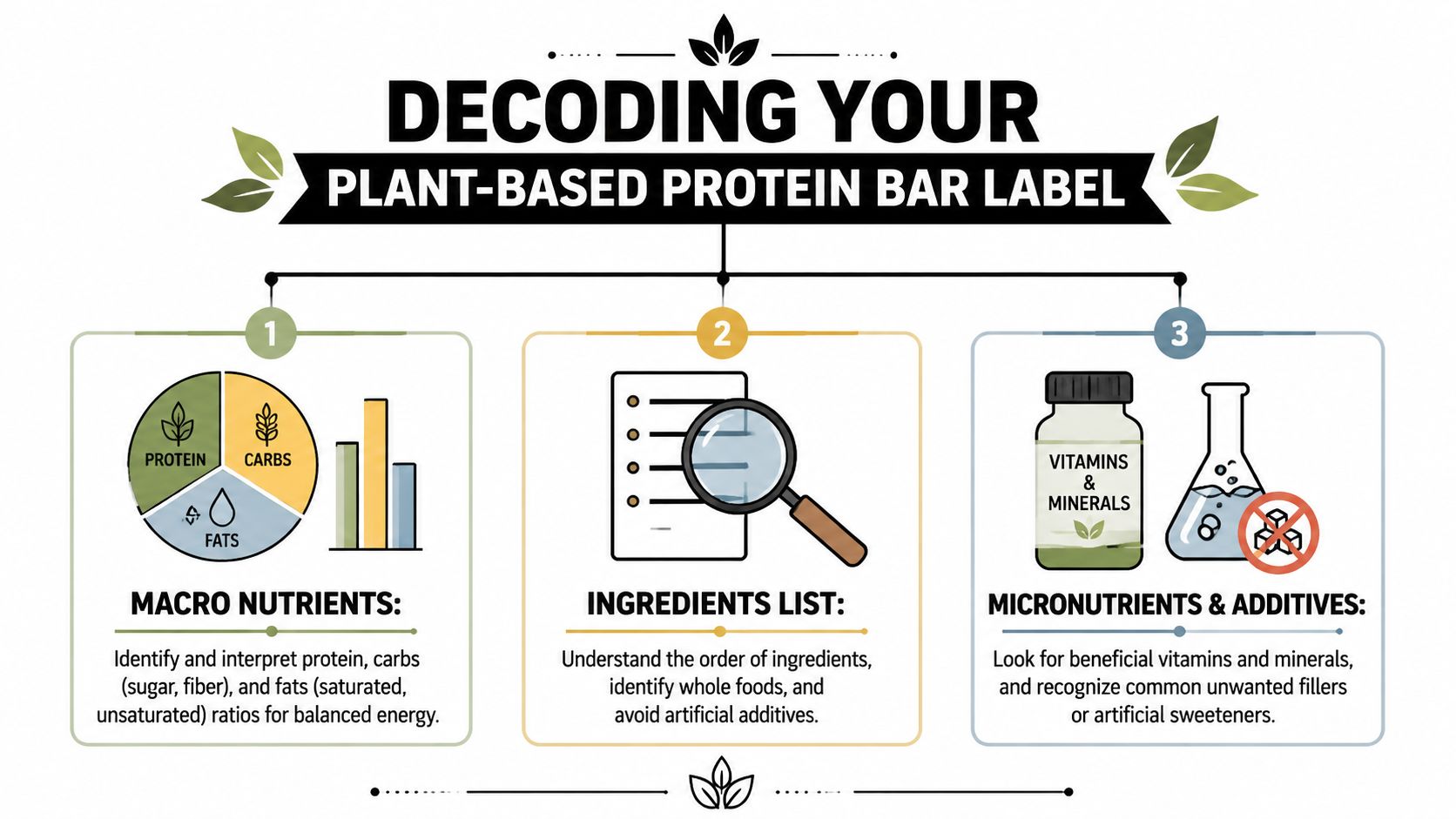
Protein sources
Start with the protein blend. Texture, chew, and digestibility begin with it.
Research on high-protein bars found that wheat, hemp, and pumpkin proteins created much higher viscosity than sources like pea or soy, which directly affects chewiness and density in the finished bar, according to this study on protein sources in high-protein bars. That lines up with what most lifters notice in real life. Some bars feel smooth and easy to eat. Others feel compact and dry even when the macros look similar.
Here's the practical read:
- Pea protein often works well in bars that aim for a softer bite.
- Soy protein tends to be more performance-oriented and is common in bars that want a stronger protein profile.
- Hemp, pumpkin, and wheat proteins can contribute a denser, firmer texture.
- Blends usually perform better than single-source formulas when a brand is trying to balance texture and amino acid profile.
If you want a deeper breakdown of what numbers on the back panel mean, this guide to protein bar nutrition facts is useful alongside the label in your hand.
Sweeteners and binders
Bars frequently disappoint me concerning this.
Many brands chase a candy-like taste, so they lean hard on syrups, sugar alcohols, or a stack of sweeteners plus binding agents. A bar can look clean from the front and still be highly engineered from the back. That doesn't automatically make it bad, but it does mean you should ask a simple question: Does the sweetness level match the reason I'm eating this?
Look for the trade-off:
| Label clue | What it usually means in practice |
|---|---|
| Sugar high in the ingredients list | Sweeter taste, easier overconsumption, less useful for steady satiety |
| Long list of syrups and binders | Better shelf stability, but often a more processed feel |
| Heavy sweetness in a “healthy” bar | Easier compliance for some people, sweet fatigue for others |
If the first bite tastes like dessert and the second bite feels like work, the formula probably prioritized flavor imitation over daily usefulness.
Fats and fiber
This is the part many shoppers skip, and it's often the part that predicts whether the bar will keep you full.
Fiber slows things down. Fat improves texture and can help with satiety. Too little of either, and a high-protein bar can still leave you hunting for food soon after. Too much added fiber from isolated sources, and some people get gas, cramping, or that heavy, overfull feeling.
When I assess a bar quickly, I don't ask only “How much protein?” I ask:
- Is there enough fiber to make this filling?
- Does the fat source support texture without making the bar greasy or heavy?
- Does the ingredient list look like food, or like the brand fought the formula into submission?
That's usually enough to separate a useful snack from a bar that just photographs well.
How to Choose a Bar for Your Fitness Goal
You finish a hard lift, grab a bar from your bag, take two bites, and realize you picked the wrong tool. It is too sweet for post-workout, too low in carbs to help recovery, or so packed with fibers and sweeteners that your stomach feels worse than your legs. That is why "healthy" is not a useful buying standard.
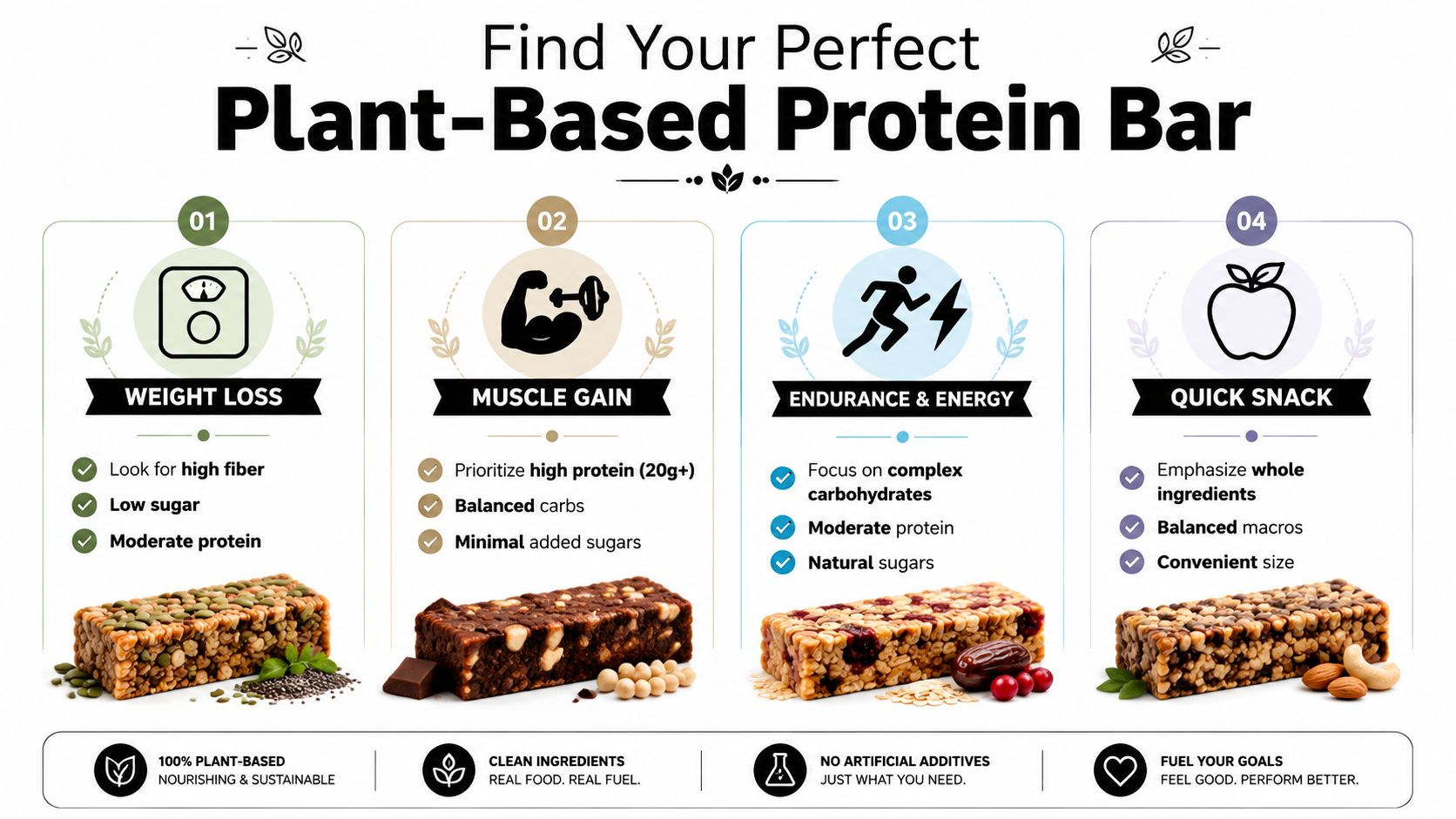
The right bar depends on the job. Muscle gain, appetite control, and digestive comfort call for different formulas. If you know how to read the label, you can judge any bar on the shelf instead of relying on whatever claim is printed on the front.
For muscle building
For lifters, the bar needs to do more than hit a protein number. It should give you enough protein to matter, enough carbohydrate to make it useful around training, and a texture that is easy to eat when you are short on time.
In practice, bars built with soy protein or a mixed plant protein blend often do a better job here than bars built around collagen-style texture and marketing language. If you want a better sense of what separates stronger formulas from dairy-based options, this guide to protein bars without whey protein is a useful reference point.
Look for:
- A meaningful protein serving that fits your daily intake target
- Moderate carbs if the bar is replacing a small recovery snack
- A formula you digest well after training
- An easy bite. Dense bars sound filling, but many are just tedious
Watch out for bars that are extremely dry, aggressively sweet, or loaded with sugar alcohols. Those are common reasons a bar looks good on paper and performs poorly in real life.
For weight management and satiety
A fat-loss bar should buy you time until the next meal. It should not trigger a snack spiral an hour later.
Protein matters, but fullness usually comes from the combination of protein, fiber, volume, and restrained sweetness. A bar that tastes like candy can make calorie control harder for people who are already fighting cravings. I see this often with clients who choose bars by protein grams alone and then wonder why they are still hungry.
A good test is simple. If the bar leaves you steady and clear-headed, it fits the job. If it sends you looking for coffee, something crunchy, or a second snack, it probably missed on fiber, energy, or overall satisfaction.
Prioritize:
- Protein plus fiber together
- Moderate sweetness
- Ingredients you would eat outside a dieting phase
- Calories that make sense for a snack, not a disguised dessert
If you use bars as stand-ins for full meals, spend a minute understanding meal replacement benefits and risks, because convenience and nutritional completeness are not the same thing.
For gut comfort
This goal gets ignored until a bar ruins someone's afternoon.
Some plant based protein bars check every marketing box and still digest badly. The usual culprits are large amounts of isolated fiber, heavy sweetening systems, and protein blends that create a compact, chewy block your gut has to work through. For sensitive stomachs, simpler formulas usually win.
I prefer bars with fewer moving parts. Slightly lower fiber is often a better trade than a bar stuffed with chicory root, multiple sweeteners, and enough binders to imitate brownie texture on a shelf for months.
Use this quick filter:
| Goal | Look for | Be cautious with |
|---|---|---|
| Muscle gain | Higher protein, useful carbs, easy texture | Dry bars, harsh sweetness, low-carb formulas after training |
| Weight management | Protein with fiber, moderate sweetness, steady satiety | Candy-like bars, low-fiber formulas, fast hunger rebound |
| Gut comfort | Short ingredient list, gentler sweetening, simpler build | Sugar alcohols, excess isolated fiber, very dense bars |
When sweet bars stop working
Sweet fatigue is real. Plenty of active people get tired of another chocolate-cookie-brownie-peanut-butter bar halfway through the week.
That is where savory options earn their place. A crunchy, salty product can feel more like food and less like a forced dessert. Products like Gym Snack take that approach with plant-based savory protein snacks built around pea protein, which can suit people who want a more meal-like backup option instead of another sweet bar.
Your Quick-Check Guide to Buying a Quality Bar
You are standing in a convenience store after training, hungry enough to buy the bar with the loudest claims on the wrapper. That is usually when people overpay for a bar that looks athletic but eats like candy.
A better approach is to read the label with a clear job in mind. The right bar for muscle gain will not always be the right bar for appetite control, gut comfort, or a long day at work. This section is about making that call fast.
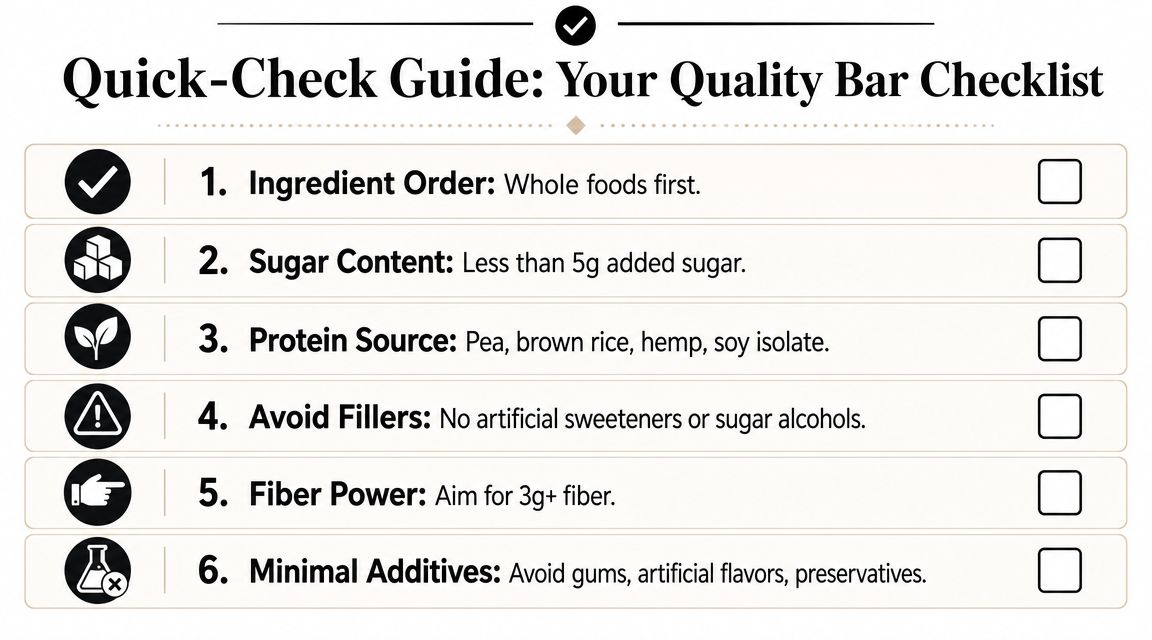
The five-second label test
Read in this order.
- Start with serving size. A bar can look high in protein until you notice it is also unusually large and carries a dessert-sized calorie load.
- Check the protein line, then the ingredient list. A solid protein number matters, but the source matters too. Pea, soy, and rice blends can all work. The bar still has to be practical to digest and easy to eat consistently.
- Look at sugar and fiber together. For some goals, a little sugar is useful. For others, it just turns a snack into a blood sugar roller coaster. Fiber can help with fullness, but more is not always better if your stomach is sensitive.
- Scan the sweeteners. Long stacks of syrups, sugar alcohols, and high-intensity sweeteners often tell you the bar is chasing dessert flavor first.
- Ask where this bar fits. Post-lift fuel, travel backup, office snack, or meal bridge. Choose for the job, not the marketing.
One quick rule I use with clients. If the front says "20 grams of protein," but the back reads like a chemistry set and a candy aisle merged, I keep looking.
What a smart shopper notices fast
| If you see this | What it usually means |
|---|---|
| Protein claim dominates the front of pack | The rest of the label needs checking |
| First ingredients are syrups or sweeteners | More treat-like than meal-like |
| Very low fiber and low volume | Less staying power between meals |
| Dense blend of gums, fibers, and binders | Higher chance of a sticky texture or rough digestion |
| "Keto" or very low-carb positioning | May be a poor fit after hard training if you also need carbs |
If you want a practical comparison of dairy-free options, this guide to protein bars without whey protein shows how different formulas change the nutrition profile.
Good label readers do not chase a perfect bar. They choose a bar with trade-offs that match the goal.
Beyond Sweet Bars: DIY Recipes and Savory Snacks
You finish a workout, reach into your bag, and the only option left is another brownie-flavored bar. If that sounds familiar, the problem usually is not protein fatigue. It is flavor fatigue.
Homemade bars and savory high-protein snacks solve different problems. DIY gives you control over ingredients, texture, and sweetness. Savory options give you a break from the candy-bar format that dominates this category.
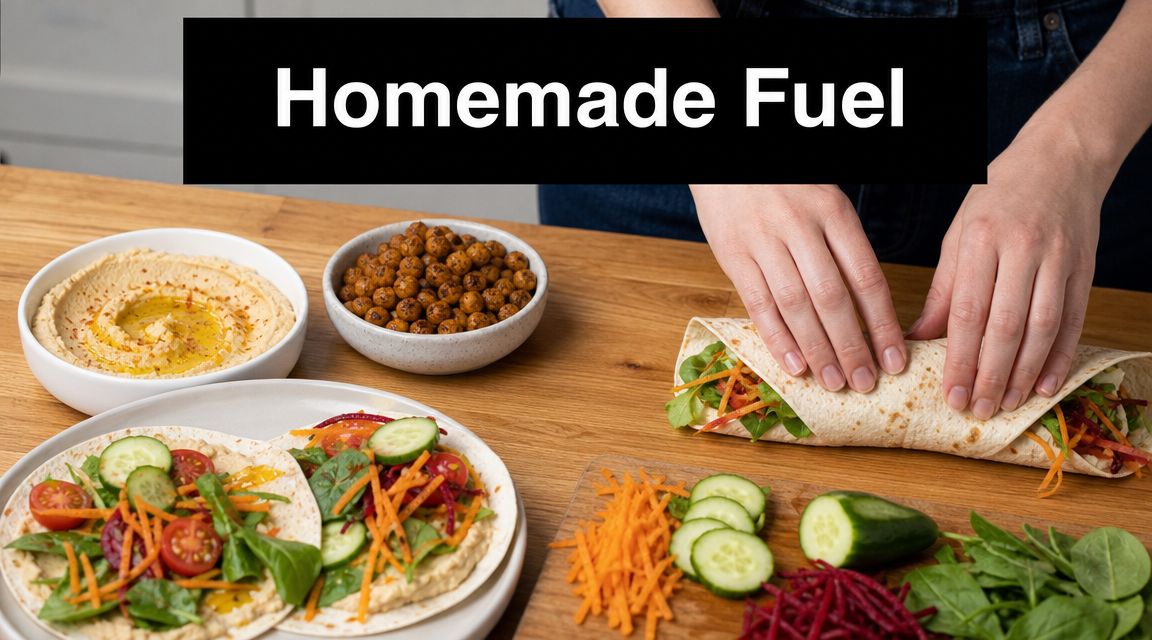
A simple DIY bar framework
A useful homemade bar needs structure more than a fancy recipe. Start with four parts and adjust based on your goal.
-
Protein base
Use a plant protein powder you digest well. Pea works for many people. Soy usually gives a more complete amino acid profile. Blends often improve texture. -
Binder
Nut butter or seed butter holds the bar together and adds staying power. If calories matter, measure this instead of eyeballing it. -
Carbohydrate source
Oats make the bar less chalky and more filling. Dates can work too, but they push sweetness up fast. -
Texture extras
Chia, hemp hearts, pumpkin seeds, chopped nuts, or unsweetened coconut can improve chew and crunch.
Mix until it holds together, press into a tray, chill, and slice. If it crumbles, add a little more moisture. If it turns dense and pasty, cut back the liquid or let the oats sit for a few minutes before reshaping.
Why homemade bars can work better
DIY bars are useful when packaged bars keep missing the mark.
You can set the sweetness where you want it. You can choose a protein source that fits your digestion and preferences. You can also keep the ingredient list short enough that you know what you are eating without decoding ten binders and flavor systems.
There is a real trade-off. Shelf life drops fast once you skip preservatives and stabilizers. Homemade bars are better for a few days in the fridge or a short prep window, not for sitting in a hot car all week.
I usually suggest DIY bars for lifters who want a repeatable snack with fewer surprises, or for anyone testing what sits well before making store-bought bars a daily habit.
Why savory can be the better answer
Sweet bars are convenient, but they are not the only format that works.
Savory snacks often do a better job when you want something that feels like food instead of dessert. That matters for appetite control, especially in people who notice that sweet snacks lead to more grazing later. It also matters first thing in the morning, when chocolate, cookie dough, or birthday cake flavor can feel hard to stomach.
Savory options make sense when:
- You are burned out on sweet bars
- You want a snack that does not push your sweet tooth harder
- You train early and want something more neutral
- You need a bridge snack, not a treat in health-food packaging
For practical ideas beyond bars, this guide to savory high-protein snacks is a useful place to start.
If your training includes longer endurance sessions, bars are only one option in the recovery toolbox. This article on protein powder for runners gives helpful context on when a shake may work better than a solid snack.
The right choice is not always a sweeter bar with better macros. Sometimes it is a simpler homemade bar. Sometimes it is a savory snack you will actually keep eating.
When to Eat Your Plant-Based Protein Bar
Timing changes how useful a bar feels.
The same product that works well in your gym bag can feel heavy before training or underwhelming as an afternoon snack. Don't treat all plant based protein bars as interchangeable.
Before training
Pre-workout, simplicity usually wins. You want a bar that gives steady energy and doesn't sit like a brick.
If a bar is very dense, very fibrous, or extremely sweet, it may not feel great before lifting or cardio. The closer you are to training, the more I'd favor an easy-to-digest option and a sensible portion. You're trying to feel fueled, not stuffed.
After training
Post-workout, the bar's job is easier. It needs to help you bridge the gap until a meal and provide a practical dose of protein.
Bars tend to shine because they're portable, shelf-stable, and easy to keep in a bag or car. If your training includes a lot of running, the broader recovery conversation matters too. This guide on protein powder for runners gives useful context for people deciding between bars, shakes, and whole-food recovery.
As a snack between meals
Here, many bars either become daily workhorses or total flops.
For desk work, long commutes, or class days, the best bar is usually the one that controls hunger without waking up your sweet tooth. That often means better fiber, less dessert-like flavoring, and a formula you digest comfortably. If a bar makes you hungrier or starts a snack spiral, save it for another use case.
When not to rely on them
Don't build your whole food routine around bars.
They're useful, but they're still processed convenience foods. They can support training, prevent random vending-machine choices, and help on busy days. They shouldn't crowd out regular meals built from actual food.
Frequently Asked Questions About Plant Protein Bars
Are plant-based protein bars complete protein sources
Sometimes yes, sometimes no.
Soy is generally the most obvious plant-based option when people want a more complete amino acid profile from a single source. Other bars rely on blends, which can improve the overall protein quality. In practice, I care less about whether one bar is nutritionally perfect in isolation and more about whether your full day includes varied protein sources.
Can I eat a plant-based protein bar every day
You can, if it fits your diet and doesn't crowd out real meals.
The key question isn't frequency alone. It's whether the bar supports your goals without causing digestive issues, excess sweetness, or a drop in food quality across the day. A good daily bar is one you tolerate well and use intentionally, not one you eat because it's easier than planning meals.
Why do some plant based protein bars upset my stomach
Usually it's not the protein alone.
The biggest culprits are often sweeteners, isolated fibers, dense binders, and formulas designed to mimic candy bars while still posting a strong protein number. If a bar consistently bothers your stomach, try a simpler ingredient list, a different protein source, or a less sweet format.
Are savory protein snacks better than bars
Not automatically. They're often better for specific people.
If you're tired of sweet flavors, want something more satisfying, or find dessert-style bars easy to overeat, savory formats can be a smarter fit. They can also feel more natural in situations where a chocolate-style snack doesn't match your appetite.
Should I choose a bar by protein grams alone
No.
Protein matters, but it's only part of the picture. A useful bar has to work in real life. That includes satiety, texture, sweetness, ingredient quality, and digestion. The best shoppers don't chase the highest number. They choose the bar they'll use well.
If you're done with dessert-style bars and want a savory plant-based option that still supports training, Gym Snack is worth a look. It focuses on crunchy, chef-inspired protein snacks built around pea protein, giving you another way to hit your intake without relying on overly sweet bars or shakes.