

Most advice about plant based protein examples treats every food as if it performs the same job. It doesn't. A scoop of pea protein, a bowl of lentils, a handful of hemp seeds, and a crunchy chickpea snack can all contribute protein, but they differ in amino-acid balance, digestion, calories, fiber, convenience, and usefulness around training.
This list separates concentrated proteins, complete whole-food sources, fiber-rich legumes, nutrient-dense seeds, and savory snack formats. For each one, the practical question is simple: What does this food do best? The answer depends on protein per serving, amino-acid profile, digestion, portability, protein-to-calorie trade-off, satiety, and how easily you can pair it with other foods.
Serving figures come from the supplied source material and can vary by product, brand, cooking method, and preparation. A label is always more reliable than a generic food estimate, especially for powders and packaged snacks. Understanding the difference between food proteins and other protein structures can also help when exploring topics such as how peptide size affects your skin.
1. Pea Protein
Concentration and convenience can matter more than chasing a perfect amino-acid profile. Pea protein comes from yellow peas and is typically sold as an isolate or powder. According to Healthline's plant protein guide, one example scoop provides 19 g of protein, 0 g of fiber, and 0.26 g of sodium. Those figures show how an isolate packs protein into a small serving, while whole peas bring more volume and texture.
Pea protein has a different amino-acid balance from animal protein, so “complete” is only one part of the decision. It works like a concentrated building block: combine it with grains, seeds, or other whole-food ingredients when you want a broader meal. Its compact format suits post-workout use, travel, or a gap between meals.
Best use and trade-off
The key benefit is protein density with little preparation. The cost is lower fiber and chewing satisfaction than lentils, chickpeas, or seeds. For weight management, a shake may be less filling on its own, so blend the powder into oats, soup, or a savory batter that adds volume and texture.
Workout timing also shapes the choice. A powder is practical after training when you need a quick protein source, while a legume-based meal may work better when satiety matters for several hours.
Savory seasoning gives pea protein another role besides a sweet shake. Gym Snack's Cheddar Cheeze and Jalapeño Cheddar Cheeze products show this format, while Orgain Protein Powder and NOW Foods Pea Protein Isolate represent powdered options.
Practical rule: Choose pea protein for concentrated protein with minimal preparation. Add whole-food ingredients when fullness is the priority.
For a dairy comparison, read this pea protein versus whey comparison. Try a pea-protein crisp or dip with smoked paprika, garlic, black pepper, and nutritional yeast for a savory serving.
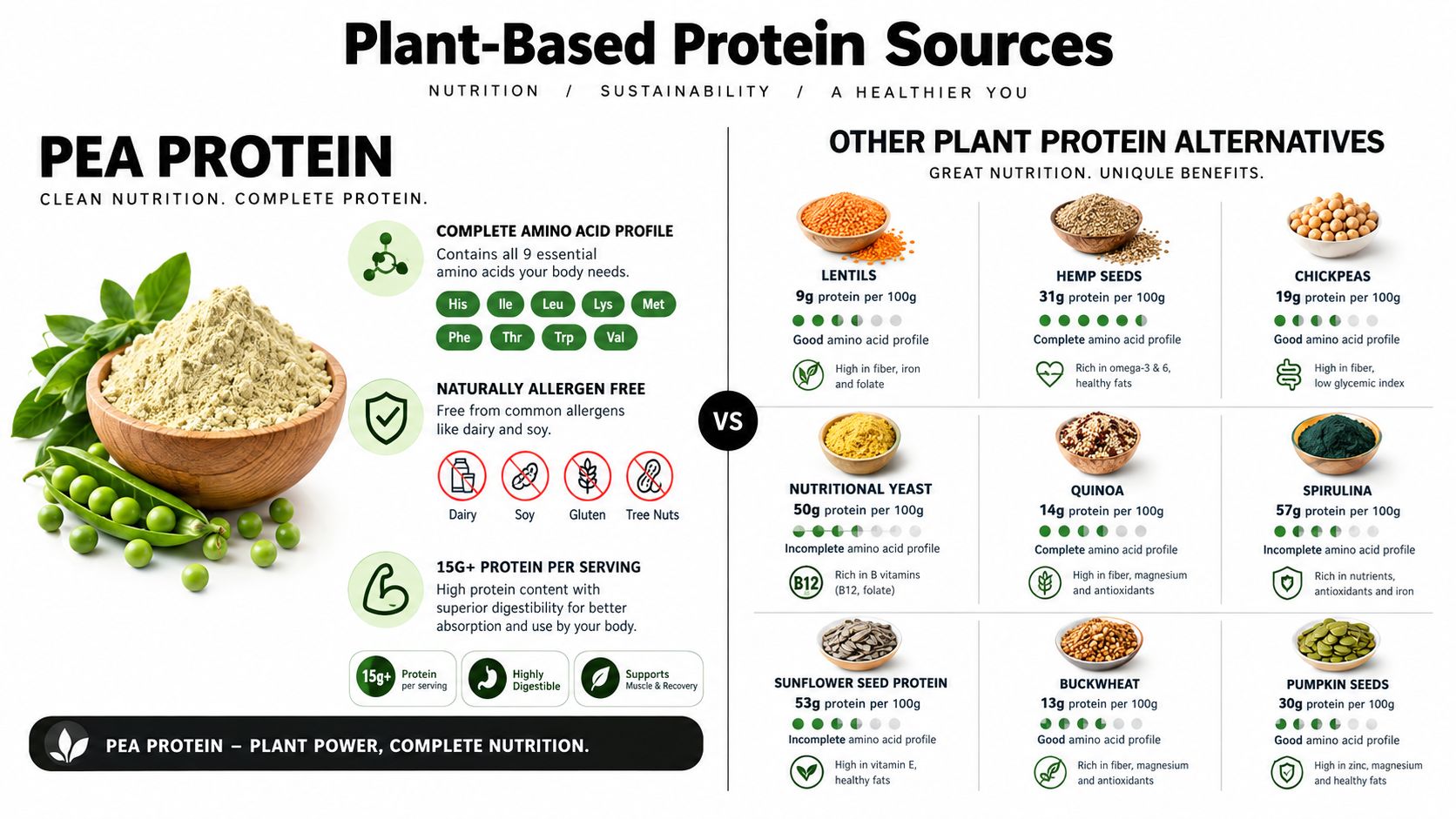
2. Lentils
Lentils are not the most concentrated plant protein, but they can be the more useful choice when fullness matters. A half-cup serving provides protein plus fiber and meal volume, creating a substantial base for soups, curries, and warm bowls. Compared with pea isolate, lentils retain their carbohydrate and fiber, so more of the whole food remains on the plate.
That combination affects timing and appetite. A lentil meal digests more gradually and usually requires more chewing than a powder, which can support weight-management meals. After training, lentils work well when you want a complete meal rather than a rapidly prepared protein serving. Their protein-to-calorie ratio is less concentrated, yet the fiber and volume may make the meal more satisfying.
Match the variety to the job
Red lentils soften into a creamy base for dal, soup, or savory dip. Green and brown lentils hold their shape, making them useful in salads, grain bowls, and roasted snack mixes. Cook dried lentils in batches for planned meals, or use canned lentils when speed matters.
Lentils have a different amino-acid balance from concentrated animal proteins. Pairing them with grains, seeds, or nuts across the day broadens the meal's protein profile. Rice, quinoa, whole-grain crackers, and hemp seeds also change the texture, so the pairing can serve both nutrition and enjoyment.
Rinse dried lentils and cook them until tender. If digestion is sensitive, begin with smaller portions and increase gradually rather than forcing a large serving.
Try smoky roasted lentils with cumin, paprika, garlic, and dairy-free cheese seasoning. Lentils also contribute iron, so this guide to iron-rich plant-based foods provides useful food context.
3. Hemp Seeds
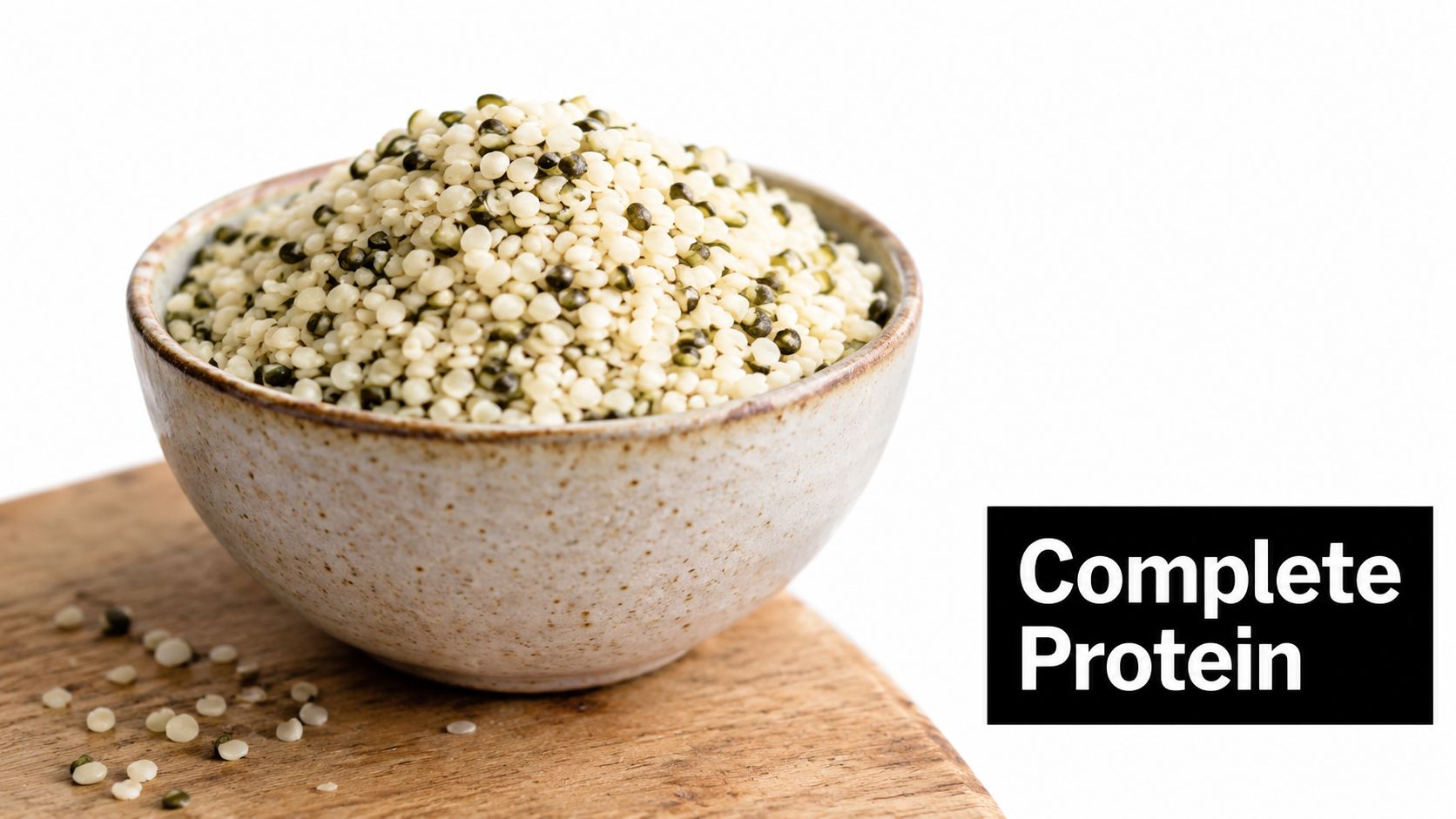
Hemp seeds, also called hemp hearts, suit people who want a complete plant protein with a soft, nutty texture. The supplied data lists 10 g of protein per 3-tablespoon serving, and identifies hemp as containing all 10 essential amino acids. Healthline's plant protein overview provides those details.
They're not as protein-concentrated as an isolate, but they add more than protein to a snack or meal. Hemp seeds contribute fats that make them energy-dense and satisfying, so portion awareness matters if you're pursuing a tightly controlled calorie target. For athletes with higher energy needs, that density can be useful rather than a drawback.
Complete doesn't mean universally optimal
Hemp's complete amino-acid profile makes it easy to use without carefully calculating pairings. Still, a complete protein can be less convenient than a powder if you need a portable, high-protein serving after a workout. Hemp works best as a supporting ingredient, topping, coating, or crunchy component.
The flavor is mild but earthy. Strong savory flavors such as jalapeño, cheddar-style seasoning, garlic, and smoked paprika can give it more appeal. Manitoba Harvest Hemp Hearts and Nutiva Organic Hemp Seeds are recognizable examples of the ingredient in retail form.
Store hemp seeds in a cool, dark place, and follow the package guidance after opening. Their fat content makes freshness important. A practical snack is a savory hemp seed crunch mixed with roasted chickpeas, pumpkin seeds, garlic powder, and chili.
If muscle-building is your priority, use hemp as part of a broader protein pattern rather than assuming one seed must do all the work. This guide to the best plant protein for muscle gain offers additional context for combining plant sources.
4. Chickpeas
Chickpeas earn their place among plant based protein examples through versatility, not protein density alone. They can become a meal base, creamy spread, flour, or crisp snack. Healthline lists 6 g of protein per half-cup of canned chickpeas, a useful serving reference, although the same portion also supplies carbohydrates and fiber.
Their amino-acid profile is useful but not as complete as that of some protein sources, so pairing matters. Serve chickpeas with quinoa, whole grains, or seeds across the day to broaden the amino-acid mix. The trade-off is clear: chickpeas provide less protein per calorie than an isolate, yet their fiber, texture, and volume can support fullness and make a weight-management meal more satisfying.
Turn a soft legume into a portable snack
Roasting changes a soft legume into a portable, savory food. Drain canned chickpeas, dry them thoroughly, coat them lightly with seasoning, and roast until crisp. Add curry powder, barbecue seasoning, garlic, jalapeño, or smoked paprika while they are warm so the flavors cling.
Biena Roasted Chickpea Snacks and similar roasted-legume products show the format in ready-to-eat form. Chickpea flour can also add structure to crackers and savory baked foods.
A large serving may feel heavy before training because of its fiber and carbohydrate content. Eat chickpeas with lunch, after training, or well before exercise rather than immediately before intense movement. If legumes cause discomfort, begin with a smaller portion.
A practical savory serving is warm roasted chickpeas over quinoa with lemon, parsley, chili, and tahini. Quinoa and tahini also strengthen the pairing, while the crisp chickpeas add texture and satiety.
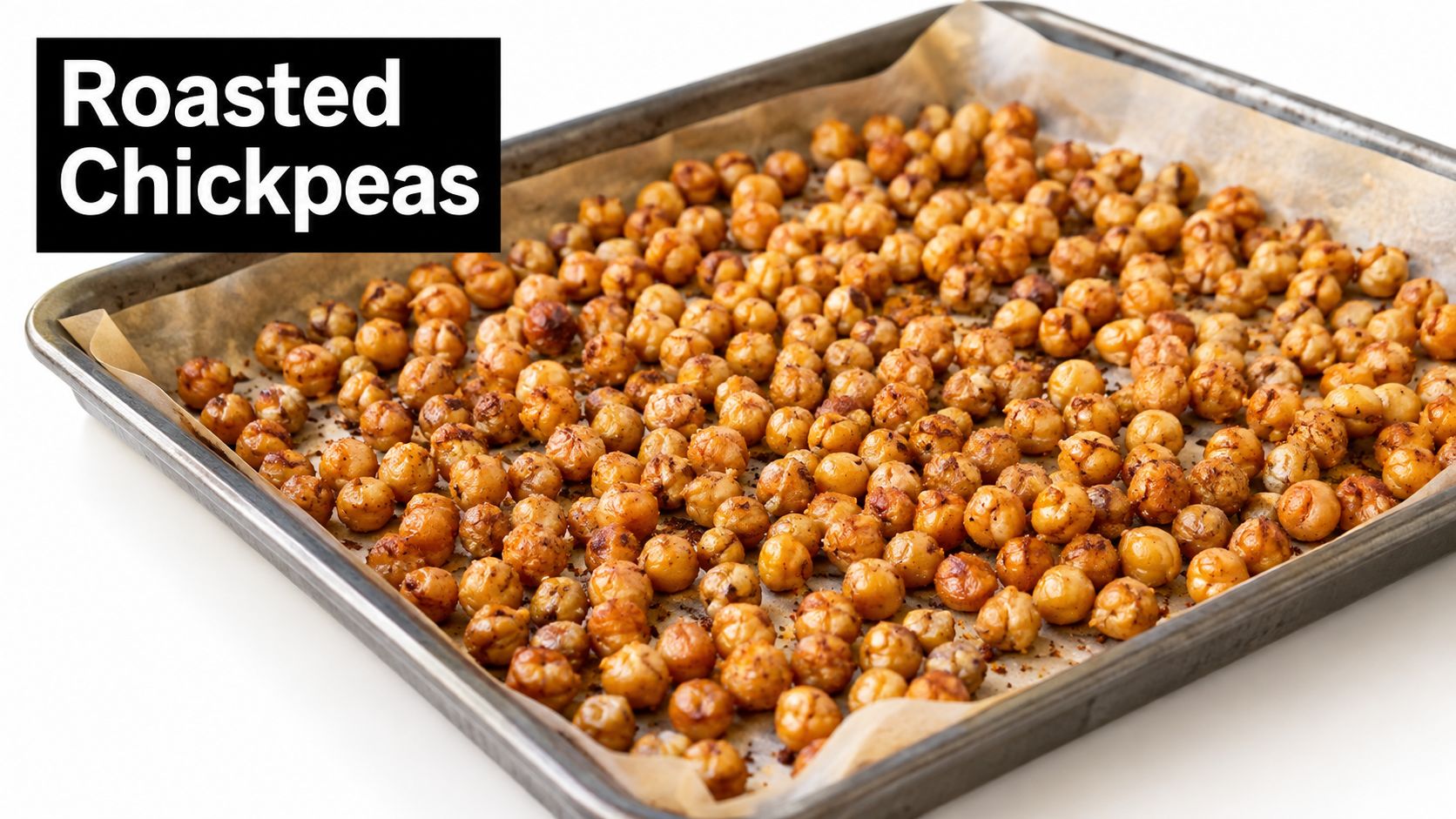
For a visual preparation example, watch this roasted chickpea recipe video after reviewing the cooking method and seasoning approach above.
5. Nutritional Yeast
Nutritional yeast works best as a savory protein booster and flavor ingredient, rather than the main protein on your plate. A Bragg nutritional yeast product page lists 8 g of protein per 2-tablespoon serving. Its amino acids contribute to your daily intake, but the small serving size means it usually cannot replace a concentrated protein source.
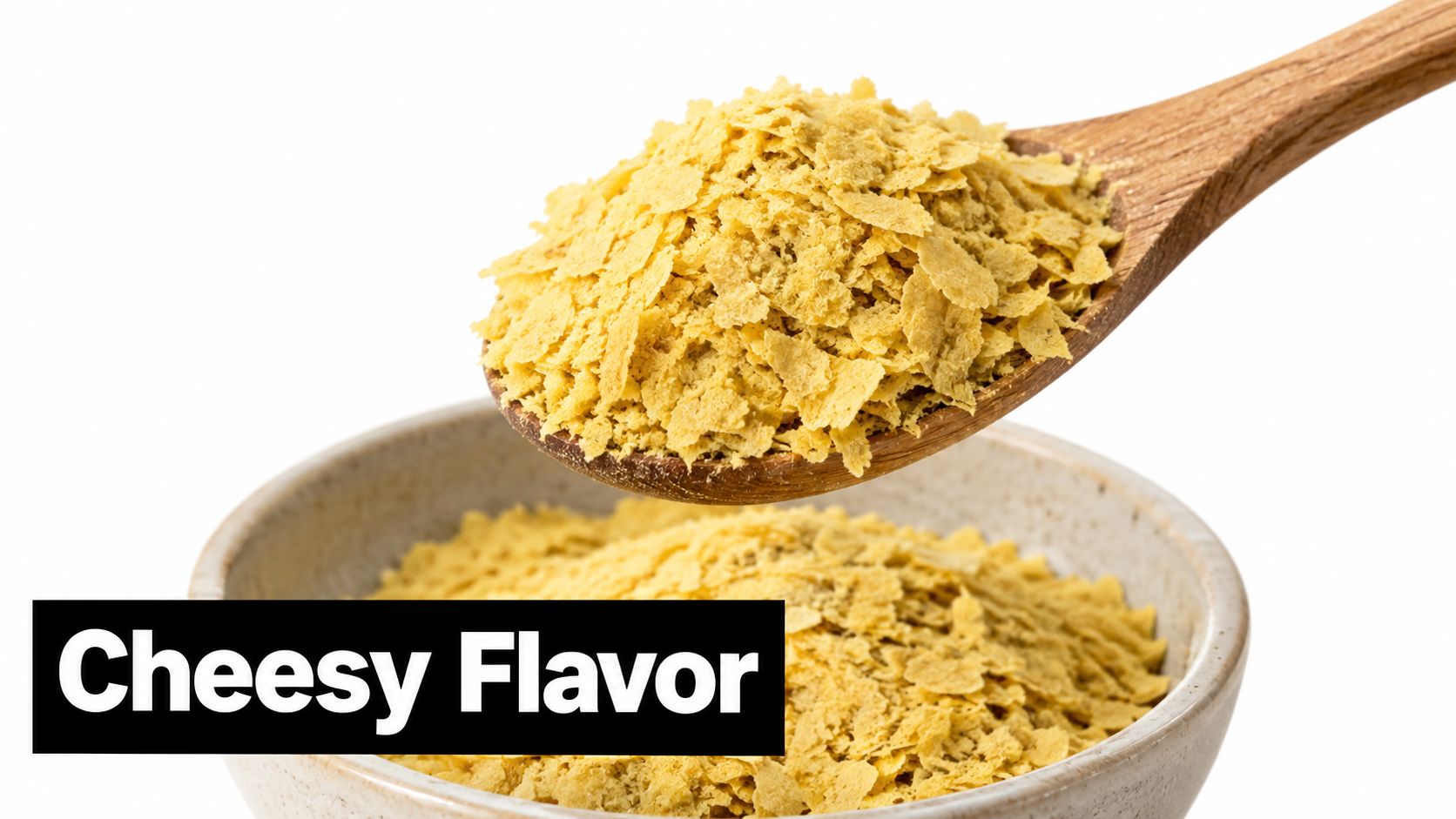
Its strongest advantage is flavor. The cheesy, umami-rich taste can make beans, tofu, popcorn, roasted vegetables, and protein crisps easier to enjoy repeatedly. That matters for gym-goers and weight-management plans: a savory snack may fit your routine better than another sweet shake, while the flakes add relatively few calories compared with many calorie-dense toppings.
Check the label instead of assuming
Products vary. Some nutritional yeast is fortified with vitamin B12, while other versions are not. Check the label if B12 matters in your diet, because fortification cannot be inferred from the ingredient name alone.
Red Star Nutritional Yeast and Bragg Nutritional Yeast Seasoning are examples used in plant-based kitchens. Cheese-style seasoning blends show another way to apply the same flavor profile without making the flakes the central protein source.
Start with a small amount because the flavor is concentrated. Mix it with garlic, paprika, black pepper, onion powder, or chili. Pairing it with pea protein, chickpeas, lentils, or seeds improves the overall protein strategy, since those foods provide more substance, fiber, or protein density. It fits a post-workout meal or a snack when mixed into a substantial base, but it offers limited satiety by itself.
A practical serving is cheesy lentil crunch. Toss roasted lentils with nutritional yeast, garlic powder, smoked paprika, and a little salt immediately after cooking. The lentils supply the structure and fullness, while nutritional yeast adds savory depth.
6. Quinoa
Quinoa sits between a grain-like staple and a concentrated protein food. It supplies a complete protein, meaning it contains all 9 essential amino acids, but its protein density remains moderate. A cooked serving works like one part of a meal rather than a substitute for a protein shake. For the amino-acid context, see this guide to complete protein sources.
That balance makes quinoa useful for weight management and training meals. Its carbohydrate content can provide fuel before or after a workout, while its texture and fiber help make a bowl more filling than a drink alone. Add legumes or another protein source if you need a larger protein portion.
Make the texture work
Rinse quinoa well before cooking to reduce surface compounds that may taste bitter. Toasting the dry seeds first gives them a nuttier flavor. Toasting the cooked grains afterward creates crisp pieces for bowls or snack mixes.
Quinoa pairs naturally with lentils, chickpeas, edamame, tofu, hemp seeds, pumpkin seeds, or a savory pea-protein product. These combinations add texture, increase the meal's protein contribution, and spread amino acids across several foods. A quinoa and chickpea bowl suits a post-workout meal, while a smaller seasoned portion can work earlier in the day.
Use smoked paprika, cumin, garlic, lemon, parsley, chili, sesame, and tamari to keep the dish savory. Try crispy quinoa and edamame crunch: toast cooked quinoa until crisp, then mix it with edamame, garlic, sesame, chili, and a splash of tamari. The edamame supplies the main protein, while quinoa contributes carbohydrate, texture, and a complete amino-acid profile.
7. Spirulina and Chlorella
Spirulina and chlorella can look impressive on a label, yet their high protein concentration does not make them practical meal replacements. A review of microalgae proteins reports that these powders can contain 60% to 70% protein by dry weight (microalgae protein review). They also provide essential amino acids, while chlorophyll and B vitamins are among the compounds associated with these algae (spirulina nutrition review).
Amino-acid completeness answers one question, not every nutrition question. Spirulina and chlorella can supply all essential amino acids, but a small scoop still contributes less total protein than a substantial serving of lentils, tofu, or a protein shake. Their protein-to-calorie advantage is therefore strongest when you want a concentrated add-on, while their satiety value is limited because powders provide little chewing or meal volume.
Use them around convenience rather than as the main workout protein. Add a small amount to a post-workout smoothie or energy bite when you already have another meaningful protein source. For weight management, pair the powder with fruit, yogurt, oats, or seeds so the snack has more volume and staying power.
Start with flavor and tolerance
Spirulina has a strong marine, earthy taste. Cocoa, berries, peanut butter, lemon, chili, garlic, and tomato can balance it better than delicate recipes. Chlorella may taste assertive too, so begin with a small amount and assess digestive tolerance.
Supplier quality matters. Choose products with transparent sourcing and third-party testing because processing and contamination controls vary. For a savory serving, blend spirulina with pea protein, lemon, garlic, jalapeño, and a creamy plant-based base into a green chili protein spread. Use it with whole-grain crackers or vegetables, keeping the algae as a supporting ingredient rather than the meal's main protein.
8. Sunflower Seed Protein
Sunflower seed protein can diversify a plant-based diet without relying on pea or soy. One serving provides 10 g of protein, according to this sunflower protein product listing (sunflower protein product page). The ingredient also supplies vitamin E and selenium, while its mild, nutty flavor suits savory foods.
The protein-to-calorie trade-off depends on the format. A refined powder or flour concentrates protein more than whole seeds, while whole sunflower seeds bring more fat, crunch, and chewing, which can make a meal or snack feel more filling. Read the label to distinguish protein powder, seed flour, and whole-seed snacks.
Pair it with a clear protein anchor
Sunflower protein may suit people avoiding soy or rotating away from pea. Seed proteins can have different limiting amino acids from legume proteins, so combining them with legumes or grains creates a broader amino-acid pattern. The principle is practical rather than mathematical: use sunflower protein alongside another protein family when it is the main protein source (FAO protein-quality reference).
Amino-acid variety does not erase the calorie difference between formats. Whole seeds can support satiety through texture and fat, but a powder is easier to add in a controlled amount. For weight management, include it in a meal with vegetables, legumes, or whole grains instead of treating a small scoop as a complete meal.
Sprouted versions may be marketed for digestibility or bioavailability, but processing varies. Compare the ingredient list, protein amount, serving size, and allergen statement rather than trusting “sprouted” alone.
For a savory serving, toast sunflower seeds with roasted lentils or chickpeas, garlic, chili, onion, nutritional yeast, and smoked paprika. A sunflower and lentil snack mix offers crunch, fiber, and a more substantial protein base. It travels well and works before training when you have time to digest it. After training, pair sunflower protein with legumes, tofu, or pea protein for a stronger protein serving. Choose brands that clearly explain processing and provide complete nutrition information.
9. Buckwheat
Buckwheat is not a grain, and its moderate protein density means it will not replace a protein isolate. Its value comes from combining a useful amino-acid profile with satisfying texture, adaptable cooking, and a naturally gluten-free format. One cooked cup provides 6 g of protein, according to USDA FoodData Central's entry for cooked buckwheat groats.
Buckwheat is also described as a complete protein because it supplies all 9 essential amino acids, as documented by Harvard T.H. Chan School of Public Health. “Complete” does not mean protein-dense. It means the amino-acid pattern includes the building blocks your body cannot make, while the serving still contributes carbohydrate and calories.
Preparation determines how useful it feels. Toast groats before cooking for a nuttier flavor, use buckwheat flour in savory crackers, or add sprouted buckwheat to a snack mix. Soaking and sprouting change texture and may suit some digestive preferences, but choose the method that fits your recipe and tolerance.
Pair buckwheat with legumes to make the meal's amino-acid pattern broader. A savory bowl of buckwheat groats, black beans, roasted peppers, greens, and garlic dressing provides more satiety than buckwheat alone. For a portable option, bake buckwheat flour with nutritional yeast, cumin, and rosemary into crackers.
Before training, keep the portion comfortable and avoid more fiber than you digest well. After training, use buckwheat as the carbohydrate and texture base, then add peas, tofu, seeds, or legumes as the stronger protein anchor.
A practical savory snack is toasted buckwheat crunch with pumpkin seeds, hemp hearts, chili, garlic, and nutritional yeast. Portion it into containers for work or school.
10. Pumpkin and Squash Seeds
Pumpkin seeds, or pepitas, are not the most calorie-efficient plant protein. Their value is different: crunch, minerals, and a portable protein contribution. A quarter-cup serving provides 9 g of protein, according to the USDA FoodData Central entry for dried pumpkin seed kernels. Pumpkin seeds also provide essential amino acids and minerals including magnesium, zinc, iron, and manganese, nutrients documented in National Institutes of Health mineral fact sheets.
Their amino-acid profile can support a varied plant-based diet, but “complete” does not mean concentrated. Seeds bring more fat and calories alongside their protein, so they work better as a supporting ingredient than as the sole protein anchor for a weight-management meal. Their fat, minerals, and firm texture can make a snack more filling and satisfying.
Light roasting develops a deeper flavor and creates a practical savory snack. Season the seeds while warm, allowing garlic powder, paprika, sea salt, jalapeño, or chili to cling to the surface. Soaking softens raw seeds and may reduce some antinutrient compounds, while sprouting changes the texture. Store prepared seeds in a cool, dark container because their fats can lose freshness over time.
For amino-acid balance, pair pepitas with legumes or grains. Roasted chickpeas add volume and fiber, while quinoa and lentils create a more substantial meal base. Before training, keep the portion moderate if fat or fiber feels heavy. After training, combine pumpkin seeds with a more concentrated protein source rather than relying on them alone.
Try jalapeño pepita crunch: roast pumpkin seeds with garlic, smoked paprika, nutritional yeast, and jalapeño seasoning. Add the mixture to a chickpea and quinoa bowl, or pack it with fruit for later. Pumpkin seeds suit meals that need texture, flavor, and satiety, with protein as a useful bonus.
Top 10 Plant-Based Proteins Comparison
| Ingredient | Protein & Nutrition ⭐ | Implementation Complexity 🔄 | Resource Requirements ⚡ | Expected Outcomes 📊 | Ideal Use Cases 💡 |
|---|---|---|---|---|---|
| Pea Protein | Complete amino acids; 15g+ per serving; high BCAAs. ⭐⭐⭐⭐ | Moderate, isolate processing and flavor masking needed. 🔄🔄 | Moderate cost; stable shelf life; widely available. ⚡⚡ | Strong muscle recovery and satiety (GLP‑1/PYY); easily digestible. 📊📊 | High‑protein savory snacks, post‑workout formulations. 💡 |
| Lentils | ~9g/cooked cup (31% dry wt); high fiber, iron. ⭐⭐⭐ | Low, soak/cook or roast; simple processing. 🔄 | Very low cost; shelf‑stable dry; moderate prep time. ⚡ | High satiety, gut health, steady energy; less protein density. 📊 | Roasted snacks, blended protein bases, affordable snack options. 💡 |
| Hemp Seeds | ~10g per 3 tbsp; all 10 EAAs; omega‑3/6 (3:1). ⭐⭐⭐⭐ | Low, minimal processing (hearts); fat content affects formulation. 🔄 | Higher cost; shorter shelf life; cool storage recommended. ⚡ | Complete protein with anti‑inflammatory and cardio benefits. 📊📊 | Toppings, mix‑ins, seed flours, nutrient‑dense snacks. 💡 |
| Chickpeas | ~15g/cooked cup; high fiber & resistant starch. ⭐⭐⭐ | Moderate, cooking/roasting; remove anti‑nutrients. 🔄🔄 | Affordable; dry/canned forms; canned may be high sodium. ⚡⚡ | Very high satiety and blood‑sugar stability; crunchy snack texture. 📊📊 | Roasted chickpea snacks, chickpea flour snacks and coatings. 💡 |
| Nutritional Yeast | ~8g/2 tbsp; complete AA; B12 when fortified. ⭐⭐⭐ | Low, powdered ingredient, potent flavor dosing. 🔄 | Moderate cost; long shelf life if stored properly. ⚡ | Adds cheesy umami and B‑vitamins; enhances savory profile. 📊 | Flavor coatings, cheese alternative in savory snacks. 💡 |
| Quinoa | ~8g/cooked cup; complete protein; minerals. ⭐⭐⭐ | Low–Moderate, rinse (saponins) and cook; versatile forms. 🔄 | Higher cost than common grains; widely available. ⚡⚡ | Complete AA for recovery; digestible and versatile. 📊 | Grain bases, bars, crunchy toasted quinoa components. 💡 |
| Spirulina & Chlorella | 60–70% protein (dry wt); complete AA; rich micronutrients. ⭐⭐⭐⭐ | High, sourcing, contamination control, flavor masking required. 🔄🔄🔄 | Expensive; supplier testing needed; used in small doses. ⚡ | Extremely dense nutrition per gram; strong taste limits primary use. 📊 | Supplements, small fortifications in bars/smoothies, nutrient boosts. 💡 |
| Sunflower Seed Protein | ~10g/serving; vitamin E, selenium; hypoallergenic. ⭐⭐⭐ | Moderate, extraction and phytic acid reduction beneficial. 🔄🔄 | Emerging market; moderate cost; allergen‑friendly supply. ⚡ | Allergen‑free protein with antioxidant support; slightly lower protein density. 📊 | Allergen‑free snack formulations, blended with other proteins. 💡 |
| Buckwheat | ~6g/cooked cup; complete AA; resistant starch. ⭐⭐⭐ | Low–Moderate, soak/sprout recommended; earthy flavor to manage. 🔄🔄 | Moderate cost; less mainstream; versatile forms (groats/flour). ⚡ | Supports gut health and satiety; gentle digestibility. 📊 | Sprouted groats, flours in savory snacks and crackers. 💡 |
| Pumpkin & Squash Seeds | ~9g/¼ cup; complete AA; high magnesium & zinc. ⭐⭐⭐ | Moderate, shelling/roasting; higher fat content to manage. 🔄🔄 | Moderate cost; prone to rancidity; cool storage advised. ⚡ | Mineral‑rich recovery support and natural crunchy texture. 📊 | Roasted pepita snacks, toppings, energy balls and mixes. 💡 |
Build a Protein Strategy You Can Repeat
The most useful lesson from these plant based protein examples is that no single food needs to do every job. Concentrated ingredients solve convenience and protein-density problems. Whole foods solve fiber, chewing, micronutrient, and meal-volume problems. Seeds and nutritional yeast add flavor and texture that can make a routine easier to follow.
Choose pea protein or a savory Gym Snack product when you need a portable protein anchor around training or during a busy day. The publisher describes Gym Snack as a plant-based savory snack built around pea protein, with 15 g or more of protein per serving and 30 g or more per bag, alongside a formula free from dairy, soy, and gluten. Those product details come from the supplied publisher information, so compare the current package label before buying.
Choose lentils and chickpeas when fullness and meal volume matter. Their fiber makes them more substantial than an isolate, and their soft or crispy forms work across soups, bowls, salads, dips, and snacks. If a large legume serving feels uncomfortable before exercise, move it farther from your workout or use a smaller portion.
Use quinoa, hemp, and buckwheat when you want complete plant proteins with flexible meal applications. Nutritional yeast contributes a savory, cheese-style flavor and can help turn plain ingredients into something you'll want to eat again. Pumpkin, squash, and sunflower seeds add crunch and minerals, but their energy density makes label reading and portion awareness useful for weight-management goals.
A simple pairing rule is to combine legumes with grains, seeds, or nuts across the day. Lentils with rice, chickpeas with quinoa, or roasted beans with hemp and pumpkin seeds can create variety without requiring every plate to be mathematically perfect. Soy foods, including tofu, tempeh, and edamame, can also add useful rotation when they fit your preferences and tolerance.
Use this quick decision framework:
- Before training: Choose a familiar, easier-to-digest option, such as a modest pea-protein snack or a small savory serving. Avoid testing a very large, fiber-heavy portion immediately before hard exercise.
- After training: Pair concentrated protein with a meal or snack that also supplies carbohydrates and enough total food to support recovery. Pea protein, tofu, quinoa, or a savory protein crisp can serve as the anchor.
- Between meals: Favor protein plus texture and fiber. Roasted chickpeas, lentils, seeds, or a pea-protein snack can be more satisfying than a low-volume sweet drink.
- For weight management: Prioritize foods that help you stay satisfied, including lentils, chickpeas, quinoa, and measured seed portions. Use isolates when convenience matters, but don't expect them to replace the fullness of a complete meal.
- For allergen-conscious eating: Check every label for dairy, soy, gluten, cross-contact statements, and added ingredients. A plant-based label alone doesn't guarantee that a product fits every dietary requirement.
Finally, compare actual labels and serving sizes. Protein values change with product formulation, cooking method, moisture content, and preparation, so a generic food list is a starting point rather than a personal prescription. If you have kidney disease, digestive conditions, food allergies, or a medically managed diet, ask a qualified clinician or registered dietitian how to adjust your choices.
Gym Snack offers chef-inspired, plant-based savory protein crisps built around pea protein, including Cheddar Cheeze and Jalapeño Cheddar Cheeze flavors. If you want a crunchy, portable way to add savory protein between meals or around training, visit Gym Snack and compare the current ingredients and nutrition labels.