

You finish your last set, wipe down the bench, and suddenly feel it. Your legs are heavy, your stomach wakes up, and the drive home sounds longer than it should. You want something quick that won't leave you flat an hour later.
That's where the protein bar after workout question usually shows up. Not in a lab. In a gym bag, a car console, or the bottom drawer at work.
A bar can be a smart move. It can also be a waste of money, a gut bomb, or a candy bar wearing a fitness costume. The difference usually isn't just the protein number on the front label. It comes down to protein quality, ingredient choice, digestion, and whether the bar fits what your body needs after training.
It's common knowledge that you should get some protein in after you train. That's fine as far as it goes. But if a bar leaves you bloated, gives you cramps, tastes like frosting, or sits in your stomach like drywall, it's not helping recovery much.
That Post-Workout Hunger What Your Body is Asking For
The classic post-gym moment is simple. You're hungry, a little drained, and not in the mood to cook chicken and rice in the parking lot. You want something fast, portable, and reliable.
For some people, a protein bar after workout is the perfect bridge between training and a real meal. For others, it's the reason they spend the next hour feeling bloated on the couch. I've seen both patterns over and over. The athlete who keeps a clean, simple bar in the gym bag usually does fine. The person grabbing whatever chocolate-coated "high protein" bar is on sale often doesn't.
What that hunger usually means
After training, your body is generally asking for two things:
- Protein for repair so muscle tissue has the raw material it needs
- Carbohydrates for energy so you start replacing what you used during the session
- Something digestible because hard training can make your stomach more sensitive, not less
- Convenience that doesn't backfire because the best recovery option is the one you'll eat
That last point matters. A perfect meal at home doesn't help if you're stuck in traffic for an hour.
Practical rule: The best post-workout snack isn't the one with the loudest label. It's the one you can digest well, eat consistently, and use to recover without feeling worse.
A lot of articles stop at grams of protein. That's too shallow. If you train hard, have a touchy stomach, avoid dairy or soy, or you're tired of dessert-style bars, you need a more useful filter. You need to know which bars support recovery and which ones just create friction.
The Science of Muscle Recovery and Timing
Hard training creates a repair job.
You break down muscle tissue, burn through stored fuel, and raise the demand for nutrients that help you recover well enough to train again. A post-workout bar can help, but only if it does two things. It needs to supply usable protein, and it needs to sit well in your stomach when your gut is already stressed from exercise.
Why protein matters after training
After training, your body shifts toward rebuilding. That rebuilding process, muscle protein synthesis, depends on having enough amino acids available. In practical terms, a bar with a meaningful dose of high-quality protein gives your body the raw material it needs to start repair. Pairing protein with some carbohydrate also supports glycogen replenishment, as explained in this post-workout recovery overview from Bolt Nutritions.
Quality matters as much as quantity. Whey usually digests quickly and does the job well for lifters who tolerate dairy. Milk protein can work similarly. Plant blends can be effective too, but some bars use them in a way that turns recovery into a stomach test. I've seen athletes hit their protein target and still feel awful because the bar was loaded with chicory root, sugar alcohols, or a dense fat-heavy coating that slowed digestion.
If soreness keeps showing up session after session, look beyond protein alone. Sleep, total calorie intake, training load, hydration, and food quality all affect recovery. This guide on effective recovery for athletes and clinics is useful because it connects muscle soreness with the rest of the recovery picture.
Timing matters, but panic does not
The post-workout window gets oversold. You do not need to tear open a bar between your last set and the locker room.
Still, timing has a practical role. Eating within a reasonable stretch after training helps if you finished on an empty stomach, trained hard, or will not get a full meal for a while. For many people, the smartest move is simple. Get protein and some easy-to-digest carbs in soon after the session, then eat a proper meal later.
That matters even more for people training twice in a day, doing long endurance sessions, or trying to keep hunger from turning into a random vending machine decision.
A bar is often useful in four situations:
- You trained before breakfast and need something fast
- You have a long commute before your next meal
- You need recovery food that travels well in a gym bag
- You want portion control without mixing a shake
For a wider food-first perspective, this list of foods that help muscle recovery gives solid options beyond bars.
The takeaway is simple. Recovery nutrition works best when the bar helps you recover without causing bloating, reflux, or stomach cramps an hour later. Protein still matters. Digestive tolerance decides whether that protein is useful.
How to Choose an Effective Post-Workout Protein Bar
You don't need a PhD to read a bar label, but you do need a filter. Most bars fail for one of two reasons. They either don't provide enough useful protein, or they bury that protein inside a formula that's too sugary, too fatty, too artificial, or too hard on the stomach.
Start with the protein target
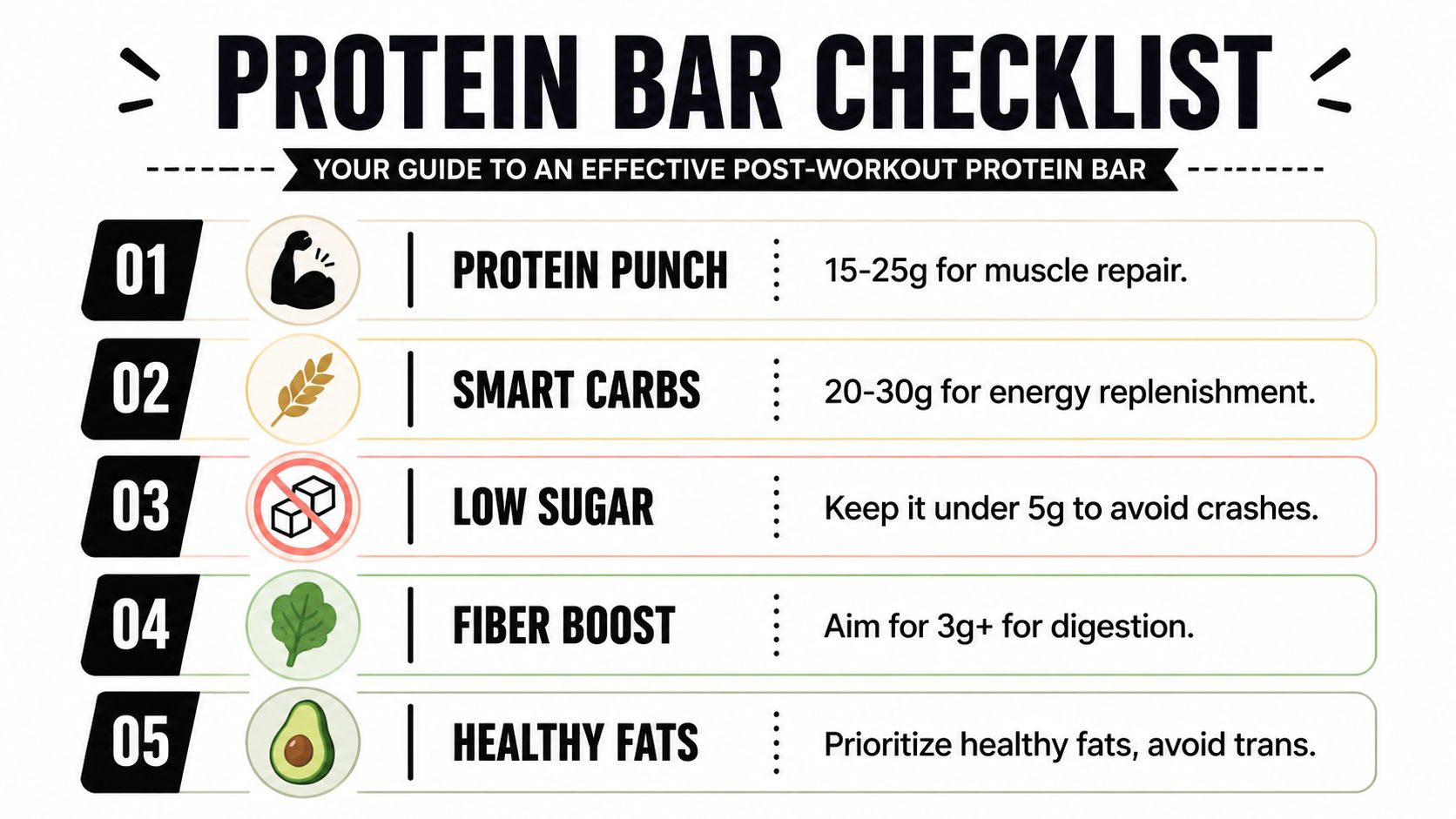
A practical post-workout target for a bar is 20 to 30 grams of protein, and research summarized for consumers shows that going much above about 30 grams in one sitting doesn't add extra benefit for muscle synthesis. That's why bigger isn't automatically better. The useful benchmark is explained in this review on how much protein should be in a protein bar.
That gives you a clean first screen. If a bar is meant to be recovery nutrition and the protein is far below that range, it's probably more of a snack than a post-training tool.
Then read the rest of the label like an adult
A solid post-workout bar should support recovery, not just headline protein. Here's the checklist I use:
- Protein source matters: Whey, milk protein, egg white, and well-formulated plant proteins tend to make more sense than low-value filler proteins.
- Carbs should have a job: After training, some carbohydrate is useful because you're not just repairing tissue. You're also replacing energy.
- Fat shouldn't dominate: Too much fat can make a bar heavy and slow when what you need is practical recovery.
- Sugar needs context: A little is different from a dessert bar pretending to be sports nutrition.
- Ingredient list should be readable: If the label looks like a chemistry quiz, put it back.
If you want a separate breakdown of label reading, this guide to protein bar nutrition facts is worth bookmarking.
Match the bar to the workout
Not every session needs the same bar. A short lift before dinner is different from a brutal conditioning session between meetings.
Use this simple decision frame:
| Situation | Better choice |
|---|---|
| You need immediate convenience after training | A bar with enough protein and some carbs |
| You want something that keeps you full longer | A bar with balanced macros and easier-to-digest ingredients |
| You can eat a proper meal soon | A lighter bar, or skip the bar and eat real food |
| You struggle with sweet bars | Choose a less dessert-like option or a savory protein snack |
If you're comparing formats and protein types, this guide on effective post-workout recovery proteins is a useful reference.
Buy bars for the back label, not the front label.
Red Flag Ingredients That Can Sabotage Your Recovery
You finish a hard session, tear open a bar in the car, and 20 minutes later your stomach is tight, gassy, or sloshing. That bar failed the job, even if the wrapper says 20 grams of protein.
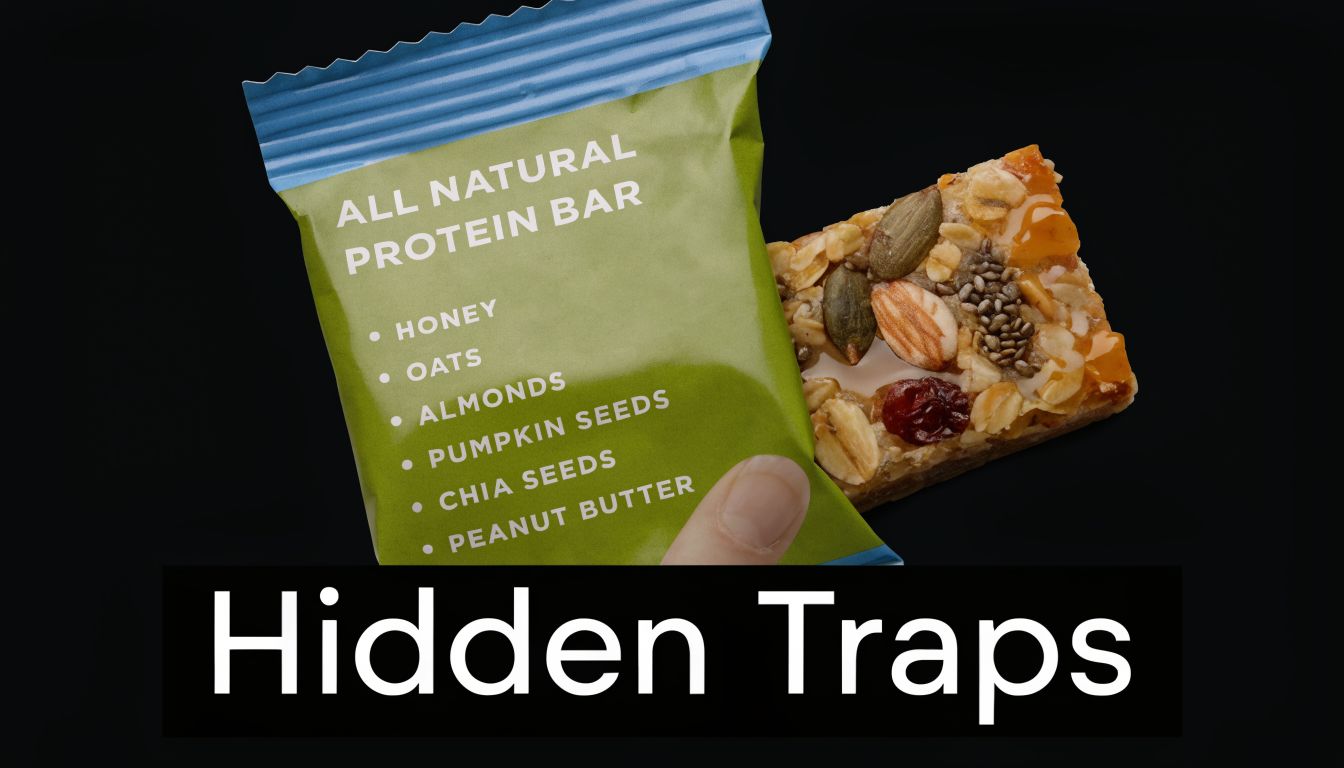
The bigger issue is protein quality and digestibility, not just the number on the front. A 2025 report summarizing a study in Scientific Reports analyzed 1,641 protein bars from OpenFoodFacts and found that protein digestibility ranged from 86% down to as low as 47%, which means some bars may provide less than half their labeled protein in a form the body can use efficiently. The same report said 81% of the bars qualified as “high in protein” on quantity alone, showing how misleading a front-of-pack claim can be. That analysis is discussed in this Fortune report on protein bar quality.
A good post-workout bar should digest cleanly, sit well, and help recovery without turning your gut into a science experiment. That matters even more after intense lifting, intervals, or long runs, when the stomach is often more sensitive than usual.
Ingredients that often cause trouble
Some ingredients are common repeat offenders:
- Sugar alcohols: Sorbitol, maltitol, erythritol, and similar sweeteners are a frequent cause of gas, bloating, and urgent bathroom trips. If a “healthy” bar wrecks your stomach, check here first.
- Very sweet flavor systems: A bar can be low in sugar and still taste like a frosted dessert. That aggressive sweetness can be hard to tolerate right after training, especially if you already feel a little nauseated.
- Low-quality protein blends: Some bars pad the label with protein sources that are cheaper, less satisfying, or not as useful for muscle repair. Collagen is the classic example. It has uses, but it should not be the main recovery protein in a post-workout bar.
- Dense fiber blends: Chicory root fiber, inulin, and similar add-ins can help texture and satiety, but they also cause bloating in plenty of active people.
- Heavy dairy loads: Whey works well for many lifters. For others, especially after hard conditioning, a dairy-heavy bar sits like a brick.
- Personal trigger ingredients: Soy and gluten are fine for many people, but if you already know they bother you, post-workout is the wrong time to gamble.
Experience matters in this context. I have seen athletes do better with a simpler bar that has slightly less protein but fewer gut triggers than a “high-performance” bar loaded with sweeteners, fibers, and filler.
If dessert-style bars are burning you out, look for alternatives to protein shakes that include simpler bars or savory, crunchy protein snacks. For some people, a less sweet option is easier to finish and easier to digest.
If the bar feels bad, it's a bad bar for you
A lot of gym-goers keep forcing bars that clearly do not agree with them because they assume discomfort is part of recovery nutrition. It is not.
Use this gut-check after eating a protein bar after workout:
- Feel bloated fast: Check for sugar alcohols, inulin, or large fiber blends.
- Get cramps on the drive home: The sweetener system or dairy load may be the problem.
- Feel hungry again an hour later: The bar may be built more like candy than recovery food.
- Get a heavy stomach: Too much fat, too much sweetness, or a protein source you do not tolerate well may be slowing everything down.
Your recovery snack should help your body settle and rebuild, not leave you managing symptoms.
Protein Bars vs Shakes vs Whole Foods
No post-workout option wins every time. The best choice depends on where you are, how fast you need nutrients, what your stomach tolerates, and whether a real meal is close.
Quick comparison that actually helps
Bars, shakes, and whole-food meals each solve a different problem. A shake is usually about speed. A meal is about completeness. A bar sits in the middle and wins on portability.
The key trade-off is digestion speed versus staying power. Compared with shakes, bars generally digest more slowly because they often contain fiber and fats, which can help with longer satiety and make them a strong option when you need portable recovery plus appetite control. That practical distinction is explained in this guide to when to eat a protein bar.
Post-Workout Fuel Comparison
| Factor | Protein Shake | Protein Bar | Whole Food Meal (e.g., Chicken & Rice) |
|---|---|---|---|
| Convenience | Very high if you have it ready | Very high and easiest to carry | Lower if you need prep or refrigeration |
| Digestion speed | Usually fastest | Moderate to slower | Usually slowest |
| Satiety | Often lower | Moderate to high | High |
| Ingredient control | High if you choose the powder and liquid | Varies a lot by brand | Highest when you cook it yourself |
| Best use case | Immediate refuel when speed matters | On-the-go recovery and appetite control | Full recovery meal when time allows |
| Common downside | Can leave you hungry soon after | Can be too sweet or hard on the gut | Not always practical right after training |
How to decide in real life
Use a shake when you need quick digestion and don't want much sitting in your stomach. That's often the better play after brutal conditioning, back-to-back sessions, or training when you're not very hungry.
Use a bar when convenience matters most and you want something that holds you over. That's especially useful when you're leaving the gym, heading to work, or you know dinner isn't happening soon.
Use whole food when you have time and access. A proper meal still gives you the most control over ingredients and the broadest nutrition profile.
If you're deciding between portable options, this breakdown of alternatives to protein shakes can help you think through what fits your routine.
The smart move isn't choosing one format forever. It's choosing the right tool for the next few hours.
Your Post-Workout Snack Plan for Any Goal
The best post-workout plan is the one that matches your schedule, digestion, and goal. Individuals don't need a perfect nutrition spreadsheet. They need a repeatable option they can stick with.
If you're plant-based
Look for a bar or savory protein snack with a solid plant protein base and an ingredient list you recognize. If dairy, soy, or gluten tend to bother you, don't force them just because a product is marketed to lifters.
Savory, crunchy options can be a relief if you're tired of brownie-style bars. They often feel more like food and less like a processed dessert.
If you're always on the move
Your best setup is simple. Keep one reliable post-workout option in your bag, car, and desk so you're not making tired decisions when training ends.
A good pattern looks like this:
- Right after training: Eat the bar or protein snack you know sits well
- Later on: Follow it with a proper meal once you're settled
- Avoid: Random gas-station "protein" choices that are mostly sweetness and marketing
If appetite control matters
Often, people overshoot in this scenario. They finish a workout, eat a dessert-style bar, and still feel unsatisfied. Then they start snacking again.
For satiety-focused recovery, look for foods that feel substantial without turning into a calorie-heavy treat. Savory formats can work well here because they don't push the same sweet-craving cycle for a lot of people.
If you want more structure beyond snacks, Meal Flow AI's muscle building meal plan offers a useful way to think through how recovery snacks fit into a full day of eating.

The simplest way to choose a protein bar after workout is this. Pick something with enough protein to do the job, enough carbs to support recovery, and ingredients your stomach can handle. If a bar checks the macro box but leaves you bloated, gassy, or hungry again fast, it's the wrong bar.
If you want a post-workout option that skips the candy-bar vibe, Gym Snack makes savory, plant-based protein snacks built for real-world training. They're crunchy, macro-friendly, free of dairy, soy, and gluten, and made for people who want clean ingredients without the overly sweet aftertaste many bars leave behind.