

Most advice about protein bars gets one thing wrong. It treats short ingredient lists as the finish line.
They aren't.
A bar can look clean on the wrapper and still leave you hungry an hour later, hit your stomach badly, or deliver a macro profile that doesn't help much before or after training. If you care about body composition, gym performance, appetite control, or making smarter convenience-food choices, you need a better filter than “looks natural.”
Why Most 'Clean' Protein Bars Are Not What They Seem
The word clean gets used like it means something precise. In practice, brands use it to describe everything from simple whole-food bars to candy-bar lookalikes with a health halo.
That matters because this isn't a tiny specialty category. The U.S. snack bar market was estimated at $11 billion to $13.2 billion in 2024, and energy and nutrition bars made up 66.2% of that revenue, according to this consumer and market analysis of the snack bar category. When a term is this loose in a market this large, confusion isn't accidental. It's built into how the aisle is sold.
A lot of shoppers assume “clean” means three things at once: less processed, better for fat loss, and easier on digestion. Those are separate questions. A bar might satisfy one and fail the other two.
What the wrapper usually hides
The front of the package sells a mood. The back label tells you the job the bar can do.
Here's where people get misled most often:
- Ingredient simplicity without functional value. A bar may use recognizable ingredients but still be low in protein or high in sugar relative to the protein it provides.
- Plant-based without digestive comfort. Vegan bars can still pack fibers, syrups, or sweeteners that don't sit well.
- High protein without appetite control. Some bars push protein but neglect fiber and end up feeling more like a dense dessert than a satisfying snack.
- Natural language without clear standards. “Wholesome,” “real,” and “nothing artificial” don't automatically tell you whether the bar supports satiety, training, or stable energy.
Why this matters for weight management
People trying to eat better often focus on avoiding ultra-processed foods, and that instinct isn't wrong. If you want a broader look at how processing can affect appetite and food quality, this piece on processed foods and weight management is a useful companion read.
Clean shouldn't mean “less guilt.” It should mean the ingredient list and the nutrition panel both make sense for your body and your goal.
That's the standard worth using. Not marketing language. Not influencer hype. Not whether the wrapper uses muted earth tones and a leaf icon.
Defining the 'Clean Ingredient' Standard
A useful standard for protein bars with clean ingredients has to be functional. If it doesn't help you shop better in ten seconds, it's too vague.
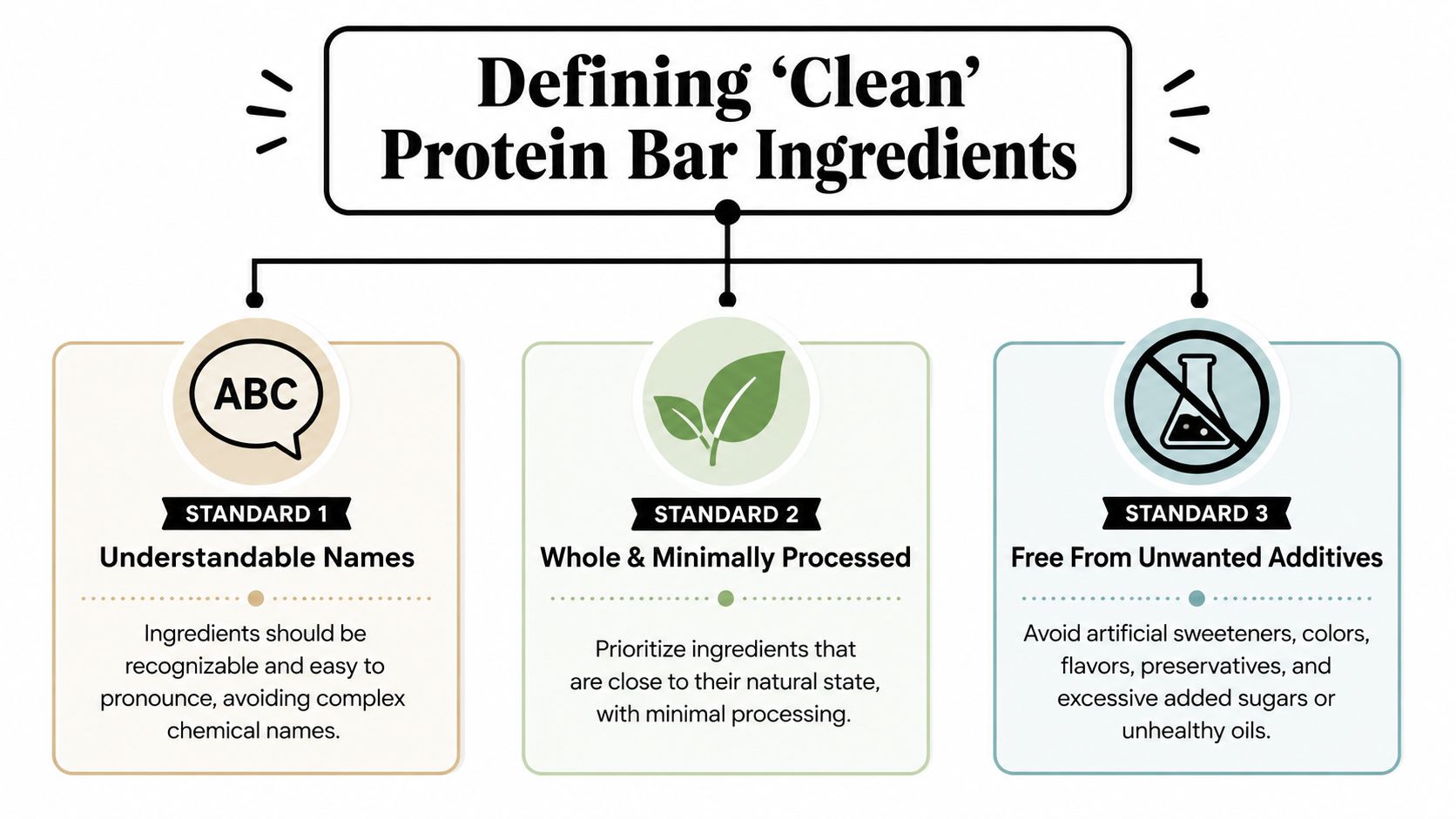
The category is getting more scrutiny for good reason. The Clean Label Project tested 165 top-selling snack and nutrition bars, and consumer guidance tied “clean” to bars with significantly more protein than sugar and ingredients such as pea protein and organic grains in its snack and nutrition bar testing overview.
The three-part standard
Working definition: A clean protein bar uses recognizable ingredients, limits unnecessary additives, and delivers a nutrition profile where protein clearly leads the formula instead of hiding behind sugar.
That breaks down into three checkpoints.
Understandable ingredients
You should be able to recognize most of the ingredient list without needing a chemistry lesson. That doesn't mean every ingredient has to sound rustic or homemade. It means the list should be transparent enough that you can tell where the protein, sweetener, fat, and fiber are coming from.
A practical primer on this broader mindset is Gym Snack's clean eating overview, especially if you're trying to separate meaningful food quality from vague wellness language.
Minimal extras
Many bars disappoint me for this reason. A clean-leaning formula usually doesn't need a parade of gums, flavor systems, fillers, and sweetener blends to hold itself together.
A few support ingredients are normal. A long list built around texture tricks usually signals that the product is more engineered than the front label suggests.
Look for bars that keep the formula tight and purposeful. If every ingredient seems to have a job, that's a better sign than a label packed with things that exist mainly to fake dessert texture.
Protein has to drive the bar
This is the part brands often bury. A bar can be organic, gluten-free, dairy-free, and still not be a strong protein snack.
If the formula doesn't give you a clear protein advantage over sugar, it isn't serving the primary purpose of a protein bar. “Clean” without enough protein is often just expensive snack food.
Your Cheat Sheet for Reading Protein Bar Labels
The fastest way to shop well is to stop reading labels like a consumer and start reading them like a coach. You're not asking whether the bar sounds healthy. You're asking whether the formulation makes sense.
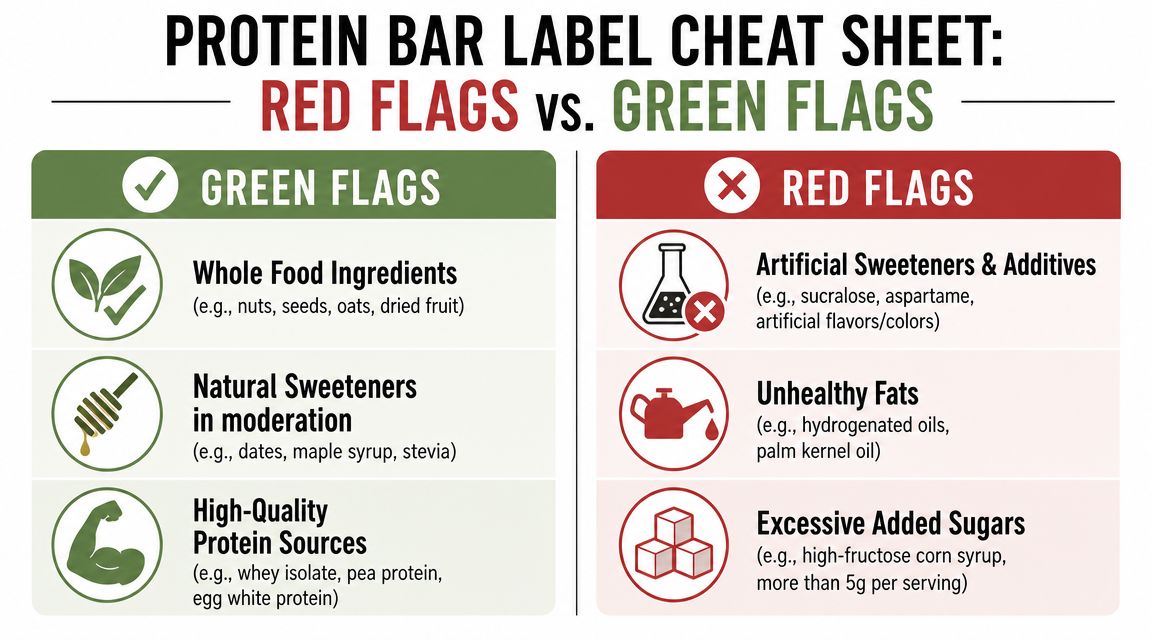
Industry guidance for cleaner formulations emphasizes short ingredient lists, organic or non-GMO inputs, avoiding artificial sweeteners and fillers, and often using blended plant proteins like pea and brown rice to improve the amino-acid profile, as explained in this guide to protein bars with clean ingredients.
Green flags worth noticing
Some ingredient patterns are consistently more useful than others.
- Protein sources that are easy to identify. Pea protein, brown rice protein, whey isolate, egg white protein, nuts, and seeds all tell you where the protein is coming from.
- Sweeteners used with restraint. Dates, stevia, monk fruit, or modest use of syrups make more sense than a formula built around a chemical-tasting sweetness overload.
- Whole-food supports. Oats, chia, flax, nuts, seeds, and cocoa can add texture and nutrition without making the label look like a supplement tub.
- Blended plant proteins. A pea-plus-rice setup often makes more practical sense than relying on one plant source by itself.
Red flags I tell clients to catch fast
Some bars wave the red flag right on the label once you know what to scan for.
| What you see | What it often means |
|---|---|
| Artificial sweeteners | A sweeter taste profile with a higher chance of aftertaste or digestive complaints for some people |
| Long filler-heavy ingredient lists | The bar needs extra help to create texture, shelf life, or flavor |
| Unclear protein hierarchy | The product is marketed as protein-forward, but the formula may lean more on syrups or starches |
| A pile of “healthy” claims on the front | The front is doing more work than the nutrition panel |
If label-reading still feels clunky, this breakdown of how to read nutrition labels is useful because it trains you to look past the marketing copy first.
A quick video can also help sharpen your eye before your next grocery run:
The practical screen I use
I keep this simple:
- Read the first few ingredients. They tell you what the bar really is.
- Find the protein source. If it takes effort to identify, that's a warning.
- Check whether the sweetness profile looks aggressive. Too many sweetening agents usually means the bar is chasing palatability over function.
- Ask what the bar is trying to be. Snack, meal bridge, post-workout option, dessert substitute. If the formula and the purpose don't match, put it back.
If the ingredient list looks cleaner than the nutrition logic, it's still not a clean win.
Understanding Key Nutrition Tradeoffs in Every Bar
Once the ingredient list passes inspection, the evaluation starts. Bars live or die on tradeoffs.
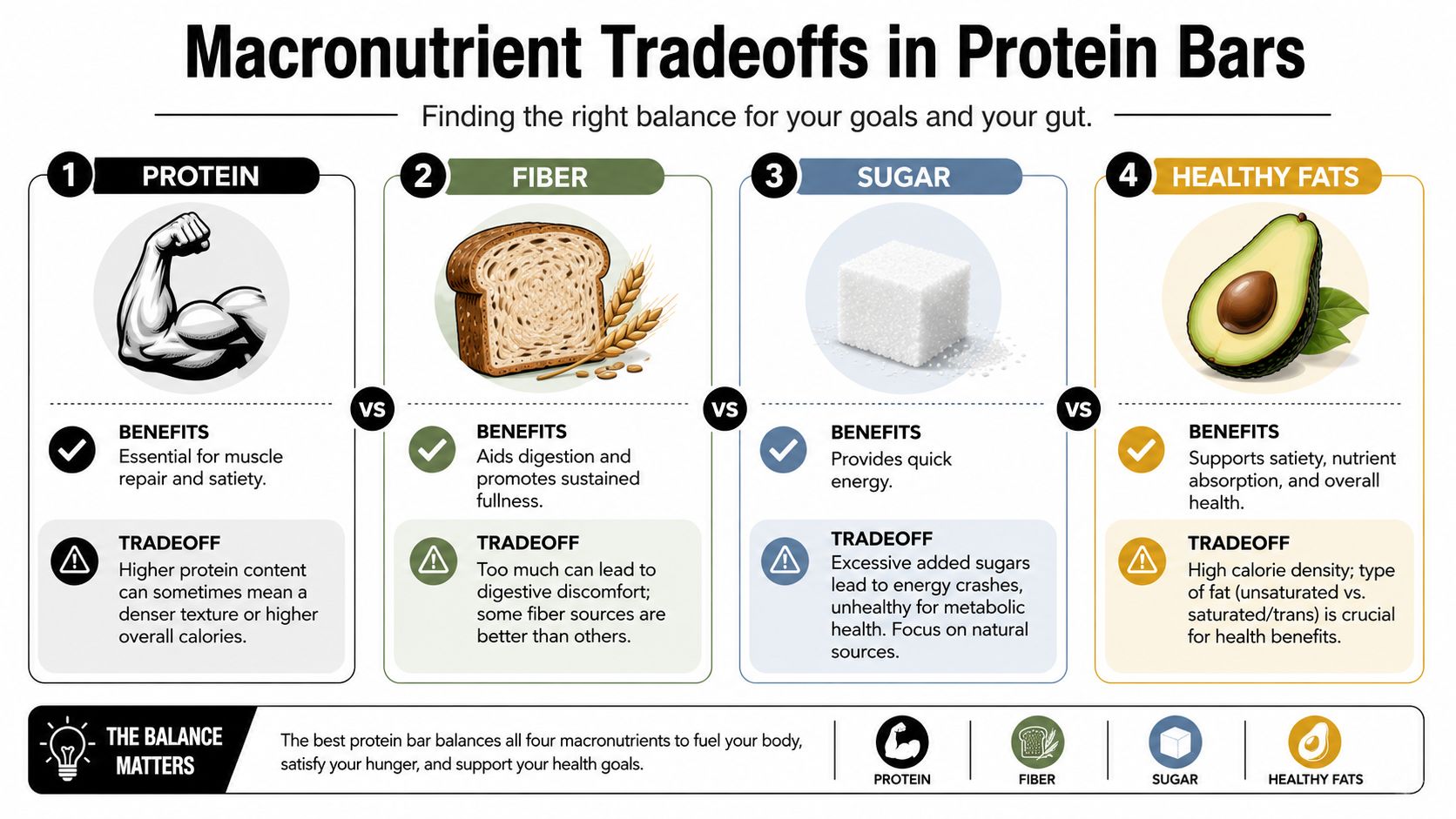
For satiety and blood-sugar stability, guidance recommends protein far exceeding sugar, and bars with 8g+ protein plus about 3g to 10g fiber are commonly cited as a useful benchmark for a filling snack in this dietitian-style guide to what to look for in protein bars.
Protein versus sugar
This is the first tradeoff to judge because it shapes how the bar feels after you eat it.
A bar with more sugar relative to protein tends to act more like a quick snack than a stable one. A bar where protein clearly leads usually fits better for appetite control, steadier energy, and recovery support.
That doesn't mean sugar is automatically bad. It means the bar should make sense for the use case. A sweeter bar may fit around training for some people. It usually doesn't work as well as an everyday desk-drawer hunger fix.
Fiber versus comfort
Fiber helps a bar feel like it landed. It works with protein to stretch fullness and smooth out the energy curve.
But more isn't always better. Some bars cram in enough fiber to create bloating, especially if the source is poorly tolerated or if you're eating the bar quickly before training, during a commute, or while already dealing with a sensitive gut.
A bar should feel satisfying, not like a digestion experiment.
Fat versus speed
Healthy fats can improve staying power. Nuts and seeds often help a bar feel more like food and less like candy in disguise.
The tradeoff is pacing. Higher-fat bars may digest more slowly, which some people like for sustained fullness and others hate before training. Context matters.
That same context matters in other foods too. If you're trying to compare how protein, fat, and sugar work together in common staples, this explainer on 1 percent milk nutrition is a good example of why food quality isn't just about one macro in isolation.
Different goals need different bar logic
- Post-workout often calls for a bar that gets protein in without feeling heavy.
- Mid-afternoon hunger usually benefits from a stronger protein-plus-fiber combo.
- Travel or busy workdays may justify a denser bar with more staying power.
- Pre-workout often works better with simpler digestion and less fiber overload.
The mistake is expecting one bar to be perfect at every job. Good shoppers don't just ask whether a bar is clean. They ask whether the macro tradeoffs fit the moment.
Customizing Your Choice for Specific Health Goals
A bar that works for a lifter chasing recovery may be a bad choice for someone on a GLP-1 medication who already struggles with appetite shifts and nausea. In such cases, generic “healthy snack” advice falls apart.
Independent nutrition guidance notes that many supposedly clean bars still trigger digestive issues, and that artificial sweeteners and sugar alcohols like maltitol are common problems in this review of healthy protein bar options and ingredient concerns.
For gym-goers
Training changes the standard. You need a bar that isn't just tidy on paper but useful in practice.
Look for a clear protein-first setup and avoid bars that feel like disguised treats. If your stomach gets sensitive around workouts, don't assume a “natural” bar will be easy to tolerate. Dense fibers, rich fats, and certain sweeteners can all backfire when timing matters.
For plant-based eaters
Plant-based bars can work well, but the protein source matters. Bars that combine pea protein with complementary sources like brown rice or seeds usually make more sense than formulas built around a single weaker source.
This is also one area where a savory option can solve problems that sweet bars create. Gym Snack makes plant-based savory protein snacks built around pea protein with an allergen-conscious formula, which may suit people who want a cleaner, less dessert-like option between meals.
For GLP-1 users and weight-management goals
This group needs a different lens. Appetite suppression doesn't remove the need for protein. It increases the importance of making each eating opportunity count.
The wrong bar can feel too sweet, too dense, or too rough on digestion. The right one tends to have a clear protein advantage, enough fiber to help with fullness, and ingredients that don't turn satiety into bloating.
If muscle retention is part of your focus while using these medications, BionicGym's guide to GLP-1 muscle health adds useful context on protecting lean mass while appetite is lower.
A simple rule for sensitive digestion
If you regularly get gas, cramping, or a heavy stomach after bars, stop treating that as normal. The bar may be “clean” in a branding sense and still be wrong for your gut.
Common issues often come down to the sweetener system, fiber type, or a formula that packs too many functional ingredients into one small serving.
Thinking Beyond the Bar with Savory Protein Snacks
A lot of people don't have a protein problem. They have a sweet protein fatigue problem.
After enough cookie dough, brownie batter, chocolate swirl, and caramel crunch bars, even a decent formula starts to feel repetitive. The market leans dessert because dessert sells. That doesn't mean dessert-style bars are the smartest everyday option.
Why savory often feels more satisfying
Savory snacks can break the mental link between “protein snack” and “healthy candy.” For many people, that means less flavor burnout and better appetite control.
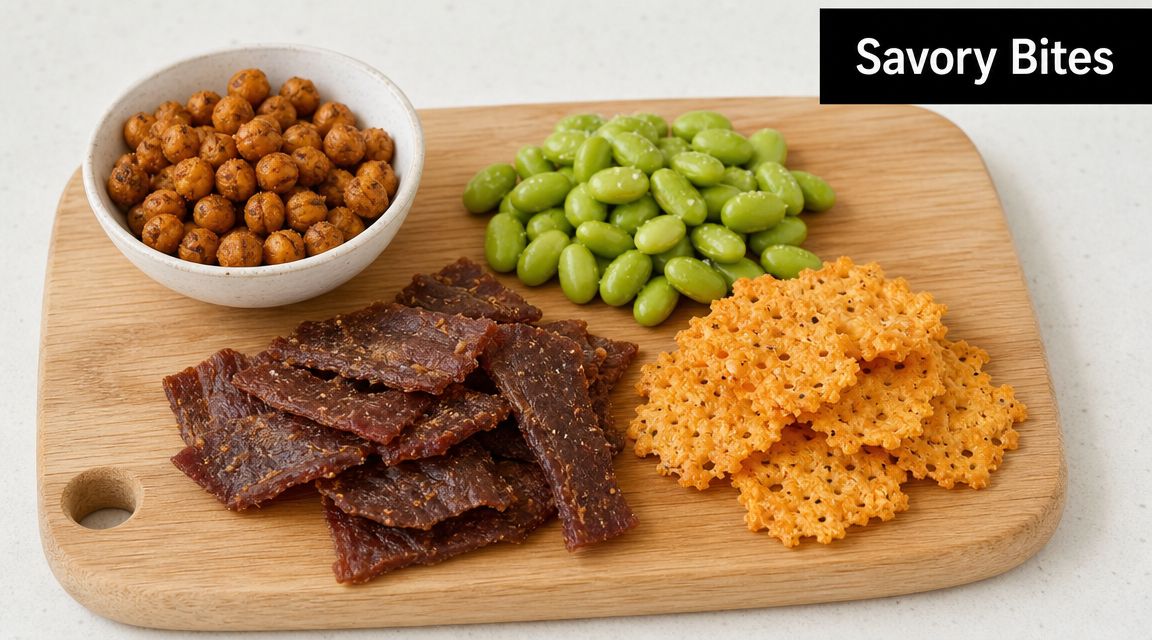
Crunch helps too. A snack that feels like actual food often registers differently from a soft, sticky bar you finish in a few bites. If you want more ideas in that lane, this roundup of high-protein savory snacks is a good place to browse alternatives.
An easy DIY option
You don't need a fancy recipe.
Try roasted chickpeas with olive oil, smoked paprika, garlic powder, salt, and nutritional yeast. Roast until crisp, cool fully, and store them dry so they keep their crunch.
Or use mixed nuts with nutritional yeast, black pepper, and a pinch of chili powder if you want something richer and less sweet without relying on bar textures at all.
Savory snacks give you more control. You can build around crunch, salt, spice, and protein instead of defaulting to dessert every time you need convenience.
That's often the missing move for people who say they're tired of bars but keep buying them anyway.
Your Final Checklist for Smarter Shopping
The last shift is mental. Stop asking whether a bar looks healthy. Ask whether it can do a job.
A clean label by itself doesn't guarantee fullness or performance. As noted in this review of clean protein bars and what makes them actually useful, the primary goal is to find products that are both clean and built around a high-protein, low-sugar profile that supports recovery and satiety.
The checklist I want you to use
Take this into the store with you:
- Check the protein role. Protein should lead the formula, not appear as a marketing prop.
- Scan the sweetener strategy. If the bar leans hard on sweetness, ask whether that's helping function or just making the bar easier to sell.
- Judge fiber by tolerance, not hype. A filling bar that wrecks your stomach isn't a good bar for you.
- Match the bar to the moment. Pre-workout, post-workout, commute, afternoon hunger, travel. These aren't the same use case.
- Treat “clean” as a starting point. Ingredient quality matters, but performance, appetite control, and digestion matter too.
What works and what usually doesn't
What works is boring in the best way. A bar with identifiable protein, sensible sweetness, enough structure to keep you full, and no ingredient gimmicks that your stomach has to fight through.
What usually doesn't is the halo product. The one that markets itself with purity language while delivering a confusing mix of syrups, sweeteners, and just enough protein to justify the word “protein” on the wrapper.
The smartest buyers don't chase the cleanest-looking bar. They pick the one that supports their training, appetite, and digestion with the least friction.
If you use that filter, the aisle gets a lot less confusing.
If you're ready to move beyond sweet, dessert-style options, Gym Snack offers a savory approach to protein snacking with plant-based, pea-protein products designed for people who want clean ingredients, strong macros, and a crunchier alternative to the usual bar format.