

Most advice about vegan snacking starts with the wrong question. It asks whether a snack is vegan, not whether it helps you train, recover, or stay full between meals. For gym-goers, that difference matters. A bag of chips, a fruit cup, or a rice cracker can fit a plant-based diet and still fail the protein test completely.
The real issue is protein density. Savory vegan snacks often win on convenience and taste, but many of them still behave like quick carbs with seasoning. They can fit a plant-based routine without doing much for appetite control, post-workout recovery, or the long stretch between training and your next meal.
That gap is what this article focuses on. The goal is to separate snacks that are vegan from snacks that function as pre- or post-workout fuel, with a practical look at protein, ingredient quality, digestion, and real-world use.
Why Most Vegan Snacks Fail the Protein Test
Most vegan snack roundups still center convenience foods that look healthy but do not act like fuel. Fruit, pretzels, rice crackers, and many accidental-vegan chips can fit a plant-based diet, yet they usually bring very little protein, which is the nutrient that determines how long a snack keeps you satisfied.
Vegan doesn't mean performance-ready
A snack can be plant-based and still be mostly a flavor hit. That is the problem for anyone trying to manage appetite, support lifting sessions, or avoid the crash that follows a carb-only bite. Snacks that rely on starch without enough protein digest quickly, so hunger comes back before the workday or training block is over.
Practical rule: If a savory snack does not meaningfully contribute protein, it is a convenience food, not a recovery tool.
That protein-density gap is easy to miss because savory packaged formats dominate the plant-based snack market. Fact.MR estimated the global plant-based snack market at US$16.02 billion in 2024 and projected US$36.91 billion by 2034, and another study projected the market to USD 38.69 billion by 2032 Fact.MR. Those projections show strong demand, but demand alone does not fix weak macros.
What a functional snack has to do
A real training snack needs to do at least one of three things. It should hold you over, support post-workout intake, or bridge meals without dragging down your energy. That usually means enough protein to matter, with fiber and fats helping slow digestion and improve satiety. Snacks that are mostly starch can still have a place, but they work better as quick carbs than as the core of a gym-friendly snack strategy.
If you are scanning a label, ask a blunt question. Does this snack give you enough protein to matter, or is it only there to taste salty and keep you chewing?
Nutritional Benchmarks for High-Protein Vegan Savory Snacks
A vegan savory snack earns its place in a gym bag when it helps you get through training, commute, and work without another food break ten minutes later. Protein density is the first filter, because flavor alone does not keep hunger down. Fiber, moderate fat, and a short ingredient list can help too, especially if you want something that sits well before a lift or after cardio.
What to look for on the label
Start with protein. For a snack to work like real fuel, I look for at least 10 to 15 grams of protein per serving when it is meant to bridge a workout window or stand in for a light mini-meal. Lower protein can still work for casual snacking, but it usually will not change satiety much.
Then check the rest of the panel:
- Protein first: Look for a meaningful serving of pea protein, lentils, chickpeas, fava beans, or another legume-based protein source.
- Fiber present: Fiber helps the snack sit better and usually keeps hunger quieter for longer.
- Saturated fat low: You want some richness, not a snack that feels heavy before training.
- Allergen profile clear: Dairy-free, soy-free, and gluten-free options can be easier for many people to digest, especially if you already know certain ingredients bother you.
- Ingredient list readable: If the label reads like a lab form, the snack is probably built more for shelf stability than for everyday eating.
Long ingredient lists are not automatically bad, but they usually signal a more processed product, and processed is not the same thing as satisfying.
Specific ingredients tell you a lot here. Pea protein isolate, roasted chickpeas, lentil flour, fava bean flour, pumpkin seeds, sunflower seeds, sesame seeds, and hemp seeds can all support a better macro profile than a snack built mostly from refined starch. I also pay attention to how those ingredients are used. A product with split peas and seeds can feel more filling than one that leans on rice flour, tapioca, and seasoning alone.
The formulation matters too. A neutral product specification for a vegan nugget shows that savory plant-based foods are often built around a sensory target like “savoury, meat-like” texture while still needing microbiological control such as aerobic plate count ≤1×10^4 CFU/g and yeast & mould ≤1×10^2 CFU/g vegan nugget specification PDF. That is a reminder that good vegan savory snacks are not just about macros, they also have to stay stable, safe, and pleasant to eat.
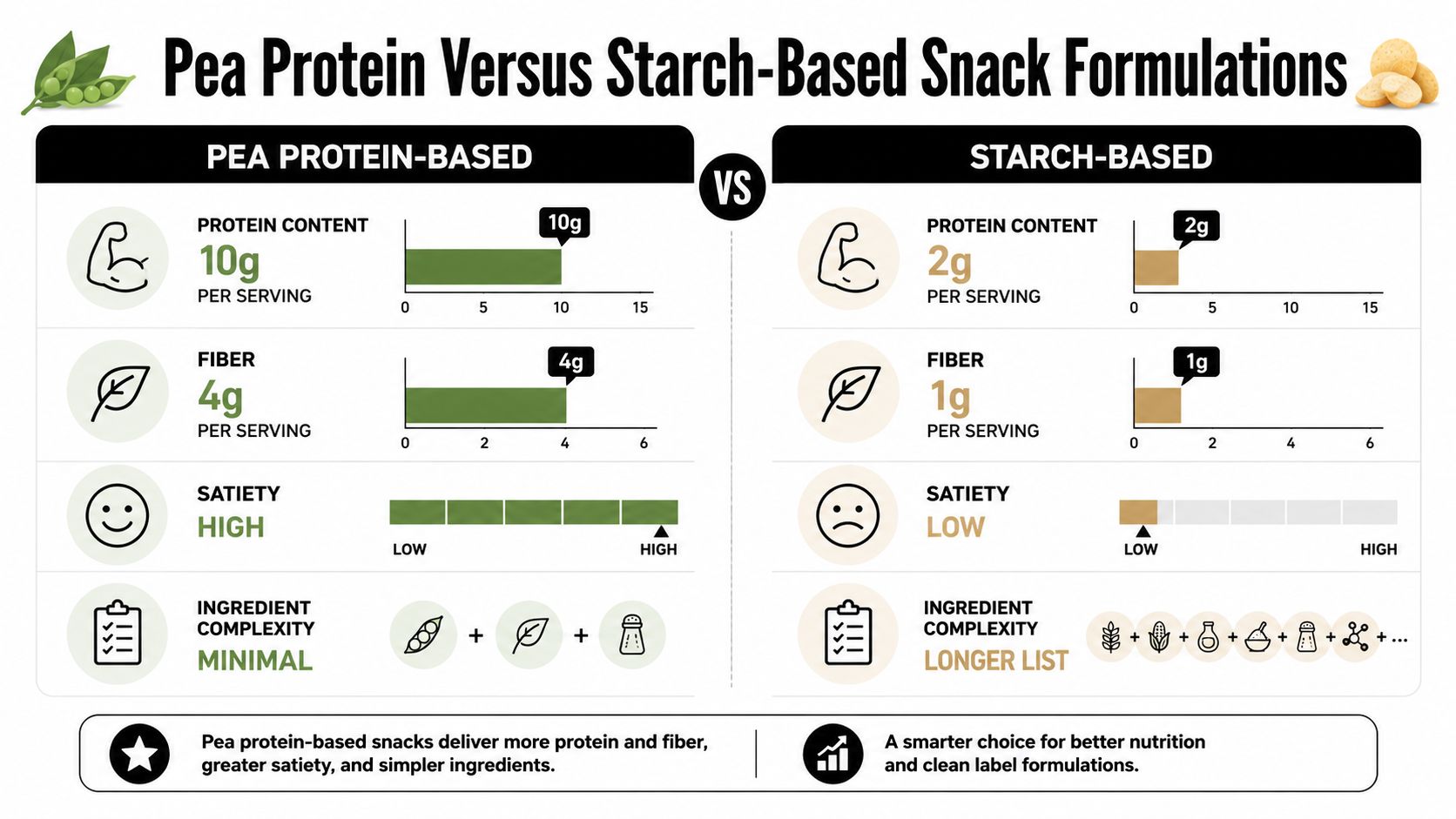
From a sports nutrition angle, the better choice is usually the one that gives you protein without forcing you to eat a huge portion. That is why a pea protein chip, a lentil puff, or a chickpea-based cracker can work better than a starch-heavy bite that tastes good but disappears fast. The practical test is simple. If the snack helps you stay steady between sessions, it is doing its job.
Pea Protein Versus Starch-Based Snack Formulations
Pea protein and starch-based snacks can both crunch, but they don't behave the same in your mouth or in your macros. Starch-heavy crisps and crackers usually deliver fast texture and easy snacking, yet they often fall short on protein density. Pea protein-based snacks give you a better nutritional return, but they demand smarter formulation.
Texture is the trade-off
Pea protein isolates bring real functional value, but they can also make a snack chalky, brittle, or dry if the formula isn't balanced well. That's why the best savory vegan snacks usually combine protein with starch and fat instead of trying to force protein to do everything on its own. The fat phase helps lubricate the bite, reduce perceived dryness, and make the crunch feel more satisfying.
That's also why some high-protein snacks taste way better than others. The protein source matters, but so does hydration, extrusion, baking, and the way the seasoning clings to the surface. A weak formula gives you a dusty, brittle bite. A better one gives you a crisp shell and a clean finish.
Why some formulations work better in real life
For gym use, the goal isn't just “more protein.” It's a snack that feels edible on a busy day and doesn't fight your palate. That's where products built around pea protein have an edge, especially when they're designed for a savory craving instead of dessert-style sweetness.
If you want a deeper look at how pea protein can be turned into a snack texture that works, the textured pea protein guide is a useful technical reference. For home cooks, rice flour can also play a role in creating crisp savory bases, and a sweet and savoury rice flour guide can help you see how different starches affect bite.
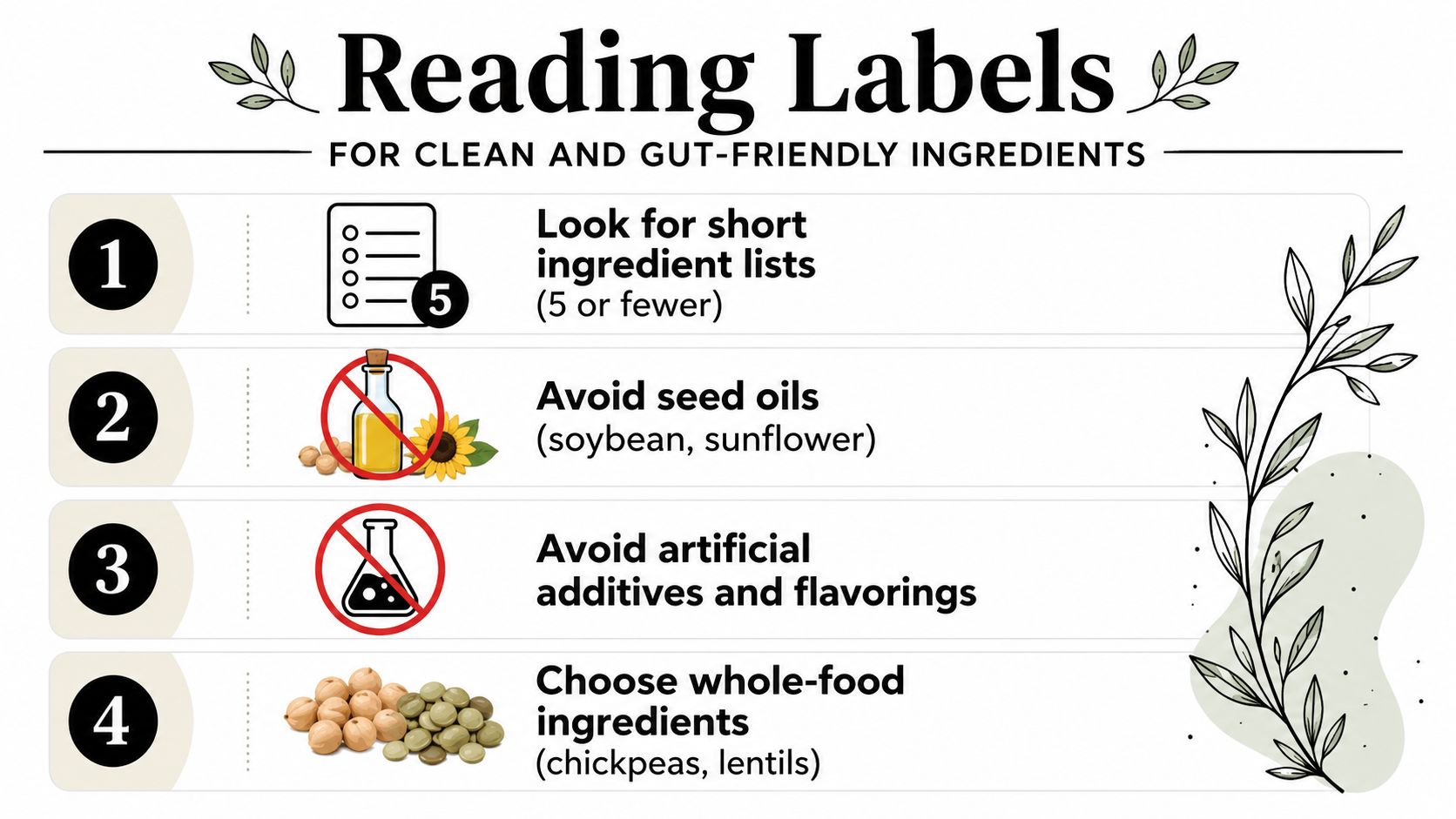
The technical lesson is simple. Protein-forward snacks need structure, and structure comes from a balanced formula, not from pea protein alone. When the formulation is done well, the snack feels like food, not a compromise.
Reading Labels for Clean and Gut-Friendly Ingredients
A clean label doesn't guarantee a great snack, but it usually makes the odds better. Many vegan savory snacks are technically plant-based while still relying on long additive lists, heavy oils, or ingredients that make sensitive stomachs unhappy. If you train often, digestibility is part of performance.
Read the ingredient list before the front of pack
The front of the bag can say all the right things. The ingredient list tells the story. I look for short, understandable lists first, then I check whether the snack uses ingredients that fit my own tolerance and goals.
- Keep the list short: Fewer ingredients usually means fewer moving parts and fewer surprises.
- Watch the oil choice: Some shoppers prefer to avoid soybean or sunflower oils, especially when they want a cleaner everyday snack.
- Skip artificial flavor systems: If a snack depends on a lot of artificial additives to taste like food, it often feels worse than it sounds.
- Prefer whole-food anchors: Chickpeas, lentils, nuts, seeds, and legumes tend to give savory snacks more structure and better satiety.
Allergen-conscious snacks matter too. If you avoid dairy, soy, or gluten, a plant-based label alone won't tell you enough. The better products make those boundaries obvious instead of burying them in fine print.
Convenience and gut comfort can coexist
There's a common mistake here. People assume clean means bland, and highly processed means tasty. That's not true. The best snacks keep the ingredient list readable while still delivering seasoning, crunch, and enough protein to function between meals.
Clean ingredients don't fix a weak macro profile, but they do make it easier to eat a snack more than once a week without feeling off.
If you're learning the label side of this, the nutrition-label reading guide is a practical starting point. It's the kind of skill that helps you spot the difference between a snack that sounds healthy and one that fits your routine.
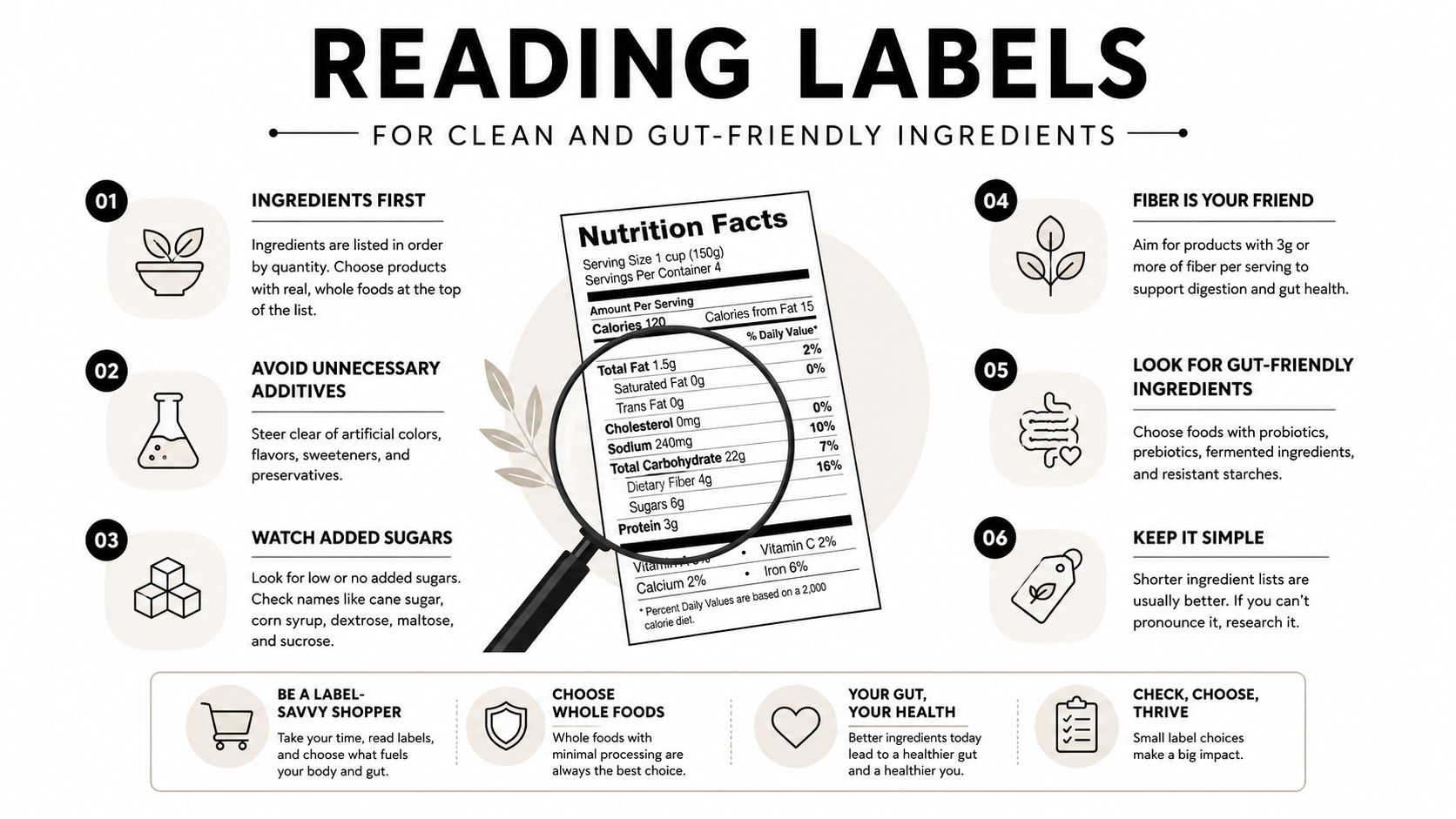
The takeaway is straightforward. Technically vegan isn't the same as easy to digest, easy to trust, and easy to repeat.
Real-World Use Cases for Vegan Savory Protein Snacks
A snack works only when it fits the moment. Pre-workout, post-workout, desk snack, commute snack, late-afternoon rescue snack, each one asks for something different. The same bag of vegan savory snacks can be brilliant in one situation and mediocre in another.
Before training, keep it light but not empty
Pre-workout snacks should be easy on the stomach and useful enough to prevent that flat, underfed feeling halfway through the session. A savory protein snack can work here if you pair it with a quick carb, like fruit, instead of trying to make the snack do everything on its own. The point is energy plus comfort, not a heavy meal sitting in your gut.
After training, the same snack can play a different role. If your session was short and your next meal is close, a protein-forward savory snack can bridge the gap without pushing you into dessert territory. That's why I like portable options with a strong crunch and a clear protein count. They feel more deliberate than grabbing random chips because you're hungry.
Build the snack around the day you're having
For a desk day, a savory protein snack with a clear ingredient list keeps you from grazing on candy or crackers. For a long commute, something sealed, shelf-stable, and not crumbly makes life easier. For a travel day, allergens matter even more, because airport and hotel food is often a minefield.
The market is moving toward these kinds of products for a reason. Savory plant-based snacks with better sensory appeal and convenience are getting more attention, and that tracks with what gym-goers want Symrise overview of savory plant-based snack innovation. If you're the kind of person who checks options before heading out, the THC drink directory is an example of how niche directories can make browsing simpler, even though the category is obviously different.
One practical product example in this space is a pea-protein-based savory snack like Gym Snack, which is designed as a plant-based option for training and recovery. The broader point is not the brand itself, it's the format, a crunchy savory snack that contributes protein instead of just salt and texture.
Quick DIY Savory Vegan Snack Recipes
Store-bought snacks are convenient, but homemade options let you control protein, seasoning, and cost. You also get to make them taste like the food you crave, which matters more than most recipe blogs admit. A good DIY snack should be fast, repeatable, and easy to batch.
Roasted chickpeas with a training-day twist
Toss cooked chickpeas with olive oil, smoked paprika, garlic powder, and salt, then roast until crisp. For a sharper gym-day version, add nutritional yeast and black pepper after baking. Keep the batch dry and store it loosely until completely cool, otherwise the crunch fades fast.
Spiced nut and seed mix
Mix almonds, pumpkin seeds, and sunflower seeds with chili powder, cumin, and a little sea salt. If you want more protein per bite, lean harder on seeds and add roasted edamame when you can find it. This is the snack I'd pack for a long day because it travels well and doesn't collapse under its own flavor.
Savory hummus plate
Blend hummus with lemon, garlic, tahini, and a little extra salt, then serve with cucumber, celery, bell pepper, or toasted pita. If you want more staying power, add roasted chickpeas on top. The dip gives you creaminess, the vegetables give you crunch, and the chickpeas bring the protein up.
Protein chips at home
If you want a more direct savory crunch, a recipe like the protein chips recipe can be a useful base for experimenting. Homemade versions won't always beat a great packaged snack on texture, but they do let you control seasoning and protein sources more tightly.
Batch once, snack all week. That's the part people skip, and it's usually the part that makes the whole system work.
Building Your Vegan Savory Snack Pantry
A pantry works when it removes guesswork. If the only things within reach are a sweet bar or plain crackers, you'll eat whatever is there and call it a snack. If your shelf already holds a few solid vegan savory snacks, you can choose based on training, hunger, and schedule instead of convenience alone.
Stock by use case, not by hype
Keep a few categories on hand:
- Fast pre-workout options: Light savory protein snacks plus fruit.
- Desk-friendly choices: Crunchy, shelf-stable snacks with clear ingredients.
- Recovery fillers: Higher-protein options that can bridge you to your next meal.
- Travel backups: Individually packaged snacks that survive heat, bags, and time.
Rotate flavors so you do not get stuck eating the same seasoning profile until it stops tasting good. Cheeze-style blends work for days when you want something bold without sweetness. Jalapeño, herb, smoky paprika, roasted garlic, and curry-style seasonings each change the eating experience while still doing the same job. If you train hard, variety matters because boredom is one of the fastest ways to abandon a snack that otherwise fits your macros.
Build the shelf around what you will repurchase. A pantry full of clever one-off items looks organized, but the test is whether the snacks work before a session, after a session, or during a long workday without leaving you hungry an hour later.
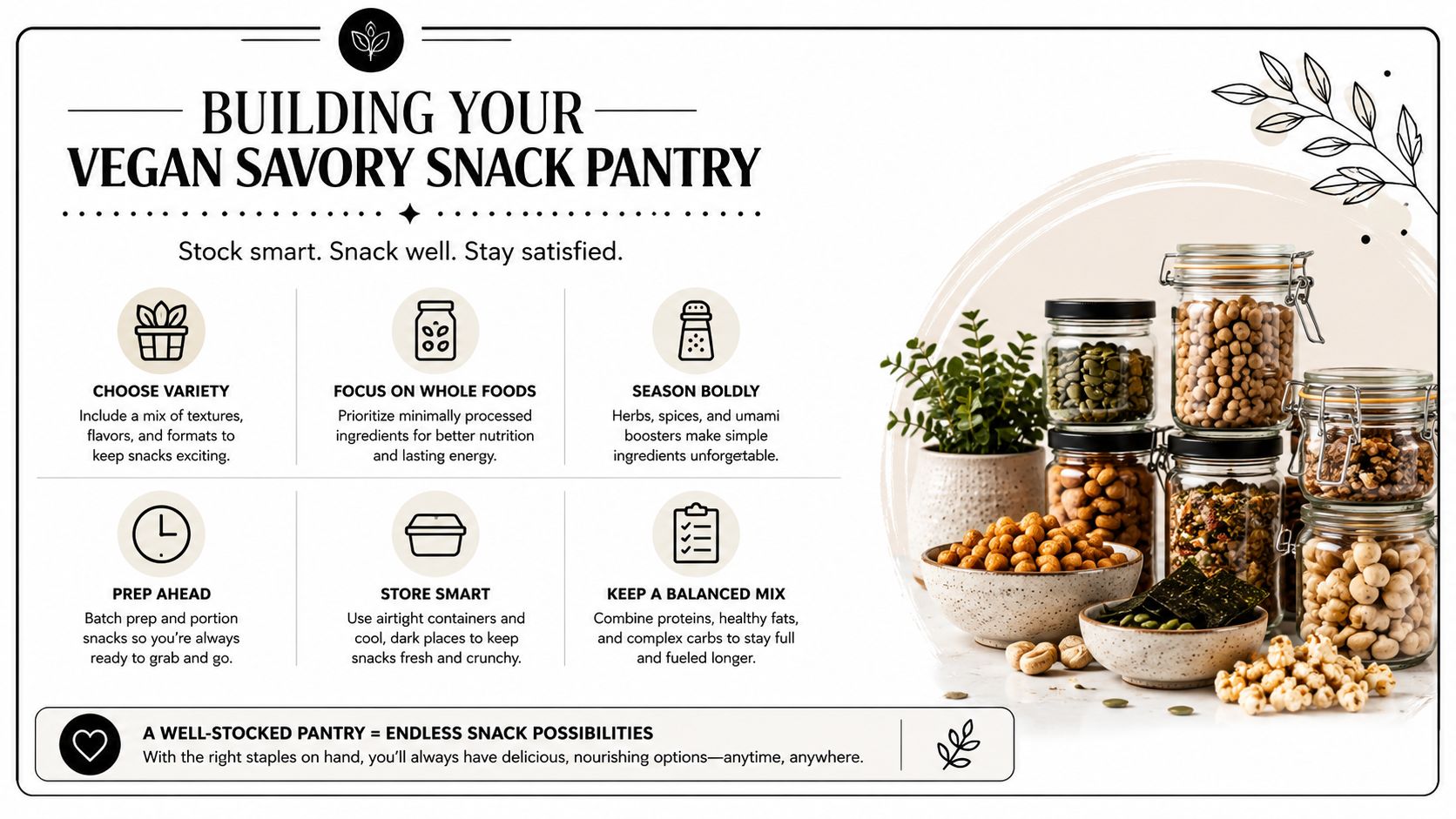
If you want one simple decision rule, use this. Protein first, ingredient list second, taste third, convenience always. That order keeps the pantry focused on snacks that support training, not just snacks that disappear quickly.
To make that easier, keep a mix of flavor types instead of only one style. Savory vegan snacks tend to hold up better when you alternate between salty and bright profiles, like smoked, chili-lime, herb-forward, garlic-heavy, and nutritional yeast-based options. Those flavors feel different enough to keep eating them, but they still work as real fuel when you are trying to stay on track between meals.