

Welcome to your definitive roadmap for unlocking peak performance, starting from the inside out. In the world of fitness, we often obsess over macros, training splits, and recovery protocols, yet the true foundation of strength, energy, and resilience lies within an often-overlooked ecosystem: your gut microbiome. Optimizing this internal environment is not just about avoiding bloating; it's about enhancing nutrient absorption, taming inflammation, and supporting the hormones that regulate energy and satiety.
The connection between gut health and athletic performance is a scientific reality. Intense training can stress the intestinal lining, potentially leading to systemic inflammation and hindering recovery. Choosing the best foods for gut health can fortify your defenses, transforming your digestive system into a powerhouse for nutrient utilization and peak physical output. A high-performance gut is the unsung hero of a high-performance body, directly impacting how you fuel, recover, and feel day-to-day.
This guide moves beyond generic advice like 'eat more fiber.' We are diving deep into science-backed, actionable strategies you need to build a truly resilient gut. We will explore 10 categories of powerhouse foods, from prebiotic fibers that selectively feed your beneficial gut bacteria to specific amino acids that help repair your intestinal wall. You will learn not just what to eat, but exactly how to integrate these foods into your daily routine for maximum impact, including how to choose smart, gut-friendly protein sources that support your goals without compromise. Prepare to transform your gut into the engine of your athletic success.
1. Pea Protein: The Gut-Friendly Foundation
When building a diet for optimal gut health, protein is a critical macronutrient, but not all sources are created equal. Pea protein, a plant-based powerhouse derived from yellow split peas, stands out as an exceptionally gut-friendly option. It offers a complete amino acid profile, is hypoallergenic, and boasts high digestibility, making it a superior choice for those who experience digestive distress, such as bloating or inflammation, from whey or soy proteins.

Unlike some animal proteins that can be harsh on the digestive system, pea protein supports muscle repair and satiety without causing gut irritation. Its inherent fiber content acts as a prebiotic, providing nourishment for beneficial gut bacteria and fostering a diverse, resilient microbiome. This makes it one of the best foods for gut health, especially for athletes and active individuals needing clean, effective fuel. For a deeper dive into its advantages, you can explore the comprehensive benefits of pea protein powder and see how it supports both performance and wellness.
How to Incorporate Pea Protein
You can find pea protein in various forms, from powders to ready-to-eat snacks. Brands like Orgain and RXBAR feature it in their plant-based product lines, while Beyond Meat leverages its texture and nutritional value. For a savory, high-protein crunch, Gym Snack's Cheddar Cheeze snacks use pea protein as their primary ingredient, offering a convenient way to fuel your body on the go.
Practical Tips for Success
To maximize the gut-friendly benefits of pea protein, follow these simple guidelines:
- Hydrate Properly: Consume plenty of water throughout the day. This helps the natural fiber in pea protein do its job effectively, aiding smooth digestion.
- Create a Synergistic Effect: Pair pea protein with other prebiotic-rich foods like garlic, onions, or asparagus in your meals to give your gut microbes an extra boost.
- Start Slowly: If you're new to pea protein or high-fiber foods, begin with a smaller serving size and gradually increase it. This allows your digestive system to adapt comfortably.
- Enhance Nutrient Absorption: Combine pea protein with a source of vitamin C, such as citrus fruits or bell peppers, to improve your body's absorption of the plant-based iron it contains.
2. Fermented Foods & Probiotics: Cultivating a Thriving Microbiome
Fermented foods are living ecosystems teeming with beneficial bacteria, known as probiotics, that actively colonize and enrich your gut. The fermentation process not only preserves food but also creates a wealth of these live microorganisms, which improve digestion, enhance nutrient absorption, and fortify your immune system. Including these foods is a direct way to introduce diverse, beneficial strains into your microbiome, making them some of the best foods for gut health.
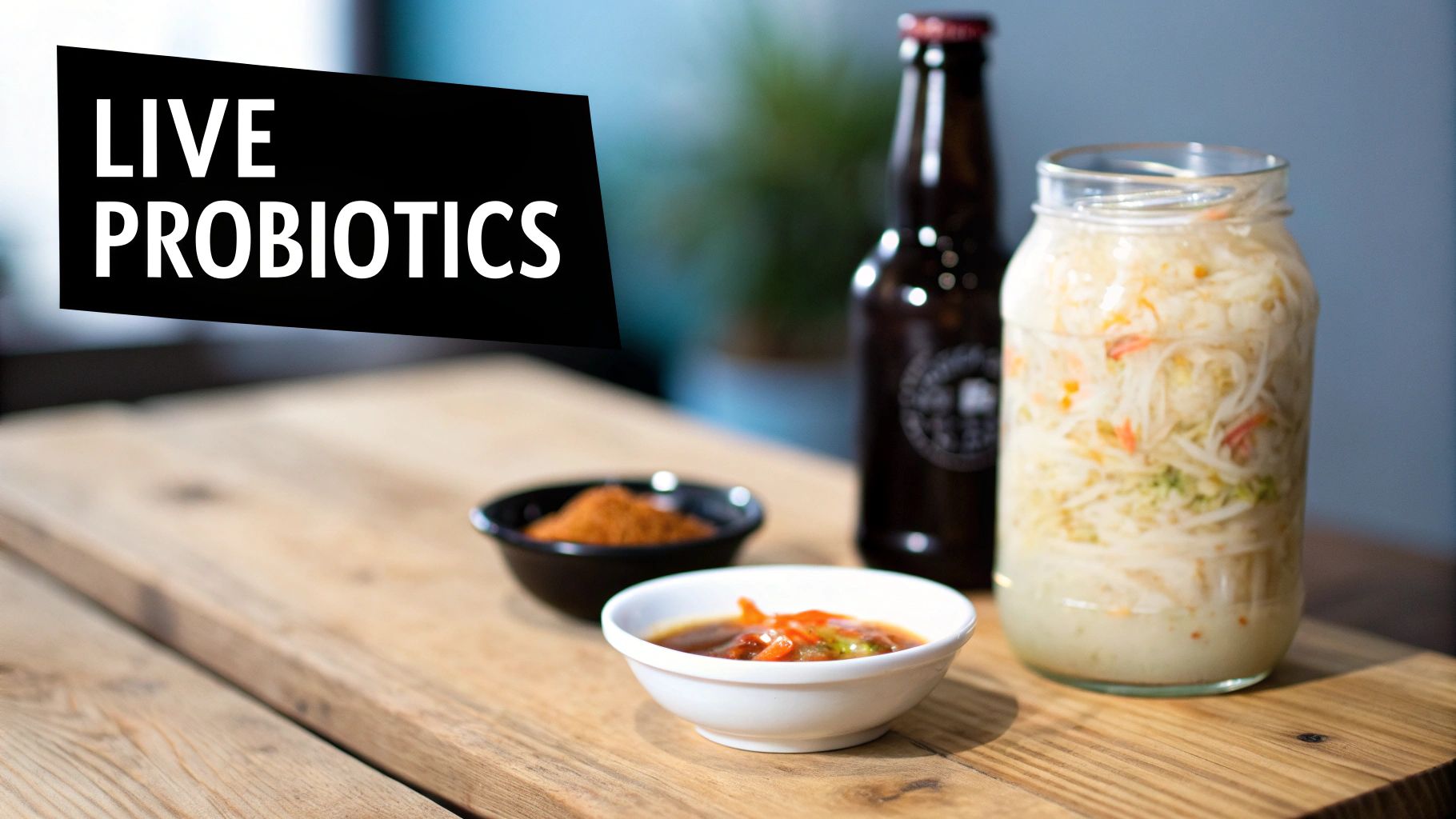
For active individuals, these foods are particularly crucial. Probiotics help reduce exercise-induced inflammation and strengthen the intestinal barrier, which can be stressed during intense training. By supporting a healthy gut lining, fermented foods like kimchi, sauerkraut, kombucha, and tempeh contribute to faster recovery and overall resilience. Tempeh, a fermented soy product, is especially valuable as it provides both probiotics and a complete, plant-based protein source. For those exploring clean, high-protein options, discovering other powerful dairy-free protein sources can further complement a gut-friendly diet.
How to Incorporate Fermented Foods
Integrating these probiotic powerhouses is simple. You can add a spoonful of sauerkraut or kimchi to salads and sandwiches, sip on kombucha as a refreshing alternative to soda, or use tempeh as a protein base in stir-fries. For those interested in creating your own probiotic powerhouses at home, learning how to make homemade yogurt can be a rewarding experience.
Practical Tips for Success
To get the most out of fermented foods, keep these tips in mind:
- Choose Unpasteurized: Look for labels that say "live and active cultures" or "raw." Pasteurization (heating) kills the beneficial bacteria, negating the probiotic benefits.
- Rotate Your Sources: Different fermented foods contain different strains of probiotics. Varying your intake of kimchi, kombucha, and tempeh will help build a more diverse and robust microbiome.
- Start with Small Servings: If you are new to fermented foods, begin with a small amount, like one or two tablespoons per day, to allow your gut to adjust without discomfort.
- Pair with Meals: Consuming probiotics with food can help buffer them from stomach acid, increasing the chances that more beneficial bacteria will survive the journey to your intestines.
3. Fiber-Rich Whole Grains: Fueling Your Microbiome
Whole grains are fundamental components of a diet geared toward digestive wellness, acting as a primary food source for your beneficial gut bacteria. Grains like oats, quinoa, brown rice, and barley are packed with both soluble and insoluble fiber. This dynamic combination promotes regular bowel movements while the intact bran and germ layers provide sustained energy, making them one of the best foods for gut health for active individuals.
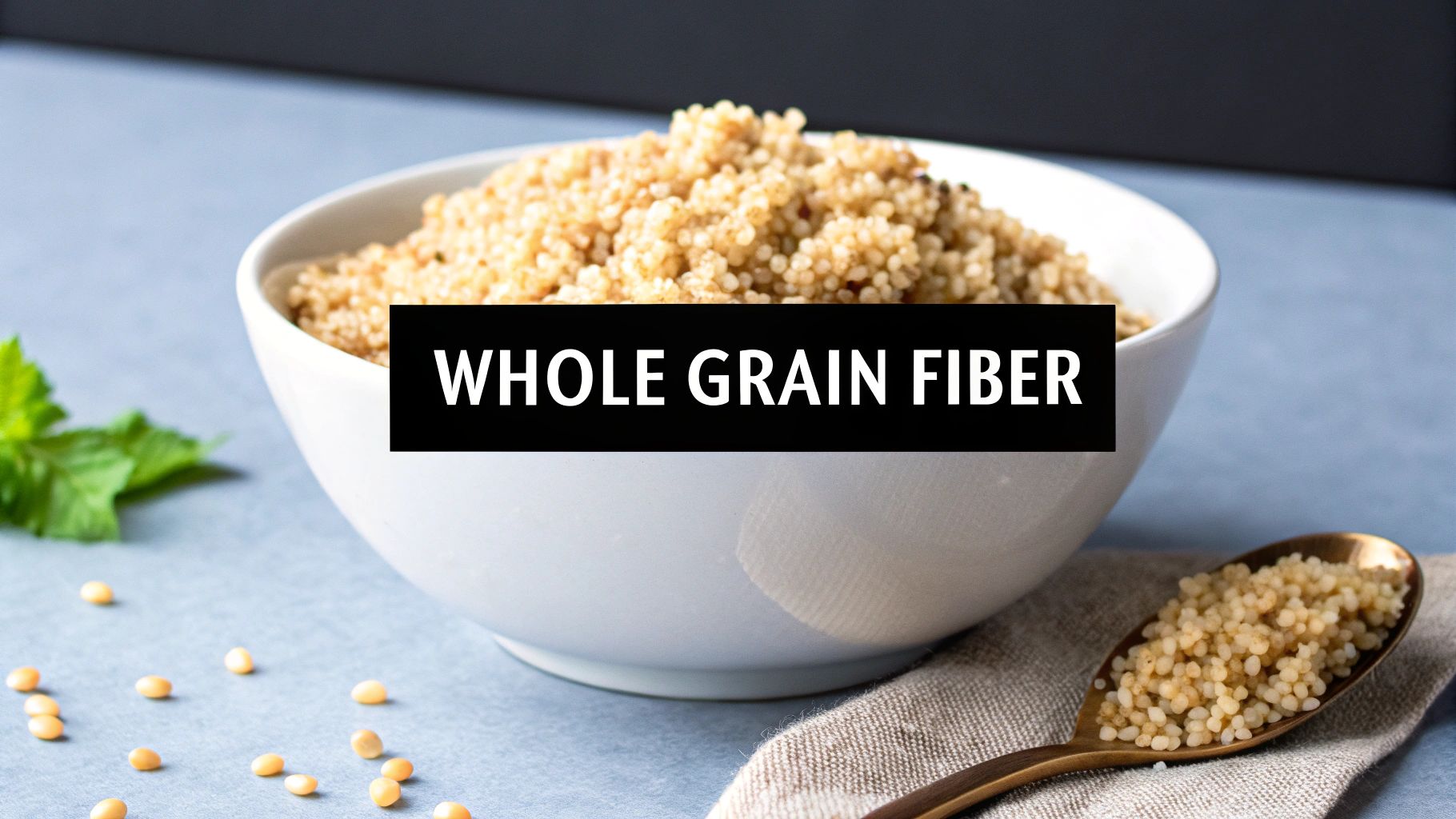
This fiber ferments in the colon, producing short-chain fatty acids (SCFAs) like butyrate, which nourishes colon cells and reduces inflammation. Furthermore, high-fiber grains work synergistically with protein to enhance satiety and support GLP-1 signaling, a key hormone for appetite control. This powerful combination helps you feel fuller for longer, which is crucial for weight management and consistent energy levels. For more information on this effect, you can read about how to stay full longer and see how this pairing benefits your goals.
How to Incorporate Whole Grains
Integrating whole grains into your diet is straightforward and versatile. A bowl of oatmeal can be topped with Gym Snack's Cheddar Cheeze snacks for a balanced sweet-and-savory pre-workout meal that combines complex carbs with high-quality protein. You can also create nutrient-dense quinoa bowls with various vegetables and plant-based proteins or pair brown rice with your post-workout meal for an ideal carb-and-protein recovery combo.
Practical Tips for Success
To get the most out of whole grains without digestive discomfort, follow these guidelines:
- Increase Intake Gradually: If you're not used to a high-fiber diet, add whole grains slowly over two to three weeks to allow your gut microbiome to adapt.
- Stay Well-Hydrated: Drink at least 8-10 glasses of water daily. Water is essential for fiber to move through your digestive system smoothly and prevent bloating.
- Pair with Protein: Combine whole grains with a quality protein source, like the pea protein in Gym Snack products, to create a balanced meal that stabilizes blood sugar and maximizes satiety.
- Aim for Variety: Don't stick to just one type of grain. Incorporate a mix of oats, barley, quinoa, and brown rice to provide your gut with a diverse range of fibers and nutrients.
4. Cruciferous Vegetables: The Gut-Barrier Guardians
Cruciferous vegetables like broccoli, cauliflower, Brussels sprouts, and kale are renowned for their powerful nutritional profiles, but their benefits for the digestive system are particularly noteworthy. These vegetables are rich in fiber, which acts as a prebiotic to nourish beneficial gut bacteria. More uniquely, they contain compounds like sulforaphane and indole-3-carbinol, which support detoxification processes and help maintain the integrity of the gut barrier, reducing intestinal permeability.
This dual-action support makes them one of the best foods for gut health, especially for active individuals. Their anti-inflammatory properties can help mitigate exercise-induced stress on the gut lining, while their high nutrient density aids in overall recovery and immune function. By promoting a balanced microbiome and a strong gut wall, cruciferous vegetables create an optimal environment for nutrient absorption and overall wellness.
How to Incorporate Cruciferous Vegetables
These versatile vegetables can be easily integrated into your daily meals. For a savory and satisfying post-workout meal, try roasted broccoli florets seasoned with herbs. Pair them with a high-protein snack like Gym Snack's Cheddar Cheeze for a delicious flavor combination and an extra protein boost. Other great options include cauliflower rice bowls topped with plant-based protein, steamed Brussels sprouts drizzled with olive oil, or hearty kale salads.
Practical Tips for Success
To get the most out of cruciferous vegetables without digestive discomfort, keep these tips in mind:
- Cook Lightly: Steaming or lightly sautéing for 3-5 minutes helps preserve key compounds like sulforaphane while making the vegetables easier to digest and reducing potential bloating.
- Go Raw Occasionally: Including some raw cruciferous vegetables, like shredded cabbage in a slaw or broccoli in a salad, provides maximum enzyme content.
- Pair with Healthy Fats: Combine these vegetables with sources of healthy fats like avocado or olive oil to enhance the absorption of fat-soluble vitamins A, K, and E.
- Aim for Consistency: Incorporate 2-3 servings of different cruciferous vegetables daily to reap their full therapeutic benefits for gut health and detoxification.
5. Prebiotic-Rich Foods: Fuel for Your Gut Allies
While probiotics introduce beneficial bacteria to your gut, prebiotics provide the essential fuel that helps these microbes thrive. Prebiotic-rich foods contain specific types of insoluble fiber, like inulin and resistant starch, that pass through the upper digestive tract undigested. Once they reach the colon, they selectively nourish beneficial bacteria such as Bifidobacteria, promoting their growth and activity. This process is crucial for creating a robust and balanced gut microbiome.
These specialized fibers are fundamental to digestive wellness, helping to improve nutrient absorption, support immune function, and maintain a healthy gut lining. By feeding your internal allies, you are actively cultivating a stronger digestive ecosystem, making prebiotic-rich options some of the best foods for gut health. For athletes and active individuals, this translates to better energy utilization and enhanced recovery.
How to Incorporate Prebiotic-Rich Foods
You can easily add prebiotics to your diet through whole foods. Raw garlic and onions are excellent additions to salads and dressings, and their potent flavors pair perfectly with the savory crunch of a high-protein snack. Asparagus, lightly steamed or roasted, makes a fantastic side dish for any meal, while slightly underripe bananas offer a great source of resistant starch for pre-workout energy. For a daily dose, consider a chicory root coffee alternative to start your morning.
Practical Tips for Success
To get the most out of prebiotic foods without overwhelming your system, follow these tips:
- Start Small: Begin with about 5-10 grams of prebiotic fiber daily and increase your intake gradually over a couple of weeks to allow your gut to adjust.
- Pair with Probiotics: Combine prebiotic sources (like onions) with probiotic foods (like yogurt or kimchi) to create a "synbiotic" effect, enhancing the benefits of both.
- Vary Your Sources: Include a wide variety of prebiotic foods, such as garlic, leeks, asparagus, and bananas, to nourish a more diverse range of beneficial bacteria.
- Consume with Meals: Eating prebiotic-rich foods as part of a meal can improve tolerance and minimize the potential for gas or bloating as your microbiome adapts.
6. Bone Broth & Collagen Peptides: The Gut-Lining Healers
Beyond fiber and probiotics, the structural components of the gut lining itself are crucial for digestive wellness. Bone broth and its derivative, collagen peptides, are exceptional sources of amino acids like glycine, proline, and glutamine, which act as the building blocks for a healthy intestinal barrier. These compounds help repair the gut lining, reduce inflammation, and can alleviate intestinal permeability, often referred to as "leaky gut."
The gelatin found in slow-simmered bone broth soothes the digestive tract, while the high concentration of glutamine specifically fuels the cells that line the intestines, aiding in their regeneration. This makes bone broth and collagen some of the best foods for gut health, particularly for individuals looking to support intestinal integrity after periods of stress or intense physical exercise, which can compromise the gut barrier.
How to Incorporate Bone Broth & Collagen
These gut-healing foods are versatile and easy to add to your routine. Popular brands like Kettle & Fire offer high-quality, grass-fed bone broths, while Vital Proteins and Orgain provide convenient collagen peptide powders. You can sip on a warm mug of bone broth daily or easily mix unflavored collagen peptides into your morning coffee, smoothie, or even a bowl of soup for a seamless nutritional upgrade.
Practical Tips for Success
To get the most out of these gut-lining healers, keep these tips in mind:
- Aim for Therapeutic Doses: For targeted gut repair, consider consuming 1-2 servings daily, which equates to about 10-20 grams of collagen.
- Optimize Collagen Synthesis: Pair your bone broth or collagen with a source of vitamin C, like a squeeze of lemon juice or a side of bell peppers. Vitamin C is essential for your body to produce its own collagen.
- Keep it Warm, Not Boiling: When adding collagen peptides to hot liquids, let them cool slightly first. Extremely high temperatures can degrade the integrity of the amino acids, reducing their effectiveness.
- Consider Cycling: To maintain its benefits over the long term, some experts recommend cycling your intake. A common approach is to use it consistently for eight weeks, followed by a two-week break.
7. Omega-3 Rich Foods: The Anti-Inflammatory Allies
While probiotics and prebiotics often steal the spotlight, omega-3 fatty acids are unsung heroes in the quest for a healthy gut. These essential fats, particularly from plant-based sources like flaxseeds, chia seeds, and walnuts, play a critical role in reducing intestinal inflammation and fortifying the gut barrier. A strong intestinal wall is crucial for preventing unwanted substances from leaking into the bloodstream, a condition often linked to systemic inflammation and digestive issues.
Omega-3s work by modulating the body's inflammatory response, helping to decrease pro-inflammatory compounds that can be produced during intense exercise. More importantly, they support the growth of beneficial bacteria, such as Bifidobacterium and Lactobacillus, which are cornerstones of a balanced microbiome. This dual action of calming inflammation while nurturing good bacteria makes omega-3s one of the best foods for gut health, creating an internal environment where a healthy gut can thrive.
How to Incorporate Omega-3s
Integrating plant-based omega-3s into your diet is simple and delicious. Ground flaxseeds can be sprinkled over oatmeal or blended into smoothies, while chia seeds make an excellent base for puddings or a crunchy topping for salads. For a powerful pre-workout or post-workout snack, combine the anti-inflammatory benefits of a small handful of walnuts with a savory, protein-rich option like Gym Snack's Cheddar Cheeze to support both muscle recovery and gut integrity.
Practical Tips for Success
To get the most out of your omega-3 intake, consider these practical tips:
- Grind Your Flaxseeds: The body cannot break down whole flaxseeds, so grind them just before use to unlock their full nutritional benefits and prevent them from passing through undigested.
- Store Properly: Omega-3 fatty acids are sensitive to light, heat, and oxygen. Store nuts and seeds in an airtight container in the refrigerator to prevent them from going rancid.
- Pair with Meals: Consuming omega-3-rich foods with other foods can enhance absorption, so add them to your main meals rather than eating them on their own.
- Consider Algae Oil: If you want a direct source of the potent omega-3s EPA and DHA, algae-based supplements are an excellent vegan-friendly option that bypasses the body's need to convert them from plant sources.
8. Low-FODMAP Foods: A Targeted Approach for Sensitive Guts
For individuals with sensitive digestive systems, particularly those with Irritable Bowel Syndrome (IBS), certain carbohydrates can trigger significant discomfort. Low-FODMAP foods offer a targeted solution by minimizing fermentable carbs that cause gas, bloating, and pain. FODMAPs (Fermentable Oligosaccharides, Disaccharides, Monosaccharides, and Polyols) are short-chain carbohydrates that are poorly absorbed, leading to fermentation by gut bacteria and subsequent digestive distress that can disrupt training and daily life.
Adopting a low-FODMAP diet allows the gut to rest and inflammation to subside, making it one of the best foods for gut health strategies for those with confirmed sensitivities. This approach focuses on easily digestible, nutrient-dense options like rice, oats, carrots, zucchini, and lean proteins. It enables gut-sensitive individuals to fuel their bodies effectively without sacrificing performance or recovery, providing a clear pathway to digestive peace.
How to Incorporate Low-FODMAP Foods
A low-FODMAP diet is typically implemented in phases, starting with elimination and followed by a systematic reintroduction to identify personal trigger foods. Well-tolerated staples include rice, potatoes, chicken, fish, bananas, and blueberries. For a convenient, high-protein snack that aligns with this approach, Gym Snack's Cheddar Cheeze snacks are ideal, as their pea protein base is a certified low-FODMAP ingredient, offering a savory crunch without the digestive risk.
Practical Tips for Success
To effectively manage symptoms with a low-FODMAP diet, follow these key guidelines:
- Work with a Professional: Consult a gastroenterologist or registered dietitian to confirm FODMAP sensitivity and guide you through the elimination and reintroduction phases.
- Use Reliable Resources: Utilize Monash University's low-FODMAP app, the gold standard for identifying safe foods and appropriate serving sizes.
- Reintroduce Strategically: Introduce one high-FODMAP food group at a time in small amounts to accurately pinpoint your specific triggers and tolerance levels.
- Maintain Fiber Intake: Ensure you get enough fiber from low-FODMAP sources like oats, quinoa, oranges, and strawberries to support regular bowel movements.
9. Polyphenol-Rich Foods: Antioxidant Power for Your Microbiome
Beyond vitamins and minerals, certain plant compounds offer profound benefits for your digestive system. Polyphenols are powerful antioxidants found in colorful plants that protect against inflammation and feed beneficial gut bacteria. These compounds act as prebiotics, specifically nourishing microbes like Akkermansia muciniphila, which is linked to a strong gut lining and improved metabolic health.
For active individuals, polyphenols are especially crucial. They help combat exercise-induced oxidative stress and can reduce intestinal permeability, or "leaky gut," which sometimes occurs after intense training. By supporting the gut barrier and fostering beneficial bacteria, polyphenol-rich foods are undeniably some of the best foods for gut health, aiding in both daily wellness and post-workout recovery.
How to Incorporate Polyphenol-Rich Foods
A diverse intake is key, as different plants provide unique polyphenols. Enjoy blueberries and blackberries for their anthocyanins, which aid recovery. Sip on green tea for its EGCG catechins that offer sustained antioxidant support. For a satisfying and balanced snack, pair a square of 85% or higher dark chocolate with a savory protein source like Gym Snack's Cheddar Cheeze, which helps stabilize blood sugar and prolong satiety.
Practical Tips for Success
To get the most from these potent plant compounds, keep these strategies in mind:
- Boost Absorption with Fats: Consume polyphenol sources with a healthy fat like avocado, nuts, or olive oil. This can improve their bioavailability and absorption by up to three times.
- Eat the Rainbow: Aim for variety. Including a wide range of colorful foods like berries, dark leafy greens, red grapes, and pomegranates ensures you get a diverse spectrum of beneficial polyphenols.
- Create a Powerful Pair: Combine polyphenol-rich foods with a clean protein source. This balances your macronutrient intake, prevents energy spikes, and keeps you feeling full longer.
- Consistency is Crucial: The benefits of polyphenols are cumulative. Regular, daily consumption provides far greater support for your gut microbiome than sporadic intake.
10. L-Glutamine & Amino Acid Support
While whole proteins lay the groundwork for a healthy gut, certain individual amino acids provide targeted support, especially for those leading an active lifestyle. L-glutamine, the most abundant amino acid in the bloodstream, serves as the primary fuel source for the cells lining your intestines. This makes it essential for repairing the gut lining, which can be compromised by intense exercise, stress, or a poor diet.
This amino acid works synergistically with complete protein sources like pea protein to reinforce intestinal barrier integrity, a cornerstone of gut health. By supporting the tight junctions between intestinal cells, L-glutamine helps prevent unwanted particles from entering the bloodstream, reducing inflammation and enhancing nutrient absorption. This targeted action solidifies its place among the best foods for gut health, particularly for athletes looking to maximize recovery and performance. To further support gut repair, considering a specific L-Glutamine supplement can be beneficial.
How to Incorporate L-Glutamine
L-glutamine is available as a standalone powder and is also found naturally in foods like bone broth, spirulina, hemp seeds, and wheat germ. For a powerful post-workout recovery combination, you can mix glutamine powder with water and pair it with a protein-rich snack. A handful of Gym Snack's Cheddar Cheeze provides the necessary protein to work alongside glutamine for optimal muscle and gut repair.
Practical Tips for Success
To effectively use L-glutamine for gut support, consider these guidelines:
- Time It Right: Take 5–10 grams of L-glutamine after intense training sessions to directly target intestinal repair when your body needs it most.
- Mix Carefully: To preserve its stability and effectiveness, mix glutamine powder with cool or room-temperature liquids, not hot beverages.
- Create Synergy: Combine L-glutamine with a protein source, like a pea protein shake or a savory snack, to provide a full spectrum of amino acids for comprehensive recovery.
- Consider Cycling: For those undergoing periods of heavy training, consider supplementing for 8 weeks and then taking a break to assess your body’s needs.
Top 10 Gut-Healthy Foods Comparison
| Item | Implementation Complexity 🔄 | Resource Requirements ⚡ | Expected Outcomes ⭐📊 | Ideal Use Cases | Key Advantages 💡 |
|---|---|---|---|---|---|
| Pea Protein | Low 🔄 — ready-to-use powder; minimal prep | Moderate ⚡ — sourcing, flavoring; low storage needs | High ⭐📊 — supports muscle recovery, satiety, gut-friendly prebiotic effects | Vegan/fitness protein, post-workout recovery, hypoallergenic diets | Complete amino acids, hypoallergenic, prebiotic fiber |
| Fermented Foods & Probiotics | Medium 🔄 — sourcing/unpasteurized or home fermentation; refrigeration | Moderate ⚡ — regular consumption, refrigerated storage | High ⭐📊 — increases microbial diversity, improves digestion and immune response | Daily microbiome maintenance, inflammation reduction after intense training | Live cultures, diverse strains, enzyme-rich digestion support |
| Fiber-Rich Whole Grains | Low–Medium 🔄 — cooking time and hydration required | Low ⚡ — inexpensive staples; time to prepare | Moderate–High ⭐📊 — sustained energy, improved motility, feeds beneficial bacteria | Pre-workout energy, stable blood sugar, satiety with protein | Soluble + insoluble fiber, B‑vitamins, natural prebiotics |
| Cruciferous Vegetables | Low 🔄 — simple cooking or light steaming; prep to reduce bloating | Low ⚡ — fresh produce and basic cooking tools | Moderate ⭐📊 — anti-inflammatory, supports gut barrier integrity | Recovery meals, anti-inflammatory dietary focus | Sulforaphane and phytonutrients; nutrient-dense, low-calorie |
| Prebiotic-Rich Foods | Low 🔄 — easy integration; introduce gradually | Low ⚡ — common foods (garlic, onions, asparagus); variety recommended | High ⭐📊 — selectively feeds beneficial microbes, improves barrier function | Microbiome-targeted diets, pairing with probiotics (synbiotics) | Specific substrates (inulin, FOS) for beneficial bacteria |
| Bone Broth & Collagen Peptides | Medium 🔄 — long simmer or powdered supplements; quality sourcing matters | Moderate ⚡ — animal-derived or premium powders; higher cost | Moderate–High ⭐📊 — promotes gut lining repair and connective tissue recovery | Therapeutic gut repair, joint/connective tissue recovery | Glutamine/glycine/proline for intestinal repair and collagen synthesis |
| Omega-3 Rich Foods | Low 🔄 — minimal prep (add seeds, nuts, algae supplements) | Low–Moderate ⚡ — seeds/nuts accessible; algae supplements costlier | Moderate ⭐📊 — reduces intestinal inflammation; supports barrier and microbiome | Chronic recovery, anti-inflammatory support, vegan omega‑3 needs | Anti-inflammatory EPA/DHA (via algae), supports membrane integrity |
| Low-FODMAP Foods | Medium 🔄 — requires planning, education and substitution | Moderate ⚡ — restricted options; may need guidance/apps | High ⭐📊 (for sensitive individuals) — reduces bloating and digestion-related performance issues | Athletes with IBS/sensitive gut seeking reliable digestion | Minimizes fermentation symptoms while preserving nutrient absorption |
| Polyphenol-Rich Foods | Low 🔄 — simple additions (berries, tea, dark chocolate) | Low ⚡ — widely available; some premium items costlier | Moderate–High ⭐📊 — antioxidant, reduces exercise-induced permeability, supports microbes | Recovery from oxidative stress, vascular support, microbiome diversity | Potent antioxidants that feed beneficial bacteria and reduce inflammation |
| L-Glutamine & Amino Acid Support | Low–Medium 🔄 — supplement timing and dosing post-exercise | Moderate ⚡ — cost for therapeutic doses; powder supplements needed | High ⭐📊 — targets intestinal epithelial repair and immune support | Post-intense training, therapeutic gut-repair protocols | Primary fuel for enterocytes; evidence-backed gut barrier repair and recovery |
Putting It All Together: Your Daily Gut Health Action Plan
Navigating the world of nutrition can often feel overwhelming, but improving your digestive wellness doesn't have to be a complex overhaul of your entire lifestyle. As we've explored, the journey to a healthier gut is paved with intentional, consistent choices, not drastic, unsustainable restrictions. This article has detailed some of the best foods for gut health, from the probiotic power of fermented foods and the foundational fiber in whole grains to the targeted support from L-glutamine and polyphenol-rich berries. The core principle weaving through all these recommendations is simple: diversity and consistency are your greatest allies.
A resilient gut microbiome thrives on variety. Each food we’ve discussed, whether it's the prebiotic fuel from garlic and onions or the soothing properties of bone broth, offers a unique set of tools for your internal ecosystem. By rotating these foods through your weekly diet, you provide a broad spectrum of nutrients that encourage beneficial bacteria to flourish, reduce inflammation, and fortify the gut lining. This isn't about achieving perfection with every single meal; it’s about making a series of small, positive deposits into your gut health bank account day after day. The cumulative effect of these choices is where the real transformation happens, leading to enhanced energy, clearer thinking, improved athletic recovery, and a stronger immune system.
Your Blueprint for a High-Performance Gut
Knowledge becomes power only when it's put into action. To help you transition from reading to doing, here is a practical, step-by-step framework for integrating these principles into your daily routine. Remember, the goal is sustainable progress, not immediate perfection.
1. The "Plus-One" Principle: Add, Don't Just Subtract Instead of focusing on what to eliminate, concentrate on adding one new gut-friendly food each day. This simple mindset shift makes healthy eating feel like an act of abundance rather than deprivation.
- This Week's Goal: Add a tablespoon of kimchi or sauerkraut to your lunch or dinner. It’s a quick, easy way to introduce live probiotics without any extra cooking.
- Next Week's Goal: Toss a handful of spinach (a great source of polyphenols and fiber) into your morning smoothie or evening stir-fry.
2. Strategize Your Snacks for Success Snacking is often where well-intentioned diets go off the rails. By planning ahead, you can turn your snacks into powerful opportunities to nourish your gut. Instead of reaching for processed, high-sugar options, opt for whole foods that provide fiber, protein, and healthy fats.
- Practical Swaps: Replace your afternoon chips with a handful of almonds and a few olives. Swap your sugary protein bar for a savory, high-protein option like Gym Snack, which provides gut-friendly pea protein and fiber without common irritants.
3. Build Your Meals Around a Gut-Supportive Core Think of your plate as a canvas. Start by anchoring it with a clean protein source and a high-fiber carbohydrate, then paint it with a diverse array of colorful vegetables. This ensures every meal is balanced and packed with the building blocks for a healthy microbiome.
-
A Sample Meal Template:
- Protein (40% of the plate): Grilled salmon (omega-3s), lentils (fiber), or pea protein.
- Fiber-Rich Carbs (25% of the plate): Quinoa, sweet potato, or brown rice.
- Colorful Vegetables (35% of the plate): Steamed broccoli (cruciferous), roasted bell peppers (polyphenols), and a mixed green salad.
By adopting this structured yet flexible approach, you are no longer just eating; you are strategically fueling the trillions of microorganisms that work tirelessly to support your overall health. The journey to unlocking your full potential, whether in the gym or in daily life, truly begins in the gut. Start implementing these small changes today, and you will be building a foundation for lasting vitality and peak performance.
Ready to upgrade your protein source to one that actively supports your digestive health? Gym Snack offers a clean, savory, high-protein crunch made from pea protein isolate, making it one of the best food choices for gut health when you need a convenient, on-the-go option. Fuel your performance and nourish your gut by trying a bag today at Gym Snack.