

You toss a protein bar into your bag because lunch got derailed, your workout is in an hour, and you need something fast. Then you flip it over and hit the usual confusion. The front says high protein. The back reads like a chemistry quiz. One bar looks like a sports nutrition tool. Another looks suspiciously like a candy bar with better branding.
That confusion is reasonable.
“Power protein bars” now cover a huge range of products. Some are built for quick post-workout recovery. Some are meal-gap insurance for busy people. Some are sweet, whey-based wafers like Power Crunch. Others are trying to become more functional, more filling, and less dessert-like. A few newer options are pushing into savory, plant-based territory for people who are tired of chocolate-peanut-brownie-everything.
The key is to stop asking, “Is this bar healthy?” and start asking better questions. What is it made of? What job is it supposed to do? How does it fit your body, your digestion, and your goals?
That’s where power protein bars become useful instead of confusing.
The Protein Bar Promise What Are You Really Eating
You’re standing in a convenience store after work. Dinner is still hours away. You want something better than chips, but you also don’t want to eat a dense slab of fake-cookie dough and pretend it’s nutrition.
That moment is exactly why power protein bars exist.
At their best, they solve a real problem. They’re portable, shelf-stable, and easy to keep in a gym bag, desk drawer, or car console. For someone trying to hit protein targets, avoid random vending machine choices, or recover after training, that convenience matters.
At their worst, they sell a fantasy. A flashy wrapper promises lean muscle, clean energy, and appetite control. But the actual product might be overloaded with sweeteners, built around processed ingredients, or so low in fiber that it doesn’t keep you full for long.
That doesn’t mean protein bars are bad. It means they’re tools. And tools only work when you use the right one.
Why the category feels messy
A “power protein bar” can mean very different things depending on the brand.
Some bars lean into fast protein delivery and low fuss. Others chase huge protein numbers, even if texture suffers. Some try to act like complete snacks by adding fiber and fats. And a growing group is moving away from dessert-style sweetness altogether because many people want protein that feels more like food and less like frosting.
Practical rule: If a bar sounds too perfect on the front of the package, slow down and check what compromise it’s hiding on the back.
Individuals frequently get stuck because they expect one bar to do everything. Build muscle. Crush cravings. Replace a meal. Taste amazing. Digest perfectly. Fit every dietary need.
That’s not how this category works.
The better approach is simpler. Learn what’s inside. Match the bar to the job. Ignore the hype when it overpromises.
Deconstructing the Modern Power Protein Bar
A protein bar looks simple from the outside. Inside, it’s usually a formula with several moving parts. Each part has a job. Once you understand those jobs, labels get much easier to read.
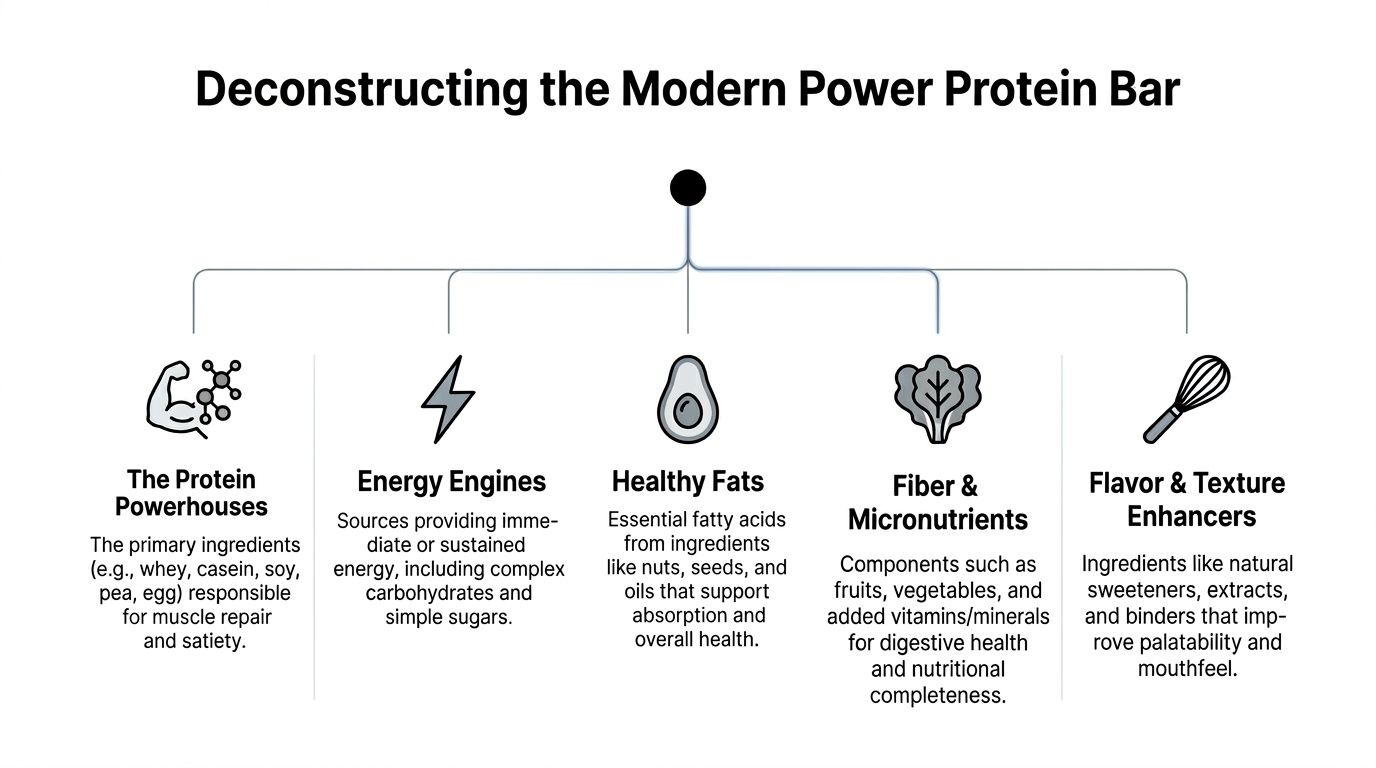
The protein powerhouses
Protein is the headline ingredient, but the type matters.
Hydrolyzed whey is the fast mover. Its action is comparable to a sprint. It’s broken down into smaller pieces, so the body can absorb it quickly. That’s one reason whey-heavy bars have been popular around workouts.
Power Crunch is a good example. Its original bars provide 13 to 14 grams of protein per bar from Proto Whey, a hydrolyzed whey blend, and sit at around 200 calories with 4 to 8 grams of sugar and no sugar alcohols according to Garage Gym Reviews’ Power Crunch review.
Other bars use soy, pea, or mixed plant proteins. These can work well, especially for people who avoid dairy, but plant-based formulas often need more care around texture and digestibility. That’s where shoppers can get tripped up. The protein number alone doesn’t tell you how satisfying or easy on the stomach the product will be.
The energy engines
Most bars include carbohydrates, but not all carbs behave the same way.
Some give you quicker fuel. Others digest more slowly and support steadier energy. Oats, dried fruit, and grain ingredients usually play differently than syrups or highly sweetened coatings.
Many people get fooled by “healthy” branding. A bar can have a strong protein claim and still rely heavily on sweetness for taste. That may be fine after a hard session, but it may not feel great if you wanted a calm afternoon snack.
Healthy fats and binders
Bars need structure. Without binders and fats, they would crumble into dust.
Common choices include nut butters, seed ingredients, and added oils. These ingredients affect mouthfeel, staying power, and shelf stability. They also help make a bar feel like a snack instead of a chalk stick.
For some people, that’s a plus. For others, it’s where allergen issues start. If you’re sensitive to nuts, dairy, soy, or gluten, this part of the label matters just as much as the protein line.
Fiber and micronutrients
Fiber can turn a bar from “quick calories” into something more filling.
Some brands add fibers to improve satiety and lower the blood sugar roller coaster that can happen with sweeter bars. Micronutrients may also be added, though I’d still rather see people get most vitamins and minerals from regular meals.
If digestion is a concern, it helps to understand how gut-supportive ingredients work. A simple primer on understanding prebiotics and probiotics can make those label claims easier to interpret.
Flavor and texture enhancers
This is the category people overlook most.
Sweeteners, coatings, crisp layers, cocoa systems, natural flavors, and binding syrups all shape whether the bar tastes pleasant or turns into a jaw workout. Texture isn’t just cosmetic either. A bar that tastes bad or sits poorly in your stomach won’t become a habit you keep.
Here’s the short version:
- Protein source: Drives recovery value and digestion feel.
- Carbs: Influence energy speed and sweetness.
- Fat and binders: Affect fullness, texture, and allergens.
- Fiber: Helps with satiety, but can backfire if the formula is harsh on your gut.
- Flavor system: Often determines whether you’ll buy the product twice.
Weighing the Benefits and Potential Drawbacks
Protein bars can be useful. They can also disappoint people who expect them to act like whole meals in compact form.
Both things are true.
Where they genuinely help
The biggest win is convenience. You can keep a bar almost anywhere, and it doesn’t need refrigeration or prep. For busy people, that lowers the odds of skipping protein entirely or grabbing whatever snack is nearby.
They also make portioning simple. You don’t have to measure powder, cook eggs, or build a meal from scratch. For athletes, commuters, students, and parents, that simplicity is often the reason bars stay in the routine.
Some formulas also do a better job with fullness than others. In one comparative analysis, an experimental bar reached 25.52 g/100 g protein and 13.46 g/100 g fiber, outperforming a commercial bar in nutrient density. The researchers also noted that the high fiber content could reduce post-meal blood glucose spikes by up to 30 to 50 percent and improve satiety through slower gastric emptying in that formulation, as reported in this PMC article on experimental protein bar formulation.
That matters if you’re trying to avoid the classic snack pattern of “ate something sweet, got hungry again soon after.”
If you’re comparing bars with powders and shakes, it can also help to understand where each product fits. A practical overview of recovery protein supplements gives useful context for when a bar is more convenient and when a drink may be the better call.
Where bars fall short
The drawbacks usually show up in three areas.
First, processing. Many bars are heavily engineered. That doesn’t make them automatically unhealthy, but it does mean they’re often built for portability and taste before food quality variety.
Second, digestive tolerance. Some bars use sweeteners or fibers that leave people bloated, gassy, or uncomfortable. A bar can look excellent on paper and still feel awful in real life.
Third, health halo marketing. A high protein number can distract from everything else. If a bar is low in fiber, very sweet, or packed with ingredients you don’t tolerate well, that protein claim doesn’t cancel the rest.
Some bars earn their place as backup nutrition. Very few deserve to replace real meals every day.
A balanced way to think about them
Use protein bars like you’d use a shaker bottle or a pair of lifting straps. They solve a problem. They are not magic.
A good bar can help with consistency. A bad one can leave you overfed, under-satisfied, or stuck with stomach discomfort. The trick is choosing based on function, not branding.
How to Choose the Right Protein Bar for Your Goals
Choosing power protein bars gets easier when you stop searching for the “best” bar and start looking for the best fit.

One person wants workout support. Another wants appetite control between meetings. Another needs to avoid dairy, soy, or gluten and still get meaningful protein.
Those are different jobs. They deserve different label priorities.
Start with a simple benchmark
Expert testing points to 15 to 20 grams of protein per bar as a practical range for goals like muscle preservation. That same review notes that bars above 21 grams often run into texture problems, and many “no added sugar” bars rely on sugar alcohols like maltitol, which can cause digestive upset in up to 50 percent of users. A useful screening rule is more than 5 grams of fiber and less than 10 percent of calories from saturated fat, based on Garage Gym Reviews’ best high-protein bar testing.
That’s not a law. It’s a smart starting point.
Match the bar to the goal
For muscle building
If your main job is supporting training, prioritize enough protein to make the bar worth eating. You also want a formula you’ll tolerate after exercise.
Look for:
- Protein in the practical range: Enough to support intake without chasing absurd numbers.
- Easy digestion: Especially if you eat close to training.
- Moderate sugar and balanced calories: You want recovery support, not a crash.
A whey-based bar may work well here if you tolerate dairy. If you don’t, plant blends can still work, but check how they sit in your stomach.
For weight management
This group often gets misled by aggressive front-label claims.
The best bars for appetite control usually combine solid protein, meaningful fiber, and restrained sweetness. If the bar tastes like a candy dessert, ask whether it will leave you wanting more food right after.
Look for:
- Fiber that supports fullness
- A sugar level you personally handle well
- A bar that feels satisfying, not just sweet
This is also where savory formats can be useful, especially if you’re burnt out on dessert-flavored snacks.
For allergen-conscious eating
This is the category where labels matter most.
If you avoid dairy, soy, gluten, or nuts, don’t stop at the front of the package. Read the ingredients and any allergen statement carefully. Bars often combine several protein sources, coatings, and binders that introduce unexpected triggers.
Check:
- Primary protein source
- Binders and flavor coatings
- Cross-contact language if you’re highly sensitive
Here’s a quick comparison you can use in the aisle.
Protein Bar Selection by Goal
| Primary Goal | Ideal Protein | Max Sugar | Key Ingredients to Look For | Ingredients to Avoid |
|---|---|---|---|---|
| Muscle support | 15 to 20g per bar | Keep it moderate for your tolerance | Whey or well-formulated plant protein, balanced carbs | Sugar alcohols if they upset your stomach |
| Weight management | Moderate to high, with over 5g fiber | Lower is usually better | Fiber-forward formulas, protein-first ingredient list | Very sweet coatings, low-fiber formulas |
| Allergen-conscious eating | Enough protein to justify the snack | Depends on need and tolerance | Clear allergen labeling, simple ingredient list, plant-based proteins if needed | Dairy, soy, gluten, nuts, or seed oils if those conflict with your needs |
One practical way to narrow your options is to ask just three questions:
- Why am I eating this? Recovery, appetite control, convenience, or meal gap?
- What ingredients do I avoid or tolerate poorly?
- Will this keep me full, or just entertained for ten minutes?
The video below can help you think more critically about how snack choices line up with your goals.
Good shopping advice: Pick the bar that solves your real problem, not the one with the loudest muscle-building claim.
Strategic Timing When to Eat Your Power Protein Bar
Timing changes the value of a protein bar.
The same bar that works well after training might feel too heavy before a workout. A sweet bar that’s fine in a pinch may not be the best choice when you’re trying to stay comfortably full through a long afternoon.
Before training
Pre-workout bars should be easy to digest.
If you eat close to exercise, a very dense or very fibrous bar can feel like a brick in your stomach. What works best depends on the person, but in general, simpler bars are easier to tolerate before movement.
If you want a more detailed breakdown of pre-training timing, this guide on eating a protein bar before a workout lays out the practical trade-offs.
After training
Post-workout is a widely known use case.
Bars often demonstrate their greatest value. You’ve finished lifting, you need something portable, and a bar can bridge the gap until a proper meal. You’re looking for enough protein to support recovery and a formula that doesn’t feel like work to chew down when your appetite is low or your schedule is tight.
As a desk-drawer snack
This may be the most realistic use case for many adults.
A protein bar can prevent the late-afternoon slide into random grazing. If your biggest challenge is getting through work or classes without arriving at dinner ravenous, a bar with decent protein and some staying power can help more than a snack that’s mostly refined carbs.
For GLP-1 users and appetite management
The conversation is now shifting.
Protein snacks aren’t just post-workout tools anymore. They’re increasingly used for all-day energy management, and for GLP-1 users, a savory, high-protein snack may be especially useful for supporting fullness without the sugar load that often comes with sweet bars. The same discussion also notes that while many bars land in the 10 to 20 gram protein range, newer crunchy plant-based formats can reach 30g+ protein per bag, creating another option for people who want something more substantial, based on this PricePlow discussion of functional protein innovation.
That idea matters because appetite management isn’t only about eating less. It’s also about eating foods that feel calm, satisfying, and easy to repeat.
A few practical timing ideas:
- Mid-morning: Useful if breakfast was light and lunch is far away.
- Mid-afternoon: Often the best moment for appetite control.
- Travel days: Bars work well when meal timing is unpredictable.
- Post-lift commute: Better than going hours with nothing.
The best timing isn’t universal. It’s the time when the bar prevents a problem instead of creating one.
Beyond Sweet The Rise of Savory Plant-Based Protein
The protein bar aisle has a flavor fatigue problem.
For years, the category has acted as if everyone wants dessert all the time. Cookie dough. Birthday cake. Brownie batter. Chocolate drizzle. Peanut butter cup. That works for some people, but plenty of active adults don’t want every snack to taste like a cheat meal in activewear.
They want something savory, crunchy, and more food-like.
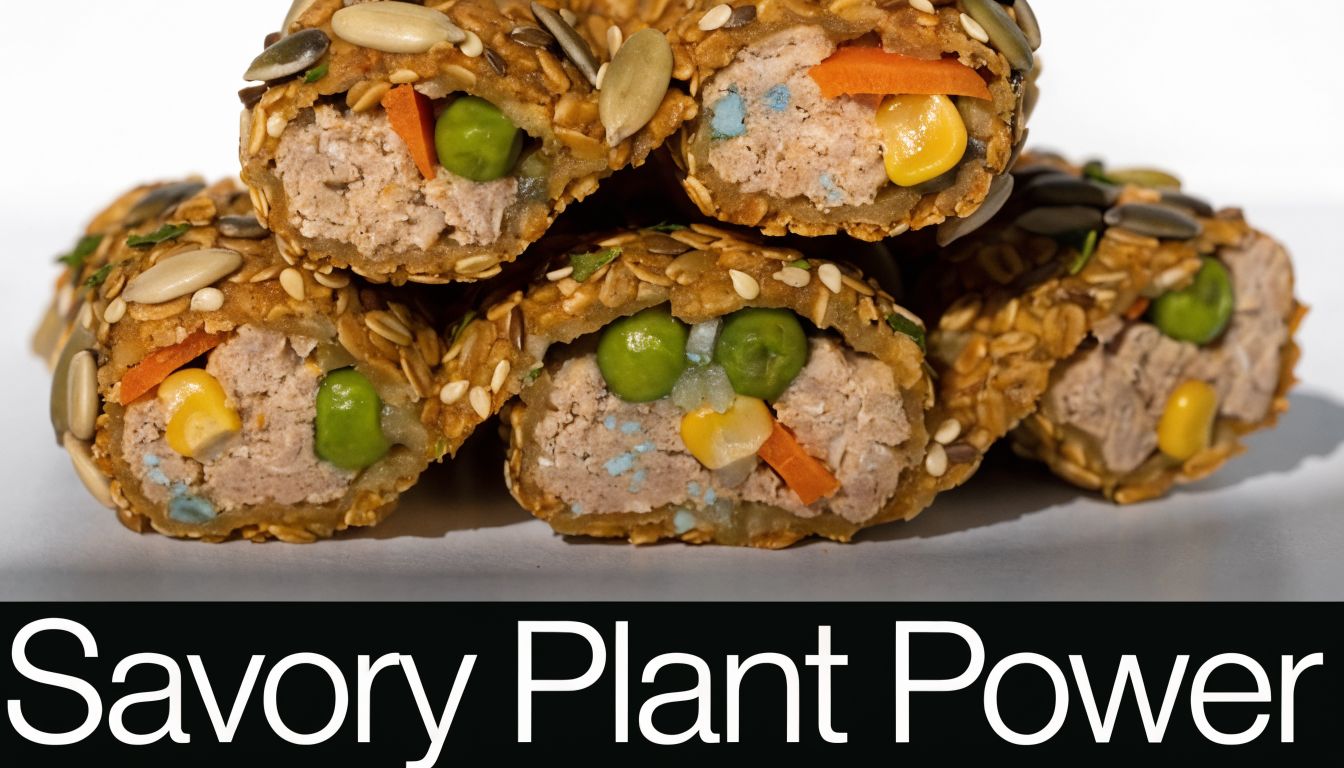
Why sweet bars stop working for some people
Sweet bars can become repetitive fast. They also create a strange mismatch for some goals. If you’re trying to manage appetite, reduce sugar-heavy snacking, or eat in a way that feels less processed, another chocolate-coated bar may not be appealing.
That’s especially true for people who:
- Use protein snacks outside workouts
- Prefer salty or savory foods
- Need dairy-free or allergen-conscious options
- Get tired of chew-heavy, candy-like formats
This is one reason the market has room to evolve.
The gap in plant-based options
Plant-based bars have improved, but one issue keeps showing up. Texture.
A key underserved angle in the category is the lack of savory, plant-based options that maintain a desirable texture over time. Existing commentary notes that whey-based bars are often praised for digestibility, while many pea-protein bars struggle with texture degradation. That creates a white space for products that deliver 15g+ protein in a crunchy, savory, gut-friendly format, especially for the 40 percent of consumers who eat bars regularly but want healthier non-dessert alternatives, as described in this Power Crunch market-gap discussion.
That’s a useful insight because it explains why many plant-based eaters feel under-served. They’re not just asking for vegan labels. They’re asking for better texture, better flavor direction, and better day-to-day usefulness.
For readers who want more ideas in this lane, this roundup of savory high-protein snacks is a helpful place to compare formats beyond classic sweet bars.
Why savory protein makes sense
Savory snacks fit more moments in real life.
A cheesy, crunchy, protein-forward snack makes more sense at a desk, in a car, or between meetings than a bar that tastes like dessert. It can also feel more compatible with appetite-control goals because it doesn’t always trigger the “I want something sweet after this” cycle.
Plant-based savory protein also opens the door for people who need to avoid dairy, soy, or gluten. That doesn’t guarantee a product is better. It just means the category is finally starting to serve people who were asked to settle for chalky vegan bars or low-protein whole-food bars that didn’t meet fitness needs.
Savory protein snacks don’t just change flavor. They change context. They feel like part of a normal eating pattern, not a substitute for dessert.
I think that’s where much of the future growth in power protein bars and adjacent snacks will come from. Not from making sweeter bars with louder claims, but from building products people can eat regularly without flavor burnout.
A Smart Shoppers Guide to Protein Bar Labels
You don’t need to memorize nutrition science to shop well. You need a short checklist and the discipline to ignore front-of-package hype.
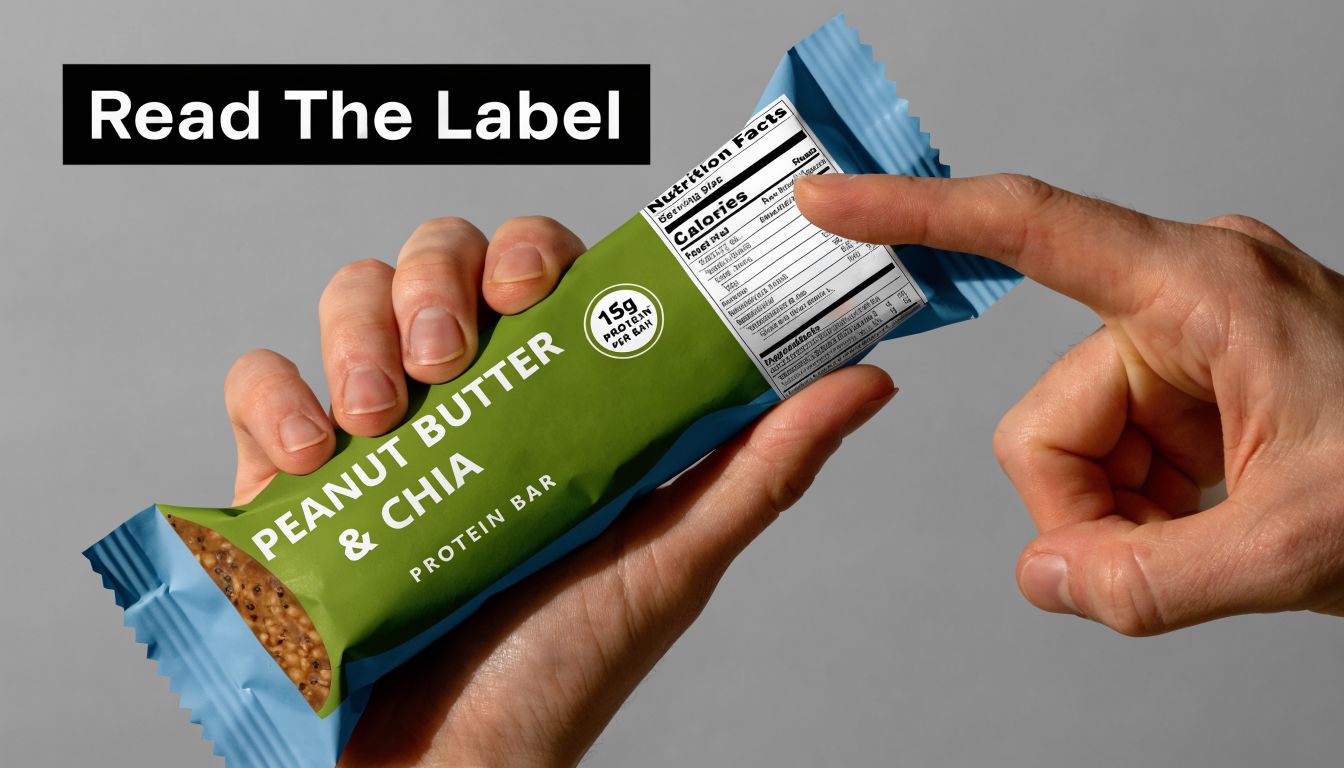
The top five ingredients test
Ingredients are listed in descending order by weight. That means the first few tell you what the bar mostly is.
If sugar sources, syrups, or sweet coating ingredients dominate those top spots, the bar may be more confection than functional snack. If the early ingredients reflect the product’s purpose, that’s a better sign.
What to scan first
When you pick up a bar, check these in order:
-
Protein amount
Is there enough to justify choosing a protein bar at all? -
Fiber
Enough to support fullness, but not so aggressive that you know it will wreck your stomach. -
Sugar and sweetener style
A moderate amount of sugar may be easier for some people than a pile of sugar alcohols. -
Saturated fat
This helps you spot bars that lean too hard on coatings and rich fillers. -
Allergen statement
Especially important if you avoid dairy, soy, gluten, or nuts.
If you want a practical refresher on package reading, this guide on how to read nutrition labels is worth bookmarking.
Red flags that deserve a pause
-
“No added sugar” with a long sweetener list
That claim can still come with ingredients your gut hates. -
A giant protein claim with poor ingredient balance
More protein isn’t automatically better if the bar is hard, unpleasant, or leaves you bloated. -
Net carb marketing you don’t fully understand
If the front label is doing too much math for you, look at the full carb and fiber picture instead of buying the slogan.
Don’t shop from the wrapper. Shop from the ingredient list and the nutrition panel.
The best label readers aren’t suspicious of every product. They’re hard to fool.
Frequently Asked Questions About Power Protein Bars
Are protein bars better than protein shakes?
Not automatically. Bars win on portability and convenience. Shakes often win on simplicity and speed of digestion. If you need something shelf-stable and filling, a bar may fit better. If you want quick protein with fewer extras, a shake may be the cleaner option.
Can I eat a protein bar every day?
You can, but I wouldn’t let bars crowd out too many whole-food meals and snacks. Daily use makes sense when the product agrees with your digestion and fills a real need. It makes less sense when it becomes a default replacement for balanced eating.
Why do some bars make me bloated?
Usually it’s a tolerance issue, not a personal failure. Sugar alcohols, certain added fibers, dense protein blends, and heavy coatings can all be rough on digestion. If one bar bothers you, don’t assume the whole category is bad. Change the formula, not just the flavor.
Are plant-based protein bars good for muscle support?
Yes, they can be. The key is whether the bar delivers enough protein, fits your digestion, and works consistently in your total diet. Plant-based products don’t need to mimic whey perfectly to be useful.
Are savory protein snacks actually more filling?
For many people, yes, or at least they feel more satisfying. The biggest reason is behavioral. Savory foods often feel less like treats and more like food, which can help with appetite control and reduce flavor fatigue.
Should a protein bar replace a meal?
Only occasionally. Most bars work better as a bridge than as a full meal. If you do use one in that role, choose a more balanced option and follow it with a proper meal when you can.
If you’re tired of dessert-style protein bars and want a savory, plant-based option that supports training, steady energy, and allergen-conscious eating, take a look at Gym Snack. It offers chef-inspired crunchy protein snacks built around pea protein, with bold flavors, transparent ingredients, and a format that feels more like real food than a candy bar in disguise.