

You’re in the snack aisle after work, hungry enough to buy fast and tired enough to buy wrong. One wrapper says “keto.” Another says “clean.” A third looks like a candy bar but claims serious gym credentials because it has extra protein and a few almonds on the front.
That’s where the purpose of protein bars with nuts is often misunderstood. They treat every bar like it does the same job.
It doesn’t.
Some bars work well as a practical bridge between meals. Some are decent post-lift backups when real food isn’t available. Some are basically candy bars wearing activewear. And some look healthy because they contain almonds, peanuts, or cashews, even though the actual protein is coming mostly from isolates and the nuts are there for texture, fat, and flavor.
The Overwhelming World of Protein Bars

You grab a bar because you need something fast, not because you want to run a label audit under fluorescent lights. That’s exactly why this category creates so many bad buys. The wrapper sells one benefit, but your body gets the full package: protein type, nut content, fiber load, sweeteners, binders, calorie density, and how all of that sits in your stomach.
A nut-based protein bar can be a smart tool. It can also be the wrong tool. Bars with almonds, peanuts, or cashews often look more wholesome than bars built around candy-style textures, but that visual cue can mislead people. Nuts may improve satiety and texture, yet they also raise total fat, slow digestion, and increase allergen risk. For someone trying to stay full between meetings, that can help. For someone eating 30 minutes before hard training, it can backfire.
The category keeps expanding, and by 2025 the global protein bar market had reached USD 15.80 billion. More shoppers were looking for bars built around familiar ingredients, including nuts and seeds, instead of products that read like supplement tubs in wrapper form.
That sounds positive until you look at function.
A shorter ingredient list does not automatically mean a better bar for muscle gain, appetite control, or digestion. I’ve seen bars with simple ingredients work well for long afternoons when real food was not practical. I’ve also seen “clean” nut bars miss the mark because they were too low in protein to support recovery, too high in fiber alcohol blends for sensitive guts, or too calorie-dense for someone who thought they were making a light snack choice.
The useful question is specific: what job is this bar supposed to do?
That shift in thinking matters even more now that more people are using protein snacks for very different reasons. A bar that works for bulking is not built the same way as one that works for GLP-1-supported satiety. A bar that helps a parent avoid vending machine food may be a poor pre-workout choice for an athlete. If you want a consumer-friendly primer on how brands position these products, this guide to nut bar protein is a helpful reference point.
Ingredients also start making trade-offs long before the bar reaches the shelf. Sourcing affects sweetness, texture, binding, and how “whole food” a formula can realistically be. For a practical example from the supply side, see export-ready carob for manufacturers, which shows how formulation choices often begin upstream, not in the marketing copy on the wrapper.
The Anatomy of a Nut-Based Protein Bar
A good way to understand nut-based bars is to think about a car.
The protein source is the engine.
The nuts and seeds are the chassis.
The binders are the oil and bolts holding the system together.
The flavor inclusions are the trim package that convinces you to buy it.
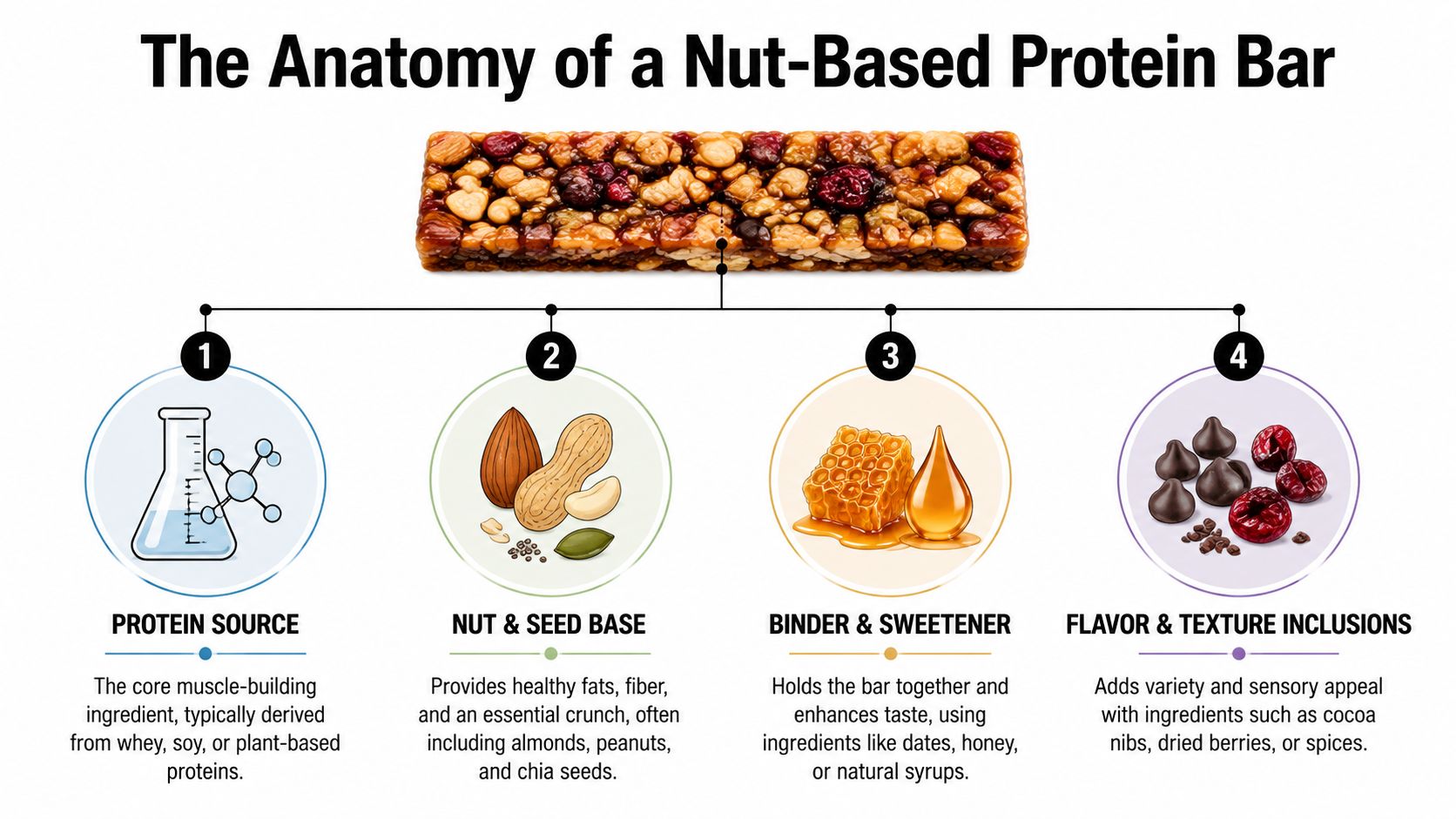
Protein does the heavy lifting
It's common to look at the front label first. That’s understandable, but the more useful move is checking the source of that protein. In these bars, the protein usually comes from whey, soy, or a plant-based isolate such as pea. Nuts help, but they usually aren’t the main protein engine.
This matters for both performance and feel. A bar built around whey isolate can hit differently from one built around pea or soy. Texture changes. Digestion changes. Fullness changes. If you want a simple primer on how brands talk about that mix, this article on nut bar protein gives a consumer-level look at the category.
Nuts shape the bar more than people realize
Almonds, peanuts, cashews, and seeds do more than add crunch. They bring fat, fiber, structure, and a more substantial chew. That’s part of why a nut-based bar usually feels more like food and less like a compressed protein puck.
If you’ve ever wondered why almond-heavy bars taste and bite differently from peanut-based ones, growing conditions and ingredient character play a role. This guide to almond cultivation is useful background if you like understanding where one of the most common nut-bar ingredients starts.
Binders keep the whole thing edible
Here’s the part consumers often overlook. Bars don’t hold together by accident.
Research on formulation shows that protein-rich nut bars rely on syrup-based binders and fat systems to control water activity and texture, with a target water activity kept below 0.65 to inhibit microbial growth. Formulators often use 15 to 25% total syrup solids and 8 to 12% added oils to maintain a chewy texture and keep high-protein bars from turning hard or chalky, as described in this food formulation review on ready-to-eat bars.
That’s why “cleaner” doesn’t always mean “better.” Remove too many binders or moisture-preserving ingredients and the bar can become dry, crumbly, or unpleasantly dense.
The bar that looks most virtuous on the label isn’t always the bar you’ll actually keep eating consistently.
Flavor inclusions sell the bar
Chocolate chips, cocoa, dried fruit, cinnamon, sea salt, coffee flavor, and caramel notes exist for one reason. Compliance. If the bar tastes bad, you won’t buy it twice.
That doesn’t make flavor a gimmick. It makes it part of the product’s job. The catch is that flavor add-ins can turn a useful snack into dessert with a halo. That trade-off matters more once you know what goal the bar is supposed to serve.
The Nutritional Highs and Lows
You grab a bar between meetings, eat it in three minutes, and expect it to cover a skipped meal, support training, and keep hunger down until dinner. Sometimes that works. Sometimes it leaves you hungry, bloated, or wondering why a “healthy” bar felt like candy with a protein claim.
That gap matters more with nut-based bars because nuts improve some parts of the formula while making other trade-offs more obvious.
Where these bars help
A well-built nut bar has one practical advantage. It usually has better staying power than a low-protein snack built mostly from refined carbs.
Nuts bring fat, some fiber, and texture, so the bar tends to eat more like food and less like a sweet chew. For people trying to stretch the time between meals, that can help. For people using GLP-1 medications and struggling to eat large meals, a smaller bar with decent protein can also be a workable bridge, assuming the fat load sits well.
Convenience still counts. I would rather see someone keep a decent bar in a gym bag or desk drawer than miss protein altogether because the perfect snack was not available.
Where the marketing gets slippery
The front of the wrapper often makes the nuts sound like the main protein source. Usually they are not.
As noted in the food formulation review on ready-to-eat bars, nut-based bars commonly pair nuts with added protein ingredients such as whey, soy, or other concentrates and isolates because nuts alone do not get protein high enough without pushing fat, texture, and cost up fast. In practice, that means the almonds or peanuts may help with mouthfeel, satiety, and flavor more than they help you hit a serious protein target.
That is not a flaw. It is just the job of each ingredient.
The trade-offs that matter most
This is the part I want clients to understand before they call a bar “good” or “bad.”
- For fullness: Nuts usually help. Fat, crunch, and fiber can make the bar feel more substantial and slow the urge to keep snacking.
- For muscle gain or recovery: Total protein dose and protein quality matter more than the presence of nuts. A bar can be nut-based and still come up short if the protein amount is modest.
- For digestion: Nuts can sit heavy for some people, and bars that combine nuts with isolates, added fibers, and sugar alcohols are a common recipe for gas or stomach pressure.
- For blood sugar steadiness: Nuts can blunt the all-sugar feel of a bar, but they do not cancel out a formula that leans hard on syrups and sweet add-ins.
- For allergies: The risk is straightforward and serious. If nuts are a problem for you, this category is not a minor compromise.
- For calorie control: Nuts improve satiety, but they also raise energy density. That can be helpful during a mass phase and less helpful if you are using the bar as a light snack.
One bar can score well in two of those categories and poorly in the other four. That is why generic label advice is not enough.
If a bar leaves you overly full, gassy, or hungry again an hour later, the formula does not match your goal, even if the ingredient list looks clean.
What works and what doesn’t
Nut-based protein bars work best as portable insurance. They fit days when you need something shelf-stable, moderately filling, and better than vending-machine snacks.
They work less well before training if you need fast digestion, during a calorie deficit if the bar is small but energy-dense, or any time you assume “made with nuts” automatically means high protein and high quality.
The useful question is not whether nuts make a bar healthy. The useful question is what the nuts are doing in that bar. Sometimes they improve satiety and texture. Sometimes they mainly help sell the health halo while the actual nutrition story comes from the protein blend, binder system, and how your body handles the whole package.
How to Choose the Best Bar for Your Goals
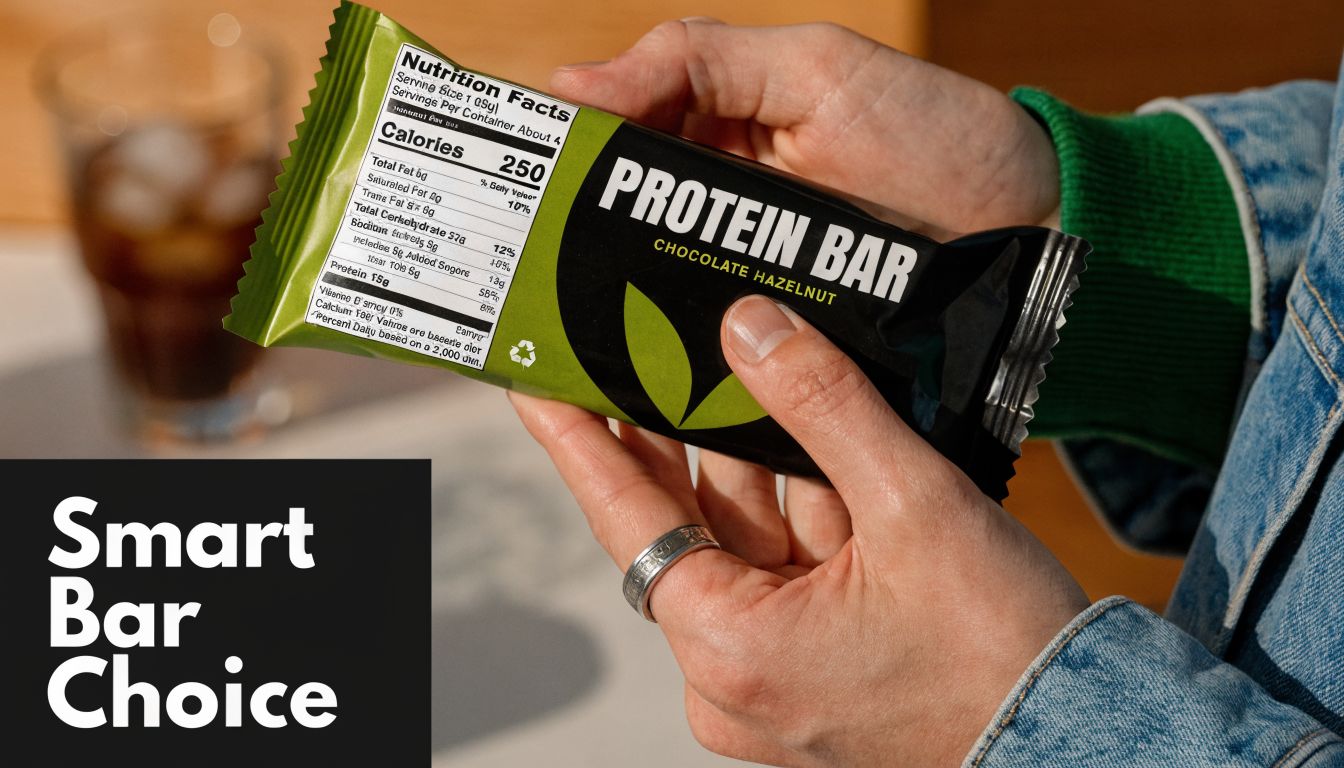
You are standing in front of a shelf with twenty bars that all claim high protein, clean ingredients, and better energy. The useful choice comes down to one question. What job do you need this bar to do?
That sounds simple, but nut-based bars create more trade-offs than standard bars. Nuts can improve texture and satiety. They also raise calories, slow digestion, and increase allergen risk. Add in the protein source and binder system, and two bars with the same protein grams can perform very differently in real life.
Start with the job, not the branding
A bar for muscle gain is not the same tool as a bar for appetite control, travel, or a quick desk snack. I tell clients to sort bars into use cases before they compare labels.
Use this framework:
- For muscle gain or higher calorie needs: Nut-based bars can make sense because the added fats help push calories up without much volume.
- For fat loss or GLP-1-supported satiety: A bar needs to be filling without becoming a small calorie bomb. Some nut bars help here. Others are just dense and easy to overeat.
- For meal spacing during work or travel: Look for a bar that holds you for two to three hours without a sugar-heavy crash.
- For pre-workout use: Be more selective. Many nut bars digest too slowly for a short pre-training window. If that is your situation, this guide on eating a protein bar before a workout will help you choose better.
A bar can be good for one goal and mediocre for another. That is normal.
Check the protein source, because grams alone do not tell you much
Twenty grams of protein looks good on a wrapper. It matters less if the bar bloats you, tastes like chalk, or leaves you hungry an hour later.
Whey usually gives a stronger amino acid profile for muscle repair, but some people do not tolerate dairy-heavy bars well. Pea and soy blends can work fine, especially if digestion is better for you, though texture is often denser and the flavor can need more sweetener to cover it. Collagen adds protein grams but is not the same muscle-building tool as whey, soy, or pea isolates.
Here is the practical filter I use:
- Pick a source you digest well. A technically strong bar is a poor choice if it wrecks your stomach.
- Match the source to the goal. For training support, complete proteins usually make more sense than bars padded with collagen.
- Notice what had to be added to make it edible. Dense protein blends often come with more syrups, fibers, or sweeteners.
This quick video gives a useful visual example of how to evaluate a bar beyond the headline claims.
Read the bar as a formula
I care less about whether the ingredient list is short and more about whether the formula makes sense. Nuts, protein, and binders each change how the bar behaves.
| What to scan | Why it matters for your goal | What often goes wrong |
|---|---|---|
| Protein source | Affects recovery value, texture, and tolerance | The bar hits a protein target but uses a source that is less useful for your purpose |
| Nuts and nut butter | Improve satiety and mouthfeel | Calories climb fast, and the bar feels heavier than expected |
| Binders like syrups, dates, or chicory fiber | Hold the bar together and change digestion | “Natural” binders can still make the bar very sugary or very gassy |
| Sweeteners | Shape taste and repeat buyability | Sugar alcohols and high-intensity sweeteners can cause bloating or an artificial aftertaste |
| Fiber load | Can help fullness | Too much added fiber can backfire, especially if you already eat a high-fiber diet |
The binder is where a lot of bars reveal themselves. A date-based bar may look cleaner but still deliver a big sugar hit. A fiber-syrup bar may keep sugar lower on paper but leave your gut unhappy. Neither is automatically better. The better choice depends on whether you need fast convenience, longer satiety, or easy digestion.
Make the final call like a coach
Front-of-pack claims are marketing. Your body cares about outcome.
Buy single bars first. Test them on normal days, not only when you are starving. Pay attention to four things: how full you stay, how your stomach feels, whether the sweetness gets tiring, and whether the bar fits the situation you bought it for.
The best bar is the one you can use consistently, digest comfortably, and align with a specific goal. Sometimes that will be a nut-based protein bar. Sometimes a shake, yogurt, jerky, or a simple meal does the job better.
Strategic Timing for Maximum Benefit
You finish a lift, check the clock, and realize your next real meal is two hours away. In that moment, a protein bar with nuts can be useful. Ten minutes before heavy squats, the same bar can feel like a brick.
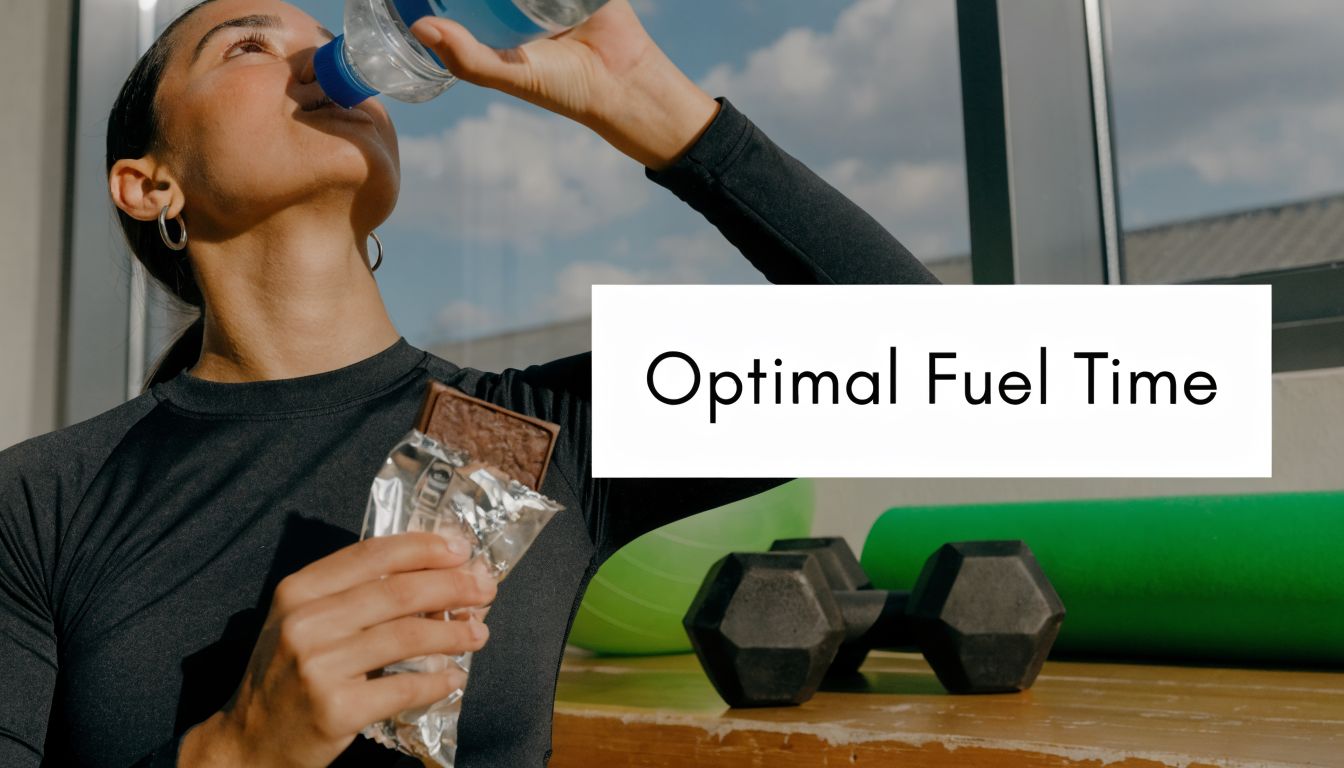
Before training
Nut-based bars are usually a poor fit right before hard training. The combination of fat, fiber, and dense texture slows digestion, which is great for fullness but less helpful when you want food out of your stomach and available for work.
The trade-off matters here. A bar with almonds, chicory fiber, and whey may look strong on paper, yet it can leave you burping through warm-ups or feeling heavy during intervals.
They can still work in two situations. One, you eat it far enough ahead that digestion is no longer the limiting factor. Two, the session is easy enough that stomach comfort matters less than convenience. For a closer look at pre-lift timing, see this guide on eating a protein bar before a workout.
After training
Post-workout is where these bars make more sense for many people. You are no longer trying to protect training comfort. You are trying to cover the gap until your next meal and avoid the usual “I’ll eat later” plan that turns into vending machine choices or overeating at night.
A nut bar still has trade-offs after training. If recovery speed is the priority and you tolerate dairy, a shake and fruit often digest faster. If you need something shelf-stable that can live in a gym bag or car, a bar is easier to keep consistent with.
Convenience counts when the alternative is nothing.
Between meals and for appetite control
This is often the best use case for a nut-based protein bar. Protein, fat, and fiber can blunt the sharp rise and crash that comes with lighter snacks, especially if your usual weak point is the mid-afternoon stretch between lunch and dinner.
This is also where goal alignment matters. Someone trying to stay full on a reduced-calorie intake may do well with a denser bar. Someone using a GLP-1 medication and already struggling to eat enough may find the same bar too filling, too rich, or too slow to finish. A higher-protein yogurt, a shake, or a simpler snack may be easier in that situation.
Use a nut bar between meals if hunger control is the actual job.
- Mid-afternoon work slump: Usually a strong fit
- Travel day with uncertain meal timing: Often useful
- Long gap between lunch and dinner: Good fit
- Right before sprints or circuits: Usually the wrong tool
A bar works best when its digestion speed matches the job. Slow and filling helps between meals. Fast and light works better close to training.
As a meal replacement
Bars get oversold here. Most are built as structured snacks, not full meals, even when the wrapper says otherwise.
If a bar has to stand in for lunch, build around it. Add fruit for carbs, yogurt or milk if you want more protein, or something simple with volume if fullness is the problem. That approach works better than expecting one small bar, even a calorie-dense nut bar, to do the job of a real meal.
The practical rule is simple. Match the bar to the situation, not the marketing.
Exploring Savory and Nut-Free Alternatives
Some people don’t need a better sweet bar. They need a break from sweet bars entirely.
That’s a real issue. Flavor fatigue happens fast when every snack tastes like cookie dough, brownie batter, salted caramel, or chocolate peanut butter. If you’ve been forcing down dessert-style bars for the sake of protein, it’s worth broadening the menu.
When nut bars stop being the right tool
Nut-based bars can become a poor fit for a few reasons:
- Allergen concerns: Nuts are off the table for some people, and shared facilities add another layer of caution.
- Digestive friction: Dense bars with multiple sweeteners and fibers don’t agree with everyone.
- Taste burnout: Sweet-on-sweet gets old.
- Goal mismatch: If you want a lighter, crunchier, more savory option, a chewy nut bar may feel like work.
Why protein quality deserves more attention
Most bar content focuses on the total protein number and stops there. That leaves out one of the more useful questions, which is how the protein source may affect fullness and appetite signaling.
A gap in current content is the lack of clear discussion around protein quality and hormones tied to satiety, including GLP-1 and PYY. Emerging research interest around plant-based proteins such as pea protein suggests they may offer satiety advantages compared with whey in some contexts, which is part of why more consumers are asking better questions than “how many grams?” as discussed in this analysis from Go Nuts on protein quality and satiety.
That doesn’t mean plant-based is automatically better for everyone. It means source matters, and the market often pretends it doesn’t.
Expanding the snack toolkit
If you need protein but don’t want nuts, sweeteners stacked on top of sweet flavors, or a dense chewy texture, look outside the bar aisle. Savory protein snacks, roasted legumes, dairy-based options if tolerated, and cleaner plant-based formats can all fill the same job with a different feel.
For readers specifically trying to avoid allergens, this roundup of nut-free protein bars is a practical starting point.
The big shift is mental. Stop asking for the best bar in general. Start building a short list of snacks that each do one thing well.
Building Your Smart Snacking Strategy
The right snack depends on your body, your schedule, and the job in front of you.
If you want portability and decent staying power, protein bars with nuts can work well. If you need fast digestion before training, they may be the wrong move. If you’re managing appetite, the better bar is usually the one with a sensible formula you tolerate well and enjoy eating. If you’ve got allergies or you’re burned out on sweet bars, alternatives may serve you better.
Keep the framework simple:
- Check the protein source
- Judge the bar by its real use case
- Be honest about digestion
- Don’t confuse “contains nuts” with “nutritionally superior”
- Keep more than one kind of snack in your rotation
Smart eaters don’t shop by front-label hype. They build a system. That’s what turns random snacking into something that supports training, appetite control, and day-to-day consistency.
If you’re ready for a break from dessert-style bars, Gym Snack offers a different approach: savory, plant-based protein snacks built for people who want strong macros, clean ingredients, and a crunchy option that doesn’t rely on the usual candy-bar format.