

You’re probably here because you’ve done the same exhausting routine too many times. You pick up a bar that looks healthy, flip it over, scan the ingredients, then freeze at the fine print: “may contain peanuts,” “processed in a facility with peanuts,” or a vague label that tells you almost nothing about actual risk.
That’s frustrating enough when you’re hungry. It’s even worse when you’re trying to hit protein goals, manage appetite, or find something easy to carry to work, school, or the gym.
Protein bars without peanuts do exist, but shopping for them takes more than checking whether “peanut” appears in the ingredient list. Safety depends on labels, manufacturing, and the type of protein used. If you use a GLP-1 medication, or if you’re just tired of overly sweet bars, those details matter even more.
Navigating the Snack Aisle with a Peanut Allergy
You are standing in the snack aisle at 12:15, already hungry, trying to find a protein bar you can toss in your bag without second-guessing it later. The wrapper promises protein, clean ingredients, and energy. Then you turn it over and the easy part ends.
One bar skips peanut ingredients but mentions shared equipment. Another looks safer at first glance, yet the protein blend is vague and the sugar alcohols are likely to upset your stomach. A third may fit your macros, but if you use a GLP-1 medication, a dense, very sweet bar might feel like too much in a few bites. Shopping with a peanut allergy often means solving three problems at once: allergen risk, protein quality, and whether the bar will feel good to eat.
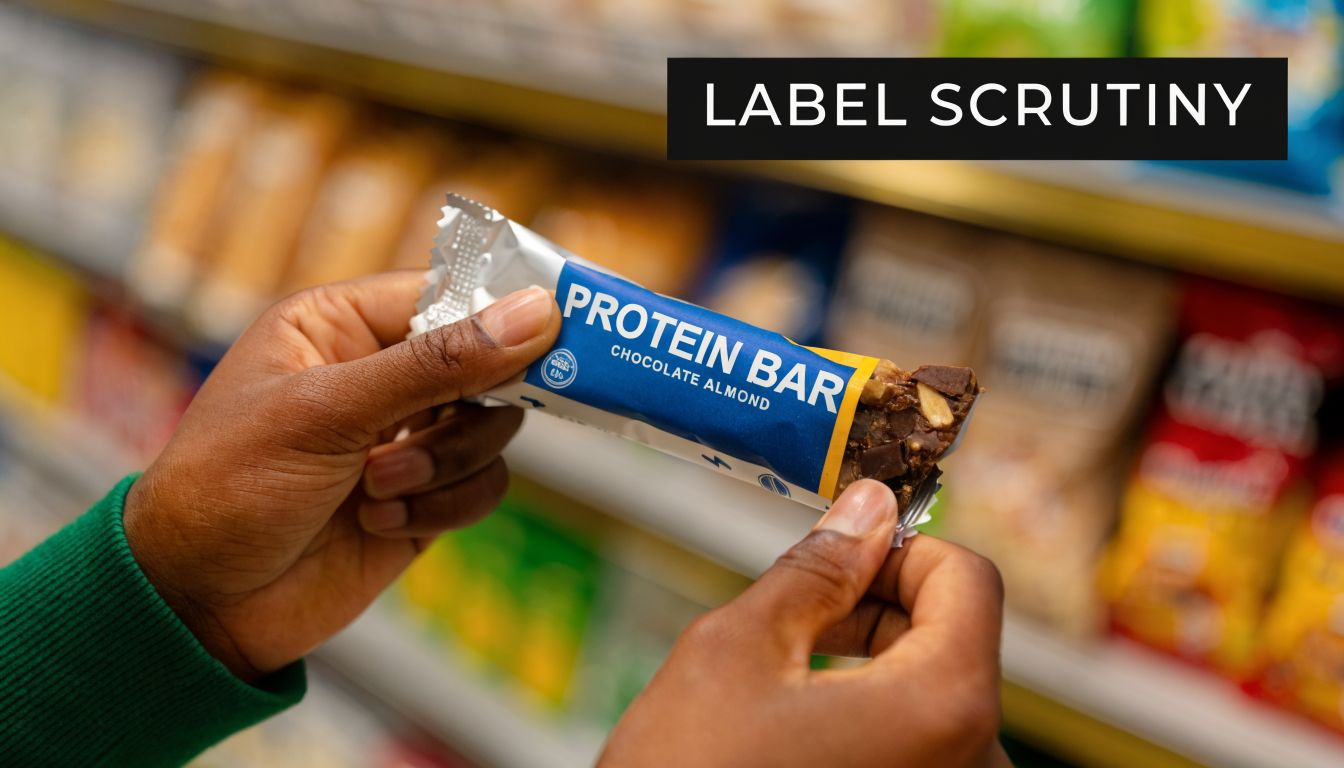
That frustration is common for a reason. More shoppers are looking for bars that combine meaningful protein with clearer allergen information, especially people balancing convenience with medical or dietary needs. The hard part is that the package front rarely answers the questions that matter most.
Why quick shopping cues fall short
A protein bar wrapper works a lot like a movie trailer. It highlights the attractive parts and leaves out the details that determine whether the full experience is a good fit for you.
With a peanut allergy, start with a different checklist:
- Where was it made? Ingredient safety and manufacturing safety are not the same thing.
- How clearly does the brand explain allergen controls? Specific wording usually reflects more careful systems.
- What is the protein source? Pea, soy, whey, rice, seed-based blends, and egg protein each affect texture, fullness, digestibility, and taste.
That last point gets overlooked. If you are trying to stay full for hours, recover after exercise, or avoid the heavy sweetness common in dessert-style bars, the protein source matters almost as much as the allergy statement. Savory-leaning eaters often do better with bars that are lower in sweetness, use simpler flavor systems, and rely on proteins that do not leave a chalky aftertaste.
A useful habit is to read the bar in layers. Front of pack first. Ingredient list second. Allergen statement third. Nutrition panel last. If you want a refresher on how to read nutrition labels for protein, sugar, and serving size, that skill makes this process much faster.
Practical rule: The front of the package sells the bar. The side and back tell you whether it belongs in your cart.
Once you start reading labels this way, the aisle feels less like a guessing game and more like a filter you can use with confidence.
Decoding Labels Peanut Free vs May Contain
Food packages often sound more certain than they really are. A bar can avoid peanut ingredients and still carry a contamination risk. That’s why label language matters so much.
Think of package statements like road signs. Some are direct instructions. Others are caution signs. If you treat them all the same, you’ll either miss risk or rule out products without understanding why.
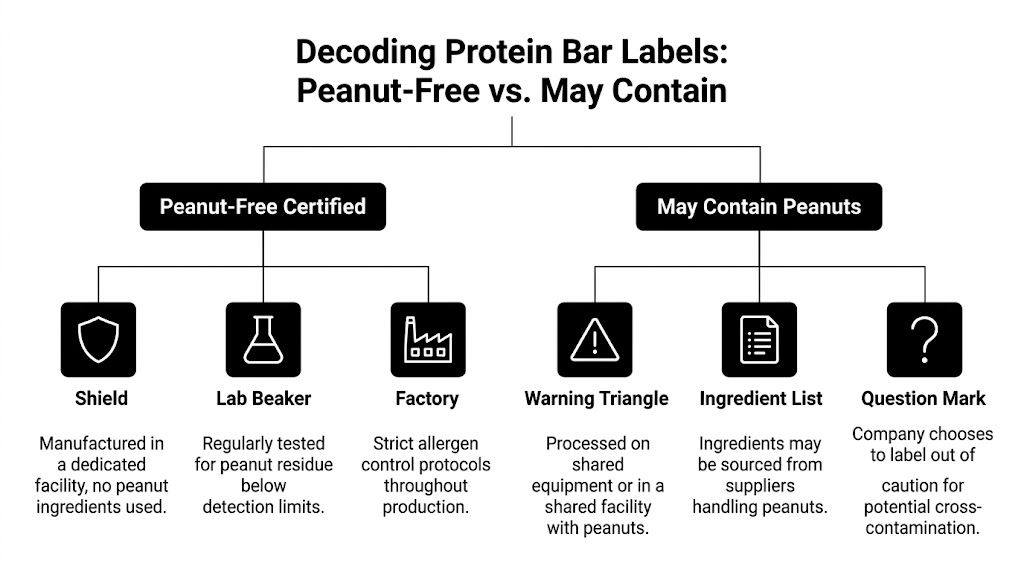
What each phrase usually means
Here’s a practical hierarchy that helps in the store.
Best signals
-
Peanut-free certified or clearly peanut-free
This is the kind of wording that suggests the company has built its process around allergen control, not just ingredient selection. - Made in a peanut-free facility This indicates a controlled production environment beyond just the ingredients.
-
Top allergen-free facility language
Some brands go beyond peanut-free and control multiple major allergens, which can be helpful if your household manages more than one allergy.
Middle ground
-
No peanuts in ingredients
Better than nothing, but incomplete. It answers only one question. -
Nut-free wording without facility detail
This may still be useful, but you’ll want more information before you assume the product is low risk.
Caution signs
- May contain peanuts
- Processed on shared equipment with peanuts
- Made in a facility that also processes peanuts
These statements tell you there may be cross-contact risk. They don’t always tell you how often, how much, or whether the company tested the product. They’re warning labels, not safety assurances.
Peanut free isn’t the same as ingredient free
Readers often get tripped up. They see an ingredient list with oats, dates, pea protein, sunflower seeds, and cocoa, then assume it’s safe because peanuts aren’t listed.
That’s only part of the story.
A bar can be free of peanut ingredients but still be exposed during production. Shared mixers, conveyor belts, scoops, packaging stations, or supplier handling can all introduce risk. Advisory statements exist because manufacturers know that ingredient lists alone don’t tell the whole truth.
A peanut allergy decision should never rest on the ingredient panel alone.
How to scan a label in under 20 seconds
Use this order. It’s faster and more reliable than reading top to bottom.
-
Check the allergen statement first
Look for direct peanut language. -
Look for advisory wording next
“May contain” and “shared equipment” should change your decision immediately if you need strict avoidance. -
Read the ingredient list after that
It allows you to catch less obvious ingredients and learn the protein source. -
Look for facility or certification clues
If the package is vague, the brand may still explain more on its website or customer support page.
If you want a refresher on the rest of the package beyond allergens, this guide on how to read nutrition labels is useful for understanding protein, fiber, sugar, and serving size.
A simple shopping mindset
Don’t ask, “Does this bar contain peanuts?”
Ask, “What does this brand tell me about peanut risk, and what are they leaving unclear?”
That shift changes everything. It keeps you from getting fooled by a clean ingredient list or a health-focused front label. It also helps you spot brands that communicate like they understand allergy shoppers, not just general wellness trends.
Why Manufacturing Practices Matter More Than Ingredients
A bar’s recipe might be safe on paper and still be risky in real life. Food gets mixed, shaped, cut, wrapped, and boxed by equipment and people. That production chain is where cross-contact often becomes the deciding factor.
This is the part most shoppers never see. You only see the wrapper. But from a food-safety standpoint, the factory matters as much as the formula.

Where cross-contact can happen
Peanuts don’t have to be in the bar to create a problem. Risk can enter through the production environment in several ways:
- Shared mixing equipment that previously handled peanut ingredients
- Shared packaging lines where residue can move from one product run to the next
- Ingredient suppliers that handle allergens before materials even reach the bar manufacturer
- Storage and scooping practices inside the facility
- Cleaning gaps between production runs
That’s why “no peanut ingredients” is only a starting point.
A real example of safer production
One useful example comes from No Nuts!. According to Eating With Food Allergies, No Nuts! bars use a proprietary process with dry ingredients first, followed by boiled liquid binders, and they’re produced in a 100% peanut-free, gluten-free facility. That combination matters because it shows the company isn’t only swapping out peanuts in the recipe. It’s controlling the environment where the bar is made.
That’s a stronger safety story than a label that says “contains sunflower butter instead of peanuts.”
What dedicated facilities do better
A dedicated peanut-free facility lowers complexity. Workers don’t have to switch between peanut and non-peanut production. Equipment doesn’t need to be validated after peanut runs in the same way. Storage systems can stay cleaner and simpler.
That doesn’t mean every dedicated facility is equal, but it usually gives you a clearer margin of safety than a shared plant.
What to ask a brand: “Is this made in a dedicated peanut-free facility, or just without peanut ingredients?”
That one question often gets a more useful answer than anything printed on the front of the package.
What to look for when the package is vague
If the wrapper doesn’t tell you enough, use a short checklist:
| Question | Why it matters |
|---|---|
| Is the facility peanut-free? | Tells you whether exposure risk exists in production |
| Is the equipment shared? | Shared lines raise cross-contact concerns |
| Does the company make peanut products too? | Mixed product lines can complicate allergen control |
| Is allergen language consistent across packaging and website? | Consistency suggests stronger operational discipline |
For a broader look at products designed around this category, this roundup of nut-free protein bars can help you compare what brands emphasize about allergen safety.
The big takeaway is simple. Ingredients tell you what the company planned to include. Manufacturing tells you what might still get in.
Exploring Peanut Free Protein Sources
Once you know a product is appropriate for your level of peanut avoidance, the next question is whether it’s nutritionally worth buying. Protein bars without peanuts rely on a mix of alternative protein sources, and each one changes texture, digestibility, and how full you feel afterward.
The main group you’ll see most often includes pea protein, rice protein, sunflower seeds, pumpkin seeds, and soy-based blends. According to Eating Healthy 4 Life, nut-free protein bars typically deliver 12 to 15 grams of protein from sources like pea, rice, and sunflower seeds, and high-protein snacks at 15 grams or more support fullness hormones such as GLP-1 and PYY. That matters if you want a snack that does more than just fill a gap for 30 minutes.
Comparison of Peanut-Free Protein Sources
| Protein Source | Type | Key Benefit | Consideration |
|---|---|---|---|
| Pea protein | Plant isolate | Strong protein punch, common in fitness-focused products | Some people notice an earthy taste |
| Rice protein | Plant isolate | Helpful in blends, often gentle in texture | Alone, it may be less satisfying in flavor |
| Sunflower seed protein | Seed-based | Peanut-free and useful for people avoiding nuts | Seed-forward taste can be more noticeable |
| Pumpkin seed protein | Seed-based | Fits plant-based formulas well | Texture can feel denser |
| Soy protein | Legume-based isolate | Often delivers a complete, efficient protein source | Not suitable for soy-sensitive shoppers |
How to choose based on your needs
If you want workout support
Look for bars built around pea protein or soy blends. These usually feel more intentionally protein-forward rather than snack-like. They’re often the better fit when you need something after lifting or between meetings and dinner.
If you want fewer common allergens
Seed-based formulas can be helpful. A sunflower- or pumpkin-based bar may work well if you’re trying to avoid peanuts and tree nuts, and sometimes dairy or gluten too. The tradeoff is that texture and flavor can be more rustic.
If you dislike chalky bars
Blends often work better than single-source bars. Pea plus rice, or seed plus legume combinations, usually create a smoother bite and less powdery finish.
Not every safe bar is a good bar for your body. Safety comes first, but digestibility and satisfaction decide whether you’ll actually keep buying it.
A note for GLP-1 users
If you’re using a GLP-1 medication, texture and sweetness can matter as much as protein amount. Many people find that overly sweet bars or dense bars feel unappealing. In that case, look for a moderate portion, straightforward ingredients, and a protein source you already tolerate well.
Some people also do better with small, planned snacks instead of forcing down a full meal. Pairing a bar with a simple eating routine can help, and a structured high protein meal plan can make those choices easier if you’re trying to build more consistency around protein intake.
What fullness actually looks like in practice
A good peanut-free bar should help you stay steady between meals. The protein matters. So does the overall experience. If a bar tastes overly sweet, sits heavy, or leaves you hunting for another snack right away, it may not be the right option for your routine even if the label looks perfect.
That’s why comparing protein sources is so useful. You’re not just asking, “Is this peanut-free?” You’re asking, “Will this keep me satisfied, sit well, and fit how I eat?”
Top Peanut Free Protein Bar Options in 2026
You are standing in the snack aisle, flip over a bar, and get that familiar split-second question. Is this only peanut-free on the recipe side, or is it also made with the kind of factory controls that lower real-world risk?
That is why a “top options” list works best as a filter, not a trophy case. The better question is which bar fits your allergy needs, your appetite, and the way you use protein bars. A desk-drawer backup, a post-gym snack, and a low-appetite GLP-1 snack often call for different choices.
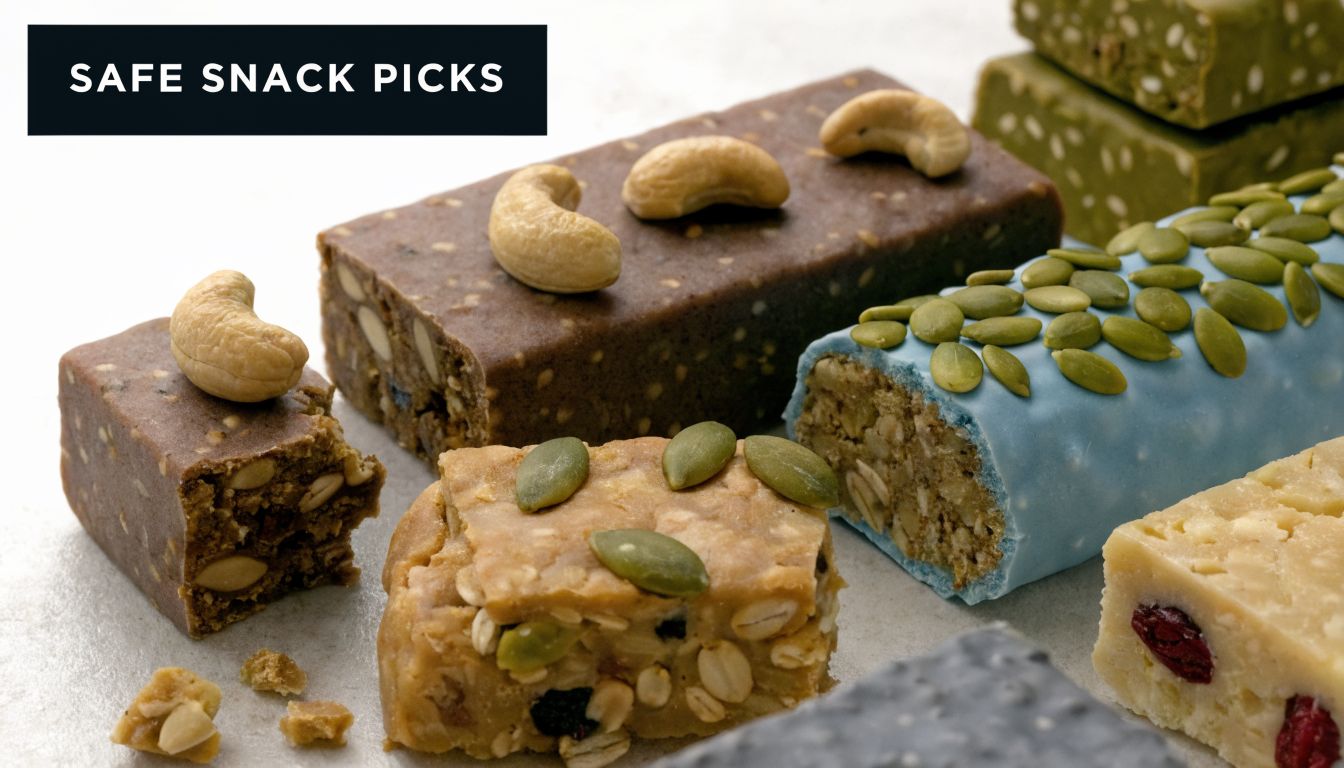
For shoppers who want a less candy-like bar
Alio is a strong option for people who want sweetness kept in check. Its product profile highlights solid protein, high fiber, and no added sugar, along with production in a dedicated top allergen-free facility, as noted earlier in the article.
In practical terms, this type of bar often suits people who want steady energy without the syrupy finish that makes some bars feel more like dessert than food. If you are using a GLP-1 medication and very sweet foods turn you off, this style may be easier to finish.
For shoppers who care most about facility language
No Nuts! Protein+Energy Bars deserve a close look if manufacturing details drive your decision. The brand describes production in a peanut-free, gluten-free facility and uses a protein mix that includes soy protein isolate, pea protein, and sunflower butter.
That combination matters for a simple reason. Ingredient safety is one layer. Factory handling is another. If you or your child reacts strongly to trace exposure, bars with clearer production language often rise to the top of the list.
For households juggling multiple food restrictions
Amrita can make shopping simpler for people avoiding more than peanuts. Its bars are described as free from major allergens and are built around a nutrition profile that tends to balance protein, fiber, and low added sugar.
This can be useful if your label check never stops at peanuts. Families managing dairy, soy, or gluten concerns often do better with brands that make their allergen policy easy to find and easy to understand.
For shoppers who prefer seeds over heavily processed protein blends
Some people feel better about a bar built around seeds and shorter ingredient lists. 88 Acres and Skout often come up in that conversation.
These bars can feel more like compact food than a supplement bar. The tradeoff is that protein content and texture can vary more from flavor to flavor, so it helps to compare bars side by side rather than assuming every seed-based option will perform the same way.
For people who are tired of sweet bars
This is the category many roundups skip, and it matters more than it sounds.
A lot of protein bars are designed to taste like brownies, cookies, or candy. That works for some shoppers. For others, especially GLP-1 users or anyone eating with a low appetite, that level of sweetness can feel exhausting after two bites. Savory or lightly sweet options often go down more easily because they do not ask your palate to treat every snack like dessert.
If you want ideas outside the usual chocolate-and-cookie pattern, this guide to allergy-friendly protein bars for different eating styles is a useful place to start.
Here’s a quick visual guide if you want ideas for the wider protein snack options:
How to match the bar to the moment
A protein bar works a bit like a spare tire. The best one depends on what problem you need it to solve.
-
After a workout
Choose a bar with a clearly stated protein amount and a protein source you already digest well. Blends such as pea and soy are common. -
For a long gap between meals
Bars with more fiber and a moderate amount of fat often keep you satisfied longer than bars built mostly around sweeteners. -
On sensitive stomach days
Shorter ingredient lists and familiar protein sources are usually easier to tolerate. -
For GLP-1 routines or low appetite
Smaller bars, softer textures, and milder flavors can be a better fit than dense, intensely sweet products.
One more practical point. A bar can look perfect on paper and still fail in real life. If the texture is too chewy, the flavor is too sweet, or the portion feels too heavy, you probably will not keep it stocked.
The best peanut-free protein bar is the one that clears your allergy screen, fits your digestion, and feels realistic to eat again tomorrow.
Your Action Plan for Confident Peanut Free Snacking
Safe shopping gets easier when you stop making every purchase from scratch. Use the same screening method every time, and the decision becomes faster, calmer, and more consistent.
Peanut-Free Shopping Checklist
-
Start with the allergen statement
Don’t begin with the front label. Look immediately for peanut language, shared equipment wording, or facility information. -
Treat “may contain” as meaningful
That phrase isn’t decoration. It signals possible cross-contact. -
Separate recipe safety from factory safety
“No peanut ingredients” and “made in a peanut-free facility” are not the same claim. -
Identify the protein source
Pea, rice, soy, and seed blends each behave differently in taste, texture, and tolerance. -
Check whether the bar fits your actual use
A post-workout snack, desk drawer backup, and low-appetite GLP-1 snack might all need different products. -
Watch for bars that sound healthy but communicate vaguely
If the brand is fuzzy about allergen handling, assume you need more information before buying.
A simple decision filter
Ask these three questions in order:
- Is it appropriate for my allergy needs?
- Do I understand how it was made?
- Will I enjoy eating it enough to keep it on hand?
That last question matters more than people think. A safe product only helps if it’s realistic for your routine.
You don’t need perfect certainty from a flashy wrapper. You need clear language, trustworthy manufacturing, and a protein source that works for your body. That’s how you turn the snack aisle from stressful to manageable.
Frequently Asked Questions About Peanut Free Bars
Are peanut-free and tree-nut-free the same thing
No. A product can be free of peanuts and still contain almonds, cashews, or other tree nuts. Peanuts are legumes, not tree nuts. For some people that distinction is academic. For others, it changes the whole buying decision.
Always read both the ingredient list and allergen statements. If your household avoids multiple allergens, don’t assume “nut-free” is being used in the strict way you expect.
Is a bar safe if peanuts aren’t listed in the ingredients
Not automatically. Ingredient lists only tell you what was intended in the formula. They don’t tell you whether the product was made on shared equipment or in a facility that also handles peanuts.
That’s why manufacturing language matters so much. If the package doesn’t answer that clearly, the product may still be a poor fit for someone with a serious peanut allergy.
What should GLP-1 users look for in protein bars without peanuts
Focus on tolerance and ease, not just label hype. Many people using GLP-1 medications do better with snacks that are smaller, less sweet, and straightforward in texture.
A few things can help:
-
Protein you tolerate well
Pea- or seed-based products may work for some people, while others prefer different blends. -
Moderate sweetness
Very sweet bars can feel unappealing when appetite is already reduced. -
Simple ingredient lists
Fewer extras can make a snack feel easier to eat consistently. -
An option that isn’t dessert-like
Savory protein snacks can be useful when sweet flavors feel like too much.
Are homemade peanut-free bars safer
They can be, but only if your kitchen ingredients are safe and your process is careful. Homemade bars let you control what goes in. That’s a plus if you want simple ingredients or need to avoid several allergens at once.
The downside is portability, consistency, and shelf life. Store-bought bars are easier to carry and portion. Homemade options work best when you’re organized and confident about every ingredient source you use.
Homemade gives you control. Commercial products give you convenience. Safety depends on how carefully each one is handled.
Are seed-based bars a good replacement for peanut-based bars
Often, yes. Sunflower and pumpkin seed ingredients can provide structure, flavor, and protein without relying on peanuts or tree nuts. They’re especially helpful for people who want a plant-based option.
The main tradeoffs are taste and texture. Seed-based bars can be more earthy, more dense, or less familiar if you’re used to mainstream sweet bars.
Should I choose a bar based mostly on protein grams
Not by itself. Protein matters, but it’s only one piece. A useful product also needs to fit your allergy requirements, your digestion, and your appetite.
If a bar has a strong protein number but confusing allergen wording, that’s not a good trade. If it’s safe but tastes so sweet that you avoid eating it, that’s not a great fit either.
Do savory protein snacks make sense if I’m tired of bars
Yes. This is an underrated option. Some people don’t want another chocolate-coated rectangle. They want something crunchy, salty, and satisfying that still helps with protein intake.
That can be especially helpful if you’re using GLP-1 medication, if your appetite is low, or if you just prefer food that feels more like a snack than a dessert substitute.
If you want an alternative to standard sweet bars, Gym Snack offers savory, plant-based protein snacks built around pea protein with bold cheesy flavors and a crunchy texture. They’re a practical option for people who want allergy-conscious, protein-forward snacking that doesn’t taste like candy.