

Most advice about tasty protein bars starts from the wrong assumption. It assumes the best bar should taste like dessert, just with more protein.
That sounds fun for a while. Then a lot of people hit the same wall. Another chocolate brownie flavor. Another peanut butter swirl. Another soft, sticky bar that tastes sweet at first and oddly chemical by the last bite. If you've ever felt burned out by that cycle, your taste buds aren't the problem. The category has trained people to expect candy-bar flavors when what many bodies want is something more balanced, more filling, and less sugary.
Taste isn't just sweetness. A protein bar can be tasty because it's crunchy, salty, savory, clean on the finish, and satisfying enough that you don't keep hunting for snacks right after. That matters in a category this large. The global protein bar market reached an estimated USD 15.80 billion in 2025 and is projected to reach USD 24.21 billion by 2033, with sports nutritional bars accounting for over 49.2% of revenue share, according to Grand View Research's protein bar market analysis. People clearly want convenient, macro-friendly food. The core question is whether the popular options satisfy.
If you want a broader look at snack ideas that balance flavor and function, this guide to protein snacks that taste good is a helpful place to compare your options beyond the usual candy-style bars.
Beyond the Candy Aisle What Really Makes a Protein Bar Tasty
A tasty protein bar should do more than give you a quick hit of flavor. It should make sense from first bite to last bite.
Taste is a three-part experience
It's easy to judge a bar too quickly. You taste the coating or the sweetener, then decide whether you like it. But your brain keeps scoring the snack after that first second.
Three things shape the full experience:
- Flavor profile. Sweet is only one path. Salty, cheesy, roasted, spicy, and umami flavors can feel more meal-like and less repetitive.
- Texture. Crunchy foods often feel more substantial than soft, pasty ones, even before you look at the nutrition label.
- Finish. Some bars leave a clean aftertaste. Others leave a coating on your mouth from sweeteners, syrups, or dense protein blends.
A chef wouldn't build a dish around sugar alone. The same logic works here. Good snacks need contrast.
Practical rule: If a bar tastes exciting for one bite but tiring by bite three, it isn't actually that tasty. It's just intense.
Satisfaction matters as much as flavor
People often use "tasty" when they really mean "rewarding." That's not the same thing. A bar can taste sweet and still leave you unsatisfied, like listening to a song with a catchy chorus and no ending.
This is one reason savory options are getting more attention. They can reduce flavor fatigue. They also fit moments when dessert doesn't sound right, like after a workout, during a workday, or in the middle of a long commute.
A lot of gym-goers don't want every protein snack to feel like a baked treat. They want something that feels closer to food.
Why the category feels confusing
Protein bars sit in a strange middle ground. They're sold like fitness products, designed like packaged snacks, and often flavored like candy. That creates mixed signals.
You might see words like "clean," "high protein," or "meal replacement" on the front, yet the actual eating experience feels dry, syrupy, or overly sweet. That's why finding tasty protein bars takes more than reading the front of the wrapper. You need to understand how flavor, texture, and nutrition work together.
The Anatomy of a Satisfying Protein Bar
A satisfying bar works like a good plate of food. It needs structure.
Flavor needs balance, not just intensity
Think about the difference between a frosted donut and a bowl of roasted potatoes with salt and herbs. The donut tastes loud right away. The potatoes taste steadier and stay appealing longer.
Protein bars follow the same rule. A very sweet bar can seem delicious in the first few bites, then become cloying. A savory or lightly sweet bar often feels more stable because your palate isn't being flooded.
That doesn't mean sweet bars are bad. It means sweetness shouldn't carry the whole experience. Salt, acidity, spice, and roasted notes help a bar taste like real food instead of flavored paste.
Texture changes how full you feel
Texture isn't cosmetic. It's part of satiety.
Crunch asks you to chew. Chewing slows eating down. A bar that breaks cleanly or has crisp layers can feel more substantial than a bar that collapses into a sticky mass. That's one reason many people describe crunchy snacks as more satisfying, even before they compare ingredients.
Soft bars also have a common problem. They can feel dense and gummy at the same time. That often creates the "protein brick" experience people complain about.
A protein bar should feel like a snack you chose, not a compromise you tolerated.
Protein type affects mouthfeel
The science gets useful here. Different proteins behave differently inside a bar.
Research on high-protein nutrition bars found that replacing whey protein with plant-based mycoprotein reduced hardening by 15% to 25% over 90 days, because the mycelial structure held moisture better and helped prevent the aggregation that causes chalkiness and grittiness, as described in this study on protein bar texture and storage stability.
In plain language, some proteins dry out and tighten over time, almost like scrambled eggs left too long in a pan. Others hold onto moisture more gracefully. That's why one bar feels fresh and another feels like compressed powder.
The finish tells you whether the formula works
The end of the bite matters. A clean finish means the flavors fade naturally and your mouth doesn't feel coated. A lingering finish often points to heavy sweeteners, syrups, or a powdery protein blend.
Here are common finish patterns people notice:
- Clean finish. The flavor fades quickly and you want another bite for the right reason.
- Artificial finish. Sweetness hangs around longer than the food itself.
- Dry finish. You immediately need water because the bar absorbed all the moisture in your mouth.
- Fatty finish. The bar leaves an oily or waxy film.
If you're trying to judge tasty protein bars, this matters more than people realize.
Use food benchmarks, not bar marketing
One simple way to think more clearly about bars is to compare them with regular foods you already understand. Eggs are a good example because people know them, eat them often, and can picture how satisfying they feel. If you want a practical reference point for portion awareness, Weight Method's advice on egg calories is useful because it frames calories in a familiar food instead of a heavily marketed package.
That shift helps. Instead of asking, "Is this bar healthy?" ask, "Does this eat like food, digest like food, and satisfy me like food?"
How to Decode Protein Bar Labels and Find the Truth
Packaging does a lot of storytelling. The label does the fact-checking.
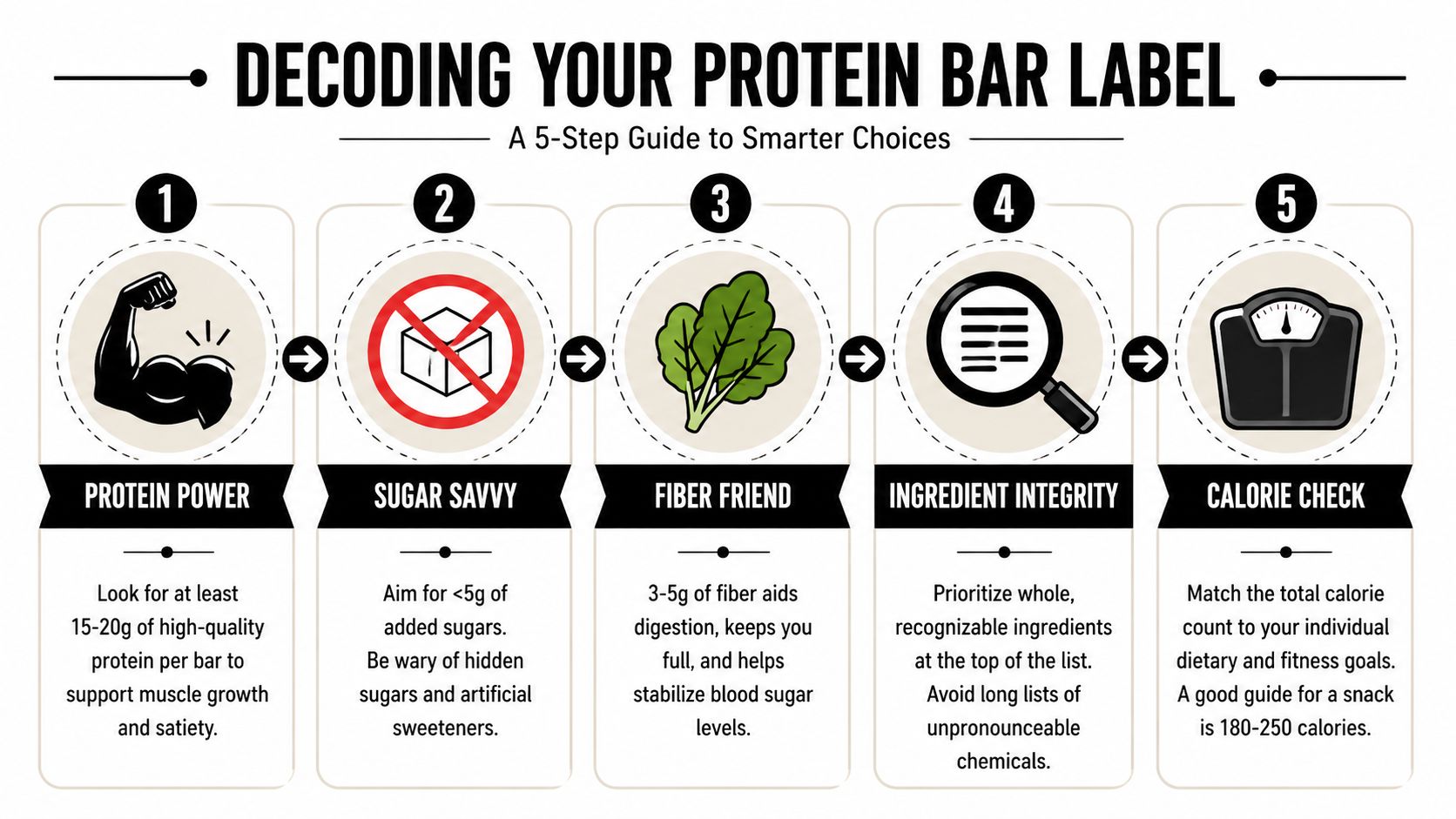
A useful starting point is simple: turn the bar over before you buy it.
Start with the protein claim
A lot of bars market themselves as high protein, but the numbers don't always back that up. An analysis of 50 best-selling protein bars found that only 66% met the criteria for a high protein claim, according to WellnessPulse's review of top-selling protein bars.
That should change how you shop. Don't assume "protein" in the product name means the bar delivers a meaningful amount.
Check the grams of protein per serving first. Then look at the bar size. A large wrapper can make a modest amount of protein seem more impressive than it is.
Then read the rest of the nutrition panel
Protein isn't enough on its own. A bar also has to make nutritional sense as a snack.
The same analysis found that only 28% of those bars were low in total sugar. It also reported that only 48% were high in fiber and only 58% provided high-quality protein. That's a wide quality gap inside one shelf category.
Here's a practical reading order:
- Protein first. If the bar doesn't clear your personal protein target, the rest doesn't matter much.
- Sugar second. A protein snack shouldn't rely on a dessert-level sweetness profile to feel edible.
- Fiber third. Fiber often supports fullness and slows down how fast a snack disappears from your system.
- Saturated fat and sodium next. These don't make a bar automatically bad, but they help you understand the whole picture.
- Calories last. Calories aren't the enemy. They're context.
For some readers, "net carbs" creates confusion. Keep it simple. Net carbs are a manufacturer-style way of emphasizing that not all carbohydrates behave the same way. That's useful for some shoppers, but it can distract from the bigger question, which is whether the bar has a sensible balance of protein, fiber, sugar, and ingredients.
The ingredient list tells you how the bar was built
Two bars can have similar macros and feel very different in the body. That's why ingredients matter.
Look at the first few ingredients. Those usually tell you what the bar is mostly made from. If the list starts with syrups, chocolate coatings, or fillers, the bar may be carrying its taste with sweeteners more than with the protein itself.
Be alert for patterns like these:
- Layered sweetness. Sugar may appear in several forms rather than one obvious form.
- Long sweetener chains. A bar can be low in sugar and still taste aggressively sweet because it uses alternative sweeteners.
- Fiber additives. Some bars use isolated fibers to improve label appeal, but your gut may or may not love them.
- Multiple texture agents. These ingredients can help shelf stability, yet they sometimes create that dense, chewy texture people dislike.
Before we go further, this short video gives a useful visual walkthrough of what to scan on a label.
Use a real-world checklist in the store
When you're standing in the aisle, you don't need perfection. You need a filter.
| What to check | Why it matters |
|---|---|
| Protein amount | Confirms the bar actually functions as a protein snack |
| Sugar level | Helps you avoid candy-bar-with-protein positioning |
| Fiber presence | Often supports fullness and digestive value |
| Ingredient order | Shows what dominates the formula |
| Protein source | Helps predict digestibility and taste |
Label shortcut: If the front makes dramatic claims but the back looks underwhelming, trust the back.
A quick example of how this plays out
Quest and Pure Protein are often discussed for different reasons in the same analysis. Quest was noted as an example of a stronger profile, while Pure Protein offered similar protein with much less fiber in the cited examples. That doesn't make one universally right and the other universally wrong. It shows why the phrase "high protein" doesn't tell you enough.
For tasty protein bars, the best label is the one that matches your goal and your digestion. If you want a desk snack that keeps you steady, you'll probably read the label differently than someone buying a post-workout option on the way out of the gym.
Choosing the Right Protein for Your Goals and Gut
The most important ingredient in a protein bar is the protein itself. Everything else works around it.
Not all proteins feel the same in the body
Some people eat a whey-based bar and feel fine. Others feel heavy, bloated, or thirsty afterward. The same thing happens with soy for some shoppers. That's not imaginary. Protein source changes digestibility, texture, allergen exposure, and even the way the snack feels during the next few hours.
A nutritional analysis of commercial protein bars found a clear split. Animal-based bars often delivered more protein, but they also tended to come with more fat and sugar. Plant-based options, especially pea isolate with a PDCAAS of about 0.89, offered a clean-label alternative with zero cholesterol and slower digestion that may support satiety hormones such as PYY and GLP-1, according to this analysis of protein bar formulations and nutritional quality.
That doesn't mean plant protein wins for every person. It means your best choice depends on your goal and your gut.
A side-by-side way to think about it
| Protein Source | Common Allergens | Digestibility | Best For |
|---|---|---|---|
| Whey | Dairy | Often fast-digesting, but may bother people sensitive to lactose or dairy proteins | Traditional post-workout use, people who tolerate dairy well |
| Soy | Soy | Can work well for some, but others prefer to avoid it because of sensitivity or taste | Plant-based eaters who tolerate soy |
| Pea | Generally lower-allergen compared with dairy and soy | Often gentler for people avoiding dairy, with a slower feel that many find satisfying | Vegan, dairy-free, allergen-conscious, gut-aware shoppers |
Match the source to the situation
If you care most about recovery right after training and you already do well with dairy, whey may fit your routine.
If you're plant-based or you keep getting that heavy stomach feeling from dairy bars, pea protein is worth a closer look. If you're trying to avoid common allergens altogether, source matters even more because one ingredient can change whether a snack feels convenient or uncomfortable.
For a deeper look at the tradeoffs, this comparison of pea protein vs whey protein breaks down the practical differences in a straightforward way.
The best protein isn't the one with the strongest marketing. It's the one you'll digest well, enjoy consistently, and keep buying.
What "quality" really means for you
Protein quality scores can be helpful, but they don't settle the whole conversation. Real life includes digestion, taste fatigue, allergies, and ingredient preferences.
A bar with technically strong protein isn't helpful if it leaves you bloated. A plant-based bar with slightly different characteristics may be the better choice if it fits your body and your routine. That's why people who care about tasty protein bars need to think beyond the muscle-building headline and include comfort, consistency, and food enjoyment.
When to Eat Your Protein Bar for Maximum Impact
Timing changes what a good bar looks like.
Before training
A pre-workout bar should feel supportive, not like ballast. If you're eating before exercise, you usually want something you can digest comfortably and trust not to sit too heavily.
Look for these traits:
- Easy-to-handle texture. Very dense bars can feel slow and awkward before movement.
- Moderate sweetness. Overly sweet bars can become unappealing fast when you're about to train.
- A balanced feel. You want steady energy, not a rush followed by regret.
If pre-workout snacking is your main use case, this guide on eating a protein bar before a workout can help you think through timing and comfort.
After training
Post-workout is where people often default to whatever bar has the biggest protein number. That's understandable, but it's still worth paying attention to how it sits in your stomach.
A good post-workout bar should be easy to eat when you're not in the mood for a full meal yet. It should also fit what you're doing next. If dinner is coming soon, a lighter-feeling bar might make more sense than a heavy meal-style one. If you're heading into meetings or a commute, a more substantial option may bridge the gap better.
Between meals
Tasty protein bars either earn their keep or fail badly.
A useful snack should quiet hunger and help you stay on track until your next meal. If a bar is basically candy with protein added, you'll know quickly because you'll still be prowling the kitchen afterward.
For snack duty, prioritize:
- Protein that feels substantial
- Fiber that supports fullness
- Flavor that doesn't trigger more cravings
- A finish that leaves you satisfied instead of wanting dessert
The simplest rule
Pick the bar for the job.
| Situation | What usually matters most |
|---|---|
| Pre-workout | Digestibility and a not-too-heavy feel |
| Post-workout | Protein delivery and convenience |
| Between meals | Satiety, fiber, and flavor staying power |
A bar isn't automatically a meal replacement, and it isn't automatically junk. It becomes useful when the texture, flavor, and nutrition match the moment.
The Savory Revolution Why Your Next Bar Should Be Crunchy
The biggest blind spot in this category is obvious once you notice it. Most of the shelf is built around dessert.
Sweet fatigue is real
Many popular bars lean on the same flavor script. Chocolate. Cookie dough. Peanut butter. Caramel. Frosted brownie. They aren't just sweet. They're repetitive.
That creates two problems. First, people get tired of the flavor profile. Second, dessert-style bars can feel disconnected from the moment you're eating them. A sweet bar at 3 p.m. in an office or right after a hard training session doesn't always hit the way a savory, crunchy snack does.
This is why the category is starting to split. Shoppers still want convenience and protein, but a growing group wants those things without the candy-bar identity.
The demand is moving before the shelves do
Despite 70% of protein bar sales being sweet-focused, consumer searches and Nielsen data indicate savory protein snacks are up 28% in major markets, according to Good Housekeeping's overview of the protein bar landscape and emerging savory interest.
That gap matters. It means many people are looking for something the traditional aisle still doesn't offer well.
A savory, crunchy format solves several common complaints at once:
- Less flavor burnout. Cheese, spice, and roasted notes usually wear better than constant sweetness.
- Better context fit. Savory snacks often feel more natural at work, in the car, or after training.
- A stronger texture experience. Crunch can feel more like eating and less like chewing through a supplement.
- Less dessert confusion. You know whether you're having a snack or a treat.
Why crunch changes the experience
Crunch does more than entertain your jaw. It changes pacing.
When a snack crunches, you tend to chew more and register each bite more clearly. That can make the snack feel more complete. Soft bars often disappear quickly, especially if they're sweet. Crunchy savory snacks are harder to inhale absentmindedly.
There's also the palate issue. Sweetness can flatten your taste buds after repeated exposure. Savory flavors often hold your interest longer because salt, umami, spice, and roasted notes create more contrast.
Takeaway: If you're sick of bars that taste like melted candy and chew like putty, the answer may not be a better dessert bar. It may be a different category.
Who benefits most from savory protein snacks
Savory protein snacks make sense for several types of eaters.
Some are gym-goers who want protein without a sugar-heavy taste profile. Some are plant-based consumers tired of chalky sweet bars. Some are busy professionals who need something they can eat at a desk without feeling like they're having candy for lunch. Some are people focused on weight management who value a snack that feels more grounding and less triggering.
Those are different lifestyles, but the same pattern keeps showing up. People want a protein snack that tastes like food.
What to look for in this newer category
If you're exploring savory protein options, the checklist shifts a bit.
Look for:
- A crunchy structure that feels deliberate, not brittle or stale
- A clear protein source you know you'll digest well
- Straightforward ingredients you can recognize
- Savory flavoring that doesn't rely on sugar to stay interesting
- A macro profile that supports your routine without turning snack time into a chemistry project
Newer savory products stand out. The strongest ones aren't trying to imitate brownies. They're building from a different idea entirely. They use bold flavors, cleaner finishes, and a more snack-like bite to solve a problem sweet bars created.
That's why the future of tasty protein bars may not look much like the old bar aisle at all. It may look more like a crossover between sports nutrition and craveable savory snacking.
If you're ready to try a different kind of protein snack, Gym Snack is worth a look. It takes the ideas in this article seriously: plant-based pea protein, a crunchy texture, bold savory flavors, and an allergen-conscious formula without the usual dessert-bar fatigue. For anyone who wants high-protein snacking to feel more like real food and less like candy in gym clothing, it's a smart next step.